Choosing a Life Insurance Advisor in RI: What to Know
Navigating the landscape of financial planning in Rhode Island requires partnering with a knowledgeable professional who understands both state-specific insurance regulations and your family's long-term objectives. Choosing a life insu...
Navigating the landscape of financial planning in Rhode Island requires partnering with a knowledgeable professional who understands both state-specific insurance regulations and your family's long-term objectives. Choosing a life insurance advisor in RI involves evaluating licensing credentials through the Rhode Island Department of Business Regulation, understanding the distinction between fiduciary advisors and commission-based agents, and assessing their expertise in portfolio integration, estate planning, and tax implications unique to the Ocean State.
Contents
Understanding the Role of a Life Insurance Advisor in Rhode Island
A life insurance advisor serves as a bridge between complex financial products and your personal security goals. In Rhode Island, these professionals help clients determine appropriate coverage amounts, evaluate term versus permanent policies, and structure benefits to protect dependents, fund education, or secure business continuity. Unlike a generic online quoting tool, a qualified advisor provides personalized guidance that accounts for inflation, local cost-of-living adjustments, and evolving financial milestones.
The advisory relationship begins with a comprehensive fact-finding process. Your advisor will examine your current assets, liabilities, income stability, and future obligations. They then match these metrics against various policy structures offered by carriers licensed to operate within the state. Because insurance products carry long-term financial commitments, the right advisor acts as a lifelong partner who can adjust your coverage as your career grows, your family expands, or your retirement approaches.
Licensing, Regulation, and Oversight in Rhode Island
Before engaging any financial or insurance professional in Rhode Island, verifying their regulatory standing is essential. The insurance industry in the state is strictly monitored by the Rhode Island Department of Business Regulation (DBR) through its Insurance Division.
To legally sell life insurance products in the state, an advisor must hold an active producer license issued by the DBR. You can verify a practitioner's licensing status, check for any disciplinary actions, and confirm their authorized lines of authority directly through the online verification portal maintained by the state or via the National Association of Insurance Commissioners (NAIC) Producer Database.
Beyond basic state licensing, many reputable advisors pursue professional designations that require rigorous ongoing education and adherence to strict ethical codes. Common credentials to look for include:
- CLU (Chartered Life Underwriter): Indicates advanced knowledge of life insurance underwriting, legal aspects, and estate planning.
- ChFC (Chartered Financial Consultant): Signifies comprehensive training in overall financial planning, including investments, taxation, and insurance.
- CFP (Certified Financial Planner): Denotes a broad mastery of financial planning strategies, with a strong emphasis on fiduciary responsibility.
Fiduciaries vs. Commission-Based Agents: Knowing the Difference
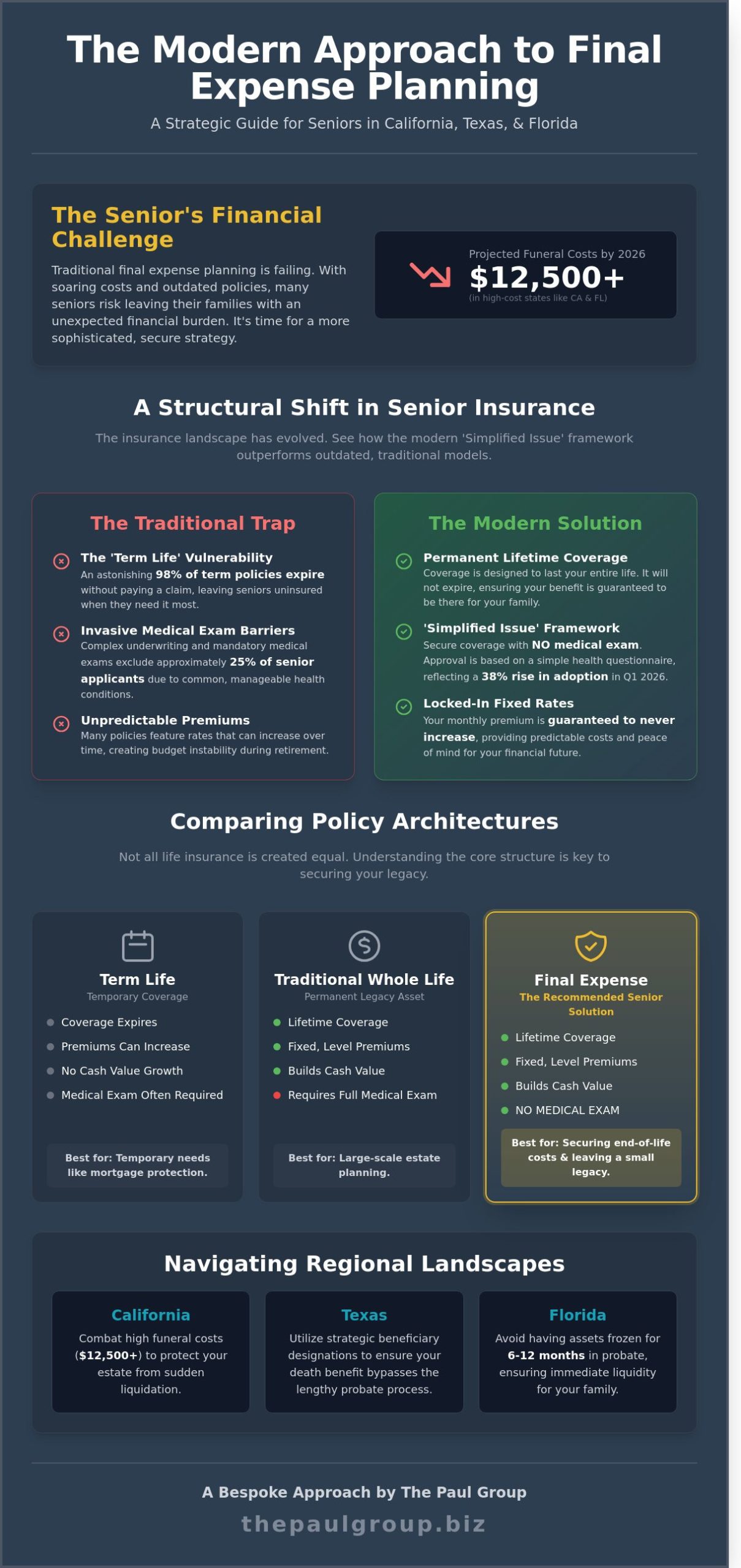
One of the most critical distinctions to understand when choosing a life insurance advisor in RI is how they are compensated and whether they are legally bound to act in your best interest. This structural difference impacts the objectivity of the recommendations you receive.
| Advisor Type | Compensation Structure | Legal Standard | Product Availability |
|---|---|---|---|
| Fee-Only Fiduciary | Hourly fees, flat project fees, or a percentage of assets under management. | Fiduciary (must legally prioritize your interests above all else). | Often independent, offering a curated selection of policies without sales bias. |
| Commission-Based Agent | Earns commissions directly from the insurance carrier upon policy issuance. | Suitability standard (recommendations must be suitable, but not necessarily the absolute best option). | May represent a single carrier (captive) or multiple carriers (independent). |
| Fee-Based Advisor | Combines financial planning fees with commissions on specific product sales. | Varies by service; fiduciary standard often applies only to advisory accounts. | Access to a broad market of insurance and investment products. |
While commission-based agents can provide excellent service and access to competitive products, understanding their compensation model helps you evaluate potential conflicts of interest. Fee-only fiduciaries offer a transparent pricing structure, though their upfront costs for comprehensive financial planning may be higher.
Key Factors to Evaluate When Comparing Advisors
Selecting the right professional requires looking past flashy marketing and examining core competencies. Use the following criteria to filter your options across Rhode Island:
1. Independence and Carrier Access
An independent advisor is not tied to a single insurance company. They have the flexibility to shop policies across dozens of top-rated carriers. This independence allows them to compare premiums, underwriting guidelines, and policy riders to find a product that aligns precisely with your health profile and financial capacity.
2. Experience with RI Estate and Tax Laws
Rhode Island maintains its own estate tax threshold, which differs significantly from the federal exemption level. A knowledgeable local advisor understands how life insurance proceeds interact with state estate taxes, probate laws, and trust structures. They can coordinate with your estate attorney and CPA to ensure your death benefit does not inadvertently trigger unexpected tax burdens for your beneficiaries.
3. Communication Style and Transparency
Insurance policies involve complex legal contracts. Your advisor should be able to explain riders, surrender charges, cash value accumulation mechanics, and premium structures in clear, accessible language. Transparency regarding their fees, affiliations, and potential commissions is non-negotiable.
Common Mistakes to Avoid
Navigating the advisor selection process can be challenging, but being aware of common pitfalls will protect your financial well-being:
- Skipping License Verification: Assuming an advisor is trustworthy without independently checking their record with the Rhode Island Department of Business Regulation leaves you vulnerable to unlicensed practices.
- Focusing Solely on Lowest Premiums: While cost matters, an ultra-low premium on a poorly structured term policy or an unstable permanent product can lapse when you need it most.
- Neglecting Ongoing Service: Life insurance is not a set-it-and-forget-it purchase. Avoid advisors who close the sale and disappear; look for professionals who commit to annual policy reviews.
- Ignoring Financial Strength Ratings: Ensure the carrier your advisor recommends holds strong financial stability ratings from independent agencies such as AM Best, Moody's, or Standard & Poor's.
Frequently Asked Questions
How do I check if a life insurance advisor is licensed in Rhode Island?
You can verify an advisor's license by visiting the Rhode Island Department of Business Regulation website or using the National Association of Insurance Commissioners (NAIC) Lookup tool. Enter the advisor’s legal name to confirm their active licensing status and check for any regulatory complaints.
Are life insurance proceeds taxable in Rhode Island?
Generally, life insurance death benefits paid to a named beneficiary are income tax-free at both the federal and state levels. However, if the policy is owned by the insured at the time of death, the proceeds may be included in the gross estate for Rhode Island estate tax calculations if the total estate value exceeds the state exemption threshold.
What is the difference between a captive agent and an independent advisor in RI?
A captive agent works exclusively for one insurance company and can only sell that specific company's products. An independent advisor or broker represents multiple insurance carriers, allowing them to compare quotes, policy features, and underwriting criteria across the open market to find the best fit for your situation.
How often should I review my life insurance policy with my advisor?
You should schedule a comprehensive policy review with your advisor at least annually, as well as after major life events such as marriage, the birth of a child, purchasing a home, starting a business, or experiencing significant changes in household income or debt.
What should I bring to my initial consultation with a life insurance advisor?
Prepare for your first meeting by gathering your current financial documents, including existing insurance policies, retirement account statements, mortgage details, tax returns, and a summary of your monthly household budget and long-term financial goals.
Next Steps for Securing Professional Guidance
Begin your search by compiling a shortlist of licensed professionals in your area, prioritizing those who hold recognized designations like CFP or CLU. Schedule initial consultations—often offered free of charge—to interview candidates about their independence, fee structure, and experience with clients in similar life stages. By taking a methodical approach to choosing a life insurance advisor in RI, you establish a secure financial foundation that protects your family's future against unforeseen circumstances.
Image Gallery