Navigating Enterprise Intelligence: Exploring Inveniai as a New AI Platform for Enterprise Data
Inveniai represents an emerging tier of artificial intelligence infrastructure designed to help organizations consolidate, analyze, and extract actionable insights from fragmented enterprise data. As modern corporations generate unprec...
Inveniai represents an emerging tier of artificial intelligence infrastructure designed to help organizations consolidate, analyze, and extract actionable insights from fragmented enterprise data. As modern corporations generate unprecedented volumes of structured and unstructured information across disparate software ecosystems, platforms like Inveniai attempt to bridge the gap between raw data storage and real-time operational intelligence through advanced machine learning models and automated retrieval systems.
Contents
The Evolution of Enterprise Data Management and the Rise of Specialized AI Platforms
For decades, the lifecycle of corporate information centered around relational databases, data warehouses, and later, cloud-based data lakes. While these architectures successfully solved the problem of secure data storage, they consistently struggled with data accessibility for non-technical stakeholders and the automated processing of unstructured formats like PDF documents, customer service audio logs, and internal enterprise chat histories. Traditional business intelligence tools required extensive SQL querying, manual report generation, and rigid data modeling before any meaningful trend analysis could occur.
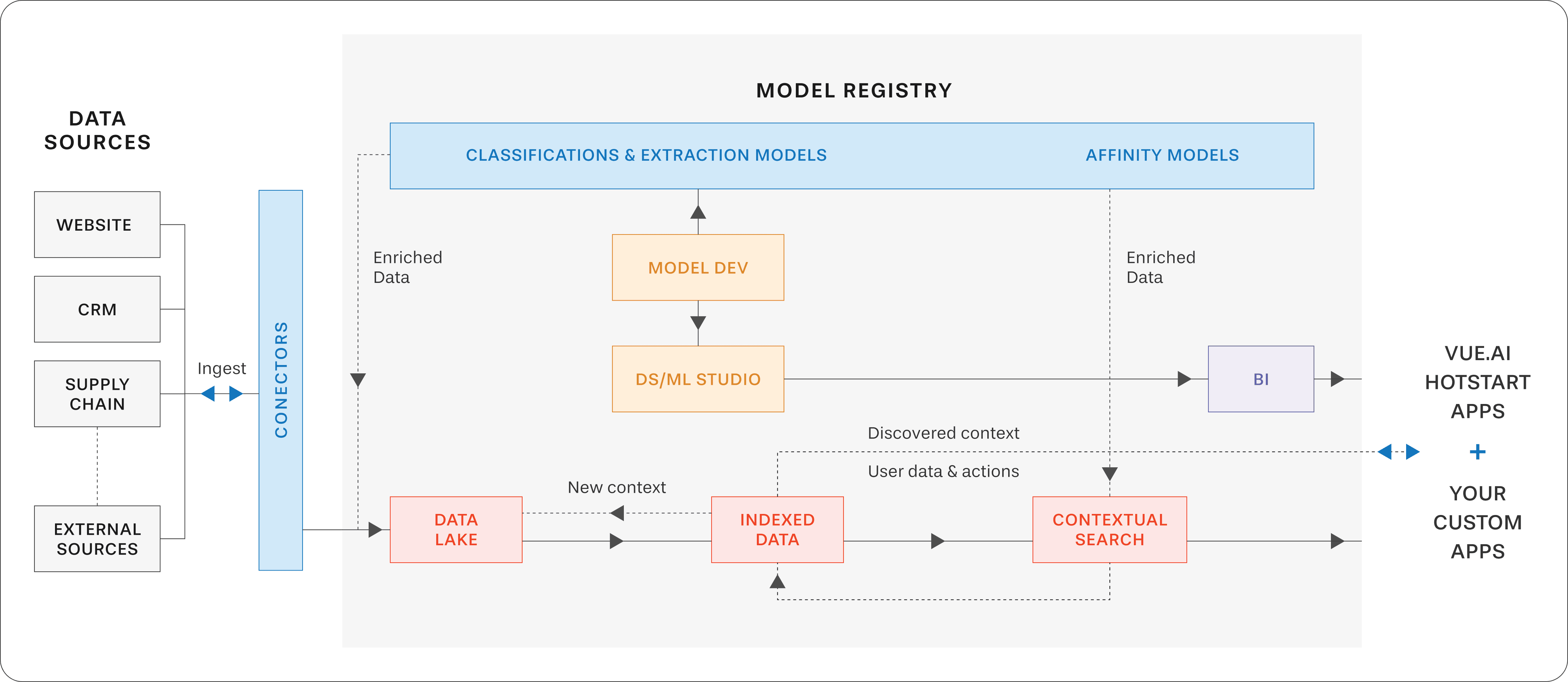
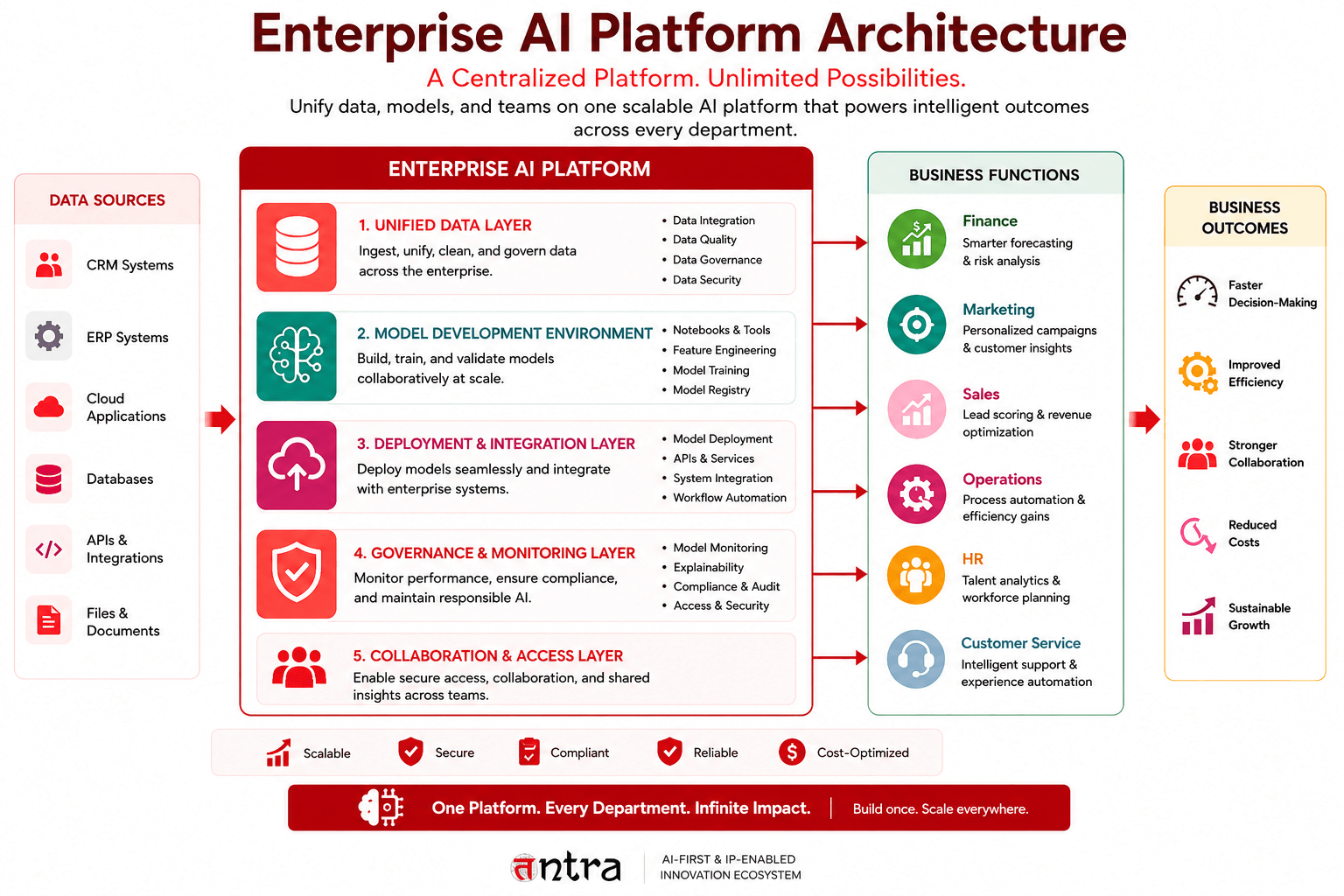
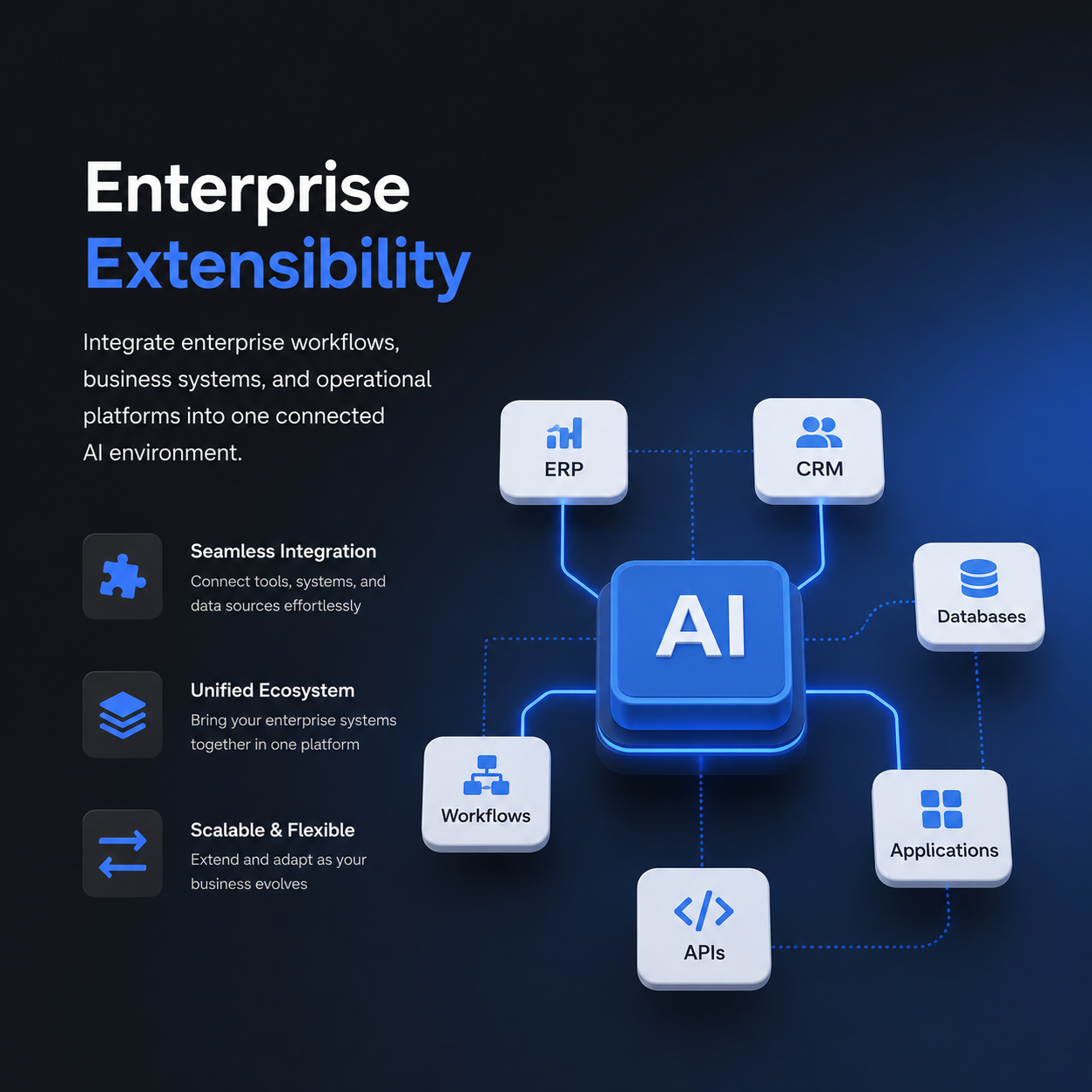
The introduction of modern artificial intelligence platforms changes this dynamic fundamentally. Instead of forcing human workers to adapt to the structural constraints of legacy databases, contemporary platforms leverage Large Language Models (LLMs), vector embeddings, and semantic search algorithms. This technological shift allows employees to query entire corporate data repositories using natural language. Solutions within this category aim to eliminate data silos by connecting disparate cloud storage providers, enterprise resource planning systems, and customer relationship management tools into a unified, queryable intelligence layer.
Core Architectural Components and Technical Capabilities
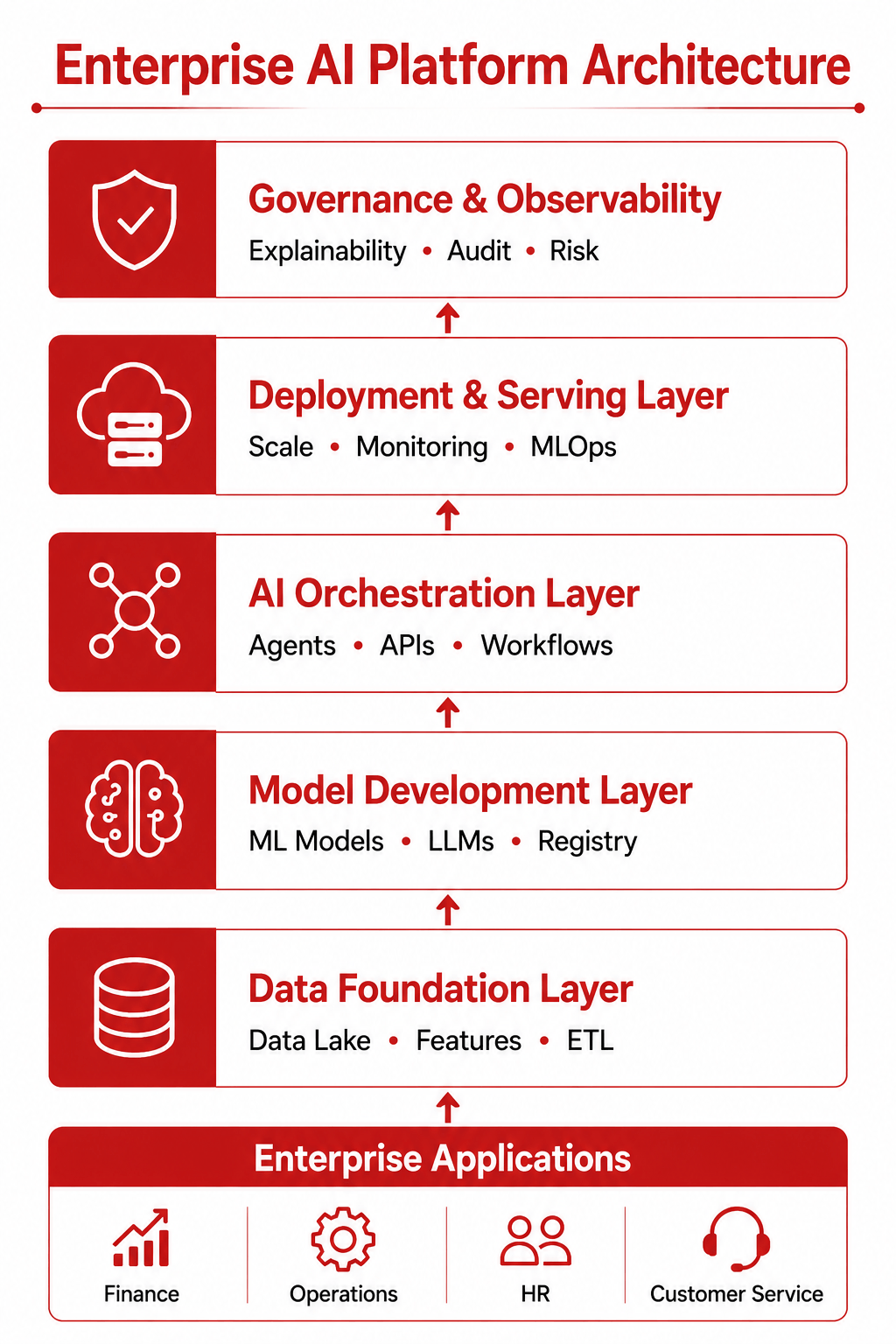
Deploying an enterprise-grade AI platform requires a sophisticated balance of computational performance, data privacy protocols, and seamless API integration. When evaluating platforms that manage internal corporate data, technical architects generally examine several baseline capabilities to determine operational feasibility.
Vector Search and Semantic Indexing
At the heart of modern enterprise data platforms lies the vector database. Unlike traditional keyword-matching search engines, semantic indexing converts raw text, images, and numerical data into high-dimensional numerical vectors. When a user submits a query, the platform calculates mathematical distances between the query vector and stored document vectors. This process surfaces relevant insights even when the user does not know the exact keywords, internal project codenames, or specific terminology used in the original documents.
Role-Based Access Control and Data Governance
Security remains the primary barrier to adopting artificial intelligence within corporate environments. An enterprise AI platform must respect existing organizational permissions. If an employee lacks viewing rights to specific financial spreadsheets or human resources records within the native storage system, the AI interface must automatically filter out those sources from search results and generated summaries. Robust platforms incorporate strict data governance frameworks, ensuring that sensitive training data never leaks across organizational boundaries or outside secure cloud perimeters.
Hybrid Deployment and Infrastructure Flexibility
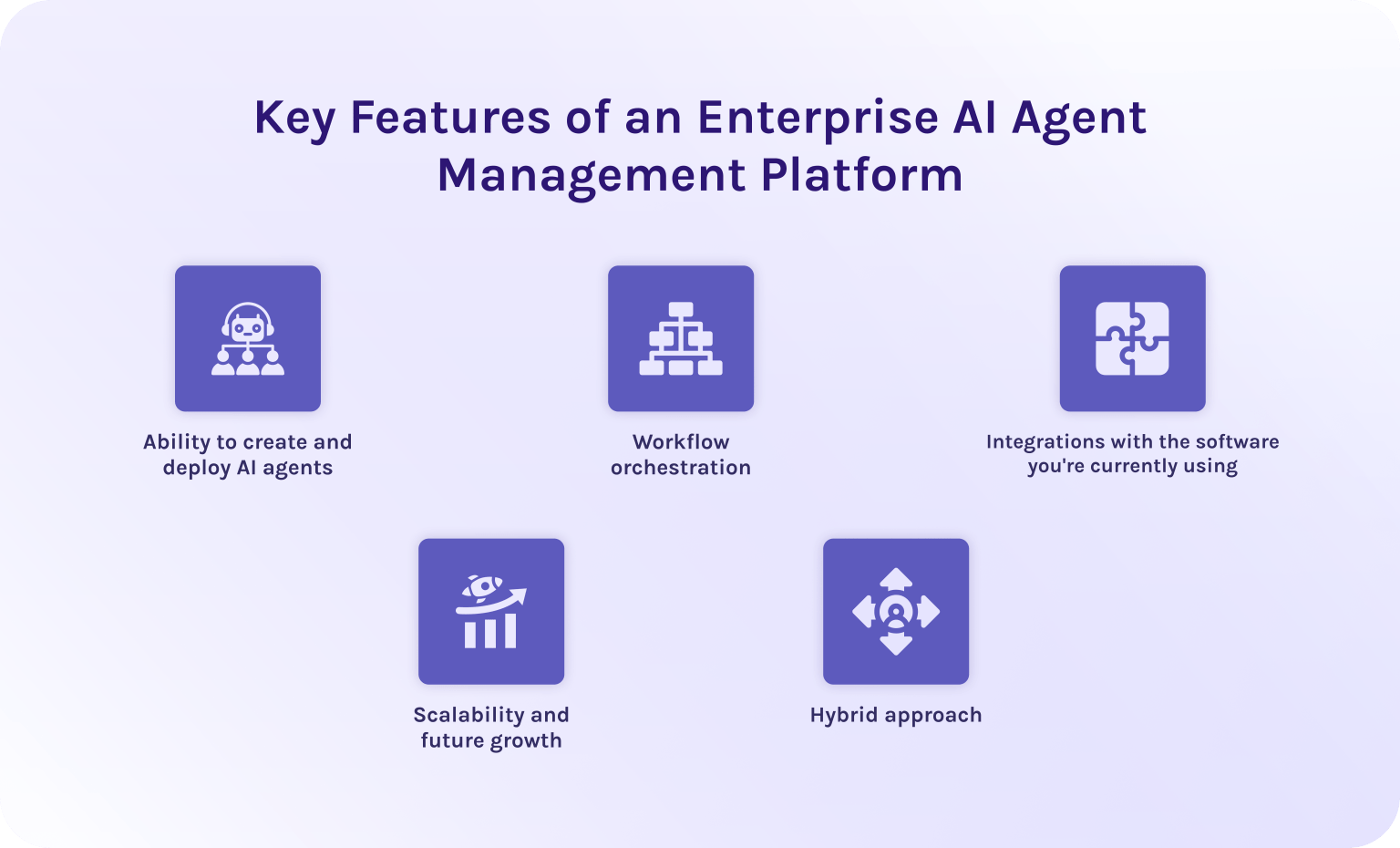
Enterprise infrastructure rarely exists in a single environment. Most organizations operate hybrid models combining on-premises servers with multi-cloud providers such as Amazon Web Services, Microsoft Azure, and Google Cloud Platform. Platforms entering this space typically offer flexible deployment options, allowing system administrators to run core processing nodes locally or within secure virtual private clouds to comply with regional data residency laws and industry-specific compliance mandates.
Comparative Evaluation of Enterprise Data AI Solutions
To understand the positioning of emerging tools within the enterprise software market, organizations frequently evaluate them against traditional data discovery and business intelligence tools. The following table outlines key operational differences between legacy business intelligence suites, cloud data warehouses, and modern AI-driven data platforms.
| Evaluation Metric | Legacy Business Intelligence (BI) | Cloud Data Warehouses | Modern AI Data Platforms |
|---|---|---|---|
| Primary Interface | Dashboards, charts, and structured reports | SQL queries and programmatic APIs | Natural language chat, semantic search, and automated briefs |
| Data Type Support | Primarily structured tabular data | Structured and semi-structured data | Multi-modal: text, audio, video, documents, and code |
| User Barrier to Entry | High (requires SQL or dashboard training) | Very High (requires specialized data engineering skills) | Low (accessible to non-technical business users) |
| Insight Generation | Descriptive (what happened) | Diagnostic (why it happened) | Predictive and Prescriptive (what to do next) |
| Setup Complexity | Months of data modeling and ETL pipeline building | Extensive schema design and data cleansing | Automated ingestion connectors and vector indexing |
Implementation Prerequisites and Operational Considerations
Integrating a sophisticated artificial intelligence layer into an established enterprise data architecture is a methodical undertaking that requires careful planning across multiple departments, including IT, legal, and operational leadership. Organizations must satisfy several technical and administrative prerequisites before launching a pilot program.
- Data Audit and Quality Assessment: Before connecting any artificial intelligence platform, data engineers must catalog existing repositories, remove redundant files, and identify obsolete documents that could pollute the semantic index with inaccurate information.
- API and Connector Readiness: Verify that current enterprise software stacks—such as enterprise resource planning, document management, and communication tools—expose secure APIs or support native connectors required by the intelligence platform.
- Compliance and Privacy Frameworks: Establish clear policies regarding data residency, encryption standards, and third-party data processing agreements to satisfy regulatory bodies and internal security boards.
- Change Management and User Training: Develop internal documentation and training sessions to guide employees on effective prompt engineering, output verification, and ethical AI utilization within daily workflows.
Common Challenges and Mitigation Strategies
While the operational benefits of deploying an AI platform for enterprise data are substantial, organizations frequently encounter predictable hurdles during deployment and scaling phases.
The most common issue involves "hallucinations"—instances where a language model generates plausible-sounding but factually incorrect information based on ambiguous source data. To mitigate this risk, technical teams configure platforms to utilize strict retrieval-augmented generation techniques, forcing the model to cite exact document sources, page numbers, and timestamps for every generated claim. If a source cannot be verified, the system is programmed to acknowledge its limitation rather than invent an answer.
Another persistent challenge is API rate limiting and ingestion latency. Massive enterprises accumulating terabytes of daily logs can overwhelm initial indexing pipelines. System administrators resolve this by implementing phased rollouts, beginning with single departments—such as customer support or legal compliance—before scaling the platform across the entire global organization.
Frequently Asked Questions
What types of data can modern enterprise AI platforms process?
Modern platforms process a wide variety of multi-modal data formats. This includes structured databases, semi-structured logs (JSON, CSV), unstructured documents (PDFs, Word files, presentations), internal communication transcripts, and multimedia assets, provided the platform includes specialized transcription and optical character recognition modules.
How do these platforms protect sensitive corporate information?
Security is managed through enterprise-grade encryption at rest and in transit, private tenant isolation, and strict adherence to role-based access controls inherited from source systems. Many platforms also offer zero-retention policies with foundational model providers to ensure proprietary corporate data is never used to train public models.
Is specialized programming knowledge required to use these platforms?
No. The primary advantage of modern enterprise AI tools is their natural language interface. Business users, analysts, and executives can interact with the system using conversational queries, similar to interacting with an advanced research assistant.
How long does a typical enterprise deployment take?
Deployment timelines vary significantly based on data volume and infrastructure complexity. A limited departmental pilot can take between two to six weeks, while a comprehensive, enterprise-wide integration spanning multiple global cloud environments often requires three to six months of planning, testing, and security auditing.
What are the primary cost factors associated with these platforms?
Pricing models typically account for total data volume stored and indexed, monthly active user counts, API call frequency, and deployment architecture requirements (whether utilizing managed cloud services or dedicated private infrastructure).
Conclusion and Strategic Next Steps
Adopting an AI platform for enterprise data represents a fundamental shift from passive data storage to active operational intelligence. By breaking down internal silos and allowing natural language access to complex document repositories, organizations can accelerate decision-making and uncover hidden operational efficiencies. Enterprise leaders interested in exploring these solutions should begin by conducting a comprehensive internal data audit, defining clear use cases within specific high-friction departments, and engaging platform vendors for secure, closed-environment proof-of-concept trials.
Image Gallery