Understanding New York Outbreaks and Cooling Tower Shutdown Protocols
When public health officials identify an outbreak of Legionnaires' disease linked to building infrastructure, emergency cooling tower shutdowns and mandatory testing protocols are implemented immediately to trace the source, halt bacte...
When public health officials identify an outbreak of Legionnaires' disease linked to building infrastructure, emergency cooling tower shutdowns and mandatory testing protocols are implemented immediately to trace the source, halt bacterial proliferation, and protect vulnerable urban populations.
Contents
The Intersection of Public Health and Urban Infrastructure
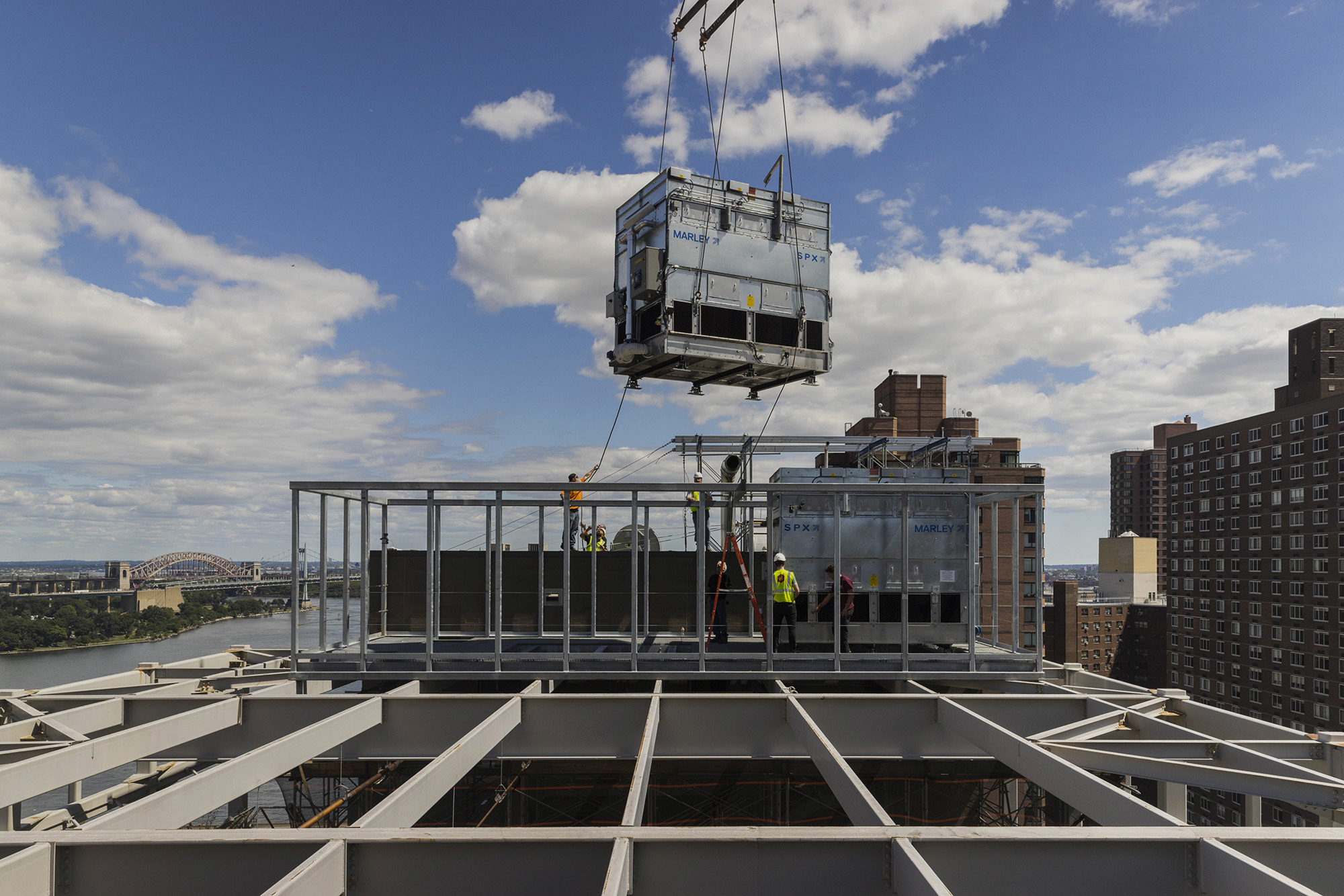
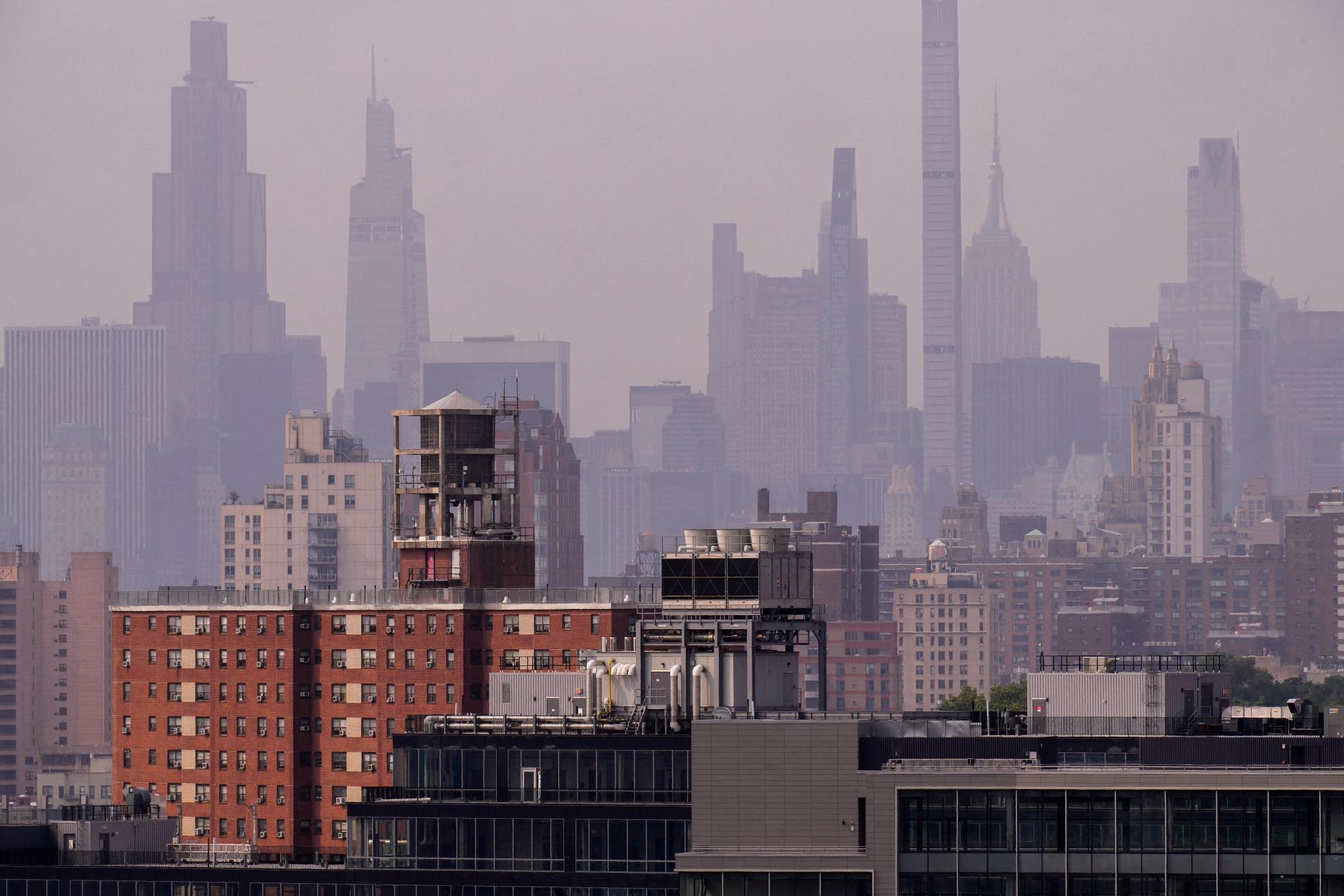
Urban centers like New York City rely heavily on complex commercial heating, ventilation, and air conditioning (HVAC) systems to maintain indoor climate control for skyscrapers, hospitals, and residential towers. At the heart of many large-scale HVAC configurations lies the cooling tower—a specialized heat exchanger that rejects waste heat into the atmosphere through the evaporation of water. While essential for modern architecture, these large water-releasing systems create environmental conditions that can foster the rapid growth of Legionella bacteria if not meticulously managed and chemically treated.
When epidemiological tracking traces a cluster of Legionnaires' disease cases to a specific geographic neighborhood, municipal health departments swing into action. The resulting intervention typically involves a coordinated response between public health investigators, environmental engineers, and building operators. Understanding why these outbreaks occur, how cooling towers are implicated, and what protocols govern emergency shutdowns is critical for commercial property managers, public health advocates, and urban residents alike.
The Biology and Mechanism of Legionella Proliferation
Legionella is a genus of pathogenic gram-negative bacteria, including the species Legionella pneumophila, which is responsible for the severe form of pneumonia known as Legionnaires' disease. These bacteria are naturally occurring freshwater inhabitants found in lakes, rivers, and streams, typically in low concentrations that pose little threat to human health. However, artificial water systems—particularly large cooling towers, evaporative condensers, decorative fountains, and complex potable plumbing networks—provide an ideal incubator for the organism.
Several environmental factors accelerate the colonization and multiplication of Legionella within cooling tower basins:
- Water Temperature: The bacteria thrive in warm water environments, multiplying rapidly within a temperature range of 20°C to 50°C (68°F to 122°F), with optimal growth occurring between 35°C and 46°C (95°F to 115°F).
- Scale and Sediment: Accumulations of rust, scale, mud, and organic slime inside the basin or piping provide nutrients and shelter for the bacteria, protecting them from standard water treatment chemicals.
- Biofilms: Microorganisms often form biofilms on internal surfaces. Within these protective matrices, Legionella can proliferate undisturbed by routine biocide applications.
- Aerosol Generation: Cooling towers operate by spraying warm water through the air to cool it down, generating a fine mist or aerosol that can carry microscopic droplets containing the bacteria into the surrounding outdoor atmosphere.
Infection occurs exclusively through the inhalation of these water droplets or mists containing Legionella. The disease is not transmitted from person to person, nor does it spread by drinking contaminated water. Once inhaled, the bacteria reach the lungs, where they can cause severe respiratory illness, particularly in individuals over the age of fifty, smokers, and those with compromised immune systems or chronic underlying medical conditions.
| Environmental Factor | Condition Fostering Legionella Growth | Preventive Engineering Control |
|---|---|---|
| Water Temperature | 20°C to 50°C (68°F to 122°F) | Maintain temperatures outside optimal range; install insulation |
| Scale & Corrosion | Mineral buildup and surface oxidation | Regular acid cleaning and corrosion inhibitor dosing |
| Biological Slime | Accumulated organic matter and algae | Continuous or slug dosing of approved oxidizing biocides |
| Aerosol Drift | Uncontrolled water droplet escape | Installation of high-efficiency drift eliminators |
Regulatory Framework and Mandatory Registration in New York
In response to historical outbreaks—most notably a significant outbreak in the South Bronx that sickened over 100 people and resulted in multiple fatalities—New York State and New York City enacted some of the strictest cooling tower regulations in the United States. These regulations fundamentally shifted the responsibility of cooling tower maintenance from an optional best practice to a heavily scrutinized legal mandate.
Under New York City Local Law 77 and corresponding New York State Department of Health regulations, building owners are subject to rigorous compliance requirements:
- Mandatory Registration: All cooling towers operating within the jurisdiction must be registered in a centralized state and municipal database before initial operation. Owners must report the exact geographic location, equipment specifications, and operational status.
- Maintenance Programs: Owners are legally required to develop and implement a comprehensive Maintenance Program and Plan (MPP). This document must be prepared by a qualified person, such as a certified industrial hygienist or a professional engineer, and must outline detailed procedures for cleaning, disinfection, and routine water quality testing.
- Routine Sampling and Testing: Building operators must collect water samples at specified intervals—typically every 30 to 90 days depending on the season—and send them to an environmental laboratory certified by the New York State Environmental Laboratory Approval Program (ELAP) for Legionella culture testing.
- Immediate Reporting Thresholds: If laboratory results indicate elevated concentrations of Legionella bacteria (exceeding specific colony-forming units per milliliter thresholds defined by law), the building owner and the testing laboratory must immediately notify public health authorities and initiate corrective disinfection actions.
Emergency Investigation and Cooling Tower Shutdown Protocols
When epidemiological mapping reveals a cluster of Legionnaires' disease cases in a specific zip code or neighborhood, the New York City Department of Health and Mental Hygiene (DOHMH) initiates an environmental investigation. Public health investigators conduct interviews with confirmed patients to map their movements and exposures during the two-week incubation period, seeking common geographic intersections.
If multiple patients report visiting or living near a specific block, environmental engineers inspect all registered cooling towers in that localized radius. When an investigation points toward a specific suspect facility, or when routine testing reveals dangerously high bacterial loads, health authorities issue direct orders or coordinate voluntary actions resulting in a cooling tower shutdown and remediation.
The shutdown and remediation process involves several strict engineering steps designed to eliminate the bacterial hazard without causing secondary environmental or public health risks:
- Isolation and Disconnection: The cooling tower system is isolated from the building's broader HVAC operation, or the entire mechanical system is powered down to prevent any further aerosol generation.
- Hyperchlorination (Shock Treatment): High concentrations of chlorine or other approved oxidizing biocides are injected into the cooling tower water. The system is circulated for a specified duration to penetrate biofilms and kill viable bacteria throughout the basin, piping, and fill media.
- Draining and Mechanical Cleaning: Once the chemical shock treatment is complete, the system is completely drained. Technicians physically enter the basin to scrub away sediment, scale, biological slime, and debris.
- Post-Cleaning Disinfection and Verification: The tower is refilled with clean water, treated with a secondary biocide dose, and re-tested. Only after a certified laboratory confirms that Legionella concentrations have dropped below regulatory action limits are building operators permitted to restart the equipment.
Public Health Impacts and Community Communication
The discovery of a Legionnaires' disease outbreak naturally generates anxiety within affected urban communities. Public health agencies strive to balance transparency with the prevention of undue panic. When a New York outbreak triggers cooling tower shutdowns, health officials issue public advisories detailing the affected neighborhoods, the symptoms of the disease, and guidance for individuals who may have been exposed.
Symptoms typically manifest two to ten days after exposure and include high fever, chills, cough, muscle aches, and shortness of breath. Because Legionnaires' disease presents symptoms similar to other forms of pneumonia, early diagnosis through a urinary antigen test or sputum culture is essential for effective treatment with targeted antibiotics. While most healthy individuals recover fully with timely medical intervention, untreated or delayed diagnoses can lead to severe pulmonary complications, respiratory failure, or mortality, particularly among high-risk populations residing in dense urban environments.
Best Practices for Ongoing Compliance and Risk Mitigation
For building owners, facility managers, and engineering professionals operating in New York, preventing an outbreak requires continuous vigilance and adherence to established operational standards. Relying solely on emergency remediation after an outbreak occurs represents a failure of preventative engineering.
Effective risk mitigation programs incorporate the following operational disciplines:
- Continuous Water Treatment Monitoring: Automated controllers must continuously monitor and adjust pH, conductivity, and biocide residual levels to prevent conditions favorable to bacterial growth.
- Regular Physical Inspections: Routine visual checks of drift eliminators, basin interiors, and distribution decks ensure that mechanical components are intact and free of excessive debris accumulation.
- Rigorous Documentation: Maintaining meticulous logs of all chemical treatments, water test results, inspection reports, and maintenance activities ensures full compliance with municipal audits and provides legal accountability.
- Staff Training: Facility personnel must be fully trained in hazard recognition, safe chemical handling, and emergency response procedures in the event of a mandated shutdown.
Frequently Asked Questions
What is a cooling tower shutdown in the context of a public health outbreak?
A cooling tower shutdown is an emergency or mandated cessation of HVAC cooling tower operations ordered by public health officials or executed by building owners following the detection of high Legionella concentrations or epidemiological links to a Legionnaires' disease cluster. The shutdown stops aerosol generation and allows for thorough chemical disinfection, cleaning, and verification testing before operations resume.
How do health authorities link a New York outbreak to a specific cooling tower?
Public health investigators use epidemiological interviewing to track the movements of confirmed Legionnaires' disease patients during their incubation period. When clustering occurs in a specific geographic area, environmental health officers inspect all registered cooling towers within that radius, review mandatory water test logs, and collect fresh water samples for laboratory analysis to match genetic strains if possible.
Who is most at risk of contracting Legionnaires' disease from a contaminated cooling tower?
Individuals over the age of fifty, current and former cigarette smokers, individuals with chronic lung diseases (such as chronic obstructive pulmonary disease), and people with weakened immune systems due to organ transplants, chemotherapy, or underlying medical conditions face the highest risk of severe illness upon inhaling contaminated aerosols.
What are the legal consequences for building owners who fail to maintain cooling towers in New York?
Building owners who fail to register cooling towers, neglect mandatory water testing intervals, or ignore maintenance plan requirements face substantial municipal fines, violations, and potential orders to cease operations immediately. In cases of severe negligence resulting in public harm, owners may also face legal liability and civil or criminal penalties.
Can residential air conditioning window units or split systems spread Legionnaires' disease?
Standard residential window air conditioning units and ductless mini-split systems do not use evaporative cooling towers and therefore do not circulate large volumes of sprayed water that generate Legionella aerosols. The risk is isolated almost exclusively to large-scale evaporative cooling towers, industrial scrubbers, and complex large-building plumbing systems.
Conclusion and Next Actions
Navigating the complex regulatory landscape of New York cooling tower management requires proactive engineering, strict adherence to municipal reporting standards, and immediate cooperation with health authorities during potential outbreak investigations. Building owners and facility operators must prioritize continuous water treatment, regular ELAP-certified testing, and comprehensive maintenance programs to prevent bacterial proliferation at the source. If managing commercial properties in the region, verify that all cooling tower registrations are current, review existing Maintenance Program and Plans with qualified professionals, and ensure that water quality logs are up to date to maintain regulatory compliance and safeguard public health.
Image Gallery