Why We Don't Talk About Bruno Lyrics Matters: A Deep Dive Into Musical Storytelling and Cultural Impact
"We Don't Talk About Bruno" matters because it revolutionized how Disney constructs complex character dynamics, balancing multiple intersecting character perspectives, rapid-fire exposition, and distinct musical genres into a single, c...
"We Don't Talk About Bruno" matters because it revolutionized how Disney constructs complex character dynamics, balancing multiple intersecting character perspectives, rapid-fire exposition, and distinct musical genres into a single, cohesive Broadway-style ensemble number that drives a multi-layered narrative forward.
Contents
Released as part of Walt Disney Animation Studios' 60th feature film, Encanto (2021), and written by Lin-Manuel Miranda, the track achieved historic commercial success, becoming the highest-charting Billboard Hot 100 song for a Disney animated film in decades. Beyond its catchy syncopation and Latin-infused rhythms, the song serves as a masterclass in narrative efficiency. It establishes the central conflict of the Madrigal family, outlines local folklore, and develops individual character motivations—all without the aid of a traditional villain song or expositional monologue.
The Narrative Function: Exposition Through Gossip
In traditional musical theater and cinematic storytelling, exposition can often feel heavy-handed, halting the plot to deliver necessary backstory. "We Don't Talk About Bruno" bypasses this pitfall by turning exposition into communal gossip. The characters on screen are not speaking directly to the audience; they are trading rumors, expressing collective anxiety, and reinforcing the social taboos established by the family matriarch, Alma.
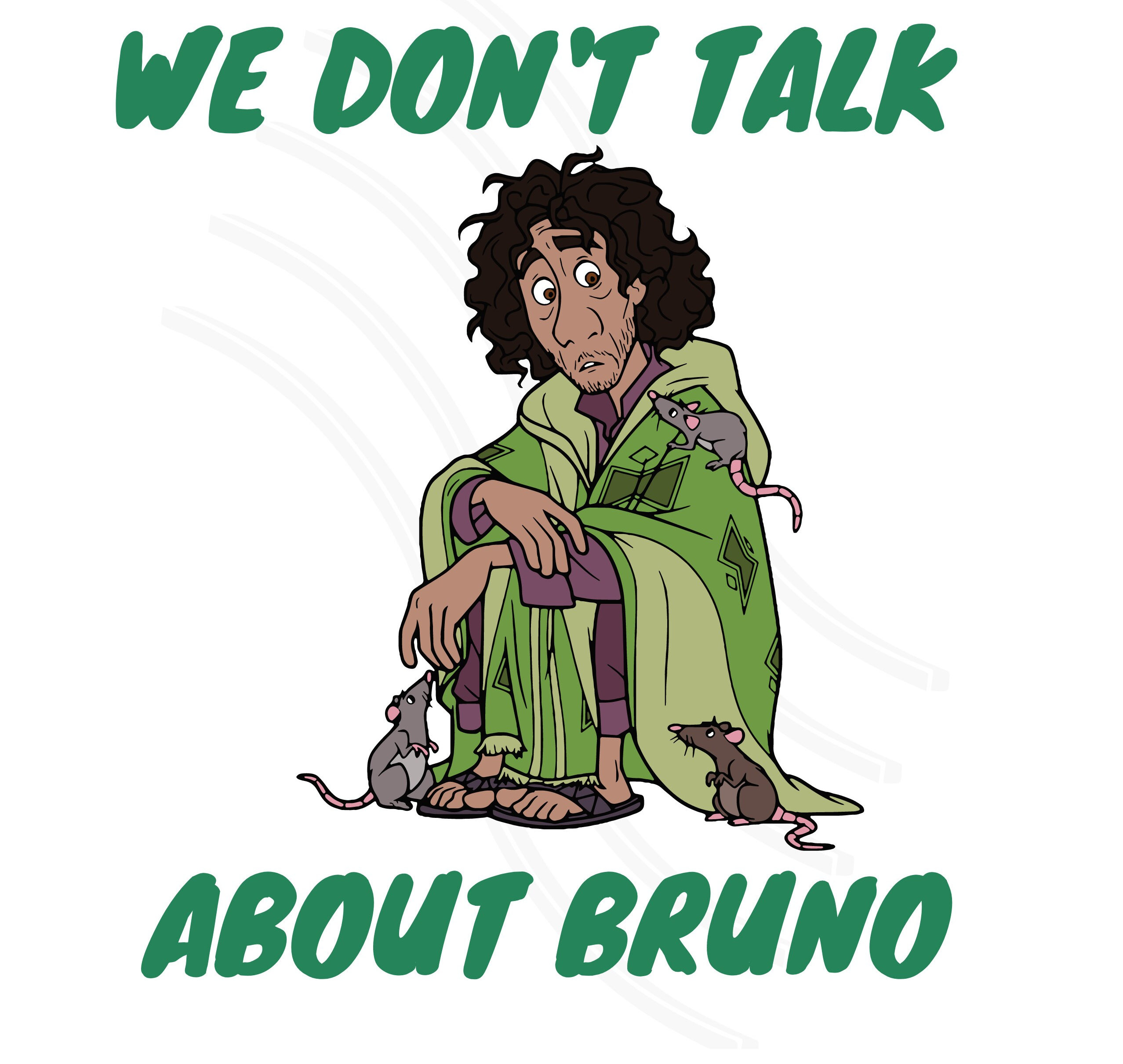
Every verse represents a different perspective on Bruno, the estranged uncle blessed with the curse of prophetic vision. By fragmenting the narrative across multiple family members and townspeople, Miranda constructs a shifting mosaic of truth, superstition, and fear:
- Pepa and Fuego's Wedding: Pepa remembers Bruno's ambiguous, rain-inducing prophecies that ruined her wedding day, establishing how his gifts physically disrupt domestic stability.
- Dolores’s Acoustic Espionage: Dolores hears Bruno’s mumblings through the walls, noting that his presence feels ever-present and haunting, anchoring the family home with literal auditory anxiety.
- The Townspeople’s Superstitions: Minor characters chime in with exaggerated folkloric accounts—stutters, weight gain, and tragic accidents—demonstrating how community hearsay distorts reality over time.
- Camilo’s Shapeshifting Satire: Camilo uses his transformation abilities to amplify the town's worst fears, turning Bruno into a theatrical bogeyman designed to frighten younger generations.
This multi-perspective approach matters because it mirrors how real-world communities marginalize individuals who do not fit societal expectations. The lyrics demonstrate how collective anxiety transmutes minor quirks into terrifying legends.
Lyrical Structure and Musical Layering
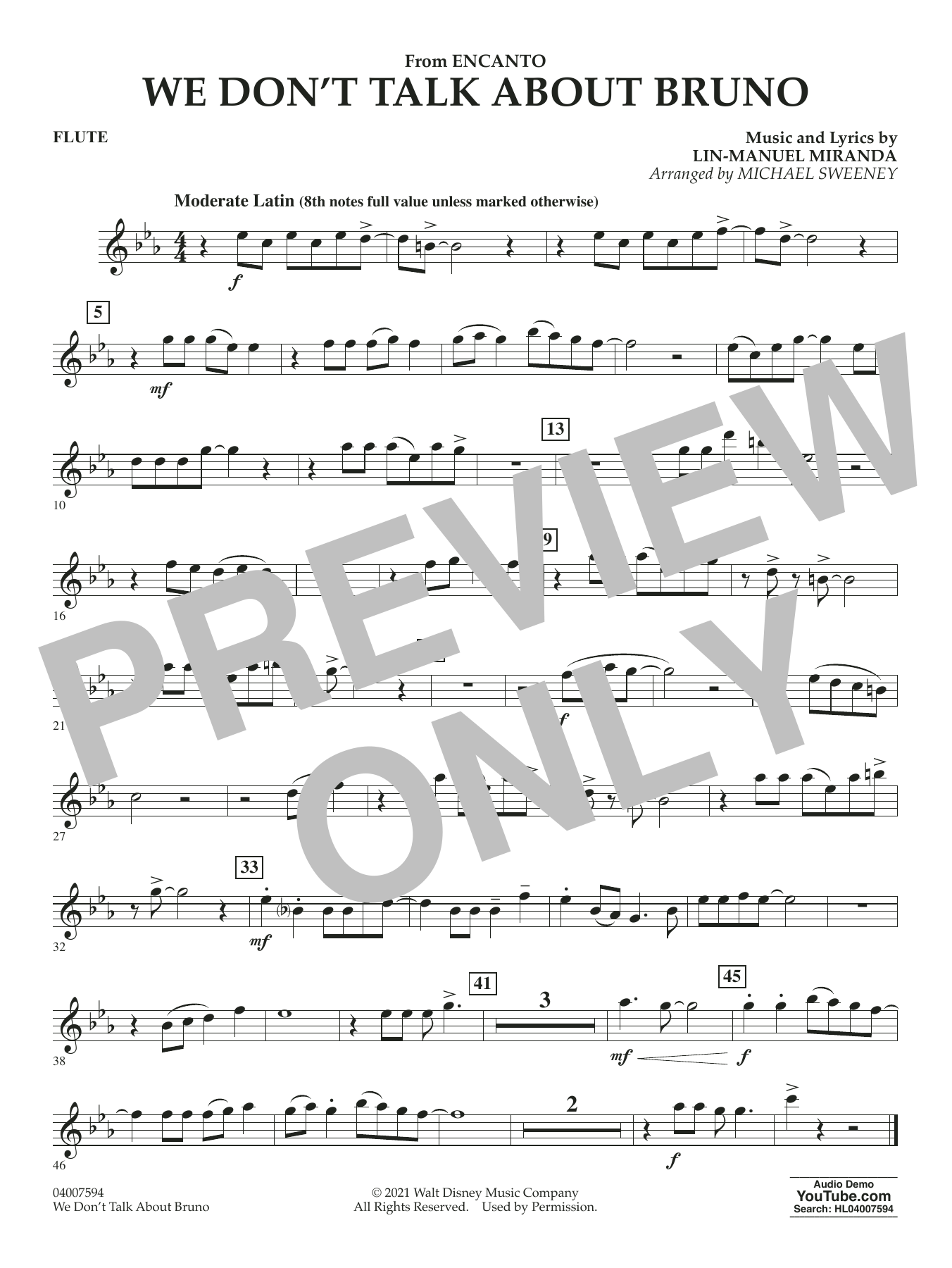
Musically and lyrically, the song succeeds because it relies on polyphony—multiple independent melodies and vocal lines occurring simultaneously during the climax. Rather than having characters sing in standard call-and-response verses, Miranda stacks individual character themes on top of one another.
The Intersecting Vocal Threads
| Character / Group | Musical Style / Tempo | Lyrical Focus | Narrative Function |
|---|---|---|---|
| Pepa & Félix | Guajira / Fast-paced | Wedding disaster, weather disruption | Establishes the tangible domestic chaos caused by Bruno's premonitions. |
| Dolores | Soft, conversational pop | Murmurs, whispers, floorboards | Highlights the inescapable paranoia and claustrophobia within the Casita. |
| Camilo | Dramatic, theatrical cabaret | Terrifying physical descriptions, glowing eyes | Exaggerates public fear into urban legend for comedic and dramatic effect. |
| Mirabel | Curious, questioning pop | Seeking truth, defending her uncle | Acts as the audience surrogate attempting to untangle fact from fiction. |
| Climax (Ensemble) | Full polyphonic convergence | Overlapping past grievances and warnings | Demonstrates emotional overload, weaving all thematic threads into a chaotic finale. |
This structural complexity requires precise lyrical economy. Every line must rhyme, advance the rhythm of the specific genre, and remain intelligible when layered against three other vocal tracks. The climax succeeds because listeners can hear Dolores whispering her secret crush alongside Camilo's booming theatrical warnings and Mirabel's defensive interjections, all underpinned by a relentless Cuban guajira groove.
Subverting the Disney Trope: The Anti-Villain Dynamic
Historically, Disney animated musicals relied heavily on a designated villain song to explain an antagonist's wicked motivations. Think of "Poor Unfortunate Souls" in The Little Mermaid or "Be Prepared" in The Lion King. These songs explicitly signal who the audience should fear.
"We Don't Talk About Bruno" subverts this trope entirely. Bruno is not the villain of Encanto. In fact, as the narrative unfolds, the audience discovers that Bruno is a gentle, protective eccentric who exiled himself to protect his niece, Mirabel, from public condemnation.
The lyrics matter because they highlight the movie's deeper thematic exploration of generational trauma and emotional repression. The family does not talk about Bruno because acknowledging him means confronting the family's harsh expectations around perfection and utility. In the Madrigal household, gifts are equated with worth. Bruno’s gift—seeing tragic or inconvenient futures—offered no practical utility that Alma could harness for community prestige, so he was systematically erased from daily conversation. The song is a lyrical manifestation of institutionalized denial.
Cultural Resonance and Latin Musical Infusions
Beyond its storytelling mechanics, the cultural construction of the lyrics and rhythm anchors the film in specific Colombian musical traditions, even as it blends them with contemporary Broadway sensibilities.
The track utilizes a 6/8 syncopated rhythm common in Colombian cumbia and mapalé, blended with Cuban guajira elements. This stylistic choice creates an infectious momentum that contrasts sharply with the somber, fearful nature of the lyrics. The juxtaposition of a danceable, upbeat tempo with lyrics about trauma, ruined weddings, and existential dread creates a brilliant dramatic irony. It forces the characters—and the audience—to dance through their anxiety, echoing the film's overarching metaphor of putting on a brave face for the community while internalizing pain.
Frequently Asked Questions
Why is "We Don't Talk About Bruno" so catchy?
The song achieves its earworm status through a combination of syncopated rhythms, repetitive vocal motifs, and a rapidly escalating tempo. Lin-Manuel Miranda utilized short, punchy phrases and distinct melodic hooks for each character, making it easy for listeners to latch onto different parts of the polyphonic arrangement during repeated listenings.
Is Bruno actually the villain of Encanto?
No, Bruno is not a villain. While the townspeople and his family initially sing about him as a harbinger of doom, the narrative reveals that he is deeply empathetic, self-sacrificing, and misunderstood. He hid inside the walls of the magical house (the Casita) for years just to remain close to his family without bringing them further shame.
What musical genres influence the song?
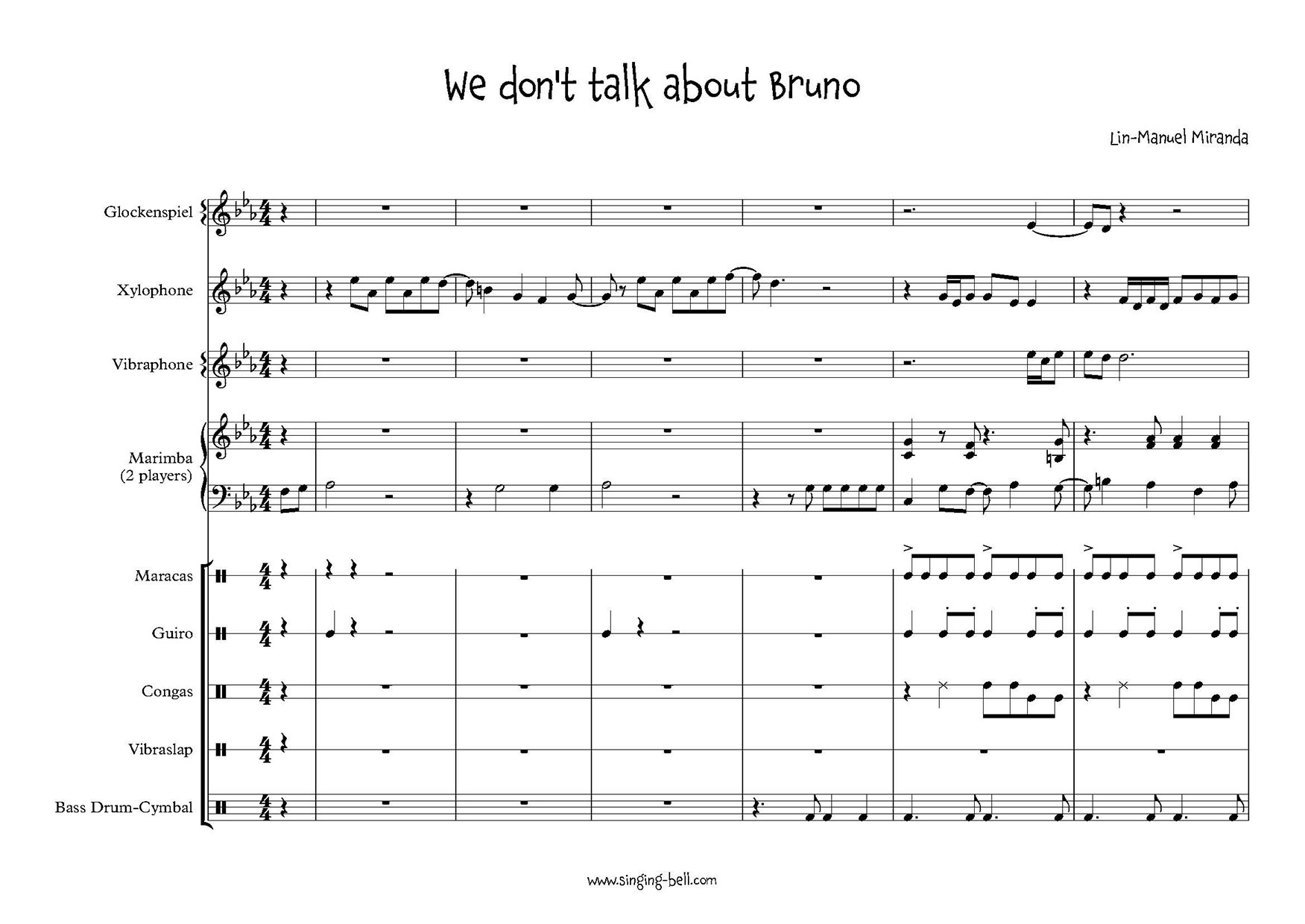
The track draws heavily from Latin musical traditions, primarily Cuban guajira and Colombian rhythms. It features traditional instrumentation like the guiro, congas, and acoustic guitars, blended seamlessly with modern Broadway ensemble-style vocal layering.
Why do the characters refuse to say his name?
The taboo around Bruno stems from his ability to foresee negative events, which his mother, Alma, and the wider community blamed him for causing. By refusing to speak his name, the family attempts to suppress uncomfortable truths and maintain an illusion of flawless perfection within their magical community.
Practical Takeaways for Writers and Creators
For writers, musicians, and storytellers analyzing the cultural phenomenon of "We Don't Talk About Bruno," the song offers vital lessons in craft:
- Show, Don't Tell (Through Ensemble): Instead of having a single narrator explain backstory, distribute exposition across multiple characters with conflicting biases to create immediate dramatic tension.
- Juxtapose Tone and Content: Pair heavy, anxious subject matter with upbeat, infectious rhythms to create emotional complexity that lingers in the listener's mind.
- Establish Subtext Early: Use recurring motifs and social taboos within dialogue and lyrics to hint at deeper systemic issues before the main plot twist is revealed.
By mastering these techniques, Miranda transformed a simple character-introduction song into a cultural touchstone that proves musical theater can be both structurally sophisticated and globally accessible.
Image Gallery