The Rise of Michael Newman in Lifeguarding: A Comprehensive Evolution
The rise of Michael Newman in lifeguarding represents a fascinating intersection of cinematic pop culture and real-world water safety operations, highlighting how television representation intersects with the rigorous standards of mode...
The rise of Michael Newman in lifeguarding represents a fascinating intersection of cinematic pop culture and real-world water safety operations, highlighting how television representation intersects with the rigorous standards of modern aquatic rescue and professional ocean life-saving history.
Contents
Introduction: Disambiguation and Cultural Impact
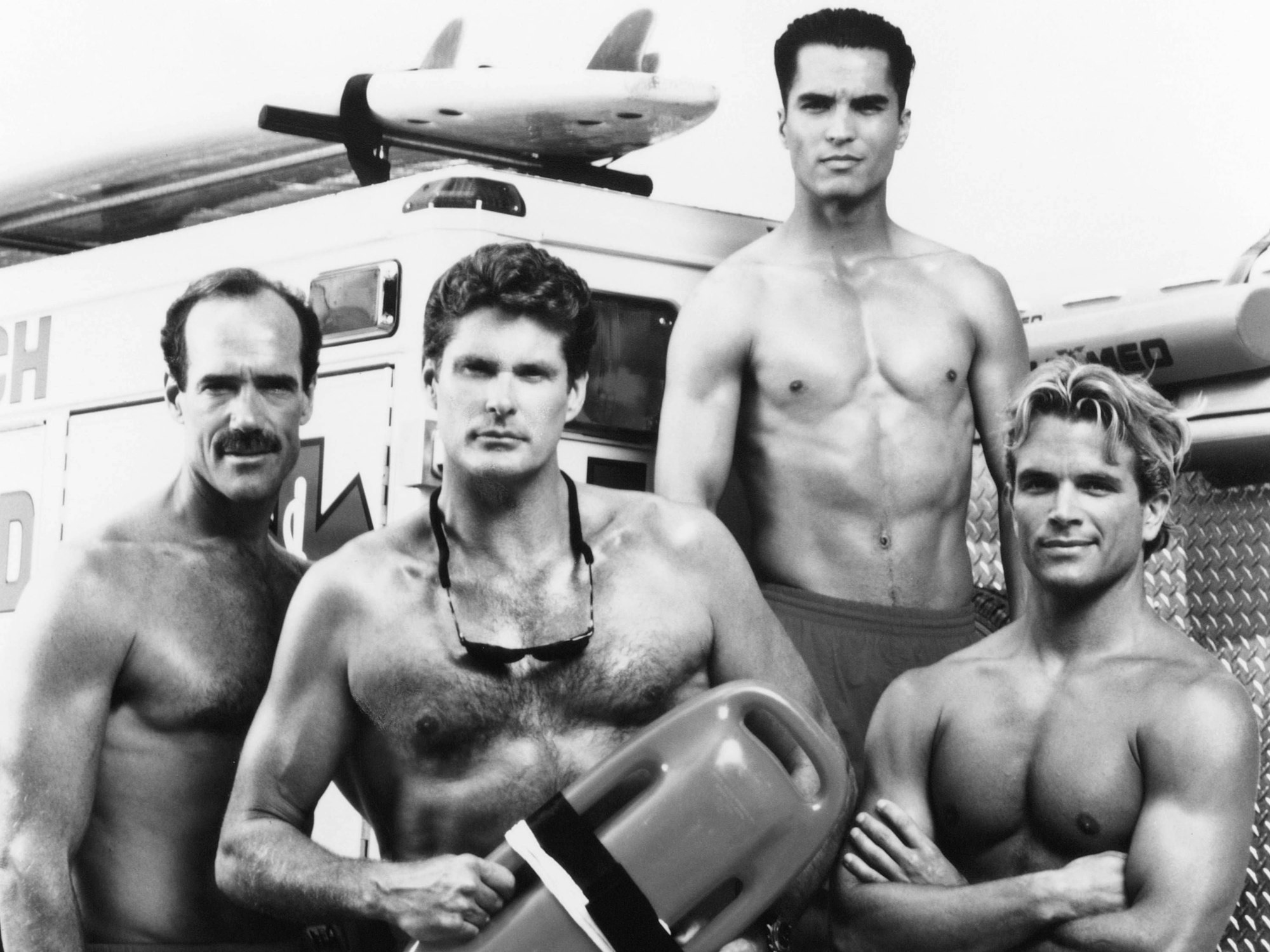
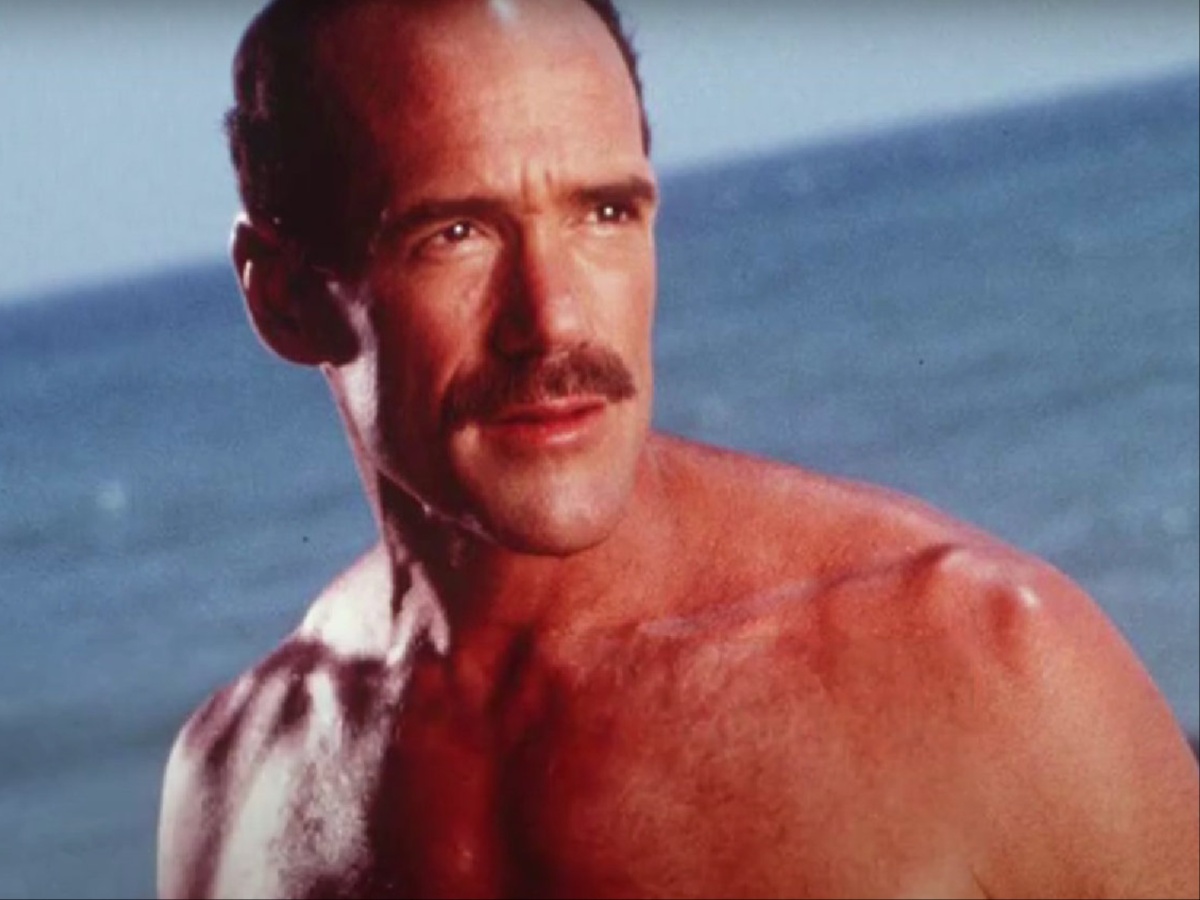
When examining the rise of Michael Newman in lifeguarding, it is essential to distinguish between the fictional portrayal that captured global attention and the genuine operational evolution of professional ocean lifeguarding. While millions recognize the name "Michael Newmann" (often spelled Newman) as the veteran, salt-of-the-earth lifeguard featured on the iconic 1990s television series Baywatch, the name also carries weight within the real-world beach safety community.
This article explores the trajectory of this cultural touchstone, examining how television fiction shaped public perception of water rescue, the rigorous physical standards required of ocean lifeguards during that era, and the lasting legacy of cinematic rescue protocols on contemporary aquatic safety education.
The Historical Context of 1990s Ocean Lifeguarding
To understand the cultural phenomenon surrounding figures like Michael Newman, one must look back at the state of ocean lifeguarding in Southern California during the late 20th century. Beaches in Los Angeles County and surrounding municipalities experienced unprecedented visitor numbers, placing heavy demands on local emergency services.
Professional ocean lifeguarding evolved from informal groups of local surfers and harbor workers into highly organized, civil service safety divisions. The physical demands placed on these professionals were—and remain—extraordinary. Before stepping onto the sand, candidates had to pass grueling physical competency tests.
Standard Physical Prerequisites for Ocean Lifeguards
- Open-Water Swimming: The ability to swim 500 meters in heavy surf within a strict time limit (typically under 10 minutes).
- Run-Swim-Run Tests: Continuous trials combining long-distance running on soft sand with aggressive open-water swimming.
- First Aid and Medical Certification: Mandatory training in CPR, Automated External Defibrillators (AEDs), and advanced trauma management.
- Local Hazard Knowledge: Deep familiarity with local marine geography, including rip currents, underwater reefs, tidal shifts, and local marine life hazards.
Television Representation Versus Operational Reality
The television medium played a monumental role in broadcasting the lifestyle and responsibilities of ocean lifeguards to a global audience. Through shows like Baywatch, the daily operations of beach safety personnel were dramatized, blending high-stakes rescues with serial storytelling.
While the television format naturally exaggerated the frequency of dramatic crises for entertainment value, it accurately reflected several core tenets of professional ocean rescue:
- The Buddy System: Rescues in open water are rarely performed alone; coordination between tower guards and mobile units is vital.
- Specialized Rescue Equipment: The heavy reliance on the rescue tube, rescue boards, and fins as primary tools for breaking through heavy surf.
- Preventative Lifeguarding: Emphasizing that the best rescue is the one that never has to happen, achieved through proactive warnings and hazard flagging.
Comparison of Real-World Lifeguarding Eras
The practice of professional ocean rescue has undergone significant technological and organizational changes over the decades. The table below outlines the operational shifts from the era popularized in media to contemporary 2026 standards.
| Operational Element | 1990s Era Practice | Modern Standards (2026) |
|---|---|---|
| Primary Communication | Two-way radios, manual tower flags, whistles | Encrypted digital radios, GPS tracking, drone surveillance |
| Medical Intervention | Standard first aid, basic oxygen administration | Advanced airway management, automated medical telemetry |
| Physical Training | Traditional calisthenics and endurance drills | Data-driven physiological monitoring, cross-training protocols |
| Public Education | Pamphlets, verbal warnings on the sand | Multi-channel digital apps, automated SMS alerts for rip currents |
The Legacy of Media on Modern Aquatic Careers
The romanticized portrayal of lifeguarding in popular media inadvertently created a massive surge in interest for professional aquatic safety careers. Thousands of young athletes were inspired to pursue junior lifeguard programs, learn cardiopulmonary resuscitation, and seek employment with municipal park and recreation departments.
Furthermore, this cultural visibility helped elevate the status of lifeguards from seasonal beach attendants to specialized public safety officers. Modern aquatic safety divisions require continuous professional development, ongoing psychological stress management training, and rigorous recertification cycles.
Frequently Asked Questions
What made the character of Michael Newman unique on television?
Unlike many of the fictional characters on Baywatch, Michael Newman was played by a real-life Los Angeles County lifeguard, Michael Newman, who worked behind the scenes as a technical advisor and stunt coordinator before taking on a prominent on-screen role. This authenticity brought a measure of real-world rescue technique to the series.
What are the primary qualifications required to become an ocean lifeguard today?
Candidates must possess advanced swimming endurance, strong ocean awareness (including rip current identification), CPR/AED certifications, and emergency medical responder qualifications. Municipalities also require rigorous background checks and continuous physical fitness testing.
How has technology changed ocean rescue operations since the 1990s?
While foundational tools like the rescue tube remain unchanged, modern operations utilize unmanned aerial drones for shark spotting and swimmer tracking, high-speed jet skis for heavy surf extractions, and digital communication networks that streamline multi-agency emergency responses.
Is lifeguarding considered an emergency medical service?
Yes. Modern ocean lifeguards act as first responders, often providing the initial trauma care, spinal immobilization, and oxygen therapy before municipal paramedics arrive on the scene.
How can aspiring lifeguards prepare for physical tests?
Preparation requires consistent multi-sport training, focusing heavily on long-distance freestyle swimming in open-water conditions, cardiovascular endurance running on sand, and strength conditioning tailored to resisting heavy wave action.
Next Actions for Aspiring Aquatic Professionals
Individuals looking to enter the field of professional aquatic safety should begin by contacting local municipal beach departments or state parks agencies to review specific recruitment windows and prerequisite testing dates. Enrolling in advanced swimming clinics, obtaining professional-level CPR and First Aid certifications, and participating in local ocean safety workshops provide a strong foundation for a successful career in water rescue.
Image Gallery