Mastering Compensation Communication in the Workplace
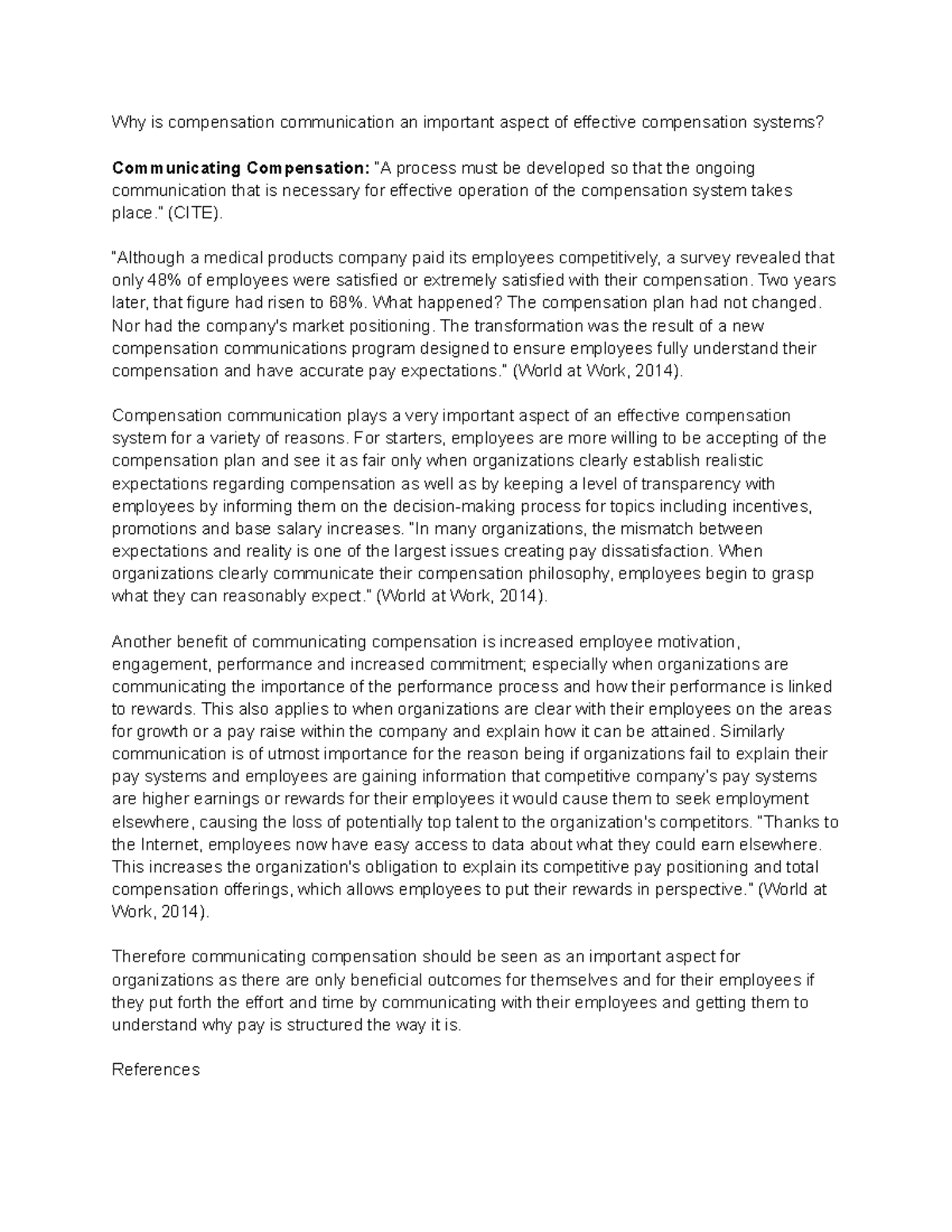
Effective compensation communication bridges the gap between organizational financial strategy and employee trust, ensuring that staff understand the true value of their total rewards package. Transparent discussions about base pay, bo...
Effective compensation communication bridges the gap between organizational financial strategy and employee trust, ensuring that staff understand the true value of their total rewards package. Transparent discussions about base pay, bonuses, benefits, and equity foster engagement, reduce voluntary turnover, and align individual performance with corporate objectives.
Contents
The Strategic Importance of Total Rewards Transparency
Total rewards encompass far more than a bi-weekly paycheck. They represent an intricate ecosystem of base salary, performance incentives, health benefits, retirement contributions, wellness stipends, and professional development opportunities. When organizations fail to communicate the comprehensive value of these elements, employees often underestimate their compensation, leading to disengagement and unwarranted attrition.
Modern human resources frameworks increasingly emphasize total reward statements. These documents aggregate every dollar an employer invests in an individual staff member, reframing the employer-employee relationship from a transactional wage agreement to a partnership. Clear messaging helps organizations stand out in competitive labor markets, satisfies emerging pay transparency regulations, and builds a culture of psychological safety where employees feel valued for their contributions.
Furthermore, strategic transparency mitigates internal friction regarding wage equity. When staff members understand the objective benchmarks, market data, and performance metrics that drive pay decisions, they are less likely to perceive compensation outcomes as arbitrary or biased. This foundational trust is essential for maintaining morale during economic downturns or periods of restructuring.
Core Components of an Effective Pay Discussion
Navigating a compensation conversation requires preparation, emotional intelligence, and structural clarity. Whether managers are onboarding new hires, delivering annual merit increases, or responding to an employee's raise request, specific structural components must be addressed to ensure clarity.
| Conversation Phase | Primary Objective |
|---|---|
| Preparation & Data | Review market benchmarks and performance metrics |
| The Value Delivery | Outline base pay, incentives, and total rewards |
| Context & Benchmarking | Explain how external market data shapes ranges |
| Dialogue & Feedback | Listen to employee perspectives and aspirations |
| Actionable Next Steps | Establish clear developmental or fiscal targets |
1. Establishing Context and Market Data
Compensation conversations should never happen in a vacuum. Leaders must ground discussions in objective market reality by referencing reliable compensation surveys, industry benchmarks, and internal leveling guides. Explaining why a pay band exists demonstrates that the organization relies on systemic criteria rather than subjective whims.
2. Linking Performance to Pay
Employees need a crystal-clear understanding of the nexus between their daily output and financial rewards. If merit increases or variable bonuses are tied to specific key performance indicators (KPIs), managers must review those metrics transparently. Ambiguity in performance evaluations directly translates to dissatisfaction with compensation outcomes.
3. Active Listening and Empathy
Compensation is deeply personal; it touches on an individual’s sense of self-worth, security, and social status. Managers must balance institutional fiscal constraints with genuine empathy, creating a safe space for employees to express concerns, ask clarifying questions, and outline their professional aspirations without fear of retaliation.
Navigating Pay Transparency Regulations and Compliance
The landscape of workplace communication has fundamentally shifted due to legislative mandates requiring pay transparency. Numerous jurisdictions now mandate the inclusion of salary ranges in job postings, while others require employers to provide internal pay scales upon request. This regulatory evolution forces organizations to transition from secretive compensation practices to open, defensible communication models.
Preparing for Legislative Shifts
Compliance requires more than simply adding salary figures to job descriptions. Organizations must audit existing internal compensation structures to identify and rectify unexplained pay disparities across gender, race, and tenure. HR departments must train hiring managers and team leads to discuss these salary bands consistently and accurately, avoiding off-the-cuff estimates that could create legal liabilities or breach internal equity standards.
Communicating Pay Ranges Internally
When rolling out internal pay bands, organizations often encounter questions from tenured staff who discover newer hires earning comparable wages. Addressing this requires honest communication about market shifts, inflation adjustments, and the distinction between cost-of-living adjustments and merit-based increases. Proactive messaging prevents resentment and reinforces the organization's commitment to fair pay practices.
Overcoming Common Communication Roadblocks
Even with the best intentions, compensation communication can derail due to common behavioral and structural pitfalls. Recognizing these hurdles allows leaders to course-correct before trust is eroded.
- Defensiveness Over Dialogue: When managers react defensively to questions about pay, employees immediately withdraw. Leaders must treat inquiries as opportunities for education rather than challenges to authority.
- Focusing Solely on Base Pay: Failing to highlight non-monetary benefits—such as flexible working arrangements, healthcare subsidies, and tuition reimbursement—leaves money on the table in terms of perceived value.
- Vague Explanations for Denials: Saying "the budget is tight" without context breeds cynicism. If a raise or bonus cannot be granted, leaders should explain the specific business metrics, revenue targets, or performance gaps influencing the decision.
- Inconsistent Messaging Across Departments: If one department offers discretionary bonuses while another enforces strict caps, employees will compare notes and perceive institutional unfairness. Standardization is vital.
Frequently Asked Questions
How often should managers discuss compensation with their team members?
Formal compensation reviews typically occur annually, coinciding with performance evaluations or fiscal cycle resets. However, informal discussions about career trajectory, skill development, and total rewards should happen continuously during one-on-one meetings to prevent surprises.
What should an employee do if they feel underpaid compared to market rates?
Employees should compile objective market data from reliable salary aggregator tools, document their recent achievements and expanded responsibilities, and schedule a dedicated meeting with their manager to discuss their career progression and compensation alignment constructively.
How can small businesses compete with large enterprises in compensation communication?
Small businesses often cannot match the base salaries of multinational corporations, but they can excel in communicating agility, equity upside, comprehensive workplace flexibility, and direct visibility into company success, which many workers value highly.
Are employers legally required to disclose pay ranges in all regions?
No. Pay transparency laws vary significantly by country, state, and municipality. Organizations must consult local labor boards and legal counsel to determine the exact compliance requirements applicable to their operational footprint.
How do you communicate a zero-merit or low-increase cycle?
Leaders must be transparent about macroeconomic pressures or business performance challenges early. Emphasize that low increases reflect broader financial contexts rather than individual underperformance, and pivot the conversation toward non-monetary recognition and future growth paths.
Strategic Next Steps for Organizations
Implementing robust compensation communication requires a deliberate, multi-phased approach. Human resources leaders and executives should begin by auditing current total rewards collateral to ensure clarity and comprehensiveness. Next, invest in mandatory management training programs designed to equip leaders with the conversational tools needed to handle sensitive pay discussions with confidence and empathy. By treating compensation communication as an ongoing strategic dialogue rather than an annual administrative chore, organizations can cultivate a resilient, motivated, and trusting workforce.
Image Gallery