How Long Does a DUI Affect Your Insurance in California?
In California, a Driving Under the Influence (DUI) conviction typically affects your auto insurance for a mandatory period of three to ten years, depending on whether it is counted as a misdemeanor, felony, or a subsequent offense. Dur...
In California, a Driving Under the Influence (DUI) conviction typically affects your auto insurance for a mandatory period of three to ten years, depending on whether it is counted as a misdemeanor, felony, or a subsequent offense. During this timeframe, drivers generally face severe rate hikes, mandatory SR-22 filing requirements, and possible reclassification into high-risk risk pools.
Contents
Navigating the aftermath of a DUI conviction in California involves dealing with both the legal system and the insurance industry. While the criminal court system handles fines, license suspensions, and potential jail time, the insurance marketplace imposes its own long-term financial penalties. Understanding how these timelines operate, what regulatory constraints exist under California law, and how to manage the financial fallout is essential for drivers working to restore their driving privileges and stabilize their household budgets.
The Standard California Insurance Impact Timeline
When evaluating how long a DUI affects auto insurance, it is critical to separate the DMV administrative tracking period from individual insurance carrier underwriting guidelines. In California, the Department of Motor Vehicles (DMV) maintains a public driving record, known as an official driving record (ODR) or an H-6 printout, which records traffic violations and criminal driving convictions.
For most standard misdemeanor DUI convictions, the violation points and the record of the incident remain visible on a California driving record for 10 years from the date of the violation. Under California Insurance Code section 1861.02, insurance companies are legally permitted to use a driver's motor vehicle record—including at-fault accidents and major convictions like a DUI—to determine premium rates and eligibility.
However, the practical underwriting impact generally falls into two distinct phases:
- The Surcharge and Rating Period: Most standard insurance carriers surcharge a policyholder for 3 to 5 years. During this window, insurers apply heavy risk multipliers or point-based surcharges that significantly inflate monthly or annual premiums.
- The High-Risk Eligibility Window: For 10 years, the conviction remains visible to underwriters. While some standard carriers may accept a driver back after 3 to 5 years of clean driving, others may decline coverage entirely or classify the motorist as a high-risk driver for the full decade, forcing them into specialized non-standard insurance markets.
Felony DUIs and Repeat Offenses
The severity and duration of insurance penalties scale directly with the legal classification of the offense. A standard first-offense misdemeanor DUI carries significant financial weight, but repeat offenses or aggravating factors alter the timeline dramatically.
If a DUI involves bodily injury, property damage, or is classified as a felony due to prior convictions within a 10-year lookback window, the regulatory and insurance consequences extend much further.
- Second and Third Offenses: If a driver accumulates multiple DUIs within a 10-year period, the DMV record retention remains locked at 10 years per incident, but insurance carriers view the motorist as an extreme underwriting hazard. Many standard admitted carriers will refuse coverage outright, requiring the driver to seek high-risk insurance for a decade or longer.
- Felony DUIs: A felony DUI conviction stays on a criminal record permanently unless expunged, and the associated driving record points and Department of Motor Vehicles administrative actions impact insurance availability and pricing for 10 years or more. Underwriters often treat felony motor vehicle convictions as an underwriting disqualifier for standard tiers, necessitating specialized commercial or non-standard high-risk policies.
| Offense Level in California | DMV Record Visibility | Typical Premium Surcharge Window | Mandatory SR-22 Filing Period |
|---|---|---|---|
| First-Offense Misdemeanor DUI | 10 Years | 3 to 5 Years (often up to 7) | 3 Years (Standard) |
| Second-Offense Misdemeanor DUI | 10 Years | 5 to 10 Years | Typically 3 Years |
| Felony DUI (with injury or priors) | 10 Years (Criminal: Permanent) | Indefinite / 10+ Years | 3 to 5 Years (or court-ordered) |
The Role of the SR-22 Form in California
A primary reason a DUI impacts auto insurance for years is the mandatory requirement for an SR-22 (Certificate of Financial Responsibility). An SR-22 is not an insurance policy itself, but rather a specialized document that an insurance company files directly with the California DMV to certify that the motorist carries the state's mandatory minimum liability coverage.
In California, the standard requirement for maintaining an SR-22 following a DUI conviction is 3 consecutive years.
How the SR-22 Affects Your Policy
- Filing Fees: Insurers typically charge a small, one-time processing fee (usually between $15 and $50) to issue and file the SR-22 form with the state.
- Cancellation Monitoring: Under California law, your insurance company is legally obligated to notify the DMV immediately via an electronic SR-26 form if your policy lapses, is canceled, or is terminated for any reason. If a lapse occurs, the DMV will automatically suspend your driver's license once again.
- Cost Multipliers: The necessity of an SR-22 automatically flags your account as high-risk, preventing you from qualifying for standard-tier discounts and driving up your baseline rates throughout the 3-year mandatory filing window.
California Insurance Regulations and Rating Factors
Insurance pricing in California is heavily regulated by the California Department of Insurance (CDI) under Proposition 103. Under these regulations, insurance companies cannot arbitrarily raise rates; they must base their rating plans on specific, approved actuarial factors.
According to California law, the three primary mandatory rating factors that insurers must prioritize when calculating auto insurance rates are:
- The driver’s safety record (including points for traffic violations and DUIs).
- The number of years of driving experience.
- The annual mileage driven.
Because a DUI adds significant violation points to a driver's record, insurance carriers are legally permitted to re-rate the policy. Furthermore, a DUI conviction instantly disqualifies a motorist from receiving the Good Driver Discount mandated by Proposition 103, which offers a 20% discount to drivers who have maintained a clean record for the preceding three years. Losing this discount, combined with the addition of surcharge points, creates the steep rate spikes experienced after a conviction.
Steps to Manage and Minimize Insurance Costs After a DUI
While a DUI will inevitably increase insurance expenses, motorists can take deliberate, structured steps to minimize financial damage and work toward restoring standard rates.
1. Shop the Non-Standard and Specialized Market
Standard insurance carriers—such as State Farm, GEICO, or Progressive—frequently issue non-renewal notices or quote exorbitant rates to drivers with a recent DUI. When this occurs, working with an independent insurance broker who specializes in high-risk or non-standard auto insurance can provide access to specialized carriers that cater specifically to drivers needing SR-22 filings.
2. Maintain Continuous Coverage
A common and costly mistake is letting an auto insurance policy lapse while a license is suspended. If a driver cancels their policy during a license suspension, they accumulate a gap in insurance history. When they attempt to reinstate coverage later, insurers view a coverage lapse as an even higher risk indicator, leading to higher quotes. Maintaining a non-owner car insurance policy is an effective strategy to keep continuous coverage active even if the driver does not currently own a vehicle.
3. Complete Court-Ordered and DMV Programs Early
Complying promptly with all court-ordered alcohol programs, such as those mandated by the California Department of Health Care Services (DHCS), and installing an Ignition Interlock Device (IID) when required helps expedite the reinstatement of driving privileges. Providing proof of completion to both the DMV and your insurance provider can sometimes open doors to lower risk classifications earlier in the timeline.
4. Practice Clean Driving to Accelerate Re-Rating
Insurance surcharges diminish over time as the violation ages. Maintaining a completely clean driving record with zero at-fault accidents and zero traffic infractions for 36 to 60 consecutive months allows many drivers to transition away from high-risk pools back toward standard, more affordable insurance tiers.
Frequently Asked Questions
Can my insurance company drop me immediately after a DUI in California?
Yes. In California, if you are convicted of a DUI or if your carrier discovers a major moving violation, insurance companies are generally permitted to issue a notice of cancellation or non-renewal, provided they comply with state notification laws regarding timing and reason. You will then need to secure alternative coverage—often through a high-risk insurer—to avoid a lapse in your SR-22 filing.
Does a DUI from another state affect my California insurance?
Yes. Under the Driver License Compact (DLC) and the Problem Driver Pointer System (PDPS), states communicate traffic convictions across state lines. If you receive a DUI in another state while holding a California driver's license, the conviction will be reported to the California DMV, added to your official driving record, and treated by insurance underwriters in the same manner as an in-state offense.
How much will my insurance go up after a first DUI in California?
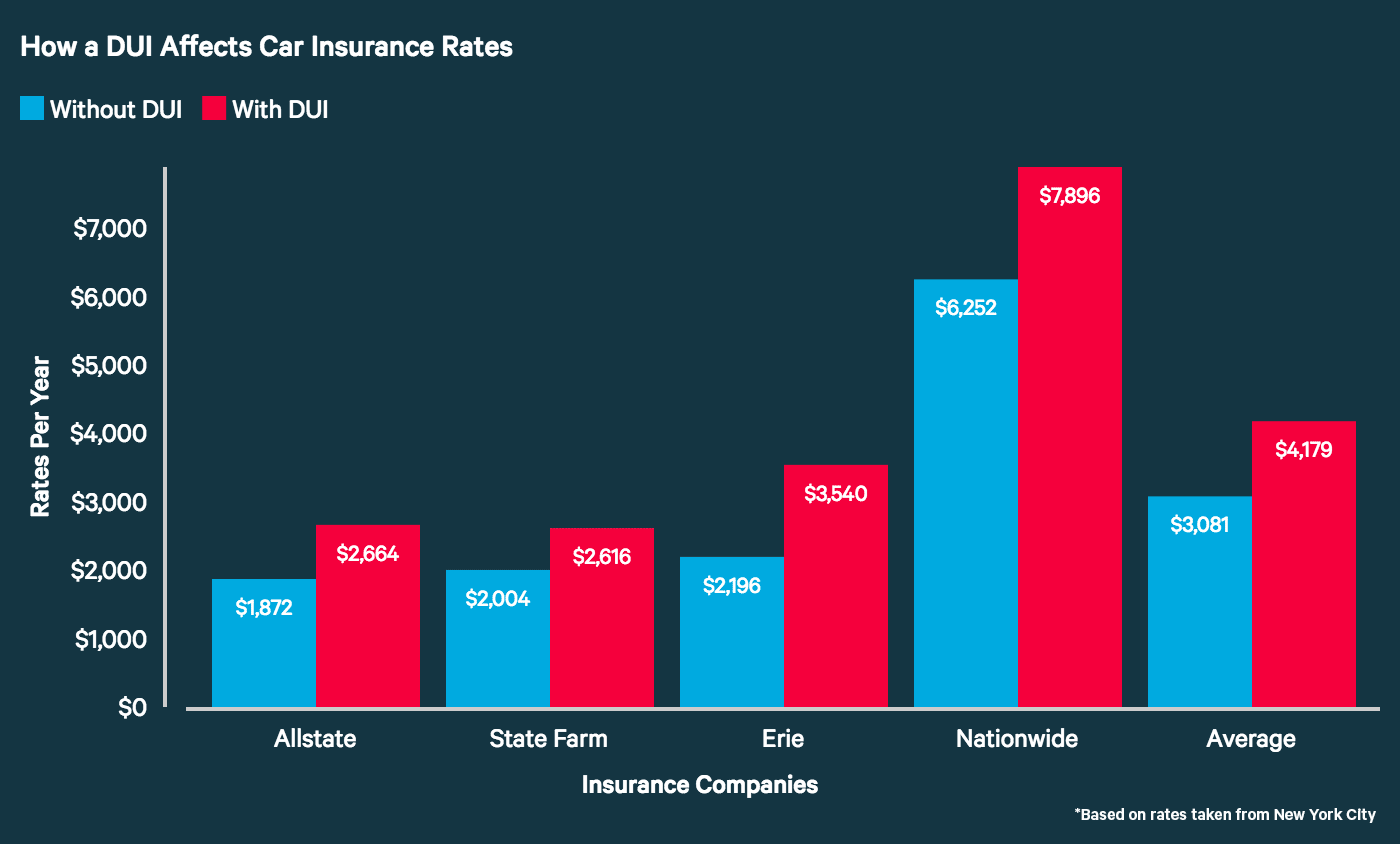
Insurance rate increases vary based on your age, gender, vehicle type, zip code, and insurance carrier, but a first-offense DUI in California typically causes premiums to double or triple. Rate increases often persist for the duration of the 3-to-5-year surcharge window, resulting in thousands of dollars in cumulative additional insurance costs.
What is a non-owner car insurance policy, and do I need one?
A non-owner auto insurance policy provides liability coverage to individuals who drive vehicles they do not personally own. If your license was suspended due to a DUI and you do not own a car, purchasing a non-owner policy with an attached SR-22 filing satisfies California DMV requirements, prevents insurance gaps, and maintains continuous coverage history while your driving privileges are suspended.
When does the 3-year SR-22 requirement actually begin?
The 3-year mandatory SR-22 filing period generally begins on the date the DMV officially requires the filing for license reinstatement, not necessarily the date the offense occurred or the date of the court conviction. If your SR-22 lapses at any point during those three years, the clock resets, and you must maintain continuous filing for another full three-year term.
Conclusion and Next Actions
A DUI conviction in California creates a long-term financial and administrative footprint, impacting auto insurance rates for three to ten years through violation point visibility, loss of the Good Driver Discount, and mandatory SR-22 filings. To mitigate these costs, verify your current driving record status through an official DMV H-6 printout, maintain continuous coverage through an SR-22-compliant policy, and consult with an independent insurance professional to compare specialized high-risk options. Proactive management of your policy and adherence to all DMV requirements are the most reliable methods for stabilizing your insurance costs and eventually returning to standard coverage tiers.
Image Gallery