Navigating Auto Insurance Options in South Raleigh: Coverage, Costs, and Local Considerations
Finding the best auto insurance in South Raleigh requires balancing North Carolina's mandatory liability minimums with adequate protection for your vehicle against local traffic risks along South Saunders Street, I-40, and Tryon Road....
Finding the best auto insurance in South Raleigh requires balancing North Carolina's mandatory liability minimums with adequate protection for your vehicle against local traffic risks along South Saunders Street, I-40, and Tryon Road. The right policy depends on your driving history, vehicle value, and required coverage levels.
Contents
Evaluating auto insurance in South Raleigh, North Carolina involves understanding state-specific regulations, regional risk factors, and the distinct offerings of major national carriers versus regional providers. South Raleigh neighborhoods—ranging from Carolina Pines and Wilmington Street to the expanding residential corridors near Lake Wheeler—present diverse driving environments. Commuters traveling into downtown Raleigh or navigating the busy interchanges of Interstate 40 and U.S. 70 face varying collision risks, which directly influence insurance underwriting and premium calculations. Selecting an appropriate policy requires looking past headline rates to examine deductible structures, claims satisfaction records, and available discounts.
Understanding North Carolina Auto Insurance Requirements
North Carolina operates under a traditional fault-based tort system for auto accidents, meaning the driver responsible for a collision is financially liable for resulting damages and injuries. Unlike no-fault states that require personal injury protection (PIP), North Carolina law mandates specific minimum liability coverage limits for all registered vehicles.
Every driver must maintain liability insurance at or above the statutory limits, commonly referred to as 30/60/25 coverage:
- $30,000 for bodily injury liability per person injured in an accident.
- $60,000 for total bodily injury liability per accident when multiple people are hurt.
- $25,000 for property damage liability per accident.
In addition to liability insurance, North Carolina General Statutes require Uninsured Motorist (UM) coverage at limits equal to your liability policy. Underinsured Motorist (UIM) coverage is also mandatory if your bodily injury liability limits exceed the statutory minimums. These provisions protect drivers if they are struck by a motorist who carries no insurance or carries insufficient limits to cover major medical and repair bills.
Key Risk Factors Impacting South Raleigh Premiums
Insurance companies utilize complex actuarial tables to determine premiums, factoring in location-specific data. South Raleigh features a mix of urban density, major commercial thoroughfares, and high-volume commuter routes.
Traffic volume along corridors such as South Wilmington Street, Rock Quarry Road, and the southern loops of I-440 experiences significant congestion during peak hours. Insurers analyze historical crash data, vehicle theft rates, and severe weather patterns associated with Wake County when pricing policies. Properties and vehicles parked in certain zip codes within South Raleigh may experience slightly higher comprehensive rates due to localized vehicle break-ins or storm-related hazards, such as fallen trees during severe seasonal thunderstorms.
Individual driver profiles remain the most substantial pricing lever. Insurers heavily weight:
- Driving Record: North Carolina uses a Safe Driver Incentive Plan (SDIP), a state-mandated rating system that assigns point values to moving violations and at-fault accidents. Accumulating points leads to substantial percentage surcharges on your base premium.
- Credit-Based Insurance Score: Under North Carolina law, insurers are permitted to use credit history as a rating factor to help predict the likelihood of future claims.
- Vehicle Make and Model: The cost to repair advanced driver-assistance systems (ADAS), vehicle safety ratings, and theft statistics directly affect comprehensive and collision pricing.
Comparing Coverage Types: Liability vs. Full Coverage
Choosing between basic liability and full coverage is a foundational financial decision. While state minimum liability keeps upfront costs low, it leaves your own vehicle unprotected if you cause an accident, weather damages your car, or someone steals it.
| Coverage Type | What It Protects | Recommended For |
|---|---|---|
| State Minimum Liability | Bodily injury and property damage you cause to others. | Older vehicles with a low cash value where replacement cost exceeds policy value. |
| Collision Coverage | Damage to your own vehicle from a collision with another car or object, regardless of fault. | Newer vehicles, leased cars, or cars financed through a lender. |
| Comprehensive Coverage | Non-collision incidents including theft, vandalism, fire, animal strikes, and weather events. | All financed vehicles and drivers wanting protection against acts of nature or theft. |
| Medical Payments (MedPay) | Medical and funeral expenses for you and your passengers, regardless of fault. | Drivers wanting supplemental health coverage for auto-related injuries. |
Major Insurance Providers Serving South Raleigh
South Raleigh residents can choose from a wide array of national brand-name carriers and regional mutual insurers licensed to operate in North Carolina. Each provider offers distinct advantages depending on customer priorities.
National Carriers
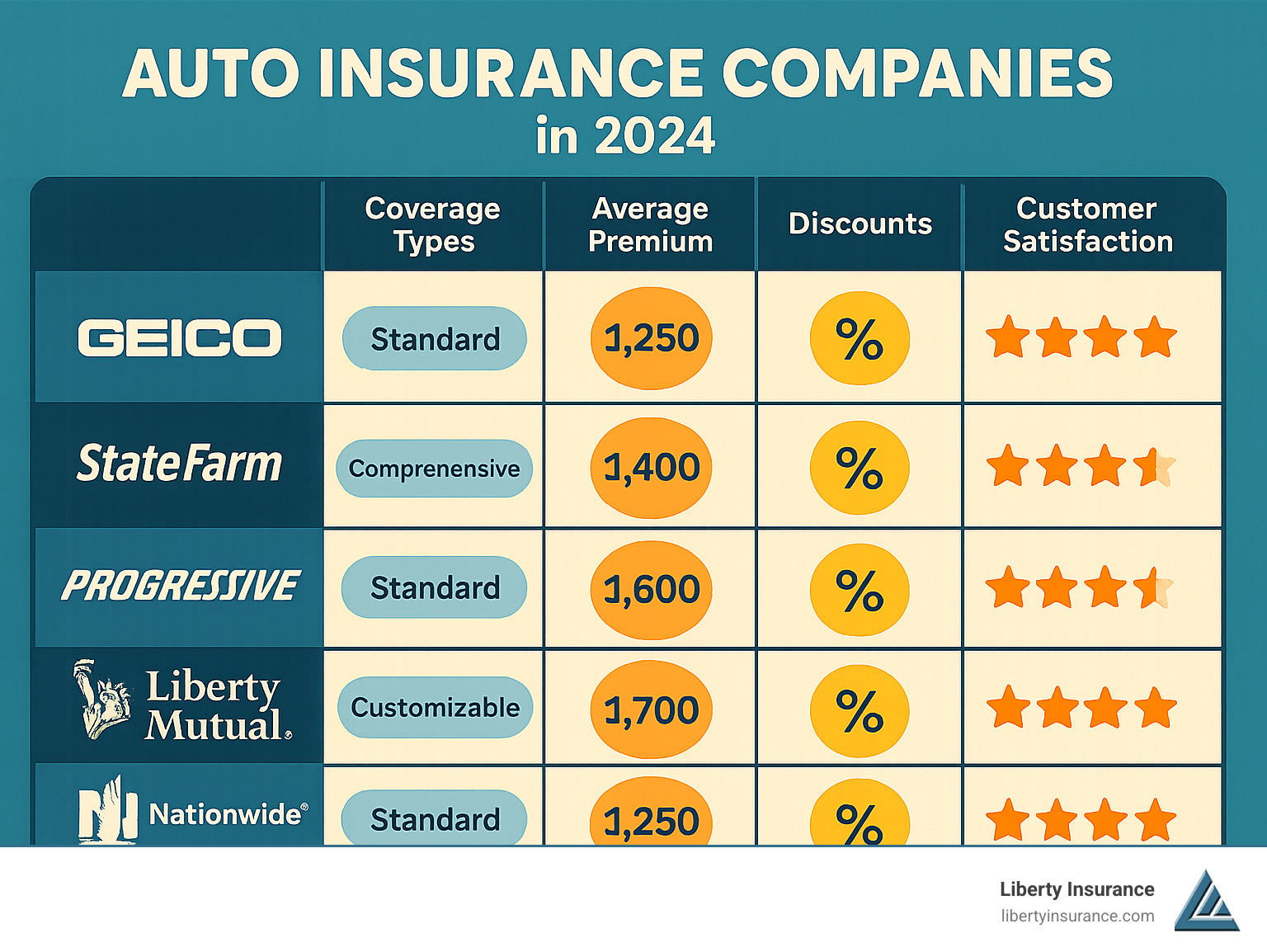
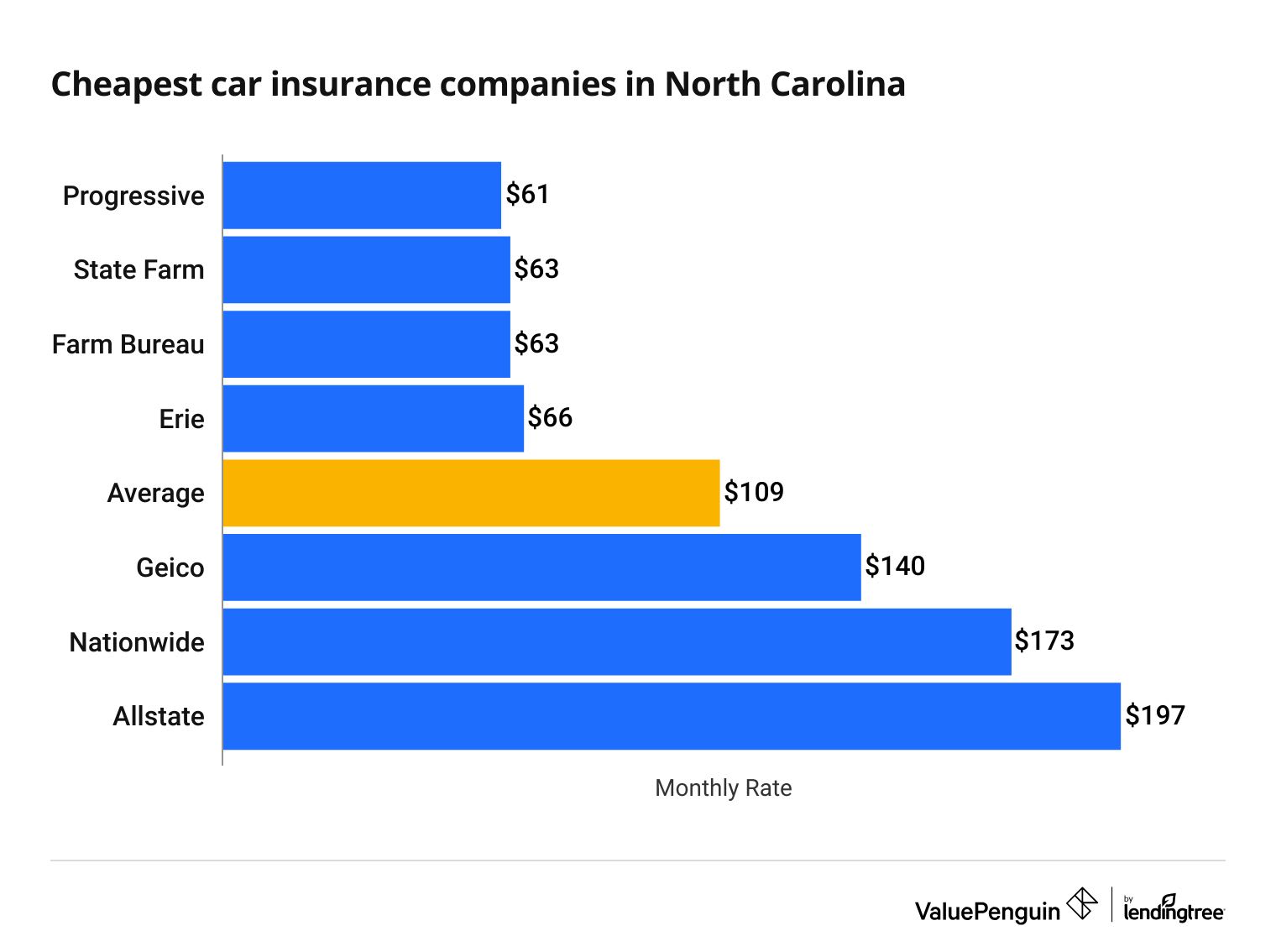
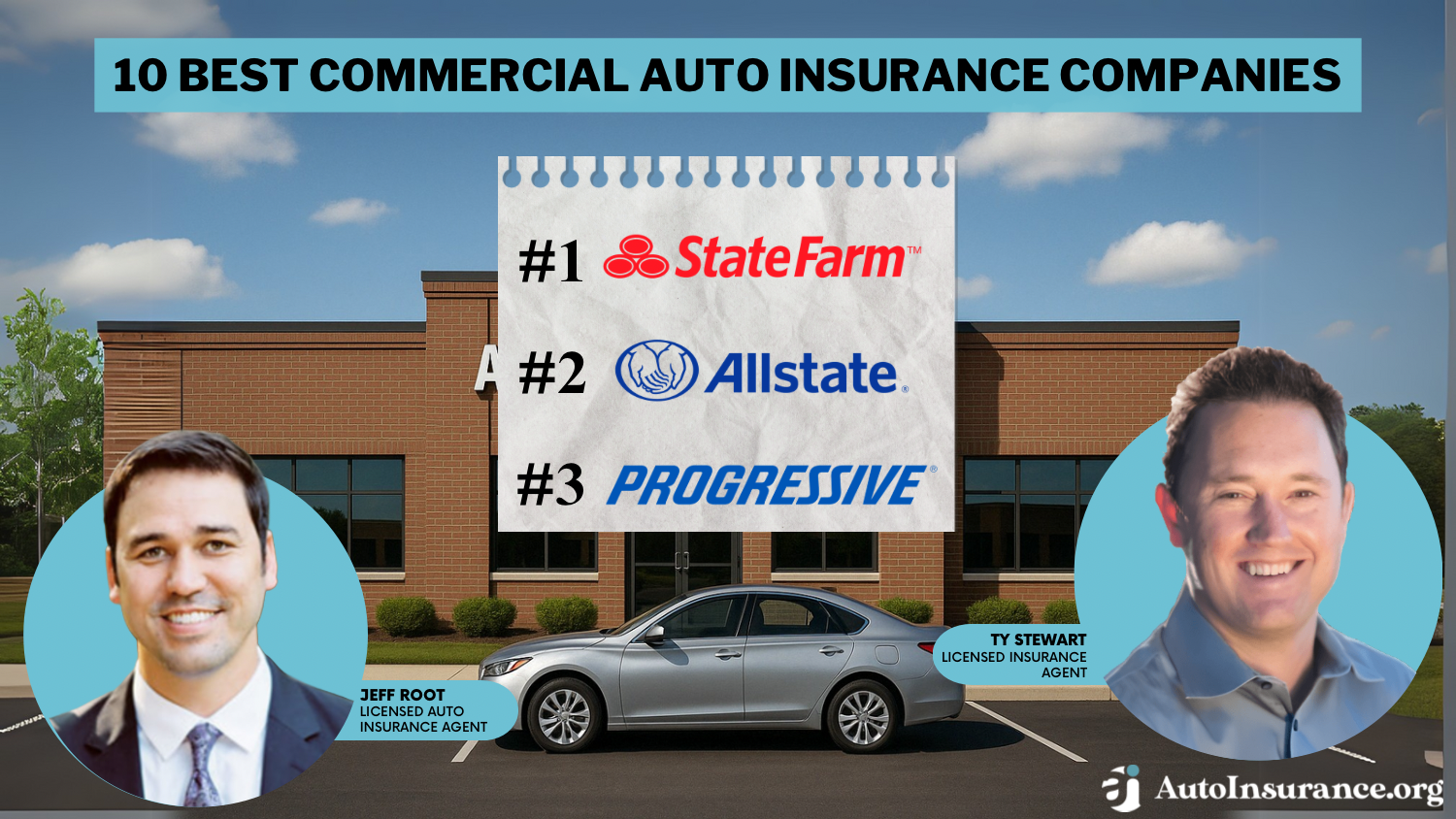
Companies such as State Farm, Nationwide, Progressive, and GEICO maintain a robust presence across Wake County.
- Strengths: Advanced mobile applications, extensive digital policy management, robust accident forgiveness programs, and streamlined claims processing.
- Considerations: Rates can fluctuate significantly upon policy renewal, and customer service is often handled through centralized call centers rather than local agents.
Regional and Mutual Insurers
Carriers like Erie Insurance and NC Farm Bureau operate extensively throughout North Carolina.
- Strengths: Deep familiarity with local traffic laws, the North Carolina Department of Motor Vehicles (DMV) reporting systems, and the SDIP point system. Many policyholders value having a dedicated local agent office nearby in the Raleigh area.
- Considerations: Availability may require membership (as with certain farm bureau requirements) or strict underwriting criteria.
Strategies for Lowering Your Auto Insurance Costs
Insurance premiums in North Carolina can be optimized by actively pursuing available discounts and structuring your policy effectively.
- Bundle Policies: Combining your auto insurance with a homeowners or renters insurance policy typically yields a multi-policy discount ranging from 10% to 25% with most major carriers.
- Raise Deductibles: Increasing your collision and comprehensive deductibles from $500 to $1,000 reduces your monthly premium. Ensure you maintain adequate savings to cover the higher out-of-pocket expense if a claim occurs.
- Maintain a Clean Record: Avoiding speeding tickets and preventable accidents prevents the application of SDIP surcharges. North Carolina drivers with clean records for three consecutive years qualify for baseline rate reductions.
- Inquire About Specialized Discounts: Ask providers about paperless billing, automatic monthly electronic funds transfer (EFT) payments, defensive driving course completion, and low-mileage discounts if you work from home or have a short commute into downtown Raleigh.
Frequently Asked Questions
What are the minimum auto insurance requirements in North Carolina?
North Carolina requires liability coverage of at least $30,000 for bodily injury per person, $60,000 for total bodily injury per accident, and $25,000 for property damage. Uninsured motorist coverage matching these limits is also mandatory.
Does my credit score affect my car insurance rate in South Raleigh?
Yes. North Carolina insurance companies are permitted to use credit-based insurance scores as one of several rating factors when determining premiums, provided they comply with state insurance department regulations.
How do traffic tickets impact insurance rates in North Carolina?
North Carolina uses the Safe Driver Incentive Plan (SDIP). Receiving points for moving violations—such as speeding or reckless driving—or causing an accident results in a percentage surcharge added to your base insurance premium for a period typically lasting three years.
Is full coverage legally required in South Raleigh?
No. Full coverage (combining collision and comprehensive insurance) is only legally required if you are financing or leasing your vehicle. However, it is strongly recommended for newer or higher-value cars to protect against financial loss.
Should I choose a local agent or a direct online insurer?
Choosing a local agent provides personalized service, face-to-face consultations, and tailored advice regarding North Carolina-specific regulations. Direct online insurers often provide quick quoting tools and streamlined digital policy management, making the choice a matter of personal preference for customer support style.
Next Actions for South Raleigh Drivers
To secure the best auto insurance policy for your situation, gather your current policy declarations page, driver's license numbers, and vehicle identification numbers (VINs). Request quotes from at least three different carriers—including a mix of national brands and regional insurers—to compare coverage limits, deductibles, and premium pricing side by side. Verify that any quoting agent or company is properly licensed through the North Carolina Department of Insurance before finalizing your coverage.
Image Gallery