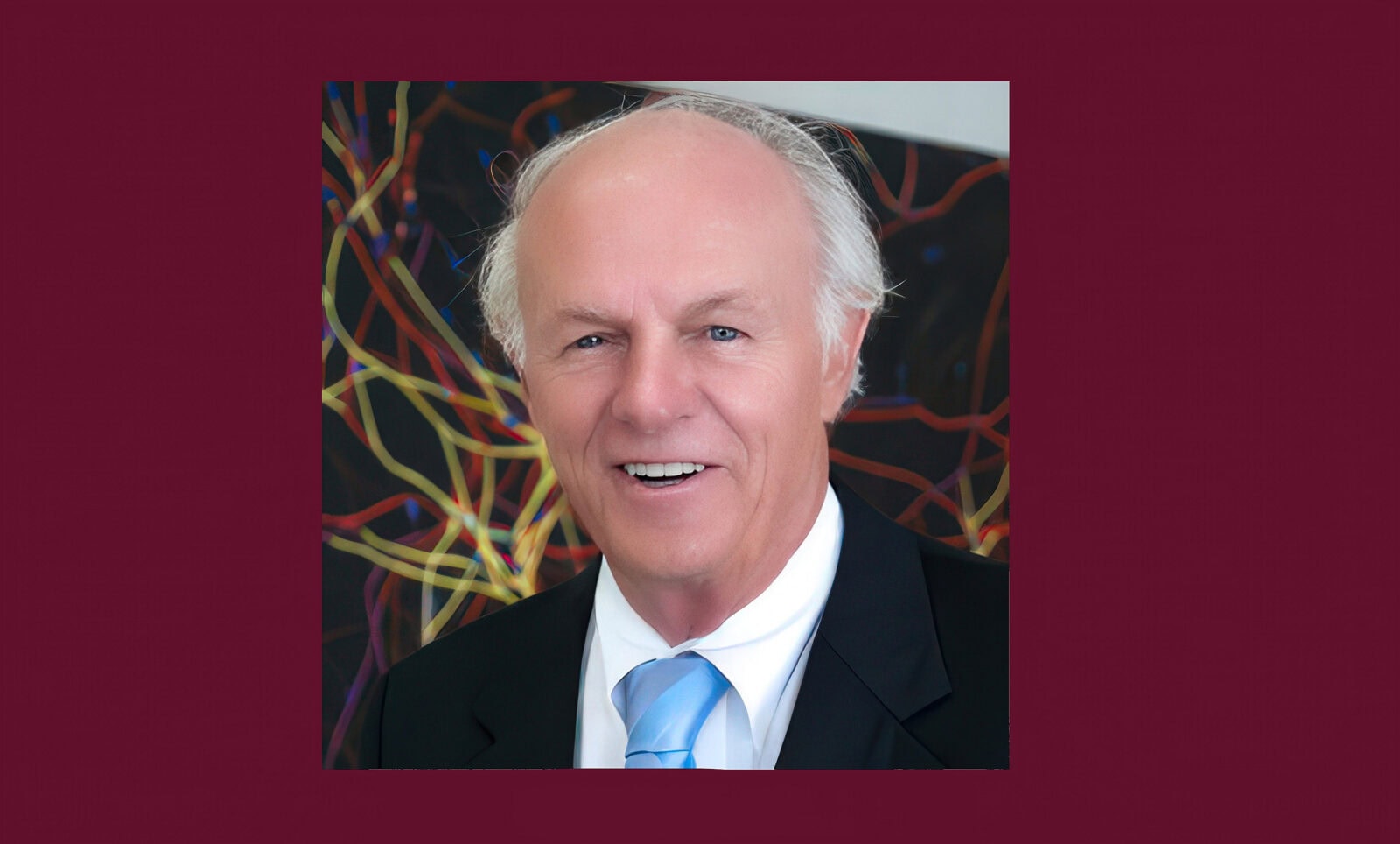
Denny Sanford the Philanthropic Banker: A Comprehensive Profile of Business and Giving
Denny Sanford is widely recognized as a transformative figure in modern American banking and one of the nation's most prolific philanthropists, having funneled billions of dollars into healthcare, education, medical research, and child...
Denny Sanford is widely recognized as a transformative figure in modern American banking and one of the nation's most prolific philanthropists, having funneled billions of dollars into healthcare, education, medical research, and children's welfare organizations.
Contents
To understand Denny Sanford the philanthropic banker, one must examine the intersection of his aggressive business acumen in subprime credit card lending and retail banking with his immense, institutional-scale philanthropic commitments. Over decades, Sanford built a financial empire anchored by First Premier Bank and Premier Bankcard, transforming a struggling South Dakota institution into a national credit card issuer. Concurrently, he embarked on a systematic campaign of anonymous and named giving, ultimately reshaping the civic, medical, and educational landscape of the Upper Midwest and beyond. This profile explores his financial career, the mechanics of his wealth generation, the scope of his philanthropic endeavors, and the complex legacy of his public and private life.
Early Life and Professional Beginnings
Born in Saint Paul, Minnesota, in 1935, Denny Sanford (D. Denny Sanford) experienced an upbringing shaped by the economic realities of the mid-20th century. His father ran a wholesale clothing business, which provided a foundational, albeit turbulent, exposure to commerce and sales. Sanford attended the University of Minnesota, graduating in 1958 with a degree in history.
Following college, Sanford entered the workforce through various sales positions, eventually finding his niche in industrial sales and distribution. These early years forged a relentless work ethic and a direct, unvarnished communication style that would later define his corporate negotiations. He developed an acute understanding of credit markets, consumer finance, and the value of seizing distressed assets. By identifying operational inefficiencies and market gaps, Sanford positioned himself to enter the banking sector as an investor and operator rather than a traditional career banker.
The Banking Empire: First Premier Bank and Premier Bankcard
Sanford’s defining professional achievement in the financial sector centers on his acquisition and scaling of First Premier Bank and Premier Bankcard, headquartered in Sioux Falls, South Dakota.
The Regulatory and Economic Environment of South Dakota
During the late 1980s and 1990s, South Dakota established itself as a premier jurisdiction for the banking and credit card industries due to favorable state legislation. The state had eliminated caps on interest rates and annual fees, attracting major national financial institutions. Sanford capitalized on this regulatory framework by acquiring First National Bank in Sioux Falls in 1986, which he subsequently renamed First Premier Bank.
Pioneering Subprime Credit
Recognizing an underserved market segment, Sanford founded Premier Bankcard in 1989. The institution specialized in issuing credit cards to consumers with damaged, limited, or nonexistent credit histories—frequently classified as subprime borrowers.
- Risk-Based Pricing: Premier Bankcard utilized advanced risk-based pricing algorithms to extend credit lines to individuals rejected by major tier-one banks.
- Fees and Interest Rates: The cards carried high interest rates, application fees, and annual maintenance fees, which compensated for the elevated default rates inherent to the subprime portfolio.
- National Reach: Through aggressive direct-mail campaigns and digital outreach, Premier Bankcard scaled rapidly, eventually becoming one of the largest issuers of Mastercard credit cards in the United States.
While this business model generated substantial criticism from consumer advocacy groups regarding interest rates and fee structures, it simultaneously generated immense capital. This cash flow formed the primary financial engine for Sanford’s subsequent philanthropic endeavors.
The Philosophy and Mechanics of Sanford’s Philanthropy
Sanford’s transition from a hard-driving financial executive to a historic philanthropist is defined by a distinct philosophy: he believed in giving away the vast majority of his wealth during his lifetime rather than establishing a perpetual foundation to distribute funds posthumously.
The "Giving While Living" Approach
Unlike many traditional billionaires who endow family foundations to manage wealth across generations, Sanford frequently deployed capital dynamically. He often structured his donations with challenge grants, requiring institutions to raise matching funds to foster community engagement and long-term financial stability.
Major Focal Points of Giving
Sanford’s philanthropy is heavily concentrated in specific sectors, reflecting personal convictions and strategic partnerships with regional institutions:
- Healthcare and Medicine: The single largest beneficiary of Sanford’s wealth has been the healthcare sector, most notably the Sanford Health system.
- Higher Education: Significant endowments directed toward universities to fund business schools, athletic facilities, and academic research.
- Children and Youth Services: Substantial investments in organizations such as the Boys & Girls Clubs of America and various local youth initiatives.
Sanford Health: A Billion-Dollar Legacy
The most prominent manifestation of Denny Sanford’s philanthropic footprint is Sanford Health, an integrated health system headquartered in Sioux Falls, South Dakota.
Transformation of Regional Healthcare
Prior to Sanford’s involvement, the institution was known as the Sioux Valley Health System. In 2007, following a landmark $400 million personal donation by Sanford—at the time one of the largest single gifts ever made to a healthcare organization—the system was renamed in his honor.
Over the subsequent two decades, Sanford continued to inject billions into the network through subsequent donations and pledged estates. These funds enabled the health system to:
- Expand rural healthcare access across the Dakotas, Minnesota, and Iowa.
- Construct state-of-the-art research facilities focusing on genetics, regenerative medicine, and oncology.
- Develop international clinics and research partnerships, notably in Ghana and other underserved global regions.
| Donation Year | Recipient / Initiative | Estimated Amount | Impact / Purpose |
|---|---|---|---|
| 2007 | Sioux Valley Health System (Sanford Health) | $400 Million | Renaming of the system, expansion of rural care, and research infrastructure. |
| 2011 | Sanford Health (World Clinic Initiative) | $100 Million | Establishment of international medical clinics and global health research. |
| 2014 | University of California, San Diego | $100 Million | Creation of the Sanford Consortium for Regenerative Medicine. |
| 2019 | Sanford Health (Freebird Initiative) | $350 Million | Merger support, rural health innovation, and operational scaling. |
Educational Investments and Research Contributions
Beyond healthcare, Sanford directed substantial capital toward higher education and scientific research, focusing on the intersection of business ethics, childhood development, and medical breakthroughs.
Higher Education Endowments
- National University: Sanford made historic contributions to National University (subsequently rebranded as Sanford University in certain programmatic contexts), supporting teacher education and non-traditional student pathways.
- University of Minnesota: His alma mater received significant funding to support athletic facilities and academic programs, reflecting his long-standing ties to the Twin Cities.
- Arizona State University: Investments in education and leadership programs aimed at improving instructional methods in K-12 schooling.
Scientific and Medical Research
Sanford understood that modern medicine relies heavily on basic science and translational research. His funding helped establish:
- The Sanford Consortium for Regenerative Medicine: A multi-institutional collaboration in La Jolla, California, uniting researchers from UC San Diego, the Salk Institute, Sanford Burnham Prebys, and the Scripps Research Institute.
- The Sanford Burnham Prebys Medical Discovery Institute: An independent nonprofit biomedical research institution focusing on cancer, neuroscience, immunology, and metabolic diseases.
Criticisms, Controversies, and Public Scrutiny
The dual identity of Denny Sanford—subprime credit card executive and benevolent philanthropist—has naturally attracted intense public scrutiny, investigative journalism, and debate.
Subprime Lending Practices
Consumer protection advocates and legal watchdogs frequently scrutinized Premier Bankcard and First Premier Bank for their marketing tactics targeting low-income consumers. Critics argued that high-fee credit cards trapped vulnerable borrowers in cycles of debt. Financial regulators occasionally reviewed the banks' fee structures and disclosures, leading to adjustments in how products were marketed and serviced.
Personal Conduct and Corporate Governance
As a high-profile billionaire, Sanford’s personal life and corporate governance practices occasionally drew public attention. Media investigations into his private affairs and corporate oversight prompted discussions regarding the ethical origins of fortunes used for public philanthropy—a broader philosophical debate concerning "philantropy capitalism" and whether charitable giving absolves aggressive business practices.
Despite these controversies, Sanford maintained a unique standing in South Dakota and national philanthropic circles, where his capital transformed regional infrastructure in ways few other individuals could match.
Frequently Asked Questions
How did Denny Sanford accumulate his wealth?
Denny Sanford accumulated his primary wealth through the banking and financial services sector. He acquired First Premier Bank in 1986 and founded Premier Bankcard in 1989, pioneering subprime credit card issuance and retail banking operations that scaled nationally over several decades.
What is the total amount of Denny Sanford's philanthropic donations?
Over his lifetime, Denny Sanford has committed well over $2 billion to various philanthropic causes, with the vast majority directed toward healthcare systems, medical research institutes, higher education, and children's welfare organizations.
Why is Sanford Health named after him?
Sanford Health was renamed following a historic $400 million donation made by Denny Sanford in 2007. Subsequent multi-million dollar gifts and pledged estates further cemented his status as the primary benefactor of the integrated health system.
What is the "Giving While Living" philosophy?
The "Giving While Living" philosophy is a philanthropic approach wherein a donor distributes the majority of their accumulated wealth during their lifetime to address pressing societal needs immediately, rather than preserving it in a perpetual foundation for posthumous distribution.
Where are Denny Sanford's primary philanthropic projects located?
While Sanford's major projects are heavily concentrated in the Upper Midwest—specifically South Dakota, Minnesota, and Iowa—his contributions also extend to national research institutions in California, educational initiatives across the United States, and international medical clinics.
Next Actions and Conclusion
For researchers, policymakers, and business analysts examining the legacy of Denny Sanford the philanthropic banker, the key takeaway is the profound duality of modern capital accumulation. Analyzing his career requires evaluating both the aggressive commercial strategies of subprime lending that generated his wealth and the institutional permanence of the hospitals, universities, and research centers funded by it.
To explore this subject further, review public financial disclosures from First Premier Bank, examine the annual impact reports published by Sanford Health, or consult academic literature concerning the socio-economic impacts of subprime credit markets in rural and regional American economies.
Image Gallery