Why a GE Dishwasher Won't Fill With Water
When a General Electric dishwasher refuses to fill with water, the appliance cannot wash dishes, leaving cycles stuck or terminating prematurely. This issue typically stems from a closed water supply valve, a blocked or defective water...
When a General Electric dishwasher refuses to fill with water, the appliance cannot wash dishes, leaving cycles stuck or terminating prematurely. This issue typically stems from a closed water supply valve, a blocked or defective water inlet valve, a tripped float switch, a malfunctioning door latch, or a glitch in the electronic control board. Diagnosing and resolving the problem requires systematically checking components from the external water source to the internal mechanical and electrical parts.
Contents
Understanding the GE Dishwasher Fill Cycle
To troubleshoot a dishwasher that stays dry, it helps to understand how the machine is designed to operate. When a wash cycle begins, the electronic control board sends an electrical signal to the door latch assembly to confirm the door is securely closed. Once safety checks pass, the control board opens the water inlet valve, allowing water from the household supply to flow into the tub.
A specialized pressure switch or a flow meter monitors the water level inside the appliance. When the correct volume is reached, the control board signals the water inlet valve to shut off, and the circulation pump activates to begin spraying water through the wash arms. If any link in this communication and mechanical chain fails, the dishwasher will remain empty, often leading to a timed-out cycle or an error code flashing on the user interface.
Step-by-Step Diagnostic and Troubleshooting Guide
Fixing a water fill problem requires a methodical approach, moving from the simplest external checks to more complex internal part replacements. Always disconnect power to the dishwasher at the circuit breaker and turn off the hot water supply valve beneath the sink before performing any hands-on inspections or repairs.
1. Inspect the Household Water Supply
Before dismantling any appliance parts, verify that water is actually reaching the unit. A closed supply valve is one of the most common and easily overlooked reasons for a dry dishwasher.
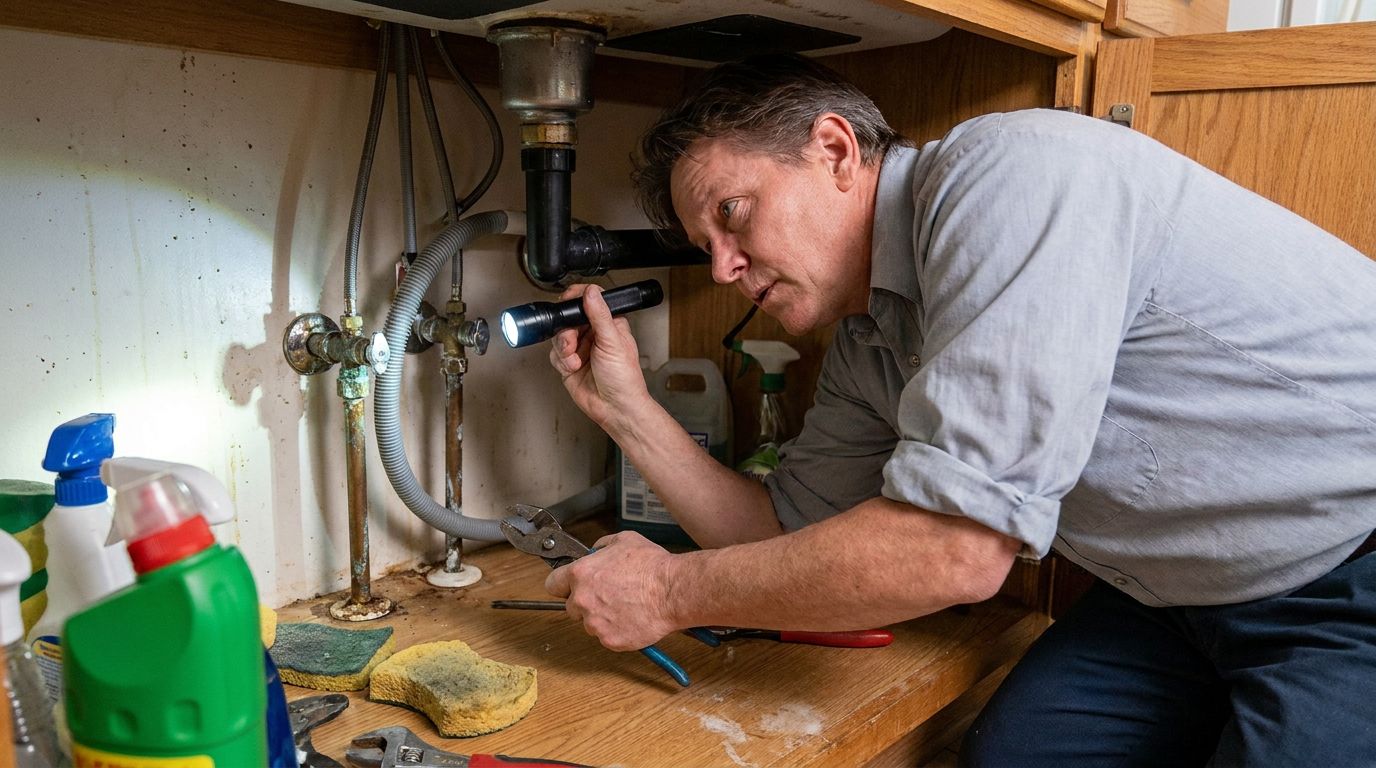
- Under-Sink Shutoff Valve: Locate the hot water shutoff valve under your kitchen sink. Ensure the valve handle is turned completely open and parallel to the water line. If the valve is a multi-turn handle, it may feel loose while the internal stem remains closed; verify that water flows freely by testing a nearby faucet.
- Kinked Water Supply Line: Gently pull the dishwasher forward if accessible, or inspect beneath the unit to ensure the braided stainless steel or copper supply line is not pinched, kinked, or crushed against the cabinetry or flooring, which would block water flow entirely.
2. Examine the Water Inlet Valve
The water inlet valve is an electromechanical solenoid valve located near the bottom front or side of the dishwasher behind the toe kick panel. It acts as the gatekeeper for household water entering the tub.
- Screen Blockage: Over time, mineral deposits, sand, or rust flakes from household plumbing can accumulate on the internal mesh screen of the water inlet valve. Remove the supply line from the valve and inspect the screen. Clean away any debris carefully using a soft brush and vinegar.
- Electrical Continuity: Using a multitester set to ohms, test the electrical terminals of the water inlet valve. If the meter reads infinite resistance (an open circuit) or shows a dead short, the solenoid coil has failed and the valve must be replaced.
3. Check the Float Switch and Overfill Protection Assembly
The float mechanism prevents the dishwasher from overflowing by monitoring the water level. If the float assembly becomes stuck in the raised position, the control board falsely believes the tub is already full.
- Stuck Float: Locate the small plastic dome or cap resting on the floor inside the dishwasher tub, usually in the front-left corner. Lift the float up and down manually. It should move freely and drop back down via gravity. If it is stuck due to dried detergent residue or grease, clean around the base thoroughly.
- Microswitch Failure: Beneath the tub, the float stem depresses a small microswitch. Use a multimeter to test this switch for continuity while moving the float. If the switch fails to click or register electrical continuity when the float is down, the switch needs replacement.
4. Test the Door Latch Assembly
Modern GE dishwashers feature safety interlocks that prevent the water inlet valve from opening if the door is not fully latched. If the door switch fails to signal the control board that the door is closed tightly, the wash cycle will not progress to the fill stage.
- Latch Alignment: Inspect the strike plate and door latch mechanism for physical damage, loose screws, or buildup that prevents a secure connection.
- Switch Continuity: Access the inner door panel to test the door switch for electrical continuity using a multimeter. Replace the assembly if the switch fails to close the circuit when the door is latched.
5. Evaluate the Electronic Control Board
If the water inlet valve, float switch, and door latch all function correctly, but the valve never receives voltage during a cycle, the electronic control board may be at fault.
- Relay Failure: The onboard relay or triac that sends power to the water inlet valve can burn out or fail. Inspect the control board for visible signs of scorching, burnt traces, or swollen capacitors.
- Error Codes: Consult your specific GE dishwasher model's service manual to run diagnostic test modes. Many units display specific error codes that point directly to communication failures between the control board and the water fill components.
Comparison of Common GE Dishwasher Fill Issues
| Component | Common Symptom | Potential Cause | Recommended Action |
|---|---|---|---|
| Water Supply Valve | Complete lack of water; zero sound from valve. | Valve closed, broken handle, or frozen pipe. | Open valve fully; verify household water pressure. |
| Water Inlet Valve | Humming sound during fill cycle, but no water enters. | Clogged internal screen or burned-out solenoid. | Clean screen debris or replace the inlet valve assembly. |
| Float Switch | Dishwasher never fills, or fills and drains immediately. | Float stuck in "up" position or microswitch failure. | Clean debris from float base; test and replace switch. |
| Door Latch | Cycle starts, lights illuminate, but water never turns on. | Misaligned latch or faulty door interlock switch. | Adjust door strike or replace door switch assembly. |
| Control Board | No voltage reaches the inlet valve during the fill phase. | Failed relay or corrupted firmware logic on board. | Inspect board for burn marks; replace main control board. |
Frequently Asked Questions
Why does my GE dishwasher hum when it is supposed to fill with water?
A humming sound typically indicates that electrical power is reaching the water inlet valve's solenoid, but the valve plunger is unable to open. This is frequently caused by low water pressure, a severely clogged inlet screen, or a seized internal mechanical valve component. If clearing the debris does not stop the hum and allow water to flow, replace the inlet valve.
Can a clogged water filter stop my GE dishwasher from filling?
No. The fine mesh filter located at the bottom of the dishwasher tub filters water that is already inside the machine during the circulation and washing phases. It does not control or restrict the incoming water supply from filling the tub. Filter clogs usually result in poor cleaning performance or standing water, not a lack of initial fill water.
How do I reset a GE dishwasher control board?
You can perform a hard reset on most GE dishwasher models by shutting off power to the appliance at the circuit breaker box or unplugging the power cord for two to five minutes. This clears minor software glitches and resets temporary error states in the control board memory. When power is restored, attempt to run a new cycle.
How can I test if the water inlet valve is getting power?
Testing for voltage requires using a multimeter set to AC volts and should be performed only by individuals experienced with electrical safety, as it involves live voltage testing. Carefully attach meter probes to the electrical terminals of the water inlet valve while the dishwasher is actively in a fill cycle. If the multimeter registers line voltage (120V in North America) but no water enters, the valve is defective. If no voltage is present, the issue traces back to the door switch, float switch, or control board.
Conclusion and Next Actions
Fixing a GE dishwasher that won't fill with water requires working through a logical sequence of potential failure points. Begin by verifying that the water supply valve is fully open and that supply lines are unhindered. Next, inspect the float switch for mobility and test the water inlet valve for clogs or electrical failure. If these DIY checks do not resolve the issue, consult the product manual for model-specific diagnostic modes or contact a qualified appliance repair technician to evaluate electrical wiring and control board health.
Image Gallery