How to Answer a Call from Jail Safely: Legal, Financial, and Personal Security Guide
Answering a call from jail safely requires understanding that almost all correctional facility calls are recorded and monitored by law enforcement. To protect yourself and the inmate, avoid discussing legal cases, verify the caller's i...
Answering a call from jail safely requires understanding that almost all correctional facility calls are recorded and monitored by law enforcement. To protect yourself and the inmate, avoid discussing legal cases, verify the caller's identity to prevent scams, set up secure payment accounts through official providers, and never participate in call-forwarding or three-way connections.
Contents
Disclaimer: The information provided in this guide is for educational and informational purposes only and does not constitute formal legal advice. If you or a loved one are facing criminal charges, consult a licensed defense attorney in your jurisdiction.
Understanding the Reality of Correctional Telecommunications
Receiving an unexpected phone call from a jail, prison, or detention center can be alarming and confusing. Whether the call comes from an incarcerated family member, a friend, or an unknown individual, telephone interactions originating from correctional facilities carry specific legal, financial, and technical implications.
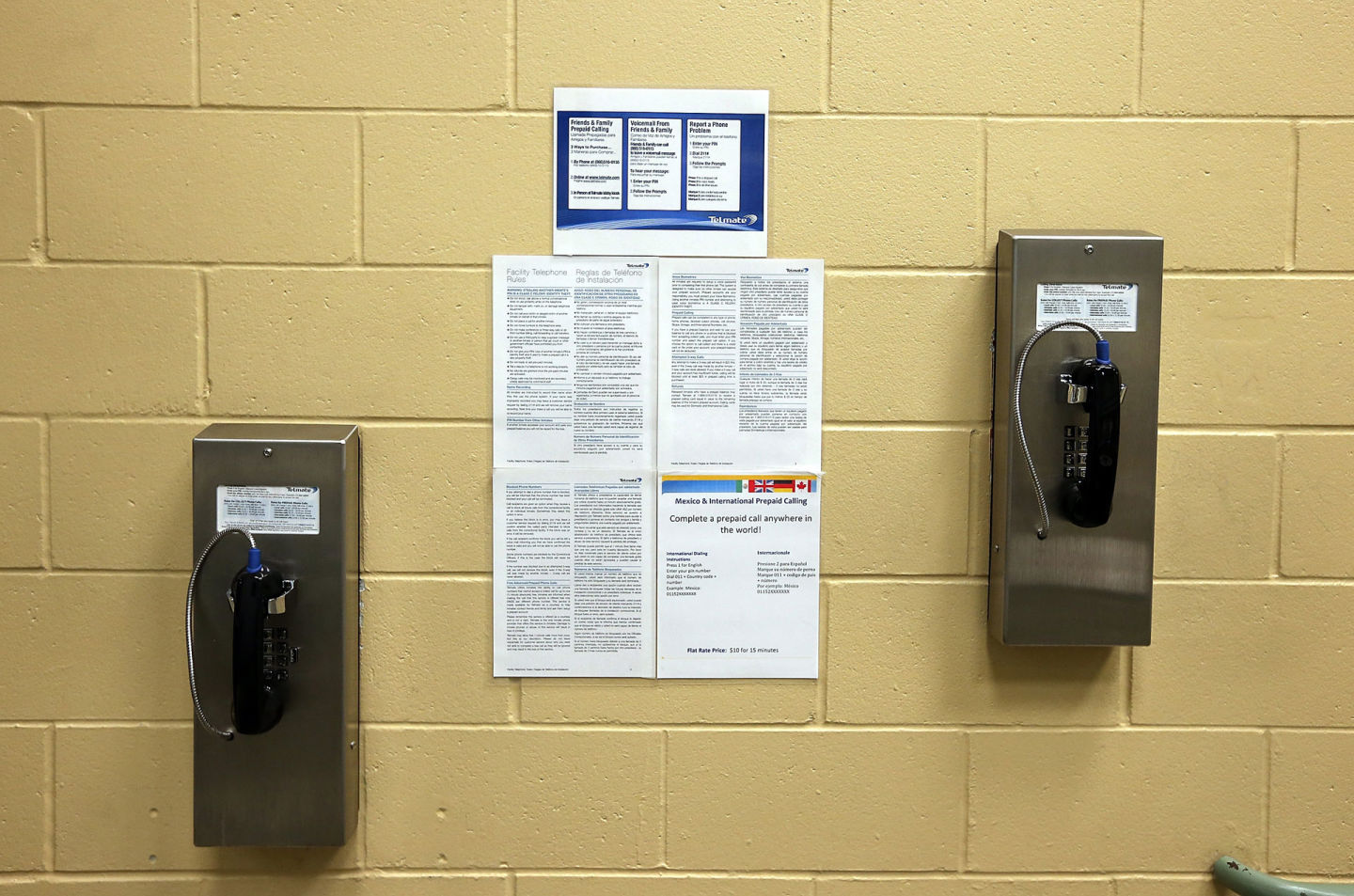
Unlike standard telephone traffic, correctional communications operate under specialized regulatory frameworks and rigorous surveillance regimes. Every phone system deployed inside county jails, state prisons, and federal institutions—managed by vendor companies such as ViaPath Technologies (formerly GTL), Securus Technologies, or PayTel—is designed with passive and active monitoring capabilities.
Safety when answering an inmate call encompasses three distinct dimensions:
- Legal Safety: Preventing accidental self-incrimination or damaging a defense strategy on recorded lines.
- Financial Safety: Protecting yourself from predatory calling rates, unauthorized billing practices, and phone scams.
- Personal/Privacy Safety: Shielding your personal data, physical address, and sensitive identifiers from unauthorized disclosure.
1. The Legal Risks: Recorded Lines and Self-Incrimination
The most critical aspect of answering a call from jail safely is acknowledging that correctional calls are not private. With very narrow exceptions for pre-registered legal counsel, virtually every outbound call made by an inmate is recorded, archived, and accessible to law enforcement agencies, prosecutors, and correctional officers.
- Inmate Dials
- Automated Warning
- Recipient Accepts Call
- Audio Stream Recorded & Archived / Real-Time Monitoring / AI
- Prosecutorial Access
The Automated Announcement Is a Legal Warning
When you accept a call from a correctional facility, an automated voice prompt usually states: "This call is from a correctional facility and is subject to monitoring and recording."
Continuing the call after hearing this warning constitutes legal consent to being recorded under federal and state wiretap statutes. Prosecutors routinely subpoena inmate call logs and audio recordings to gather evidence, establish timelines, identify co-conspirators, or impeach witness testimony during trials.
The Fifth Amendment Does Not Protect Recorded Conversations
While the Fifth Amendment to the U.S. Constitution protects criminal defendants from compelled self-incrimination, it does not shield voluntary statements made to third parties over monitored telephone lines. If an inmate discusses the details of an alleged crime, attempts to coordinate stories, or asks you to speak with potential witnesses, those statements can be introduced as direct evidence in court.
To maintain legal safety during a call:
- Never discuss the details of the pending legal case, arrest, or charges.
- Never mention names of alleged victims, co-defendants, or witnesses.
- Do not discuss financial transactions or physical locations tied to the case.
- Do not make statements that could be interpreted as witness tampering or obstruction of justice.
The Exception: Attorney-Client Privileged Calls
Under the Sixth Amendment, communications between an incarcerated person and their legal representative are legally protected and exempt from monitoring. However, this privilege is not automatic on standard jail phones. Attorneys must formally register their business phone numbers with the facility's telecom provider. If a defense attorney speaks to an inmate on an unverified or personal line, or if a non-attorney third party is present on the line, attorney-client privilege may be waived.
2. Step-by-Step: How to Safely Receive and Answer an Inmate Call
Executing a call safely involves a disciplined, step-by-step approach from the moment your phone rings to the end of the conversation.
Step 1: Examine the Caller ID and Listen to the Prompt
When your phone rings, the caller ID may display "Unknown," "Private Number," "Correctional Facility," or the name of a specific telecom vendor (such as Securus or ViaPath).
- Do not answer impulsively if you are in a public space or driving.
- Upon answering, stay quiet for the first two seconds until the automated recording plays.
- Pay attention to the name spoken by the inmate during the prompt. Facility systems ask the inmate to record their name, which is played back to you before you accept charges or connect.
Step 2: Verify the Identity of the Caller
If you do not recognize the spoken name, do not accept the call. Accepting calls from unknown inmates can link your phone number to an unfamiliar individual's facility record, potentially leading to unwanted collect charges or harassment.
Step 3: Accept the Call Using the Touch-Tone Prompt
If you choose to accept, follow the automated system instructions (typically pressing "1" to accept or "9" to decline and block). If it is a collect call and you do not have an active account, the system will direct you to set up a prepaid billing account.
Step 4: Set Communication Boundaries Immediately
Once connected, establish ground rules for the conversation. Remind the caller immediately that the line is recorded:
"Hi [Name], I'm glad you called. Please remember this is a monitored and recorded line, so we cannot discuss your case or anything related to court. Let's focus on how you're feeling and what you need for basic comfort."
Step 5: Keep Conversations Practical and Non-Legal
Limit the scope of your conversation to safe topics, including:
- Health, well-being, and access to medical care inside the facility.
- Confirming that legal representation has been retained or appointed.
- Ordering approved commissary items or setting up communication accounts.
- Personal encouragement and family updates.
Step 6: Conclude the Call Properly
Always let the automated system hang up or manually press the end-call button on your phone. Do not attempt to merge lines, transfer the call, or place the caller on hold, as modern inmate telecom platforms detect line interruptions and will terminate the call automatically.
3. Financial Safety and Telecommunications Vendors
Managing the financial side of inmate calls requires navigating a specialized sector dominated by a small group of telecommunications vendors. Understanding how billing works protects you from unexpected charges and unauthorized fees.
| Vendor Name | Primary Services Provided |
|---|---|
| ViaPath Technologies (Formerly GTL) | AdvancePay prepaid accounts, inmate calling, video visits |
| Securus Technologies | AdvanceConnect accounts, Securus Online portal, messaging |
| PayTel Communications | Prepaid facility calling accounts for local/county jails |
| IC Solutions | Inmate prepaid phone services and debit accounts |
Understanding Call Rates and Federal Regulations
Historically, calls from correctional facilities were subject to exorbitant rates and hidden fees. Regulatory oversight by the Federal Communications Commission (FCC)—supported by legislation such as the Martha Wright-Reed Just and Reasonable Communications Act—has established strict rate caps on interstate and intrastate inmate calling services.
Under these rules:
- Telecom vendors are prohibited from charging inflated transaction fees for online balance refills.
- Per-minute call rates are capped based on facility type and population size.
- Ancillary service charges (such as paper statement fees or live agent connection fees) are strictly regulated or eliminated.
Safe Account Funding Practices
To handle phone charges safely without exposing your main banking credentials:
- Use Official Vendor Portals: Only deposit funds through the verified website or automated phone system of the facility's official vendor (e.g., SecurusTech.net, ConnectNetwork by ViaPath, or PayTel.com). Never use third-party "middleman" websites that claim to offer discounted jail call rates.
- Set Up a Dedicated Prepaid Account: Create a prepaid calling account linked directly to your phone number rather than allowing direct collect billing to your home phone bill. This prevents unexpected monthly billing spikes.
- Use Privacy-Focused Payment Methods: Consider funding your prepaid account with a virtual credit card or dedicated debit card to limit exposure in the event of vendor data security incidents.
4. Preventing Jail Call Scams and Fraudulent Activity
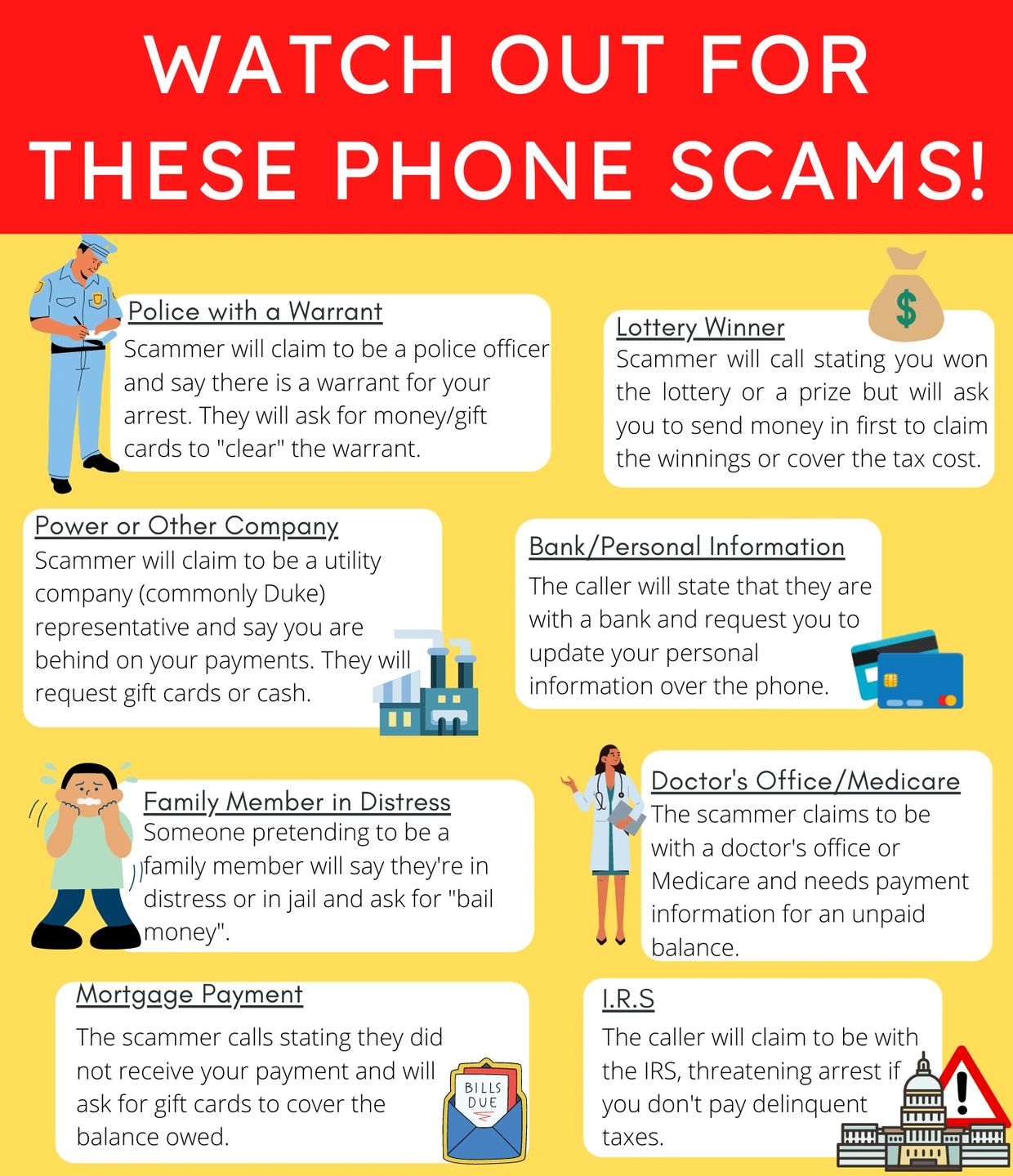
Phone scams originating from or imitating correctional facilities are a widespread problem. Scammers exploit the emotional urgency associated with arrests to defraud unsuspecting victims.
| Scam Type | Tactical Execution & Red Flags |
|---|---|
| Emergency Bail Fraud | Caller claims a relative is in jail and requires immediate wire transfers or gift cards for bail release. |
| Caller ID Spoofing | Incoming call disguises its caller ID to look like a local sheriff's department or detention center. |
| Third-Way Forwarding Exploits | Inmate asks recipient to patch a call to another number to bypass facility calling restrictions or block lists. |
The Emergency Bail / Grandparent Scam
In this scheme, you receive a high-stress phone call from someone claiming to be an attorney, law enforcement officer, or incarcerated relative. They state that your loved one has been arrested following a car accident or criminal incident and requires immediate money for bail or legal representation.
Safety Rules for Bail Requests:
- Verify Independently: Hang up and call the official main directory of the county jail or inmate locator portal to confirm whether the individual is actually in custody.
- Reject Non-Standard Payment Requests: Legitimate courts and law enforcement agencies never demand bail payment via wire transfers, cryptocurrency, peer-to-peer payment apps (Zelle, Venmo, Cash App), or retail gift cards.
Impostor Calls and Caller ID Spoofing
Scammers often use software to display the name and phone number of a local jail or police department on your caller ID. If an incoming call demands personal identification numbers (PINs), Social Security numbers, or credit card details to "maintain phone connection," hang up immediately.
The Danger of Three-Way Calling and Call Forwarding
An inmate may ask you to connect their call to another person using your phone's three-way calling feature. Do not agree to do this.
- Security Violations: Facilities prohibit call forwarding and three-way patching to prevent inmates from contacting victims, witnesses, or prohibited individuals.
- Automated Disconnection: Facility voice-analysis algorithms detect dual-tone multi-frequency (DTMF) tones or background noise shifts associated with three-way calls and will automatically terminate the line.
- Account Suspension: Assisting an inmate in bypassing phone restrictions can lead to your phone number being permanently blocked by the facility and the inmate facing disciplinary action.
5. Decision Matrix: Safe Handling Practices vs. Common Risks
The following matrix outlines common situations encountered when answering calls from jail, assessing their security and legal impacts, and providing actionable guidance.
| Scenario / Action | Legal & Financial Risk | Potential Consequence | Recommended Safe Action |
|---|---|---|---|
| Discussing Case Details / Arrest Events | Critical (Legal) | Audio is reviewed by prosecutors; statements used as evidence in court. | Firmly decline to discuss the case. Direct all case inquiries to the defense attorney. |
| Accepting Calls from Unknown Inmates | High (Financial/Security) | Incurring unexpected collect fees; potential involvement in unverified inmate activities. | Decline the call immediately by pressing the designated decline key (e.g., '9'). |
| Executing a 3-Way Call or Transfer | High (Operational) | Termination of the call; potential blocking of your phone number by the facility. | Refuse to forward or merge calls. Advise the inmate to dial the party directly. |
| Funding Accounts via Official Vendor Portals | Low (Safe Practice) | Protected financial transactions; predictable, capped calling rates under FCC rules. | Use verified official vendor websites (Securus, ViaPath, PayTel) only. |
| Paying "Bail" Requested via Gift Cards/Apps | Critical (Fraud) | Complete loss of funds to fraudulent caller schemes. | Hang up. Confirm inmate status through an official county inmate database. |
| Pre-Registering Phone Lines for Legal Counsel | Low (Protected) | Ensures attorney-client privilege is maintained on communications. | Have defense counsel submit formal verification to facility administration. |
6. How to Block Unwanted Calls and Protect Personal Privacy
If you are receiving unwanted, harassing, or accidental calls from a correctional facility, you have the right to stop them immediately.
Methods to Block Incoming Jail Calls
Use In-Call Automated Prompts: During the initial automated announcement, most facility phone platforms allow you to block future calls from that institution by pressing a specific key (often "9" or "*").
Contact the Telecom Vendor Directly: Visit the customer portal or call the support line of the vendor handling the facility's calls (e.g., Securus, ViaPath, or PayTel) and request an operational block on your phone number across their network.
Contact the Facility Administration: Call the jail's administration or internal security division and ask to have your phone number placed on their restricted calling list.
Utilize Mobile Carrier Controls: Block the incoming phone number directly on your mobile device or through your carrier's call-filtering application.
Incoming Call
Listen to Voice Prompt
Press '9' or Block Key
Number Added to Blocklist
Contact Vendor Support (Securus/ViaPath)
Shielding Personal Data During Conversations
Inmates operate in communal environments where others may hear their side of the conversation. When speaking on a jail call:
- Never read out full home addresses, work schedules, or daily routines.
- Avoid speaking sensitive numbers aloud (such as birth dates, banking PINs, or account login credentials).
- Keep family financial discussions private until you can meet in person or communicate through secure, non-recorded channels where permitted.
Frequently Asked Questions
Are calls from jail always recorded?
Yes. Virtually all outbound calls made by inmates from county, state, and federal correctional facilities are monitored and recorded. The only exception is pre-registered, verified calls between an inmate and their legal counsel.
Can a jail call recording be used against an inmate in court?
Yes. Prosecutors routinely subpoena jail call recordings and use voluntary statements made by inmates or recipients as evidence in criminal proceedings. These recordings are not protected by the Fifth Amendment self-incrimination defense.
What should I do if an inmate asks me to make a three-way call?
Refuse the request. Three-way calling and call forwarding are strictly prohibited by correctional institutions. Attempting a three-way call will cause the automated system to disconnect the line and may result in your phone number being permanently blocked by the facility.
How can I verify if a call demanding bail money is genuine?
Do not pay any money over the phone. Hang up and check the official inmate roster or online inmate locator tool for the county or state facility where the person is supposedly held. Legitimate judicial systems do not accept bail payments via gift cards, wire transfers, or peer-to-peer payment apps.
What is the safest way to pay for calls from an incarcerated person?
The safest method is to open a prepaid account directly through the facility's designated telecom vendor, such as Securus Technologies, ViaPath Technologies (ConnectNetwork), or PayTel. Avoid using unverified third-party websites or direct credit card billing over unsecure lines.
Actionable Recommendation: Establishing Your Inmate Call Strategy
To ensure complete legal, financial, and personal security when communicating with an incarcerated individual, follow this operational checklist:
- Consult Legal Counsel First: If the inmate is facing criminal charges, speak with their defense attorney before taking routine calls. Establish clear guidelines on what can and cannot be discussed over facility phones.
- Set Up an Official Prepaid Account: Determine which vendor manages the facility's communications (Securus, ViaPath, PayTel, etc.) and register a prepaid account through their official web portal. Set a predictable monthly spending limit.
- Inform the Inmate of Boundaries: During your first call, establish clear ground rules: no case discussions, no requests for call transfers, and no sharing of sensitive personal information.
- Maintain Vigilance Against Scams: Verify any emergency money requests independently through official law enforcement channels before taking financial action.
By applying these safeguards, you can maintain essential communication with loved ones while protecting your legal rights, financial security, and personal privacy.
Image Gallery