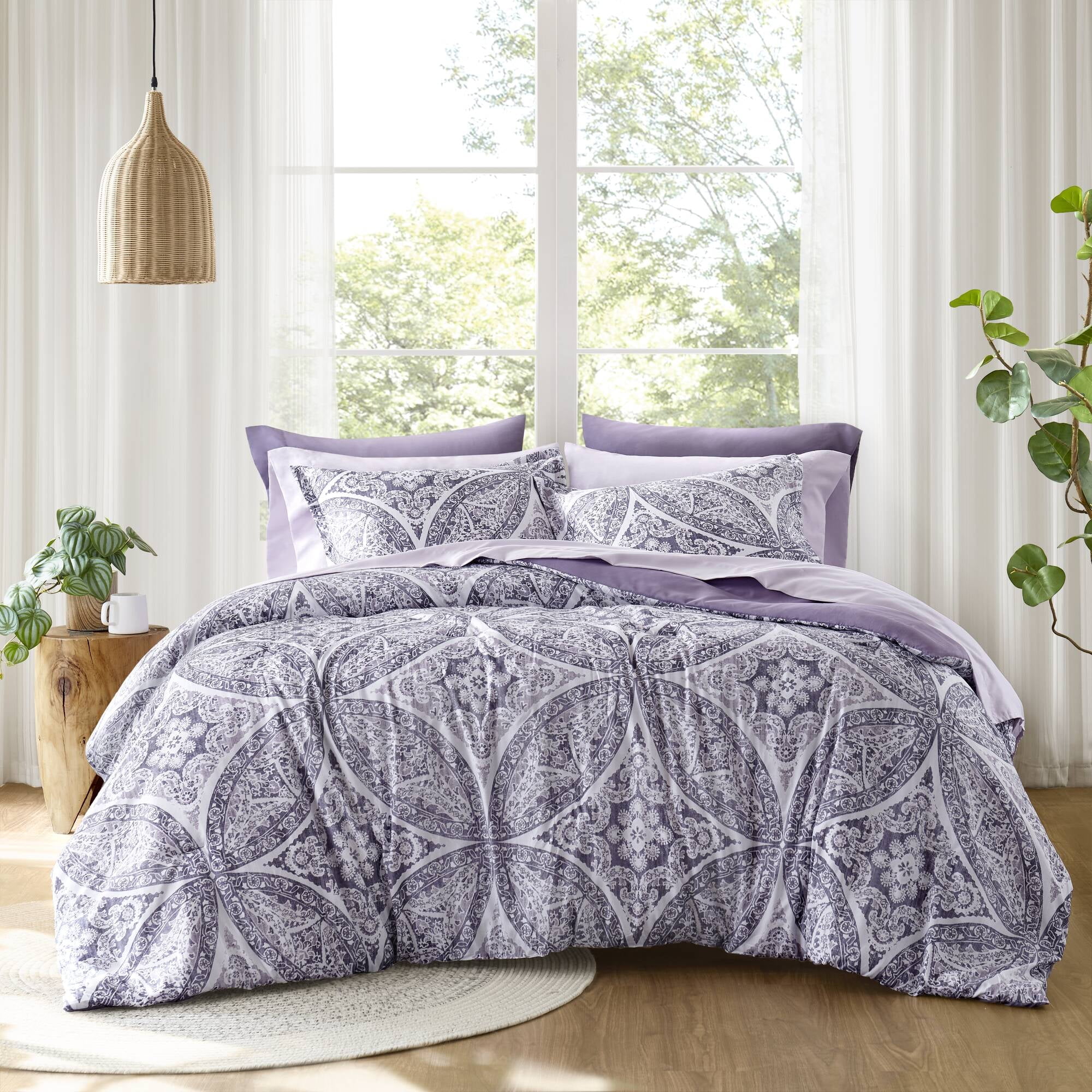
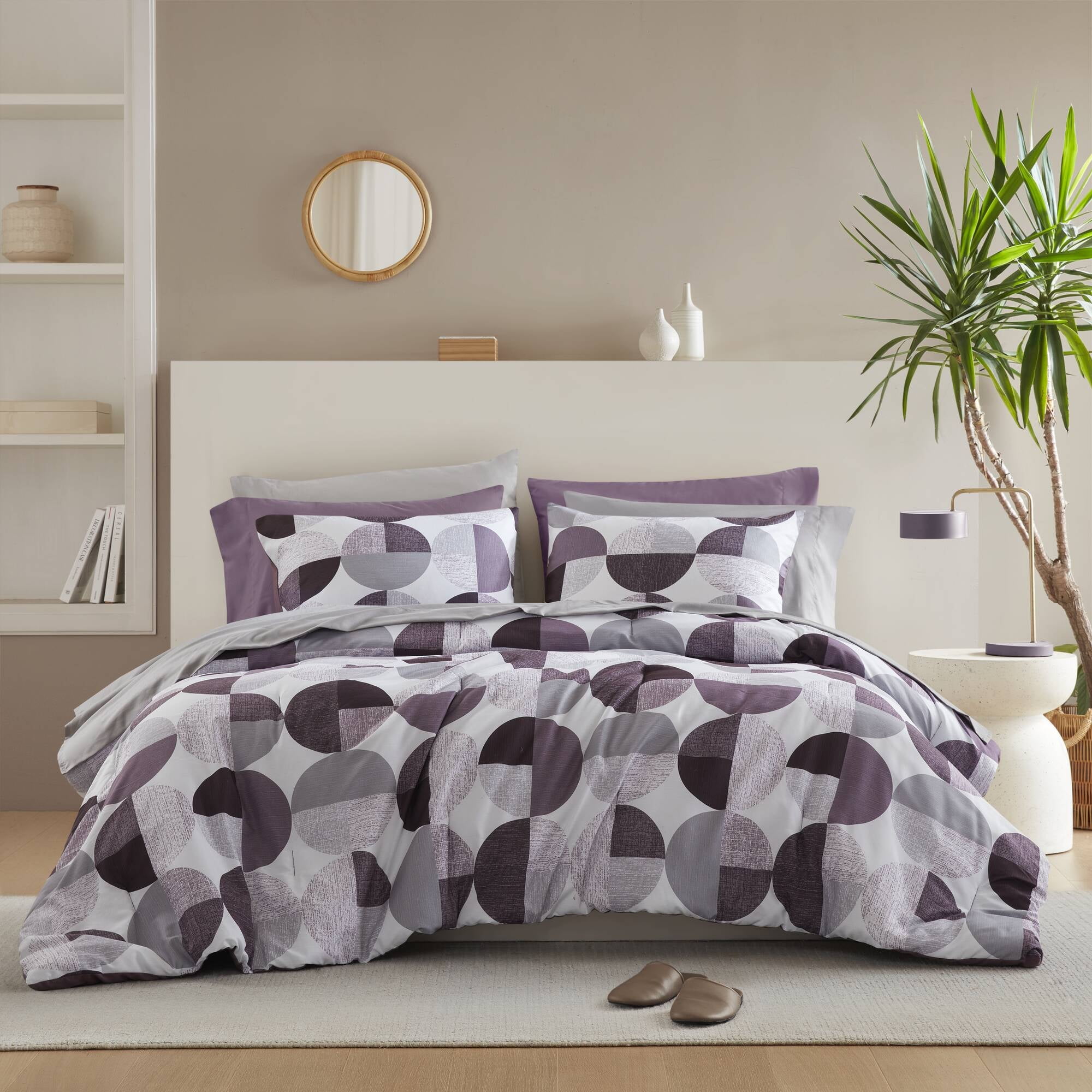
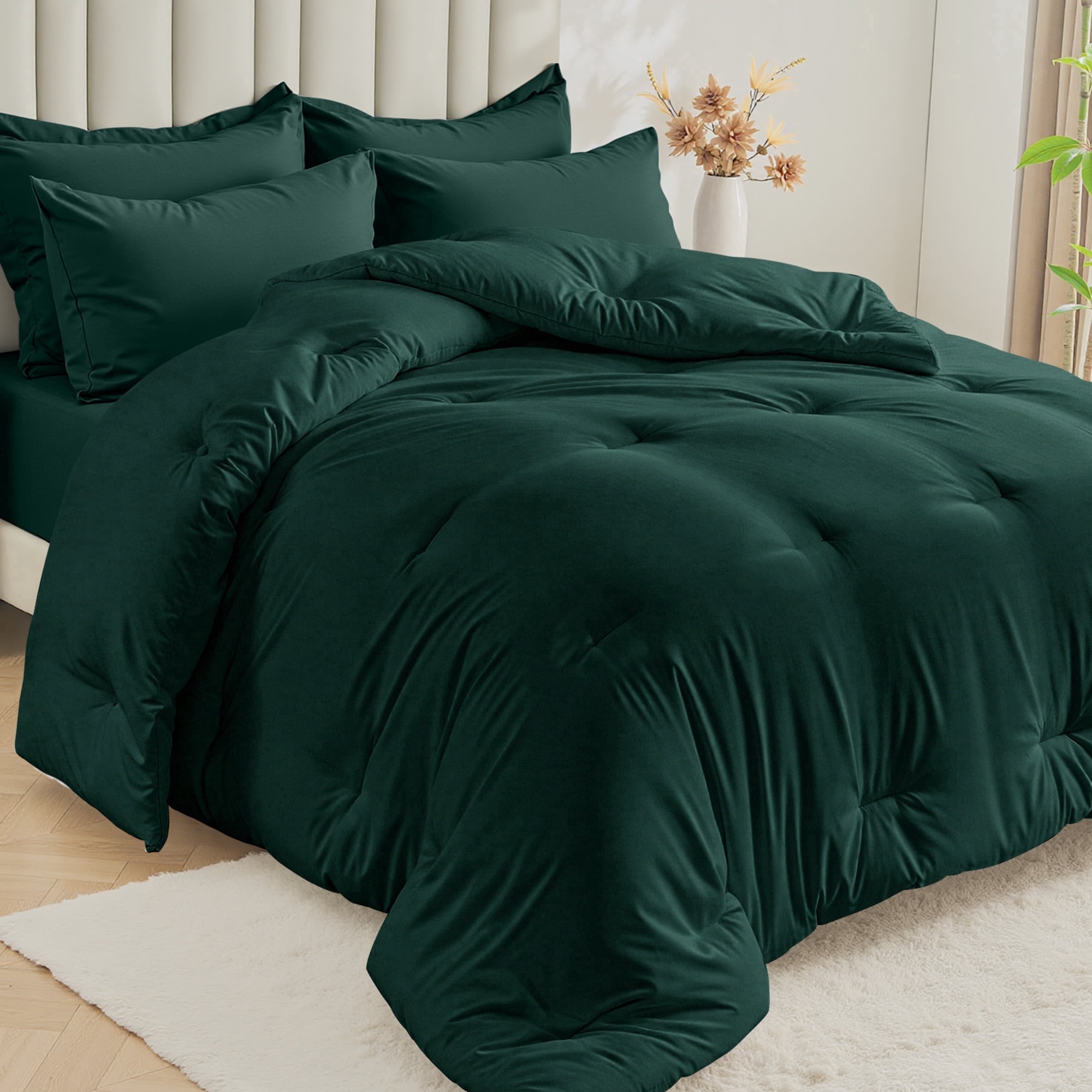
Why a 24-Piece Bed in a Bag Queen Set Often Isn't Worth It
Buying a 24-piece queen "bed in a bag" set seems like an unmatched bargain for completely outfitting a bedroom in one transaction. However, these massive bundles often fail to deliver long-term value because manufacturers achieve their...
Buying a 24-piece queen "bed in a bag" set seems like an unmatched bargain for completely outfitting a bedroom in one transaction. However, these massive bundles often fail to deliver long-term value because manufacturers achieve their low price point by diluting material quality across non-essential accessories like synthetic window drapes, flimsy decorative pillows, and low-GSM microfiber sheets.
Contents
The Illusion of High Piece-Count Bedding Bundles
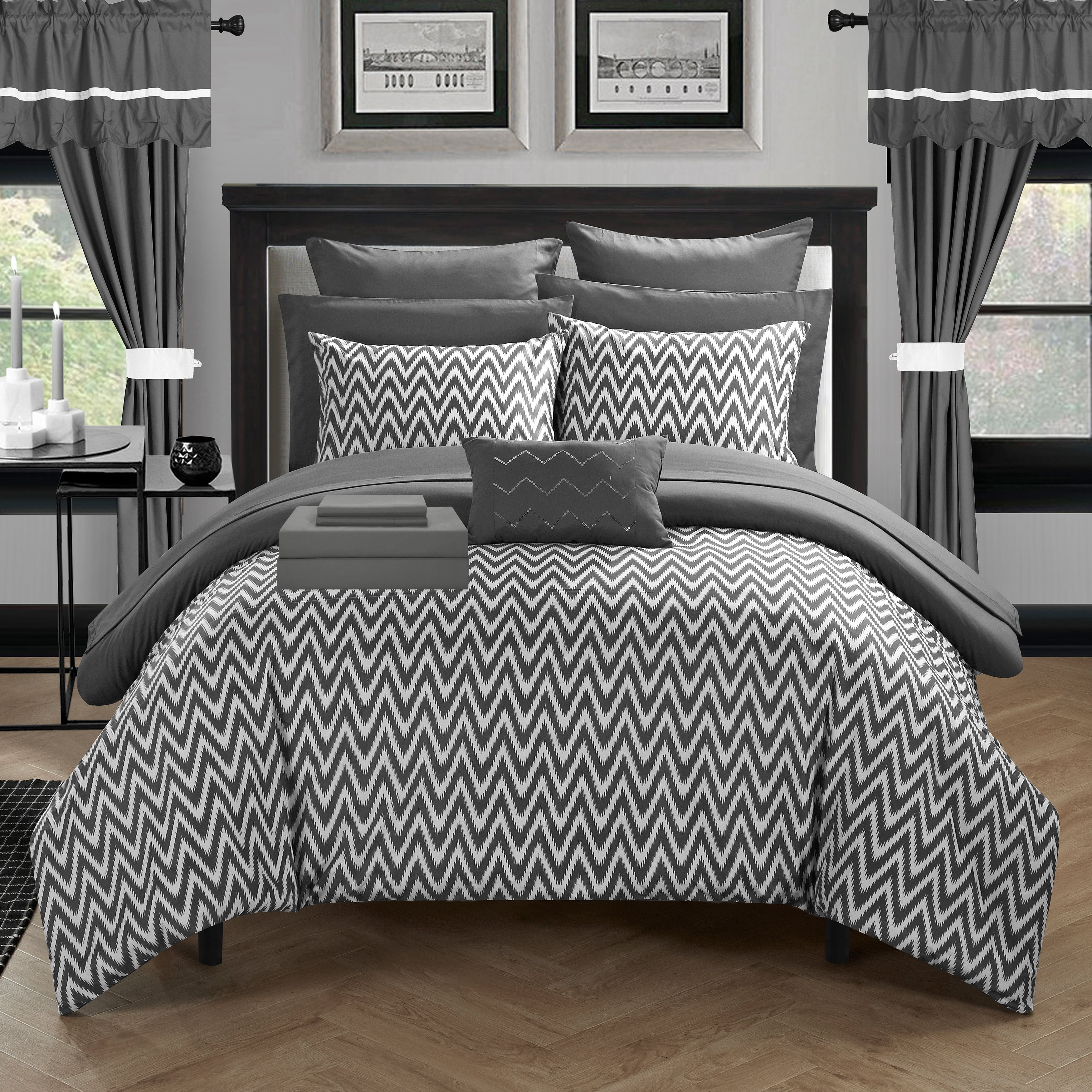
The primary marketing appeal of a 24-piece queen bedding set is sheer numerical volume. Consumers browsing online marketplaces or department stores see a single package priced between $80 and $160 containing dozens of individual items and assume high cost efficiency. In practice, this high piece count is an artificial construction designed to elevate perceived value while keeping manufacturing costs exceptionally low.
When manufacturers assemble a 24-piece bundle, the core functional bedding—the items that directly touch your skin and determine sleep quality—makes up only a small fraction of the total package. A typical breakdown reveals how the count is inflated:
- Core Bedding (4 pieces): One fitted sheet, one flat sheet, and two pillowcases.
- Top-of-Bed Items (4 pieces): One comforter, one bedskirt, and two standard pillow shams.
- Accent Bedding (4–6 pieces): Two Euro shams and two to four decorative accent pillows (often counted as pillow inserts plus separate pillow covers).
- Window Treatments (8–10 pieces): Four window curtain panels, two to four curtain tie-backs, and two window valances.
By bundling window treatments and decorative accents with basic sleep linens, retailers market a complete room makeover in a single box. However, splitting a budget across 24 separate items means every individual component is produced at the lowest possible cost threshold. The result is a set dominated by aesthetic filler items rather than durable, comfortable bedding.
Material Quality: The Hidden Trade-Off of Bulk Bundles
The most critical drawback of a 24-piece queen bed-in-a-bag set lies in the textiles used to manufacture it. To keep retail prices competitive while including two dozen items, manufacturers almost exclusively rely on low-grade synthetic materials, primarily lightweight polyester microfiber.
| 24-Piece Bundle Standard | Quality Modular Bedding |
|---|---|
| 75-85 GSM Polyester Microfiber | 300-400 TC Long-Staple Cotton / Linen |
| Non-breathable, traps heat | High breathability & moisture wicking |
| Prone to pilling & static | Softens with washing, durable weave |
| Melt-prone in dryer heat | Heat-resistant, machine-washable |
Microfiber vs. Natural Fibers
Polyester microfiber is derived from petroleum products and finely woven plastic fibers. While microfiber can feel soft straight out of the packaging, it suffers from several functional flaws when used for bedding:
- Poor Thermoregulation: Synthetic fibers trap body heat and moisture. Sleepers who tend to run warm will find low-cost microfiber comforters and sheets create a humid microclimate under the covers, leading to night sweats and disrupted sleep cycles.
- Static and Dust Attraction: Polyester carries a strong electrostatic charge, attracting lint, dust mites, and pet hair far more readily than natural cotton or linen weaves.
- Pilling and Abrasion: Low-GSM (grams per square meter) microfiber fabrics—typically ranging from 75 to 85 GSM in budget bundles—suffer from rapid surface abrasion. After just a few cycles in the washing machine, the fabric develops coarse pills, loses its structural integrity, and begins to feel scratchy.
Thread Count Misdirection and Weight Misrepresentation
Retailers selling high-piece-count sets frequently misuse terminology to obscure low material standards. Packaging may reference a "1500 Thread Count Experience" or "Ultra-Soft Microfiber," but thread count is a measurement strictly applicable to woven natural fibers like cotton. Microfiber is rated by fabric weight (GSM) rather than thread count. A 85 GSM sheet set provides negligible durability, whereas a quality long-staple cotton sheet set with a true 300 to 400 thread count offers superior breathability and structural longevity.
Sizing and Fit Pitfalls Specific to Queen Beds
Standard queen-size mattresses measure 60 inches wide by 80 inches long. However, modern queen mattresses vary significantly in depth, ranging from traditional 10-inch profiles to thick 14- to 18-inch pillow-top and hybrid designs. High-piece-count bed-in-a-bag sets are usually cut to universal budget dimensions, causing significant fit issues on modern mattresses.
Undersized Comforters
A properly proportioned queen comforter should measure approximately 90 inches wide by 92 to 96 inches long to provide adequate side drape over a standard bed frame. Budget 24-piece sets frequently substitute undersized comforters—often measuring 86 by 86 inches or 88 by 88 inches—to trim raw material costs. When placed on a deep queen mattress, these abbreviated comforters barely reach the bottom edge of the mattress, leaving the sheet layers visible and creating an ill-fitting appearance.
Shallow Pocket Sheets
The fitted sheets included in 24-piece queen sets typically feature pocket depths of only 10 to 12 inches, equipped with thin, low-tension elastic perimeter bands. When applied to modern mattresses—especially those equipped with a mattress topper—these shallow sheets stretch to their absolute limit. During night movement, the corners frequently pop off the mattress edges, requiring daily re-tucking and frustration.
Comforter Fill Displacement
The fill inside budget comforters is almost universally low-density polyester batting. To save on labor, budget sets often use minimal quilting stitching or wide box-stitching patterns with unanchored borders. When laundered, the interior filling bunches into hard lumps, shifts toward the edges, or separates entirely, leaving large empty patches of thin fabric across the center of the comforter.
Practical Component Analysis: The 24-Piece Utility Breakdown
To understand why the financial math behind a 24-piece queen bedding set rarely works out in the consumer's favor, it helps to examine each component's real-world utility and quality standard.
| Component Category | Quantity | Typical Quality Level | Practical Utility Assessment |
|---|---|---|---|
| Fitted & Flat Sheet | 2 | Low-GSM Polyester Microfiber | Low. Trap heat, pill quickly, shallow pockets slip off modern mattresses. |
| Standard Pillowcases | 2 | Thin Microfiber | Fair. Soft initially, but degrade quickly and build up static charge. |
| Main Comforter | 1 | Thin Shell with Low-Density Polyfill | Fair to Poor. Often undersized; fill shifts and clumps after washing. |
| Bedskirt | 1 | Microfiber Drop with Olefin Platform | Low. Flimsy non-woven center tears easily during installation. |
| Standard Shams | 2 | Light Microfiber Shell | Moderate. Purely decorative; matching pattern creates uniform look. |
| Euro Shams | 2 | Light Microfiber Shell | Low. Require purchasing separate 26x26 Euro pillow inserts. |
| Accent Pillows | 4 | Spot-Clean Only Poly-Filled Shells | Low. Non-removable covers make them unwashable; fill flattens quickly. |
| Window Curtains | 4 | Unlined Light Polyester | Low. Provide minimal light blocking; sheer material lacks privacy. |
| Window Valances | 2 | Unlined Matching Fabric | Low. Outdated aesthetic preference; rarely fits standard window dimensions. |
| Curtain Tie-Backs | 4 | Thin Fabric Strips | Very Low. Rarely functional; cheap construction unravels at seams. |
As the breakdown illustrates, out of 24 pieces included in the package, fewer than 6 items directly support clean, comfortable sleep. The remaining 18 items consist of decorative accessories that offer minimal functional value, questionable aesthetic longevity, and distinct maintenance drawbacks.
Aesthetic and Care Limitations
Beyond basic comfort and fit concerns, 24-piece queen bed-in-a-bag sets introduce notable maintenance and interior design challenges.
Over-Matched Bedroom Aesthetics
Interior design standards have shifted away from heavily matched room ensembles. A 24-piece set forces identical fabrics, prints, and colors onto the bed, decorative pillows, and window treatments simultaneously. This creates a flat, visually crowded room dynamic reminiscent of mid-1990s motel rooms rather than a curated, modern aesthetic. Layering subtle textures—such as combining a neutral linen duvet with crisp cotton sheets and textured knit throws—produces a far more sophisticated and timeless bedroom design.
Visual Design Approach Comparison:
- 24-Piece Matchy Bundle:
- Matching Curtain
- Matching Valance
- Matching Pillow
- Matching Comforter
- Result: Monolithic, flat, synthetic visual effect
- Curated Layered Approach:
- Neutral Linen Duvet
- Crisp Percale Sheets
- Textured Waffle Throw
- Solid Curtains
- Result: Rich depth, breathable comfort, easy individual care
Maintenance and Laundry Headaches
Laundering a massive synthetic bedding set presents practical logistical hurdles:
- Dryer Heat Sensitivity: Low-grade polyester fibers have a low melting point. Standard residential dryer heat can cause microfiber fabrics to scorch, stiffen, or develop rough melted patches.
- Unwashable Decorative Elements: The small accent pillows included in 24-piece sets usually lack zippered removable covers. Because they are stuffed directly with cheap polyester fiberfill, placing them in a washing machine deforms their shape permanently, while spot-cleaning is insufficient for long-term hygiene.
- Delicate Non-Woven Fabrics: Bedskirts in budget sets frequently use non-woven polypropylene (similar to disposable grocery bags) for the flat platform section that rests under the mattress. This material disintegrates or tears during basic machine washing cycles.
The True Cost Analysis: Cost-per-Piece vs. Cost-per-Use
The primary driving force behind purchasing a 24-piece set is the perceived financial saving. However, evaluating bedding through a Cost-per-Use (CPU) lens demonstrates why bulk bundles are economically inefficient.
The Math of a $120 24-Piece Set
Assume a consumer purchases a 24-piece queen bed-in-a-bag set for $120.
- Upfront Cost: $120
- Perceived Price per Item: $5.00
- Usable Core Items: 1 Comforter, 1 Fitted Sheet, 1 Flat Sheet, 2 Pillowcases (5 items total).
- Effective Cost for Usable Bedding: $120 / 5 items = $24 per usable item.
Because low-GSM microfiber bedding rapidly degrades, pills, and loses shape, budget bundles typically require replacement within 12 to 18 months.
$$\text{Cost per Year} = \frac{$120}{1.25 \text{ years}} = $96.00 \text{ per year}$$
The Math of Modular, High-Quality Bedding
Contrast this with purchasing individual core sleep elements made of durable materials:
- 100% Long-Staple Cotton Sheet Set (Fitted, Flat, 2 Cases): $70
- Durable All-Season Down-Alternative Duvet Insert: $60
- 100% Cotton Duvet Cover: $50
- Total Initial Investment: $180
Quality cotton bedding withstands hundreds of wash cycles, typically lasting 5 to 7 years while becoming softer over time.
$$\text{Cost per Year} = \frac{$180}{6 \text{ years}} = $30.00 \text{ per year}$$
While the initial outlay for modular bedding is 50% higher ($180 vs. $120), the long-term annual cost is less than one-third of the budget bundle. Furthermore, every night of sleep is spent on breathable, moisture-wicking natural fibers rather than synthetic plastic weaves.
Smarter Alternatives for Bedding a Queen Mattress
Instead of buying a 24-piece bed in a bag, consumers can build a high-performing bedding setup by adopting a modular capsule approach focused on sleep health, material durability, and versatile styling.
1. Adopt the Modular Layering System
Separate the bedding elements into distinct functional layers rather than relying on an all-in-one comforter shell:
- Base Layer (Sheets): Prioritize 100% long-staple cotton (percale for hot sleepers, sateen for cold sleepers) or 100% linen. Look for fitted sheets with deep pockets (16 inches or more) and continuous heavy-duty elastic edging.
- Insulation Layer (Duvet Insert): Invest in an all-season duvet insert filled with down or high-grade microfiber clusters contained within a baffle-box stitched cotton shell. Baffle-box construction prevents filling from shifting.
- Protective Layer (Duvet Cover): Use a removable, washable cotton or linen duvet cover with corner ties and secure closure buttons. Washing a duvet cover requires significantly less water and energy than laundering a bulky all-in-one comforter.
2. Curate Window Treatments Independently
Avoid matching window treatments to bed linens. Curtains should complement room architecture and light needs rather than mirror comforter patterns.
- Purchase standalone room-darkening or light-filtering curtain panels made from woven polyester-cotton blends, linen, or velvet.
- Ensure curtain panels are long enough to reach from near the ceiling line to the floor (typically 84 to 96 inches), avoiding the awkward cut-off length of pre-bundled set valances.
3. Streamline Pillow Accents
Limit decorative pillows to one or two high-quality accent pieces with removable, washable covers. Standard queen beds look visually clean with two functional sleeping pillows, two matching sham-covered pillows, and a single lumbar accent pillow.
Frequently Asked Questions
Why do manufacturers sell 24-piece queen bedding sets?
Manufacturers create 24-piece sets primarily to stand out in online search results and big-box store shelves through aggressive price-to-quantity ratios. High piece counts create an illusion of extreme value that appeals to bargain-conscious shoppers, even though the majority of the components are low-cost, low-margin accessories like curtain tie-backs and unlined valances.
Are there any high-quality 24-piece bed-in-a-bag sets?
True high-quality bedding manufacturers rarely produce 24-piece bundles. Premium textile brands focus on core items—such as sheet sets, duvet covers, and pillow inserts—crafted from natural fibers like long-staple cotton, linen, or lyocell. Massive piece counts are almost exclusively a marker of mass-market synthetic budget goods.
How big should a queen comforter actually be?
A standard queen mattress measures 60 inches wide by 80 inches long. To cover the mattress sides adequately, a queen comforter should ideally measure at least 90 inches wide by 92 to 96 inches long. Budget sets often cut comforters down to 86 by 86 inches, which leaves deep-pocket queen mattresses partially exposed.
What fitted sheet pocket depth do I need for a queen mattress?
Standard queen mattresses are typically 10 to 12 inches thick, but modern pillow-top or hybrid mattresses often reach 14 to 18 inches in depth. Always verify that fitted sheets specify deep pockets (15 to 18 inches) with full-perimeter elastic bands to ensure they remain secured to the mattress corners.
How can I tell if a bedding set uses cheap microfiber?
Check the product specifications for material composition and weight ratings. If the description lists "100% Polyester," "Microfiber," or relies on vague phrasing like "1500 Thread Count Quality" without specifying fiber length or cotton weave, the product is constructed from synthetic microfiber. Quality sets explicitly state fiber origin, such as "100% Long-Staple Combed Cotton" or "100% European Flax Linen."
Practical Recommendation and Next Actions
When shopping for queen bedding, resist the temptation of high piece counts. Instead of spending $120 to $160 on a 24-piece synthetic bundle that will show wear within a year, allocate that same budget toward a core 4-piece 100% long-staple cotton sheet set and a quality standalone duvet insert with a removable cover.
To build a long-lasting bed setup today:
- Measure your mattress depth (including any topper) to ensure you purchase fitted sheets with appropriate pocket clearance.
- Prioritize natural, breathable fabrics (percale, sateen, or linen) directly against your skin to support temperature regulation.
- Source decorative accessories and window treatments individually, choosing neutral, high-texture pieces that can adapt as your interior decorating preferences evolve over time.
Image Gallery