West Papua Safe Travel Guide: Safety Warnings, Permits, and Logistics
Coastal regions of Indonesian New Guinea—including world-renowned diving destinations like Raja Ampat, as well as transit hubs like Sorong and Manokwari—are stable and safe for international tourists. However, inland areas across the c...
Coastal regions of Indonesian New Guinea—including world-renowned diving destinations like Raja Ampat, as well as transit hubs like Sorong and Manokwari—are stable and safe for international tourists. However, inland areas across the central highlands carry severe security risks due to active political conflict, civil unrest, and armed insurgent activity. Safe travel requires careful distinction between coastal marine zones and restricted highland districts, proper travel permits (Surat Jalan), and comprehensive medical evacuation insurance.
Contents
Regional Geography and Administrative Divisions
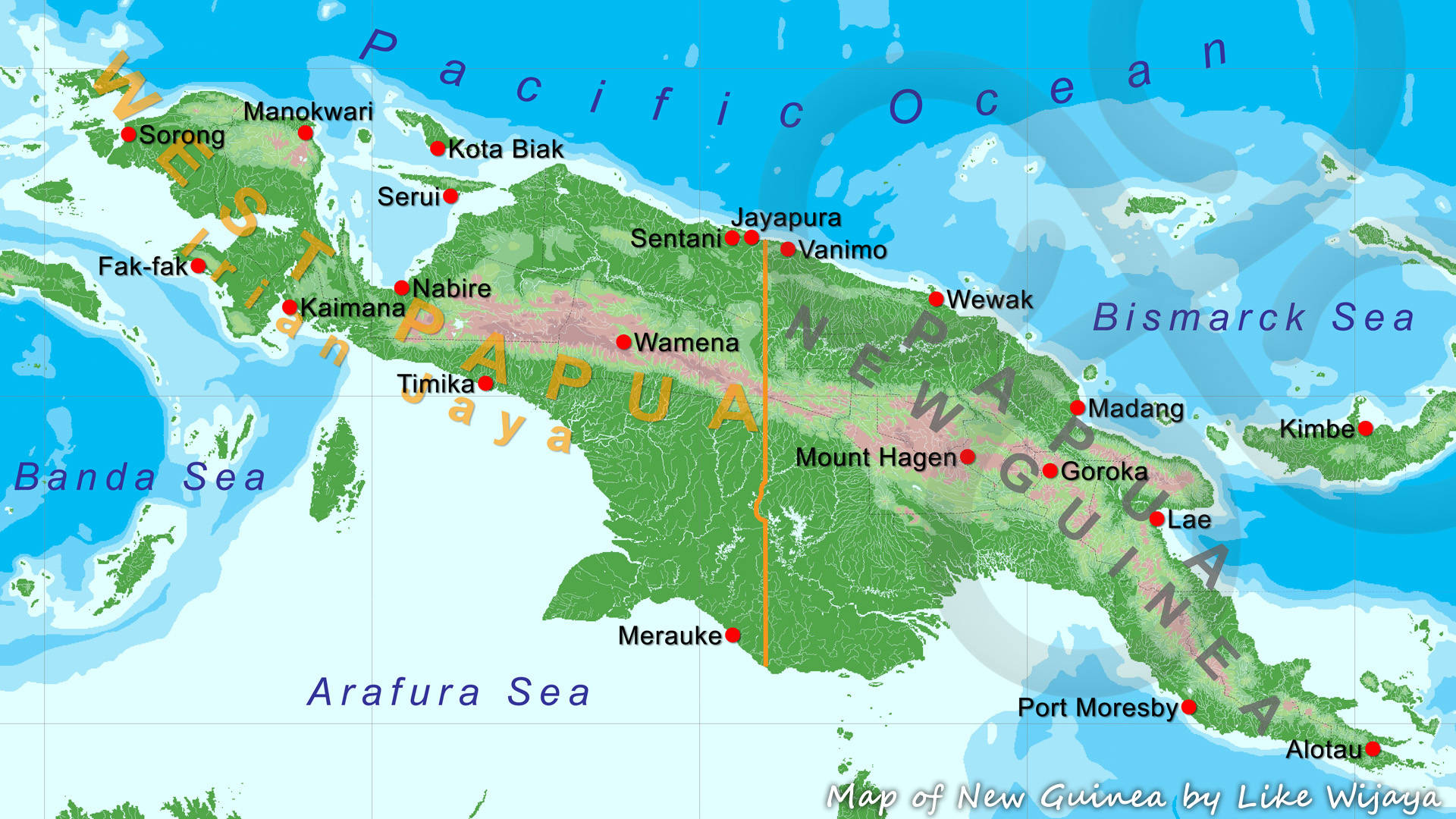
Understanding the administrative landscape of Indonesian New Guinea is essential for evaluating travel safety. The western half of New Guinea island is commonly referred to geographically as West Papua or Indonesian Papua. Administratively, the Indonesian government divided this landmass into six distinct provinces:
- Southwest Papua (Papua Barat Daya): Includes Sorong (the primary transit hub) and the Raja Ampat archipelago. This is the main tourist region and remains peaceful.
- West Papua (Papua Barat): Encompasses the Vogelkop (Bird's Head) Peninsula, including Manokwari, Kaimana, and Teluk Bintuni. Generally stable for marine tourism and eco-tours.
- Papua: Covers Jayapura (the capital and primary eastern entry point), Lake Sentani, and Biak Island. Stable urban centres with standard travel risks.
- Highland Papua (Papua Pegunungan): Encompasses the Jayawijaya Mountains, including Wamena and the Baliem Valley. Requires elevated caution, local guidance, and administrative permits.
- Central Papua (Papua Tengah): Includes Nabire, Intan Jaya, Puncak, and Mimika (Timika). High-security risk region with active insurgent conflicts in deep highland zones.
- South Papua (Papua Selatan): Includes Merauke and Asmat. Remote, sparsely populated, but generally unaffected by violent clashes.
When planning travel, international visitors must verify which specific province and regency (kabupaten) they intend to visit, as security conditions and permit requirements vary drastically across administrative lines.
Safety Landscape: Coastal Hubs vs. Interior Highlands
Security conditions across Indonesian New Guinea fall into two distinct profiles: low-risk coastal/marine zones and high-risk interior highland regencies.
| Low Risk / Minimal Conflict | High Risk / Active Conflict Zone |
|---|---|
| • Raja Ampat Archipelago | • Nduga Regency |
| • Sorong City & Transit Hubs | • Intan Jaya Regency |
| • Manokwari & Arfak (Guided) | • Puncak & Puncak Jaya |
| • Jayapura & Lake Sentani | • Pegunungan Bintang |
| • Biak & Kaimana | • Yahukimo Regency |
Coastal Marine Reserves and Urban Transit Hubs (Low Risk)
Locations such as Raja Ampat, Sorong, Manokwari, and Jayapura welcome tens of thousands of foreign divers, researchers, and tourists annually. Violent crime against foreigners in these areas is exceptionally rare. The primary security concerns in these zones mirror standard Southeast Asian travel risks: minor petty theft, transit delays, marine transport safety, and tropical health hazards. Government travel advisories, including those from the U.S. Department of State and the UK Foreign, Commonwealth & Development Office (FCDO), maintain standard precautions for main coastal cities and marine parks.
The Central Highlands and Conflict Zones (High Risk)
In contrast, foreign governments maintain explicit "Do Not Travel" or "Reconsider Travel" advisories for the interior highlands of Central Papua and Highland Papua. Regencies such as Nduga, Intan Jaya, Puncak, Puncak Jaya, Pegunungan Bintang, and Yahukimo experience ongoing armed conflict between the Indonesian Military (TNI)/National Police and the West Papua National Liberation Army (Tentara Pembebasan Nasional Papua Barat - TPNPB), the armed wing of the Free Papua Movement (Organisasi Papua Merdeka - OPM).
Risks in these central highland areas include:
- Armed Clashes: Periodic firefights near infrastructure projects, remote airstrips, and mining operations.
- Kidnapping and Hostage Situations: Insurgent groups have occasionally targeted foreign nationals, infrastructure workers, and aviation personnel to gain political leverage.
- Civil Unrest: Political demonstrations in highland towns like Wamena can escalate quickly into localized violence, curfews, or internet blackouts.
Travelers should avoid non-essential travel to central highland regencies. If traveling to relatively accessible highland cultural areas such as the Baliem Valley via Wamena, travelers must hire reputable local licensed guides, monitor real-time local intelligence, and strictly avoid military checkpoints or political gatherings.
Entry Requirements, Visas, and the Surat Jalan (Travel Permit)
Traveling to Indonesian New Guinea involves specific legal and administrative procedures beyond standard Indonesian immigration rules.
- Standard Indonesian Entry (e-VoA or B212 Tourist Visa)
- Determine Target Destination
- Coastal & Marine Zones (Raja Ampat, Sorong, Jayapura)
- Marine Park Pass (PIN)
- No Special Police Permit
- Restricted Interior (Baliem Valley, etc.)
- Obtain Surat Jalan at POLRES (Jayapura / Sorong / Wamena)
- Coastal & Marine Zones (Raja Ampat, Sorong, Jayapura)
Indonesian Visas
All foreign visitors must enter Indonesia with a valid passport (minimum 6 months validity) and an appropriate visa.
- Visa on Arrival (VoA / e-VoA): Valid for 30 days, extendable once for an additional 30 days. Eligible for tourists visiting standard destinations including Raja Ampat, Sorong, Manokwari, and Jayapura.
- Business or Special Visas: Journalists, researchers, non-governmental organization (NGO) workers, and official delegations require specific visas issued by the Indonesian Ministry of Foreign Affairs. Attempting to conduct journalistic work or academic research on a standard tourist visa is illegal under Indonesian immigration law and can result in immediate detention and deportation.
The Surat Jalan (Travel Permit)
A Surat Jalan is an official travel permit issued by the Indonesian National Police (Kepolisian Negara Republik Indonesia - POLMAS/POLRES).
- Where it IS required: Restricted interior regencies, sensitive highland zones (including parts of Wamena/Baliem Valley), and remote overland routes.
- Where it IS NOT required: Major tourist hubs including the Raja Ampat Archipelago, Sorong City, Manokwari town center, Jayapura city, Lake Sentani, and Biak.
How to Obtain a Surat Jalan:
- Location: Apply in person at the police headquarters (POLRES or POLDA) in Jayapura, Sorong, or Wamena.
- Required Documents:
- Original passport and 2–3 photocopies of the passport identification page.
- Photocopy of valid Indonesian visa and entry stamp.
- Two to four passport-sized photographs (typically 3x4 cm with a red or blue background).
- Detailed written itinerary outlining exact villages, dates, and accommodation.
- Contact details of local guides or host organizations.
- Processing: Usually takes between 1 to 3 hours. There is officially no legal fee for issuing a Surat Jalan, though local administrative processing delays can occur.
- Reporting Requirement: Upon arrival in your target destination, you must report to the local village police post (Polsek) to present your Surat Jalan for stamping.
Marine Park Entry Fees (Raja Ampat)
While Raja Ampat does not require a Surat Jalan, it requires an official Environmental Maintenance Fee (Kartu Pemeliharaan Lingkungan). Travelers must purchase this entry card at the official counter in Sorong (near the ferry terminal) or upon arrival at Marinda Airport in Waisai. The permit cost funds local conservation initiatives and community development.
Health Precautions and Emergency Medical Evacuation
Medical infrastructure across West Papua is limited compared to western Indonesia. Outside of regional hospitals in Jayapura, Sorong, and Timika, emergency medical facilities are minimal.
Tropical Diseases and Malaria
The lowland coastal plains and dense rainforests of Indonesian New Guinea present a high risk of Malaria (Plasmodium falciparum and Plasmodium vivax).
- Chemoprophylaxis: Consultation with a travel medicine physician is strongly recommended prior to departure. Standard recommended prophylactics include Atovaquone-proguanil (Malarone), Doxycycline, or Mefloquine.
- Vector Control: Use DEET- or Picaridin-based insect repellents, sleep under permethrin-treated bed nets in homestays, and wear long-sleeved clothing during dawn and dusk.
- Dengue and Chikungunya: Also present in urban and semi-urban environments; insect bite prevention is mandatory.
| Pre-Departure Preparation | On-The-Ground Protection |
|---|---|
| [ ] Consult travel health clinic | [ ] Apply DEET/Picaridin repellent |
| [ ] Secure prescription Malarone | [ ] Drink bottled/filtered water |
| [ ] Purchase Medevac Insurance | [ ] Wear light, long-sleeved gear |
| [ ] Update Routine Vaccinations | [ ] Avoid direct contact with livestock |
| [ ] Pack comprehensive First Aid | [ ] Carry rehydration salts (ORS) |
Food and Water Safety
- Water: Tap water throughout the region is not drinkable. Drink bottled, boiled, or ultra-filtered water. Avoid ice in remote village homestays.
- Food: Eat thoroughly cooked meals. Seafood in coastal areas is generally fresh, but ensure proper storage hygiene in remote resort locations.
Medical Evacuation Insurance
Due to geographical isolation, serious illness, diving accidents (such as decompression sickness), or physical trauma require air evacuation to major medical facilities in Bali, Jakarta, or Singapore.
Standard travel insurance policies frequently exclude high-risk activities or emergency air ambulances from remote territories. Travelers must verify that their policy includes:
- Emergency Medical Evacuation (Medevac): Minimum coverage of $100,000–$250,000 USD.
- Scuba Diving Coverage: For Raja Ampat visitors, coverage must include hyperbaric chamber treatments and search-and-rescue (SAR) operations (e.g., Divers Alert Network - DAN).
- Exclusion Clauses: Ensure the policy does not exclude coverage due to general travel advisories, provided you remain within low-risk administrative zones like Southwest Papua.
Regional Safety Overview Matrix
The table below outlines safety levels, permit requirements, and primary hazards across key destinations in Indonesian New Guinea.
| Destination / Regency | Province | Security Risk Level | Surat Jalan Required? | Primary Hazards & Considerations |
|---|---|---|---|---|
| Raja Ampat | Southwest Papua | Low | No | Marine safety, strong currents, malaria, remote medical access. |
| Sorong City | Southwest Papua | Low | No | Urban traffic, petty theft, transit delays. Safe logistics base. |
| Manokwari & Arfak | West Papua | Low – Moderate | No (Except specific inland zones) | Eco-trekking risks, basic infrastructure. Guided travel recommended. |
| Jayapura & Sentani | Papua | Low – Moderate | No | Political demonstrations around public holidays. Keep a low profile. |
| Wamena & Baliem Valley | Highland Papua | Moderate – High | Yes | Local political volatility, tribal disputes. Must hire experienced local guides. |
| Central Highlands (Intan Jaya, Nduga, Puncak) | Central / Highland Papua | High / Extreme | Restricted / Access Denied | Active armed insurgent activity, TNI military operations, risk of violence/kidnapping. |
| Merauke & South | South Papua | Low | No | Extremely remote overland travel, seasonal flooding, limited transport. |
Transport Safety and Practical Logistics
Traveling through West Papua requires flexibility, cash planning, and understanding local infrastructure limitations.
| Air Travel | Maritime & Overland |
|---|---|
| • Major Hubs: Sorong (SOQ), Jayapura (DJJ), Timika (TIM) | • Express Ferries: Sorong to Waisai (2 hours, daily schedule). |
| • Regional Carriers: Wings Air, Susi Air, Trigana Air. | • PELNI Ships: Slow, budget long-distance passenger ferries. |
| • Weather Delays: Common in highland airstrips. | • 4WD Charter: Necessary for Arfak Mountains and rural highlands. |
Air Travel
- Domestic Hubs: Direct flights operate daily from Jakarta (CGK), Makassar (UPG), and Bali (DPS) to Sorong (SOQ) and Jayapura (DJJ) via carriers such as Garuda Indonesia, Batik Air, and Lion Air.
- Regional Flights: Interior transport relies on smaller turboprop aircraft (Wings Air, Susi Air, Trigana Air). Highland airstrips can experience sudden cancellations due to adverse mountain weather or localized security closures.
Cash and Currency
- Foreign credit cards are accepted only at major resorts and hotels in Sorong, Jayapura, and Waisai.
- ATMs are sparse outside major urban centers. Travelers visiting local homestays, birdwatching lodges, or interior villages must carry sufficient Indonesian Rupiah (IDR) cash in small denominations.
Telecommunications
- Telkomsel is the primary mobile network provider with coverage across Indonesian New Guinea. Other networks frequently fail outside major cities.
- Signal is available in Sorong, Manokwari, Jayapura, and Waisai, but becomes weak or non-existent in outer islands of Raja Ampat and remote highland valleys. Consider bringing a satellite communication device (e.g., Garmin inReach) for deep jungle or off-grid marine expeditions.
Cultural Etiquette and Sensitive Dates
Respecting indigenous Papuan customs (Adat) and understanding political sensitivities reduces friction and ensures safe local interactions.
Cultural Norms
- Community Leadership: In tribal areas, always greet local elders or the village head (Kepala Desa) before exploring or photographing village grounds.
- Photography Etiquette: Always ask explicit permission before photographing local residents, particularly children, elders, or traditional ceremonies. Never photograph military personnel, police checkpoints, or security installations.
- Land Ownership: Virtually all land and reefs are owned under customary tribal rights (Hak Ulayat). Do not enter forest trails, dive spots, or private beaches without local permission or paying customary entrance fees.
Sensitive Dates
Political sensitivities heighten around specific anniversaries connected to the history of West Papua. On or around these dates, peaceful demonstrations or security operations may occur in Jayapura, Manokwari, and highland towns:
- December 1: Commemorates the 1961 declaration of Papuan independence. Security forces maintain high readiness; public gatherings may be restricted.
- May 1: Marks the 1963 transfer of West New Guinea to Indonesian administration.
- August 17: Indonesian Independence Day (widespread official parades and security presence).
During these periods, foreign travelers should avoid political gatherings, public rallies, or dense crowds, and follow advice from local guides and hotel managers.
Frequently Asked Questions
Is Raja Ampat safe to visit right now?
Yes. Raja Ampat is safe for international travelers. Located in Southwest Papua, it is geographically isolated from the central highland conflict zones. Standard marine safety protocols, insect protection, and verifying your dive operator's safety credentials are the main considerations when visiting.
Do I need a Surat Jalan to visit Raja Ampat or Sorong?
No. Foreign tourists do not require a Surat Jalan to visit Sorong, Manokwari, Jayapura, or the island groups of Raja Ampat. You only need your valid passport, Indonesian tourist visa, and the Raja Ampat Environmental Maintenance Fee pass.
What should I do if caught in localized political unrest?
If civil demonstrations or political protests occur while you are in a major city like Jayapura or Manokwari, remain inside your hotel or resort. Do not take photos or videos of political protests or military/police responses. Monitor local news, contact your country's embassy or consulate in Indonesia, and follow local authority instructions.
Can I travel independently to the Baliem Valley?
While independent travel to Wamena (the gateway to the Baliem Valley) is legally possible with a Surat Jalan, it is strongly discouraged for first-time visitors. Navigating indigenous tribal lands, language barriers, and sudden changes in local security conditions requires an experienced, locally based Papuan guide.
What medical precautions are essential before traveling to West Papua?
Consult a travel medicine expert at least 4–6 weeks prior to travel. Ensure routine vaccinations are up to date, obtain prescription malaria prophylaxis for lowland and jungle environments, and secure comprehensive travel insurance that includes emergency medical evacuation (Medevac) coverage.
Recommended Next Actions
To ensure a secure, well-managed itinerary in Indonesian New Guinea, follow this step-by-step preparation plan:
- Verify Destination Risk Profile: Double-check your destination regency against current government travel advisories (FCDO, U.S. Department of State, Smartraveller). Confirm your travel is strictly within stable administrative zones.
- Secure Appropriate Insurance: Confirm that your insurance policy covers medical air evacuation and specialized activities like scuba diving or mountain trekking, with no exclusions for administrative regions of Indonesia.
- Obtain Medical Clearances: Visit a travel health professional to secure malaria prophylactics and complete any recommended vaccinations (Yellow Fever, Hepatitis A/B, Typhoid).
- Prepare Document Copies: Print 4–6 physical copies of your passport ID page, Indonesian visa, passport photos, and itinerary if traveling to regions that require a Surat Jalan.
- Arrange Local Guides & Cash: Secure licensed local guides for eco-tours or highland trips, and withdraw adequate Indonesian Rupiah cash in main city hubs prior to venturing into remote islands or interior villages.
Image Gallery