Choosing Between a Balance Transfer and a Personal Loan for Credit Card Debt
Deciding between a balance transfer and a personal loan depends primarily on your credit score, the total amount of debt you owe, and your ability to pay off the balance within a promotional window. A balance transfer is often optimal...
Deciding between a balance transfer and a personal loan depends primarily on your credit score, the total amount of debt you owe, and your ability to pay off the balance within a promotional window. A balance transfer is often optimal for smaller amounts manageable within 12–21 months, while a personal loan provides a structured, fixed-term repayment plan for larger balances.
Contents
Understanding the Mechanics of Debt Consolidation
Debt consolidation is the process of combining multiple high-interest credit card balances into a single payment. The objective is either to lower your total interest expense or to simplify your monthly cash flow by moving debt from revolving credit lines to a product with a fixed end date.
The Balance Transfer Strategy
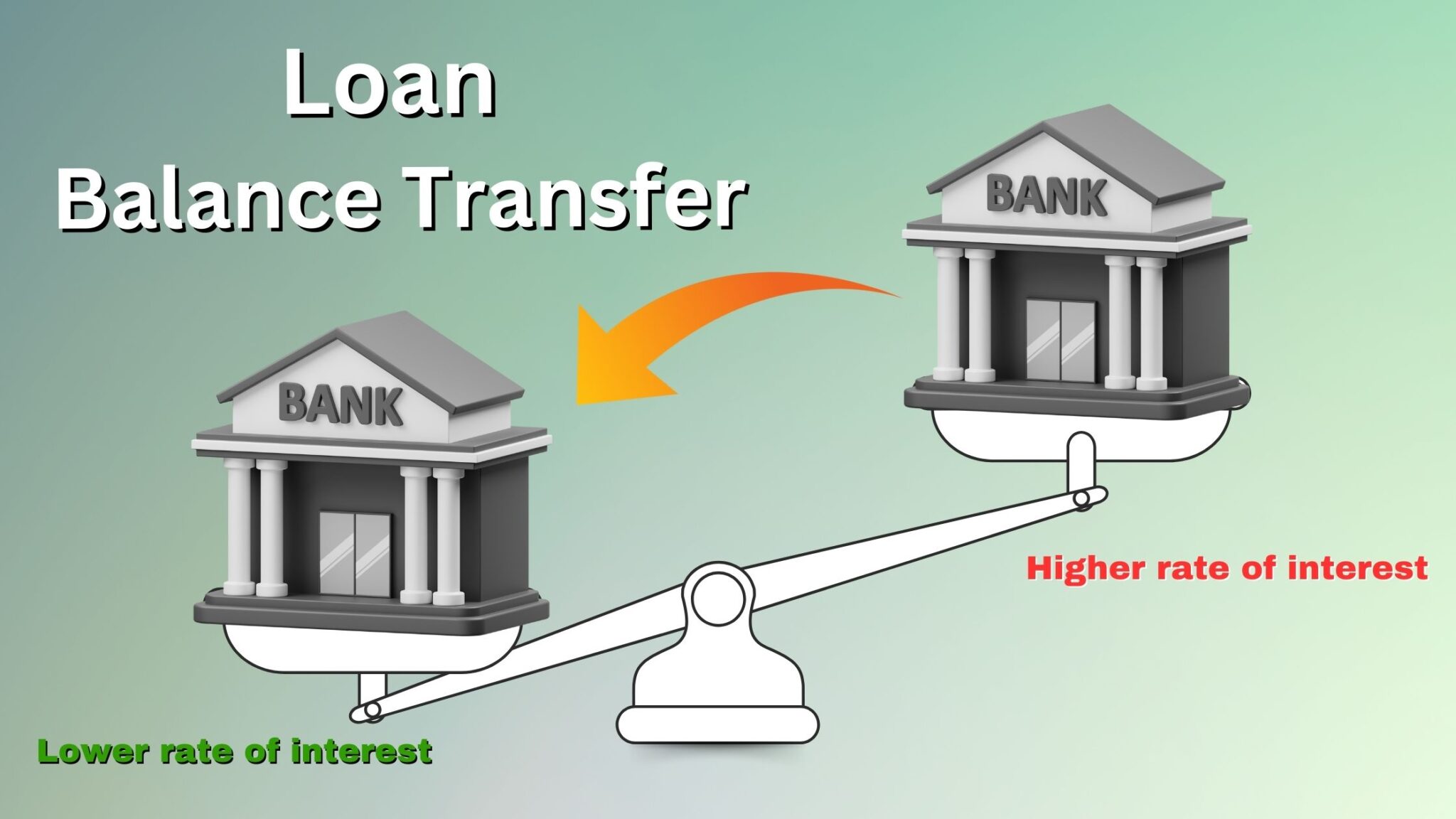
A balance transfer involves moving your existing credit card debt onto a new credit card that offers a 0% introductory APR period. This effectively "pauses" the interest charges on your debt for a limited timeframe, typically ranging from 12 to 21 months.
- How it works: You apply for a new credit card that specifically features a 0% APR on balance transfers. Once approved, you request a transfer of your current card balances to the new account.
- The Cost Factor: While the interest rate is 0%, most issuers charge a balance transfer fee, usually between 3% and 5% of the total amount transferred.
- The Risk: If you fail to pay off the entire balance before the promotional period ends, the remaining amount typically reverts to a standard, much higher APR.
The Personal Loan Strategy
A personal loan is an installment loan that provides a lump sum of cash. You use this cash to pay off your credit card balances in full, leaving you with a single, fixed monthly payment over a predetermined term, usually between two and seven years.
- How it works: You apply for a personal loan through a bank, credit union, or online lender. If approved, the funds are deposited into your bank account, which you then use to pay off your credit card issuers.
- The Cost Factor: Personal loans carry an interest rate (APR) that is fixed for the life of the loan. While this rate is typically lower than standard credit card rates, it is not 0%. You may also encounter origination fees, which are upfront charges deducted from the loan proceeds.
- The Benefit: Because the repayment schedule is fixed, you have a clear, predictable "finish line" for when your debt will be completely eliminated.
Comparative Analysis: Key Decision Criteria
To determine which path is right for you in 2026, evaluate your financial situation against these four pillars:
| Feature | Balance Transfer Card | Personal Loan |
|---|---|---|
| Interest Rate | 0% during promo period | Fixed APR (usually 6%–36%) |
| Repayment Term | 12–21 months | 2–7 years |
| Fees | 3%–5% transfer fee | 1%–8% origination fee |
| Monthly Payment | Variable; no fixed end date | Fixed, predictable installment |
| Ideal For | Smaller debt, short-term payoff | Large debt, long-term stability |
Prerequisite Eligibility Requirements
Before applying for either financial product, you must account for the lending criteria applied by financial institutions.
Credit Score Impacts Both options generally require "Good" to "Excellent" credit (typically a FICO score of 670 or higher). If your credit score has suffered due to high credit utilization—a common byproduct of carrying significant credit card debt—you may find it difficult to qualify for the best 0% APR offers or the lowest personal loan interest rates.
Income and Debt-to-Income (DTI) Ratio Lenders will assess your DTI ratio to ensure you have the capacity to take on a new obligation. A high DTI—where a large portion of your monthly gross income goes toward existing debt payments—can lead to a rejection for a personal loan, even if your credit score is acceptable.
The "Utilization" Trap It is important to remember that applying for new credit causes a "hard inquiry" on your credit report, which may temporarily lower your score. Furthermore, if you pay off credit cards via a personal loan but continue to use the cards, you risk doubling your debt load, as the original credit lines remain open and available for new charges.
Strategic Execution: Which One Should You Choose?
When to choose a balance transfer
- Manageable Debt Load: Your total credit card debt is small enough that you are confident you can pay it off completely during the 0% APR period.
- High Credit Score: You have the credit history required to qualify for the longest promotional periods available in the market.
- Disciplined Budgeting: You are capable of making monthly payments that are significantly higher than the minimum required to beat the expiration of the interest-free offer.
When to choose a personal loan
- Large Debt Balances: You have a significant amount of debt that would take more than two years to pay off at current interest rates.
- Desire for Predictability: You prefer the security of a fixed monthly payment that does not fluctuate.
- Credit Score Recovery: You want to consolidate your debt into an installment loan, which can sometimes improve your credit score more effectively than keeping multiple revolving credit card accounts open, provided you do not run up new balances on those cards.
Common Mistakes to Avoid
The most frequent error consumers make is failing to account for the "reversion rate." If you choose a balance transfer and only make the minimum payments, you will likely still have a substantial balance when the 0% period ends, at which point you will be subject to a high-interest rate that could be as high as 25% or more.
Another mistake is "double-dipping." After moving debt to a personal loan, some borrowers leave their credit cards open and continue to use them. This negates the progress made by consolidation and often leads to a cycle of mounting debt. If you opt for a personal loan, consider keeping only one credit card for emergencies and closing the others, or storing them in a secure location where they cannot be accessed for impulse spending.
Frequently Asked Questions
Does closing old credit card accounts hurt my credit score? Yes, it can. Closing accounts can reduce your total available credit and shorten your average account age, both of which are factors in your credit score. If you pay off debt with a personal loan, consider keeping the card accounts open with a zero balance to maintain your credit utilization ratio and account history.
Can I get a personal loan if I have bad credit? It is possible, but the interest rates will be significantly higher, which may defeat the purpose of consolidation. If your credit is poor, focus on paying down the debt through a structured budget or credit counseling before seeking a new loan.
Are there fees I should look out for? Yes. For balance transfers, always check the "balance transfer fee." For personal loans, check for "origination fees" and "prepayment penalties." A prepayment penalty would charge you for paying off the loan early, which is the exact opposite of what you want to do.
Will I be approved for a balance transfer if my utilization is already high? High utilization is a primary reason for rejection. If your current cards are near their limits, lenders view you as a higher risk. You may need to pay down some of the debt first to lower your utilization before a new issuer will grant you a new line of credit.
Final Recommendation
Before proceeding, perform a simple calculation: divide your total debt by the monthly payment you can realistically afford. If the resulting number of months is less than 15, a balance transfer card is often the most cost-effective tool. If the resulting number exceeds 24 months, a personal loan offers a safer, more sustainable structure to ensure you reach the finish line of debt-free status.
Image Gallery