Best Barcelona Stays: How to Choose Top-Rated Hotels Across Every Neighborhood
Selecting the ideal stay in Barcelona requires matching your travel itinerary with the right neighborhood, seasonal timing, and property style. Top-rated options range from high-end luxury icons along Passeig de Gràcia in Eixample to h...
Selecting the ideal stay in Barcelona requires matching your travel itinerary with the right neighborhood, seasonal timing, and property style. Top-rated options range from high-end luxury icons along Passeig de Gràcia in Eixample to historic boutique retreats in the Gothic Quarter. Evaluating factors like transit access, regional tourist taxes, and rooftop facilities ensures a seamless trip.
Contents
Understanding Barcelona’s Key Neighborhoods for Hotel Bookings
Barcelona is a city of distinct micro-districts, each offering a fundamentally different accommodations experience. Selecting the right area depends on your preference for historic architecture, proximity to major sights, night life, or coastal access.
- BARCELONA NEIGHBORHOOD MAP
- [Gràcia] - Village feel, local plazas
- [Eixample] - Modernisme, Passeig de Gràcia, grid
- [Gothic Quarter/El Born] - Medieval lanes, historic boutiques
- [Poblenou/Port Olímpic] - Coastal resorts, beach access
Eixample (Dreta and Esquerra)
Designed in the late 19th century by urban planner Ildefons Cerdà, Eixample is defined by its octagonal grid layout, wide avenues, and iconic Modernisme architecture.
- Dreta de l'Eixample (Right Side): Home to luxury shopping along Passeig de Gràcia and Antoni Gaudí’s masterworks, including Casa Batlló and Casa Milà (La Pedrera). This area hosts the highest concentration of five-star luxury hotels, refined fine-dining establishments, and restored neoclassical palaces.
- Esquerra de l'Eixample (Left Side): Offers a more residential feel with bustling pedestrian streets like Enric Granados. It features top-rated mid-range and boutique properties, exceptional tapas bars, and a relaxed urban atmosphere.
- Pros: Highly walkable, exceptionally safe, easy access to Metro lines L1 and L3, wide sidewalks.
- Cons: Premium pricing during peak periods; traffic noise on major arterial roads like Avinguda Diagonal and Gran Via.
The Gothic Quarter (Barri Gòtic) and El Born
Located in the heart of Ciutat Vella (the Old City), these quarters feature labyrinthine medieval alleys, hidden plazas, and buildings dating back to Roman times.
- Gothic Quarter: Best for travelers seeking immersive history. Properties here often occupy centuries-old structures with preserved stone walls and inner courtyards.
- El Born (La Ribera): Combines medieval architecture with trendy fashion boutiques, cocktail bars, and cultural hubs like the Picasso Museum and the Santa Maria del Mar basilica.
- Pros: Steps away from historic landmarks, central location, vibrant street life.
- Cons: Very limited vehicle access (taxis often cannot drop guests at the hotel door); noise levels can be high late into the night; rooms in historic structures may be smaller.
Poblenou and Port Olímpic (The Waterfront)
Stretching along the Mediterranean shoreline, the coastal districts offer a stark contrast to the historic city center.
- Poblenou: A former industrial area converted into a technology and design hub. It retains a relaxed neighborhood feel centered around the pedestrianized Rambla del Poblenou.
- Port Olímpic and Barceloneta: High-rise modern luxury accommodations dominate the waterfront, offering direct beach access, resort-style swimming pools, and expansive views over the sea.
- Pros: Beach proximity, modern building design, spacious rooms, integrated resort amenities.
- Cons: Located farther from central sights like Park Güell; higher reliance on the L4 Metro line or taxis to reach Eixample.
Gràcia
Located north of Eixample, Gràcia was an independent village until it was annexed by Barcelona in the late 19th century.
- Vibe: Bohemian, artistic, and pedestrian-friendly with low-rise residential buildings.
- Pros: Lower tourist density, authentic local dining options, peaceful environment.
- Cons: Fewer luxury or international chain options; requires a 15–20 minute transit ride to reach the seafront or lower Old City.
Evaluating Top-Rated Hotels by Accommodation Style
When choosing among top-rated properties, matching your expectations to the specific category of hotel ensures your stay meets practical needs regarding room size, amenities, and service levels.
Five-Star Luxury and Heritage Icons
Barcelona’s luxury hospitality sector features iconic, century-old hotels alongside cutting-edge international brands. Top-tier luxury properties typically provide Michelin-starred or chef-led dining, expansive subterranean spas, dedicated concierge services, and private airport transfers.
- Passeig de Gràcia Luxury: Properties like the Mandarin Oriental, Barcelona and the Majestic Hotel & Spa showcase high-end design, indoor pools, and prime retail placement directly on the city's main boulevard.
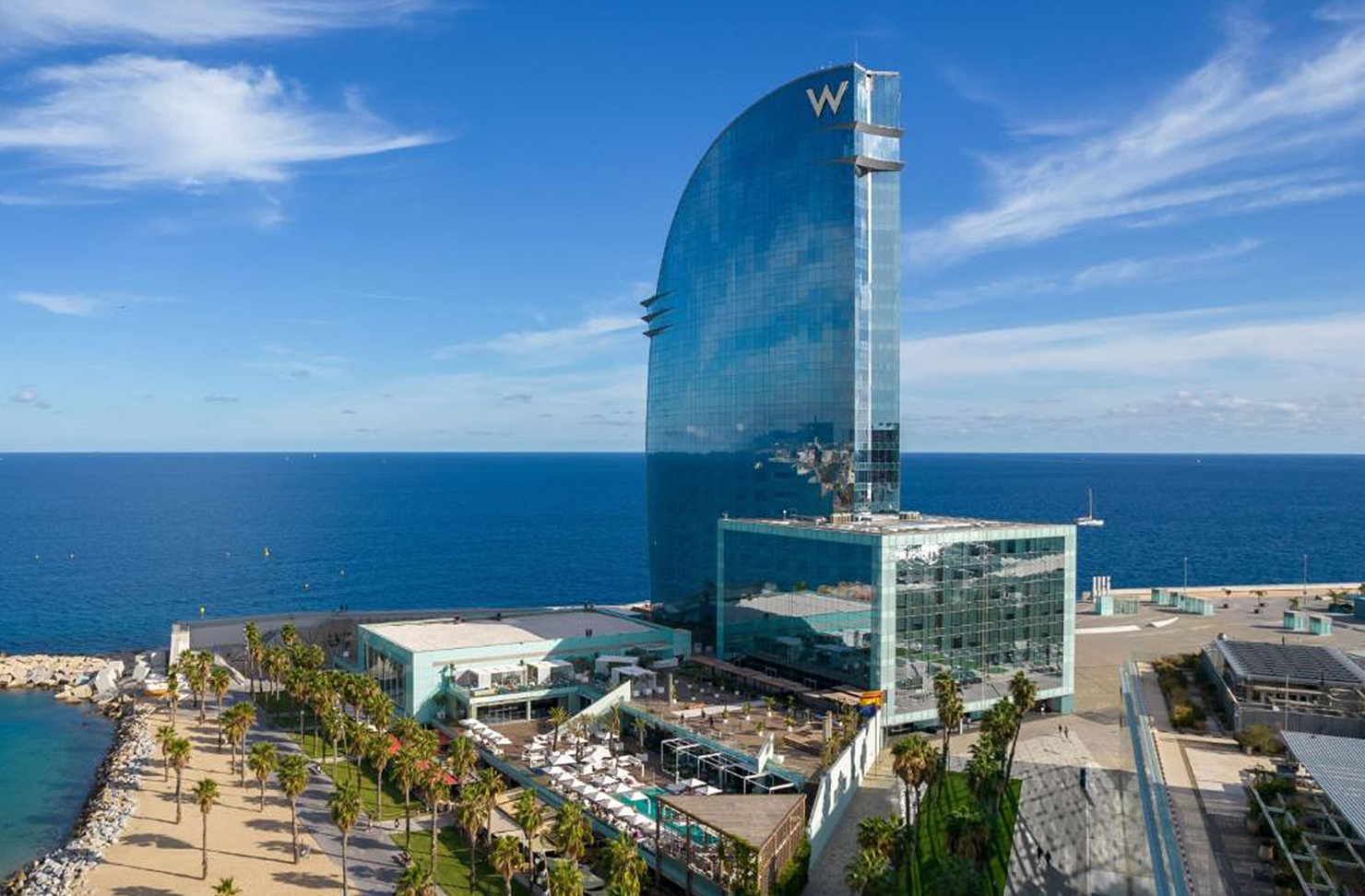
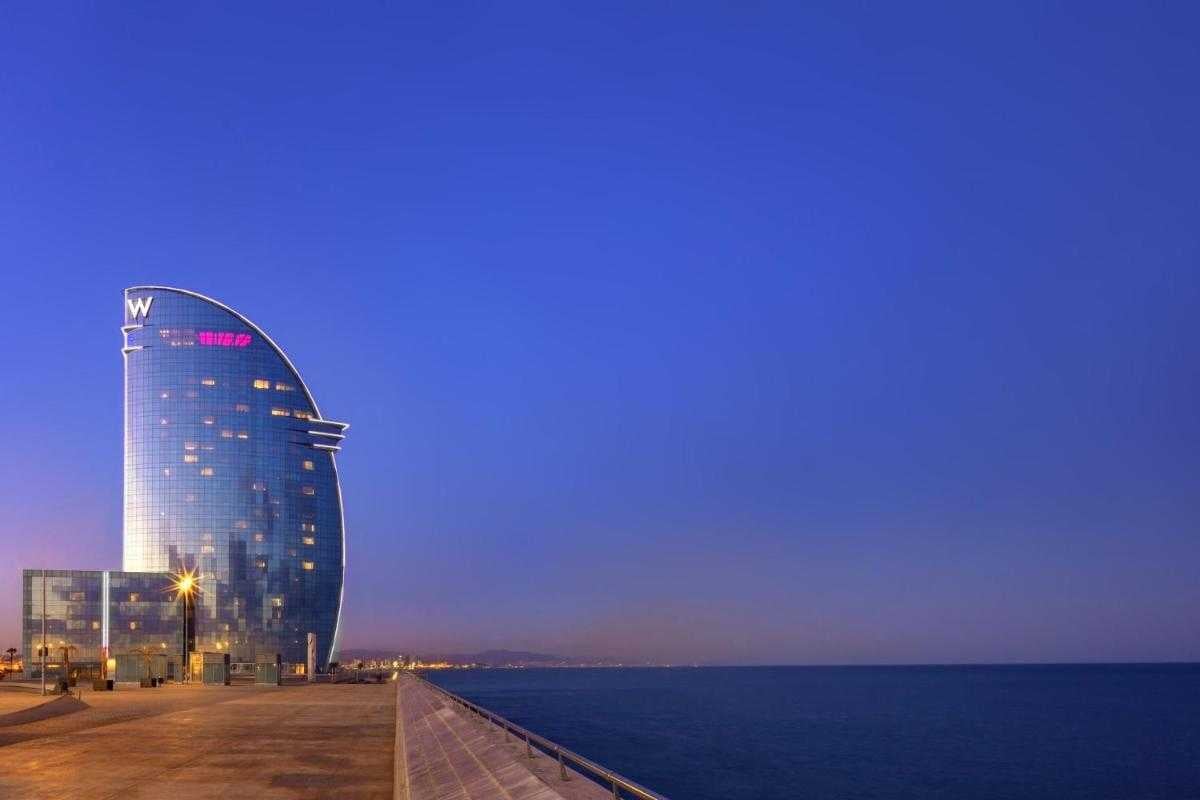
- Coastal Landmarks: The Hotel Arts Barcelona (managed by Ritz-Carlton) at Port Olímpic and the sail-shaped W Barcelona along Barceloneta beach prioritize expansive floor plans, outdoor pool decks, and unobstructed Mediterranean views.
Historic and Architectural Boutique Stays
Boutique hotels in Barcelona often focus on design heritage, occupying historic mansions, former textile headquarters, or ancient municipal buildings.
- Architectural Restoration: Properties such as the Cotton House Hotel (part of Marriott’s Autograph Collection) preserve mid-19th-century features like suspended marble staircases and ornate ceiling moldings while offering modern technology.
- Ancient History Integration: The Mercer Hotel Barcelona in the Gothic Quarter integrates 1st-century Roman walls and medieval defense structures into its luxury guest room architecture, offering an exclusive, intimate environment with fewer than 30 rooms.
Upper-Midrange and Design-Focused Stays
Travelers seeking high ratings without five-star price tags often turn to regional Spanish hotel groups known for consistent quality control, strong design aesthetics, and central locations.
- Local Chains: Groups like H10 Hotels (e.g., H10 Casa Mimosa, backing directly onto Gaudí's Casa Milà courtyard) and Catalonia Hotels & Resorts operate dozens of mid-to-upper-tier properties throughout Eixample and the Old City, featuring rooftop plunge pools and daily breakfast buffets tailored to European tastes.
Essential Criteria for Selecting Your Barcelona Hotel
To choose the property that best suits your needs, evaluate five essential parameters prior to booking:
1. Transport Accessibility
Verify proximity to the Barcelona Metro system. Major transfer hubs like Plaça de Catalunya, Passeig de Gràcia, and Diagonal connect the key urban lines:
- L1 (Red Line): Connects Plaça d'Espanya to Plaça de Catalunya and Arc de Triomf.
- L3 (Green Line): Directly services key sight corridors including Paral·lel, Liceu (La Rambla), Passeig de Gràcia, and Lesseps (for Park Güell access).
- Aerobús Access: If arriving via Josep Tarradellas Barcelona-El Prat Airport (BCN), choosing a hotel within a 10-minute walk of the Aerobús terminals at Plaça de Catalunya or Plaça d'Espanya eliminates the need for airport taxi queues.
2. Room Acoustics and Street Orientation
Barcelona is a vibrant city with active nighttime street cleaning, outdoor dining terraces (terrazas), and traffic.
- When booking in historic areas (Gothic Quarter, El Born), request rooms facing internal courtyards (pati d'illa) rather than street-facing windows.
- Ensure modern hotels list double or triple acoustic glazing, particularly if located on major boulevards like Gran Via, Av. Diagonal, or Via Laietana.
3. Rooftop Amenities and Seasonal Availability
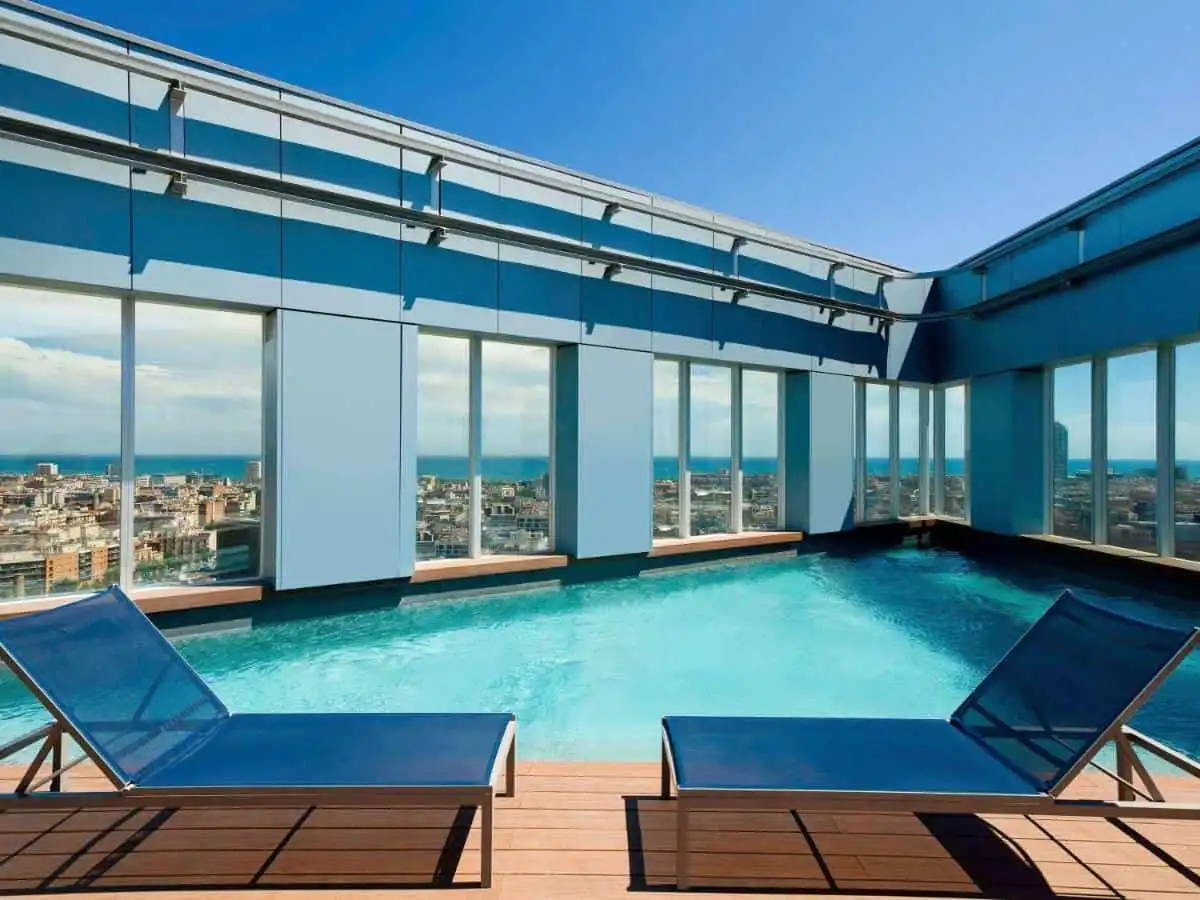
Rooftop terraces (terrazas) are a hallmark of Barcelona hospitality, providing views of the city skyline, La Sagrada Família, or the sea. However, verify operational constraints:
- Pool Heating: Outdoor rooftop pools in Barcelona are generally unheated and operate primarily for lounging from May through October.
- Terrace Access: Some hotel rooftops operate as public cocktail bars in the evenings, which can lead to busy elevator access for registered hotel guests.
4. Regional Tourist Tax Requirements
All tourist accommodations in Barcelona are subject to the Catalonian Regional Tourist Tax (Impost sobre les estades en establiments turístics - IEET) along with a specific municipal city surcharge (surtaxa municipal).
- Calculation: The tax is calculated per person, per night, up to a maximum of 7 consecutive nights for guests aged 17 and older.
- Rates: Rates scale based on the property’s official rating (4-star vs. 5-star/Grand Luxury).
- Payment: This fee is almost never included in third-party advance booking totals and must be settled directly at hotel check-out.
5. Accessibility and Luggage Logistics
If traveling with heavy luggage or requiring wheelchair access:
- Avoid smaller, non-restored historic properties in Ciutat Vella, which may feature step-up entries or small, retrofit elevators.
- Verify that your hotel has direct curb drop-off capability. Many streets in the Gothic Quarter are restricted pedestrian zones (illa de vianants) equipped with automated security bollards that block private vehicles and standard taxis.
Comparative Overview of Top Stays in Barcelona
The following matrix compares top-rated accommodations options across key Barcelona neighborhoods based on location, style, standard features, and target travel needs.
| Hotel Name | Neighborhood | Category | Standout Feature | Best Suited For |
|---|---|---|---|---|
| Mandarin Oriental, Barcelona | Eixample (Dreta) | Luxury (5-Star GL) | Spa facilities, terraced gardens, top shopping location | Luxury travelers, high-end shopping, wellness |
| Mercer Hotel Barcelona | Gothic Quarter | Historic Luxury Boutique | Integrated Roman fortification walls, courtyard | History enthusiasts, couples, quiet luxury |
| Hotel Arts Barcelona | Port Olímpic | Waterfront Luxury | Panoramic ocean views, extensive garden pool decks | Beach lovers, resort seekers, families |
| Cotton House Hotel | Eixample (Dreta) | Design Boutique (Autograph) | Historic textile palace staircase, grand library terrace | Architecture lovers, design conscious |
| H10 Casa Mimosa | Eixample (Dreta) | Upper Mid-Range | Garden pool terrace overlooking Casa Milà | Gaudí sightseeing, mid-range luxury, central base |
| The Serras Barcelona | El Born / Waterfront | Luxury Boutique | Historic 19th-century facade, Port Vell views | Harbor views, boutique service, gourmet dining |
| W Barcelona | Barceloneta | Waterfront Luxury | Distinctive sail architecture, vibrant beach club | Nightlife, ocean views, modern lifestyle |
| Alma Barcelona | Eixample (Right) | Independent Luxury | Private hidden inner-garden restaurant and terrace | Discreet luxury, quiet urban retreats |
Navigating Booking Logistics, Taxes, and Seasonal Timing
Maximizing value and securing preferred room categories requires understanding Barcelona’s event calendar and pricing windows.
| BARCELONA TRAVEL SEASONS | Period | Description |
|---|---|---|
| PEAK SEASON | May - Oct | High rates, warm pool weather |
| SHOULDER SEASON | Apr, Nov | Moderate rates, comfortable |
| OFF-PEAK SEASON | Dec - Mar | Lowest rates (Excl. MWC) |
Seasonal Pricing Windows
- Peak Season (May through October): High temperatures, full rooftop operations, and peak tourist volume drive room rates to annual highs. Booking 4 to 6 months in advance is recommended for primary locations in Eixample and along the beach.
- Shoulder Season (April and November): Mild weather, ideal sightseeing conditions, and moderate occupancy. Rates drop noticeably compared to summer peaks.
- Off-Peak Season (December through March): Cool weather brings the lowest baseline hotel rates of the year, making five-star properties significantly more accessible.
- Critical Exception: The Mobile World Congress (MWC), held annually in late February or early March at Fira Gran Via, drives citywide hotel occupancy to maximum capacity. Rates across all tiers multiply rapidly during this period, and central hotels book out months in advance.
Direct Booking vs. Third-Party Platforms
While online travel agencies (OTAs) offer easy price comparisons, top boutique and luxury hotels in Barcelona frequently reserve specific privileges for direct bookings, including:
- Complimentary daily breakfast options.
- Prioritized room assignments (e.g., higher floors away from street noise).
- Flexible cancellation windows up to 24 or 48 hours prior to arrival, which can be critical when travel schedules shift.
Frequently Asked Questions
What is the best neighborhood to stay in Barcelona for a first-time visitor?
Eixample (specifically Dreta de l'Eixample) is generally considered the best neighborhood for first-time visitors. It offers a safe, highly walkable environment filled with iconic Modernisme architecture, exceptional restaurant options, direct Metro connections, and easy access to top sights like La Sagrada Família, Casa Batlló, and Passeig de Gràcia.
How does the Barcelona tourist hotel tax work?
The hotel tax consists of a regional Catalonian fee plus a city-specific surcharge. Charged per guest per night (up to 7 consecutive nights for guests 17 years and older), the precise amount varies depending on the official star rating of the hotel (with 5-star and Grand Luxury hotels paying the highest rate). This fee is collected directly by the hotel during check-in or check-out.
Is it better to stay near the beach or in the city center?
If your primary focus is cultural sightseeing, shopping, and historical tours, staying in the city center (Eixample or El Born) saves commuting time. If your trip centers on leisure, sea activities, and resort-style amenities, staying along the waterfront (Poblenou or Port Olímpic) is ideal, though you will need to take short Metro or taxi rides to central landmarks.
Are hotels in the Gothic Quarter too noisy for light sleepers?
Hotels located directly on narrow pedestrian passages in the Gothic Quarter can experience late-night noise from pedestrians, outdoor bars, and morning sanitation services. Light sleepers staying in the Gothic Quarter should book rooms that face internal building courtyards (patis d'illa) or choose modern properties in Eixample with certified soundproof double glazing.
How far in advance should I book a hotel in Barcelona?
For summer peak travel (May to September) or major conference weeks like Mobile World Congress (February/March), book your stay 4 to 6 months in advance to secure reasonable rates and preferred room types. For shoulder and off-peak seasons, booking 6 to 8 weeks in advance typically yields good availability across most boutique and mid-range hotels.
Final Booking Checklist
Before confirming your reservation for a stay in Barcelona, complete this practical verification process:
- Check Location Constraints: Confirm whether the hotel is in a restricted pedestrian zone if you plan to arrive by taxi or rental car.
- Verify Room Orientation: Contact the front desk or note in your booking request a preference for a quiet interior courtyard view if sensitive to urban street noise.
- Factor in Local Surcharges: Budget for the local per-person, per-night municipal and regional tourist tax to avoid surprises at check-out.
- Confirm Transit Links: Ensure your hotel is within a 5-to-10-minute walk of a major Metro line (L1, L3, or L4) for efficient cross-city travel.
- Review Rooftop Access: If a swimming pool or rooftop lounge is a priority, verify seasonal opening dates and guest access policies.
Image Gallery