Exploring the Layers of São Paulo Culture: Architecture, Art, Gastronomy, and Heritage
São Paulo’s cultural identity is defined by its immense scale, historical immigration patterns, and relentless urban evolution. Rather than relying on a single aesthetic, the city manifests as a complex mosaic of modernist architecture...
São Paulo’s cultural identity is defined by its immense scale, historical immigration patterns, and relentless urban evolution. Rather than relying on a single aesthetic, the city manifests as a complex mosaic of modernist architecture, world-class art institutions, diverse ethnic enclaves, and avant-garde street culture across its distinct neighborhoods.
Contents
Architectural Evolution: From Colonial Foundations to Modernist Landmarks
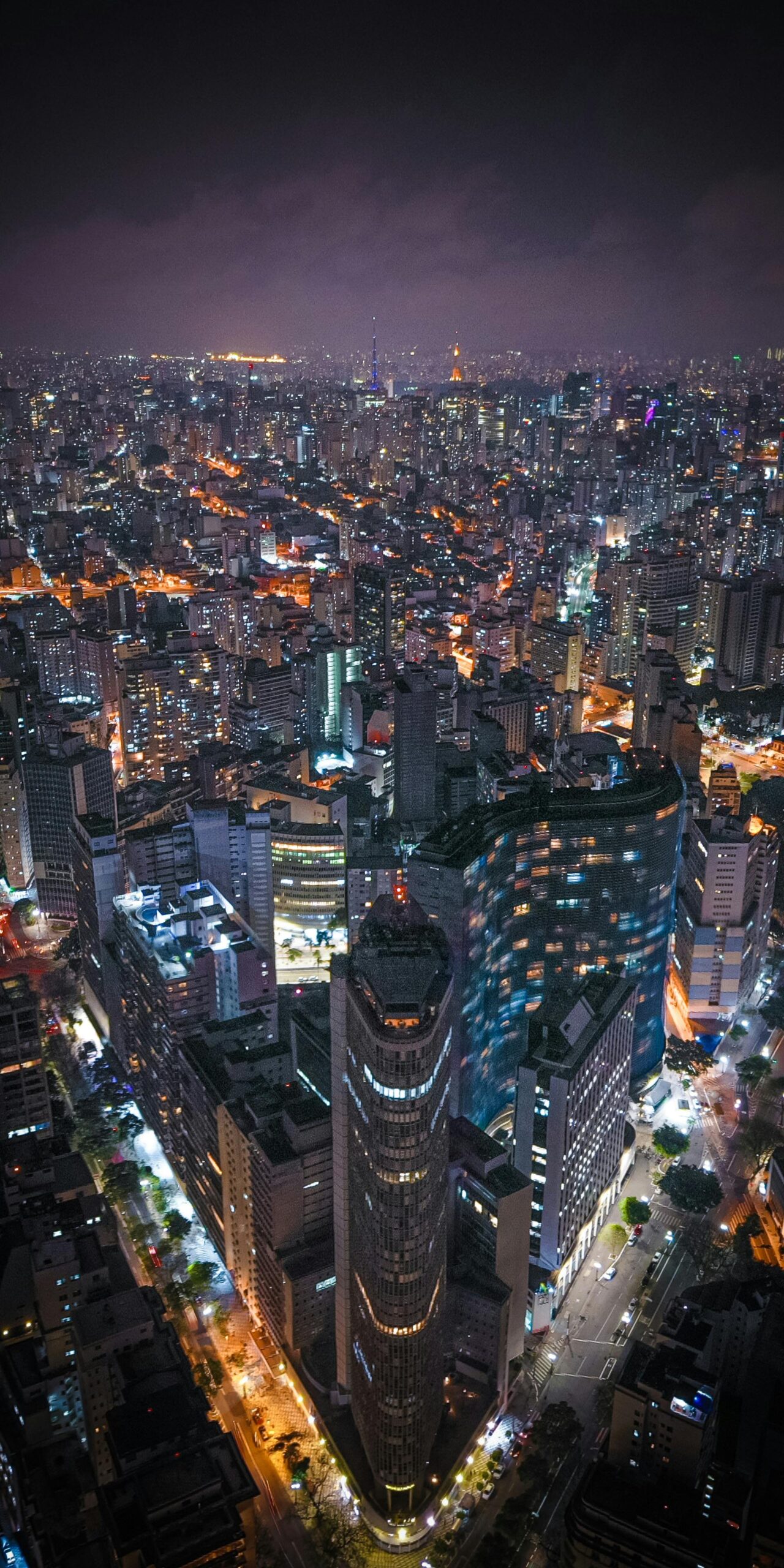
The built environment of São Paulo provides a physical timeline of its transformation from a modest Jesuit mission in 1554 into Latin America’s largest megacity. The city's architectural narrative is characterized by rapid urbanization driven by the 19th-century coffee boom, followed by an aggressive mid-20th-century embrace of architectural modernism.
| Time Period | Architectural Era / Style |
|---|---|
| 1554 - 1880s | Colonial & Vernacular (Pateo do Collegio, Taipa) |
| 1880s - 1930s | Eclectic & Neoclassical Coffee Era (Theatro Mun.) |
| 1930s - 1970s | High Modernism (MASP, Copan, Parque Ibirapuera) |
| 1970s - Present | Adaptive Reuse & Contemporary Skyline (Sesc, Farol) |
The Historic Center and Early Expansion
The historical core, known as the Centro Histórico, anchors the city's origins. At the site of Pateo do Collegio, original rammed-earth (taipa de pilão) construction techniques reflect early Portuguese and indigenous interactions. Nearby, the Catedral da Sé represents Neo-Gothic grandeur, featuring a massive crypt and capital decorations depicting Brazilian flora and fauna such as pineapples and coffee branches.
During the late 19th and early 20th centuries, coffee wealth funded extravagant European-style edifices designed to showcase paulistano sophistication. The Theatro Municipal de São Paulo, opened in 1911, exemplifies this Eclectic style, drawing structural and ornamental inspiration from the Palais Garnier in Paris.
Modernist Breakthroughs and Structural Innovation
Mid-century São Paulo became a global proving ground for tropical modernism, dominated by figures such as Oscar Niemeyer and Lina Bo Bardi. Oscar Niemeyer’s iconic Edifício Copan, completed in 1966, features a sweeping wave-like residential façade containing over 1,100 apartments, demonstrating how dense urban housing could achieve sculptural elegance. Niemeyer also designed the civic cluster within Parque Ibirapuera, including the Bienal Pavilion and the OCA exhibition hall.
Concurrently, Italian-born architect Lina Bo Bardi engineered the Museu de Arte de São Paulo (MASP) on Avenida Paulista. Suspended by two massive red concrete arches, the building creates a 74-meter clear span underneath, preserving public open space at street level while elevating the gallery floating above. MASP remains one of the premier concrete Brutalist icons of South America.
Adaptive Reuse and Cultural Hubs
Modern São Paulo actively repurposes industrial heritage for civic enrichment. Architect Lina Bo Bardi’s design for Sesc Pompéia converted a 1920s drum factory into a multi-use leisure and cultural center, combining exposed brick, unvarnished concrete towers, and open-air walkways. Operated by the Non-Profit Social Service of Commerce (Sesc SP), this facility set a precedent for urban regeneration without total demolition.
Demographic Tapestry: Immigration and Ethnic Neighborhoods
São Paulo’s cultural fabric is directly tied to massive international and internal migration waves. Between 1880 and 1930, millions of immigrants arrived through the Port of Santos to work on coffee plantations and in emerging urban industries, creating concentrated cultural enclaves that maintain distinct customs, architecture, and culinary identity today.
- Immigration Waves to São Paulo
- 1880s - 1920s: Italy (Bixiga, Mooca) & Syria/Lebanon (Mercadão area)
- 1908 - 1960s: Japan (Liberdade)
- 1950s - Present: Internal Migration from Northeast Brazil (CTN, Brás)
- 1970s - Present: South Korea & Bolivia (Bom Retiro, Brás)
Liberdade: The Asian Diaspora Hub
Liberdade houses the largest ethnic Japanese population outside of Japan, alongside growing Korean and Chinese communities. Transformed visually in the 1970s with traditional red torii gates and Asian street lanterns, the district centers on Praça da Liberdade. The area serves as an essential nexus for cultural festivals like Tanabata Matsuri (Star Festival) and weekly street markets featuring traditional craftsmanship and regional East Asian gastronomy.
Bixiga and Mooca: Italian Traditions
The neighborhoods of Bixiga (located within Bela Vista) and Mooca preserve strong Southern Italian heritage. Established primarily by immigrants from Campania, Calabria, and Apulia, Bixiga is famous for its dense concentration of family-run cantinas and annual street festivals such as the Festa de Nossa Senhora Achiropita. The neighborhood's urban grid retains historic villas—narrow worker alleys lined with colorful facades—which offer a stark contrast to neighboring glass towers.
Bom Retiro and Brás: Textiles and Dynamic Shifts
Bom Retiro exemplifies São Paulo's layered demographic history. Initially settled by Eastern European Jewish immigrants in the early 20th century, it evolved into the center of Brazil's wholesale garment trade. Subsequent decades brought significant Korean immigration, followed by recent waves from Bolivia and mainland China. Today, Korean cafes, traditional kosher bakeries, and Latin American street vendors operate within the same commercial corridors.
The Visual Arts and Museum Ecosystem
São Paulo operates as the undisputed artistic capital of Latin America, boasting world-class fine art museums, influential contemporary galleries, and an globally recognized street art movement.
- São Paulo Artistic Spectrum
- Institution & Fine Art
- MASP (Paulista)
- Pinacoteca (Luz)
- Museu Afro Brasil
- Urban & Street Art
- Beco do Batman
- Cidade Limpa Legacy
- Large-Scale Murals
- Institution & Fine Art
Institutional Pillars
The city’s major museums anchor its global art presence:
- Pinacoteca do Estado de São Paulo: Located in a renovated 19th-century brick structure designed by Ramos de Azevedo near Luz Station, the Pinacoteca focuses on 19th-century to contemporary Brazilian visual art. Its interior renovation by Paulo Mendes da Rocha won the Pritzker Prize in 2006.
- MASP: Famous for its radical interior exhibition design, MASP displays its permanent collection on clear glass easels mounted on concrete bases, allowing visitors to walk between floating paintings rather than following a fixed chronological wall path.
- Museu Afro Brasil Emanoel Araujo: Situated within Ibirapuera Park, the Museu Afro Brasil preserves over 6,000 works detailing the historical, artistic, and social contributions of African descendant populations to Brazilian culture and identity.
Underground and Street Art Culture
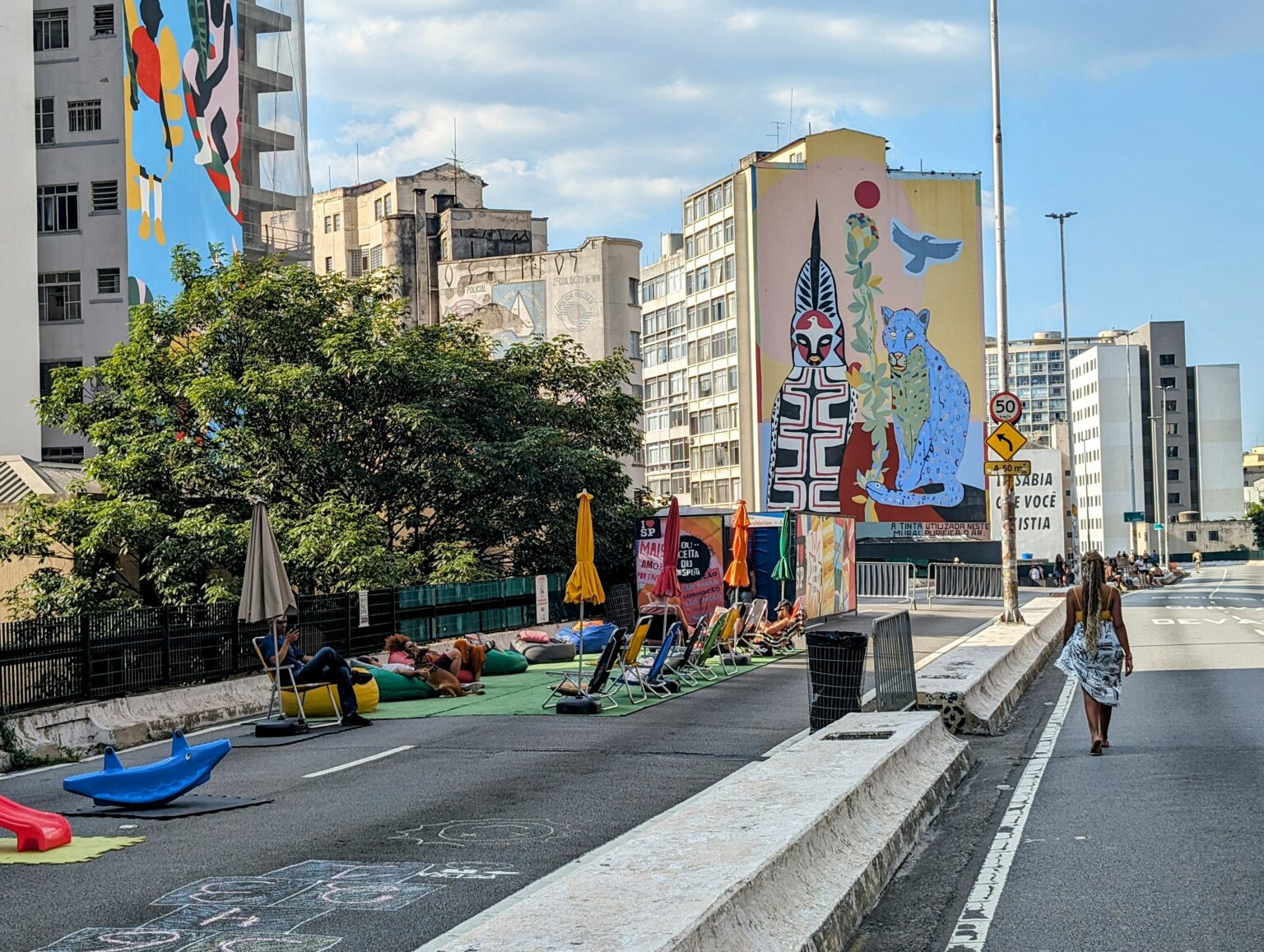
São Paulo is widely celebrated for its urban graffiti and pixação—a unique form of typographic street tagging born in the city's underbelly. Pixação features tall, angular, monochromatic lettering executed on high-altitude building ledges, serving as a socio-political critique of urban exclusion.
In contrast, colorful mural art flourished across neighborhoods like Vila Madalena. The alleyway known as Beco do Batman functions as an open-air dynamic gallery where street artists continuously rotate murals. Globally recognized artists including Os Gêmeos, Eduardo Kobra, and Nina Pandolfo originated in São Paulo's street movement, blending folklore, social realism, and vibrant geometry.
Musical Traditions and Performing Arts
Music in São Paulo reflects the convergence of rural Brazilian traditions, European classical heritage, and Afro-Brazilian rhythmic structures.
Samba Paulistano and Local Folk Traditions
While Rio de Janeiro is famed for its rapid samba beats, Samba Paulistano developed a distinct cadence shaped by working-class industrial spaces and Italian-descendant neighborhood accents. Songwriter Adoniran Barbosa immortalized this dialect and lifestyle in classics such as "Trem das Onze" and "Samba do Arnesto." Schools of samba like Vai-Vai in Bixiga and Nenê de Vila Matilde maintain deep community rootedness, orchestrating year-round cultural activities alongside annual Carnival parades at the Anhembi Sambadrome.
Classical Music, Modernism, and Avant-Garde Movements
In 1922, the Theatro Municipal hosted the landmark Semana de Arte Moderna (Modern Art Week), which catalyzed Brazilian Modernism in music, literature, and visual arts through figures like Heitor Villa-Lobos and Mário de Andrade. Today, classical music remains vibrant through institutions such as the Orquestra Sinfônica do Estado de São Paulo (OSESP), which performs inside the acoustically acclaimed Sala São Paulo, a converted 1930s train station hall in the Luz neighborhood.
Gastronomy as Cultural Expression
Food in São Paulo acts as an essential medium of social life and cultural preservation, reflecting both high culinary technique and accessible everyday traditions.
| Culinary Category | Representatives / Items |
|---|---|
| High Culinary Fine Dining | D.O.M. (Atala), A Casa do Porco (Rueda) |
| Ethnic Specialty Dining | Liberdade Izakayas, Bixiga Cantinas |
| Daily Street & Cafe Fare | Pastel de Feira, Coxinha, Padaria Counter Coffee |
Everyday Culinary Staples
- The Padaria Culture: The neighborhood bakery (padaria) serves as the informal living room of paulistano life. Residents gather daily at the counter (balcão) for a pão na chapa (toasted buttered baguette pressed on a griddle) accompanied by a strong média (espresso with steamed milk).
- Pastel de Feira: Sold at open-air street markets (feiras livres), these deep-fried thin pastry envelopes are filled with minced meat, cheese, or hearts of palm, traditionally paired with freshly squeezed sugarcane juice (caldo de cana).
- Virado à Paulista: A historic dish dating back to colonial explorers (bandeirantes), consisting of sautéed pork chops, tutú de feijão (mashed beans thickened with cassava flour), fried plantains, collard greens, and a fried egg.
Fine Dining and International Recognition
São Paulo is home to award-winning culinary establishments that elevate indigenous Brazilian ingredients. Chef Alex Atala's D.O.M. pioneered the use of Amazonian herbs, jambu, and tucupi in fine dining, while A Casa do Porco celebrates nose-to-tail cooking using heritage Brazilian pork breeds. The city's restaurant ecosystem spans tens of thousands of establishments, reflecting global styles from traditional Japanese izakayas to contemporary Middle Eastern eateries.
Structured Overview of Key Cultural Districts
To help visitors navigate the expansive city layout, the following overview breaks down São Paulo's primary cultural zones by location, signature character, and structural highlights:
| District / Hub | Dominant Cultural Identity | Key Institutions & Attractions | Transportation & Logistics |
|---|---|---|---|
| Centro Histórico | Colonial origins, Neoclassical coffee era, street heritage | Pateo do Collegio, Theatro Municipal, Farol Santander, Cathedral | Accessible via Metrô Stations: Sé, Anhangabaú, São Bento |
| Avenida Paulista & Bela Vista | High modernism, visual arts, financial & cultural axis | MASP, Japan House, Itaú Cultural, Sesc Avenida Paulista | Accessible via Metrô Line 2-Green (Trianon-Masp, Consolação) |
| Luz & Bom Retiro | Visual art, classical music, fashion trade, multiracial history | Pinacoteca, Sala São Paulo, Museu Afro Brasil (nearby), Parque da Luz | Accessible via Metrô/CPTM Station: Luz |
| Vila Madalena & Pinheiros | Urban art, creative design, nightlife, boteco culture | Beco do Batman, Instituto Tomie Ohtake, Mercado Pinheiros | Accessible via Metrô Line 4-Yellow (Fradique Coutinho, Faria Lima) |
| Liberdade | East Asian heritage, market traditions, diaspora architecture | Praça da Liberdade, Museum of Japanese Immigration, Street Market | Accessible via Metrô Line 1-Blue (Japão-Liberdade) |
Practical Guidance for Navigating Cultural Institutions
Visiting cultural sites across São Paulo requires strategic planning due to traffic congestion and variable operating schedules.
- Cultural Navigation Matrix
- Transport Strategy: Metrô / CPTM Rail (Primary) + Ride-share (Night)
- Access Planning: Reserve MASP / Pinacoteca tickets online in advance
- Free Admission Days: MASP (Tuesdays), Pinacoteca (Saturdays)
Transport Options
The public rail network—consisting of the Metrô (subway) and CPTM (commuter rail)—is efficient, clean, and covers most major cultural zones.
- Metrô Line 1 (Blue): Connects the historic center, Liberdade, and Luz.
- Metrô Line 2 (Green): Runs directly beneath Avenida Paulista.
- Metrô Line 4 (Yellow): Connects the historic center to the contemporary art hubs of Pinheiros and Vila Madalena.
Ride-sharing applications operate reliably throughout the city and are recommended for late-night transport between music venues and restaurants.
Admission Schedules and Free Entry
Many state and private museums offer free admission on specific days of the week, though timed advance online reservation is required:
- MASP: Free entry on Tuesdays (advance booking required).
- Pinacoteca do Estado: Free entry on Saturdays.
- Sesc Cultural Centers: Free entry to common areas, exhibitions, and architectural spaces year-round (performance tickets require nominal fees).
Frequently Asked Questions
What makes São Paulo's culture distinct from Rio de Janeiro?
While Rio de Janeiro’s identity is closely linked to coastal landscapes, outdoor beach lifestyle, and coastal samba, São Paulo’s culture is defined by industrial urbanism, architectural modernism, intense immigration diversity, and a massive network of visual art museums, theaters, and gastronomy.
Is Vila Madalena safe to visit for street art tours?
Yes, Vila Madalena—and specifically Beco do Batman—is generally safe during daytime and early evening hours due to constant pedestrian activity and tourist presence. Standard urban safety precautions, such as securing mobile phones and cameras, should be observed.
How much time should be allocated to explore São Paulo's cultural core?
A comprehensive introduction to São Paulo's cultural layers requires 3 to 5 full days. This permits exploration of the Historic Center, Avenida Paulista museum corridor, Liberdade, and the contemporary art scenes in Pinheiros and Vila Madalena.
Do I need to speak Portuguese to experience the local culture?
While English is commonly spoken at major international museums, high-end hotels, and fine dining establishments, basic Portuguese phrases are helpful when navigating public transit, traditional padarias, and local street markets.
Recommended Next Steps
To experience the cultural depth of São Paulo efficiently:
- Map Out Neighborhood Hubs: Group your visits by zone (e.g., pair Pinacoteca with Sala São Paulo in Luz; pair MASP with Sesc on Avenida Paulista) to minimize transit across the city.
- Pre-Book Museum Passes: Secure timed-entry tickets online for high-demand institutions like MASP and Pinacoteca at least 3-5 days in advance.
- Engage with Local Programming: Consult the schedule of Sesc SP for concerts, theatrical performances, and art lectures occurring across their 20+ venues in the metropolitan area.
Image Gallery