The Average Net Worth of Women in the United States: 2026 Data and Trends
As of 2026, the median net worth for single women in the United States is approximately $112,500, while the average (mean) net worth exceeds $650,000. These figures vary significantly by age, race, and marital status, with homeownershi...
As of 2026, the median net worth for single women in the United States is approximately $112,500, while the average (mean) net worth exceeds $650,000. These figures vary significantly by age, race, and marital status, with homeownership and retirement account balances remaining the primary drivers of wealth accumulation for American women.
Contents
Understanding Net Worth: Mean vs. Median for American Women
To accurately assess the financial health of women in the United States, it is essential to distinguish between the mean and the median net worth. In economic reporting, the mean is the mathematical average of all data points. However, because the United States has a high degree of wealth concentration at the top—specifically among ultra-high-net-worth individuals—the mean net worth for women is significantly skewed upward. This figure, while useful for macroeconomic analysis, does not reflect the "typical" experience of an American woman.
The median represents the midpoint of the population; half of all women have a net worth above this number, and half have a net worth below it. In 2026, the median is considered the most reliable metric for understanding the financial reality of the average person. The disparity between the mean ($650,000+) and the median (~$112,500) highlights the substantial wealth gap within the female population itself. While women have made significant strides in corporate leadership and entrepreneurship, the majority of female wealth is concentrated in home equity and defined-contribution retirement plans like 401(k)s.
The Current Wealth Landscape by Demographic
Wealth in the United States is rarely distributed evenly across age or racial groups. For women, the intersection of gender and race creates what economists often call the "double gap." According to historical data from the Federal Reserve Survey of Consumer Finances, white women generally hold significantly more wealth than Black or Latina women. This trend persists into 2026, though targeted financial literacy programs and increased entrepreneurship among women of color have begun to marginally narrow these discrepancies.
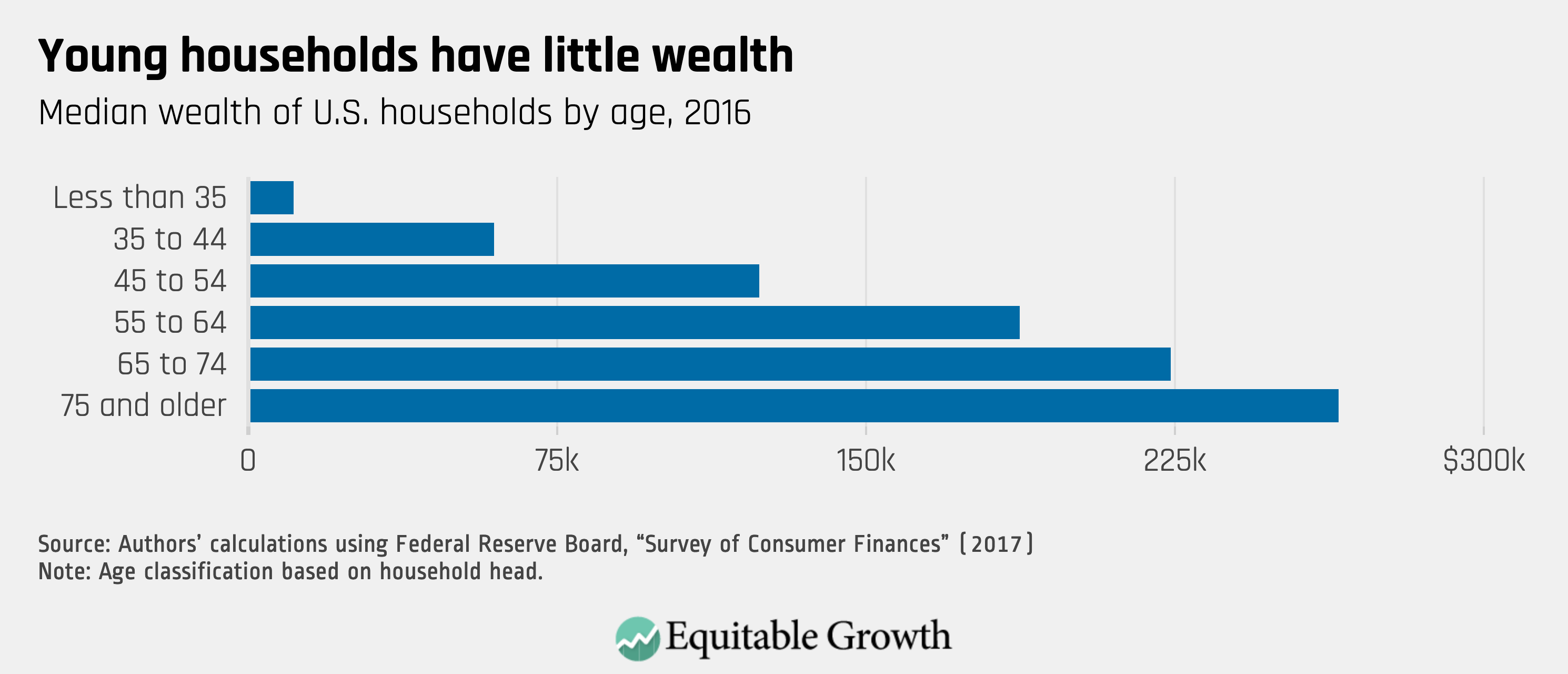
Age is the most significant predictor of net worth. Wealth is a cumulative metric, typically peaking as individuals approach retirement. For women in their 20s, net worth is often low or negative due to student loan obligations and entry-level wages. By the time women reach the 55–64 age bracket, the median net worth often triples compared to those in their 30s, primarily because of mortgage amortization and the compounding interest of long-term investments.
Comparative Analysis of Net Worth by Household Type
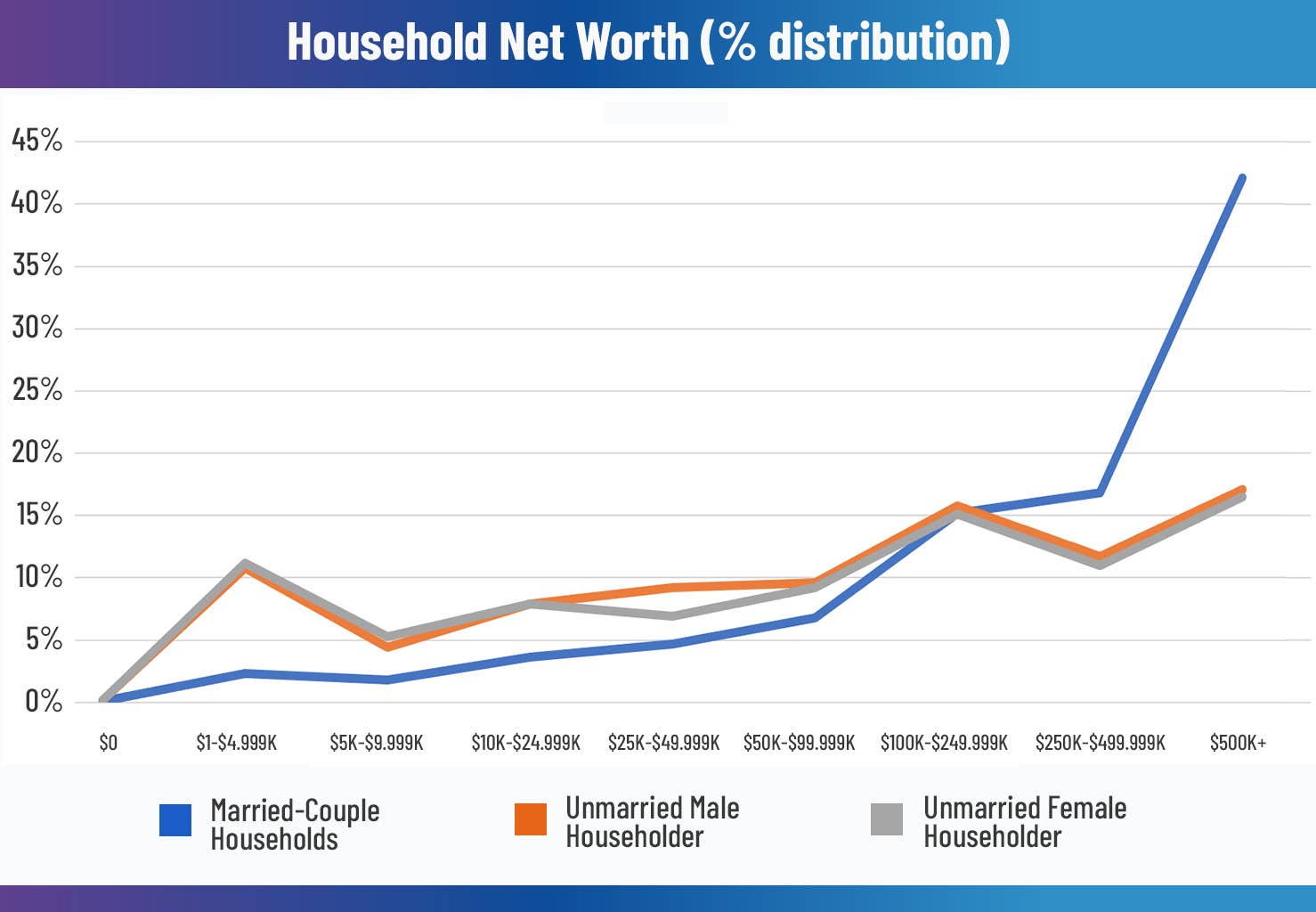
To understand where women stand, it is helpful to compare single female-headed households with single male-headed households and married couples. Married couples consistently show the highest net worth, not just because of two incomes, but because of tax advantages, shared expenses, and dual contributions to retirement and real estate assets.
| Household Category | Estimated Median Net Worth (2026) | Estimated Mean Net Worth (2026) |
|---|---|---|
| Single Women | $112,500 | $652,000 |
| Single Men | $135,000 | $710,000 |
| Married Couples | $425,000 | $1,280,000 |
| All Households | $215,000 | $1,150,000 |
Note: Data represents projections based on the growth of the Consumer Price Index (CPI) and asset market performance reported by the U.S. Census Bureau.
Primary Drivers of the Gender Wealth Gap
Despite women now earning more than 50% of bachelor’s degrees and entering the workforce in record numbers, the gender wealth gap remains more pronounced than the gender wage gap. While the wage gap focuses on annual income (roughly $0.84 for every dollar earned by men), the wealth gap is a measure of total accumulated assets. Several structural factors contribute to this disparity in 2026.
The Impact of Caregiving and Career Interruptions
Women are statistically more likely to take breaks from the workforce to care for children or aging parents. According to the U.S. Bureau of Labor Statistics, these interruptions lead to "lost" years of compound interest in retirement accounts and lower Social Security contributions. Even a three-year break in one’s 30s can result in a six-figure difference in terminal net worth by age 65 due to the loss of employer-matching contributions and market growth.
Differences in Investment Risk Tolerance
Historical data suggests that women tend to hold a higher percentage of their assets in cash or "safe" investments compared to men, who may lean more heavily into equities. While this provides stability during market volatility, it often results in lower long-term returns. By 2026, however, there has been a visible shift, with more women participating in retail brokerage platforms and diversified index funds, which is helping to stabilize the growth of female-held wealth.
The Student Debt Burden
Women hold nearly two-thirds of the outstanding student loan debt in the United States. Because debt is a direct liability subtracted from total assets, high student loan balances keep the net worth of younger women suppressed for longer periods. This delay in achieving a positive net worth hinders their ability to save for a down payment on a home, which remains the primary vehicle for middle-class wealth building.
Asset Allocation: How Women Hold Their Wealth
The composition of a woman’s net worth in 2026 is typically divided into three main categories: real estate, retirement accounts, and liquid savings. For the average woman, the primary residence is the single largest asset. Homeownership rates for single women have remained resilient, often outpacing single men in certain urban demographics.
Retirement assets, including IRAs and 401(k)s, form the second pillar. The Social Security Administration highlights that women rely more heavily on these private savings and Social Security benefits because they have longer life expectancies than men. Consequently, a net worth that appears "average" may actually be insufficient for a woman who needs to fund a retirement spanning 30 years or more.
Business equity is a growing third pillar. In the 2026 economic environment, women-owned businesses have become a vital segment of the economy. For female entrepreneurs, the valuation of their business often represents a significant portion of their "mean" net worth, though this wealth is often illiquid until an exit or sale occurs.
Strategies for Increasing Net Worth in 2026
For women looking to improve their financial position relative to national averages, several verified strategies have proven effective in the current economic climate.
- Prioritize Tax-Advantaged Growth: Maximize contributions to Roth IRAs or 401(k)s. In 2026, the power of tax-free growth is essential for offsetting the effects of inflation on cash savings.
- Increase Equity Exposure: Transitioning from high-yield savings accounts to broad-market index funds allows for wealth accumulation that outpaces the cost of living. Professional financial advisors recommend that women ensure their portfolios are not overly conservative for their age bracket.
- Real Estate as a Lever: Even in a high-interest-rate environment, homeownership remains a forced savings vehicle. Building equity in a primary residence is the most common way American women move from a five-figure to a six-figure net worth.
- Negotiation and Income Maximization: Since wealth is built from surplus income, closing the wage gap through aggressive salary negotiation and continuous upskilling is a prerequisite for long-term wealth.
Frequently Asked Questions
What is considered a "good" net worth for a woman in her 40s?
In 2026, a median net worth for a woman in her 40s is approximately $130,000 to $160,000. However, a "good" net worth is subjective and should be measured against your retirement goals and cost of living. Ideally, by age 45, one should aim to have a net worth equal to three to four times their annual salary.
Does education level significantly impact these averages?
Yes. Women with a bachelor’s degree or higher have a median net worth nearly five times greater than those with only a high school diploma. This is due to both higher lifetime earnings and increased access to employer-sponsored retirement benefits.
How has the 2026 economy affected the net worth of women?
The 2026 economy has seen a stabilization of inflation but higher sustained interest rates. This has benefited women with significant savings in fixed-income assets but has made it more difficult for younger women to enter the housing market, which is a key component of net worth growth.
Why is the average (mean) so much higher than the median?
The average is inflated by the small number of female billionaires and multi-millionaires. For example, if ten women are in a room and one is a billionaire, the "average" net worth would be $100 million, even if the other nine have $0. The median avoids this distortion by looking at the person in the middle.
Are single women wealthier than single men?
Generally, no. In 2026, single men still hold a slightly higher median net worth than single women, largely due to the cumulative effects of the wage gap and different historical investment patterns. However, the gap is narrower among younger generations (Gen Z and late Millennials).
Practical Next Action
To benchmark your own financial progress against these national averages, calculate your net worth by listing all assets (cash, retirement accounts, home value, cars) and subtracting all liabilities (mortgage balance, student loans, credit card debt). If you find you are below the 2026 median for your age group, focus on increasing your "gap"—the difference between what you earn and what you spend—and directing that surplus into appreciating assets rather than liquid cash.
Image Gallery