Understanding the Trade In Value of iPhone 12 in 2026
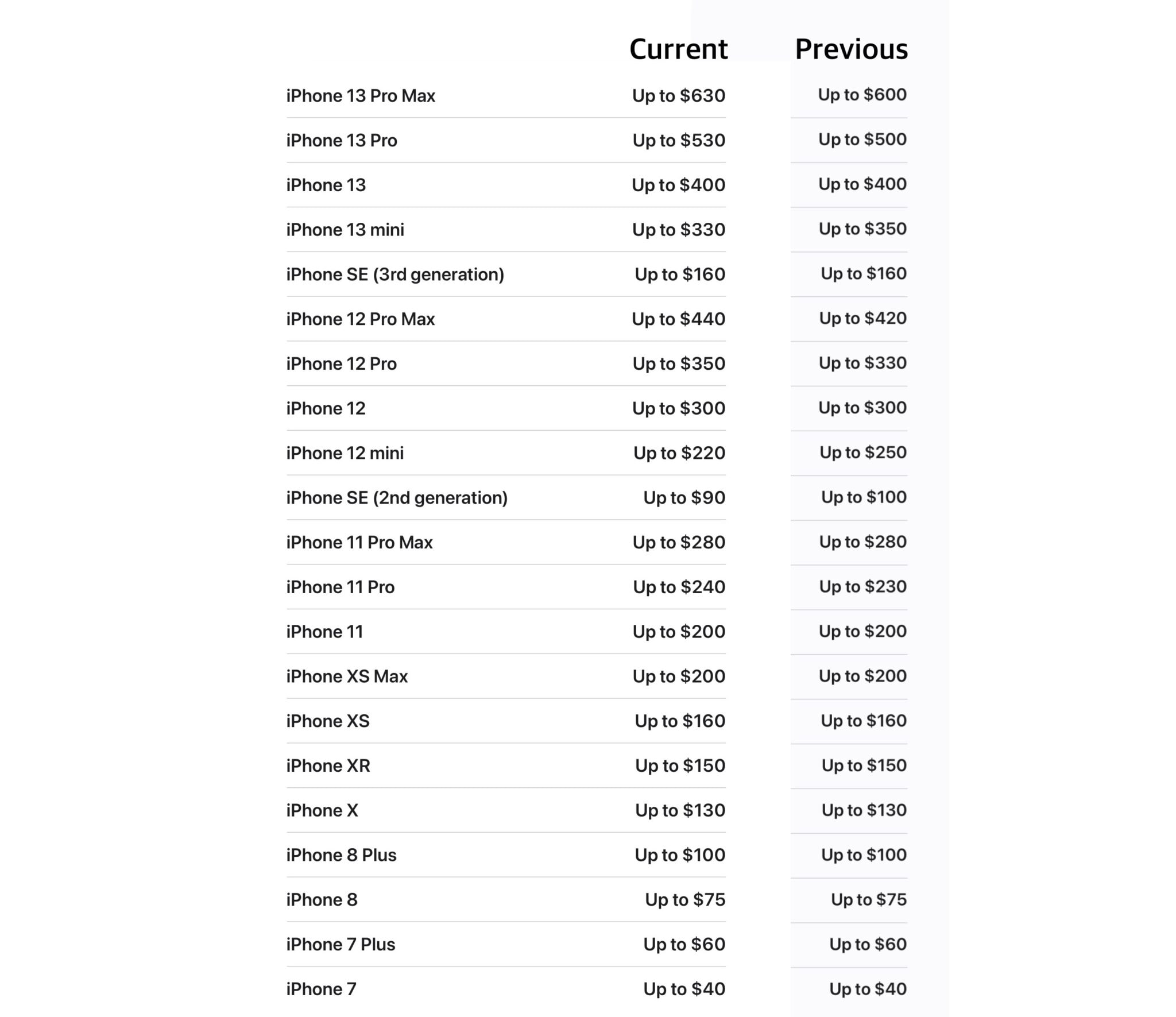
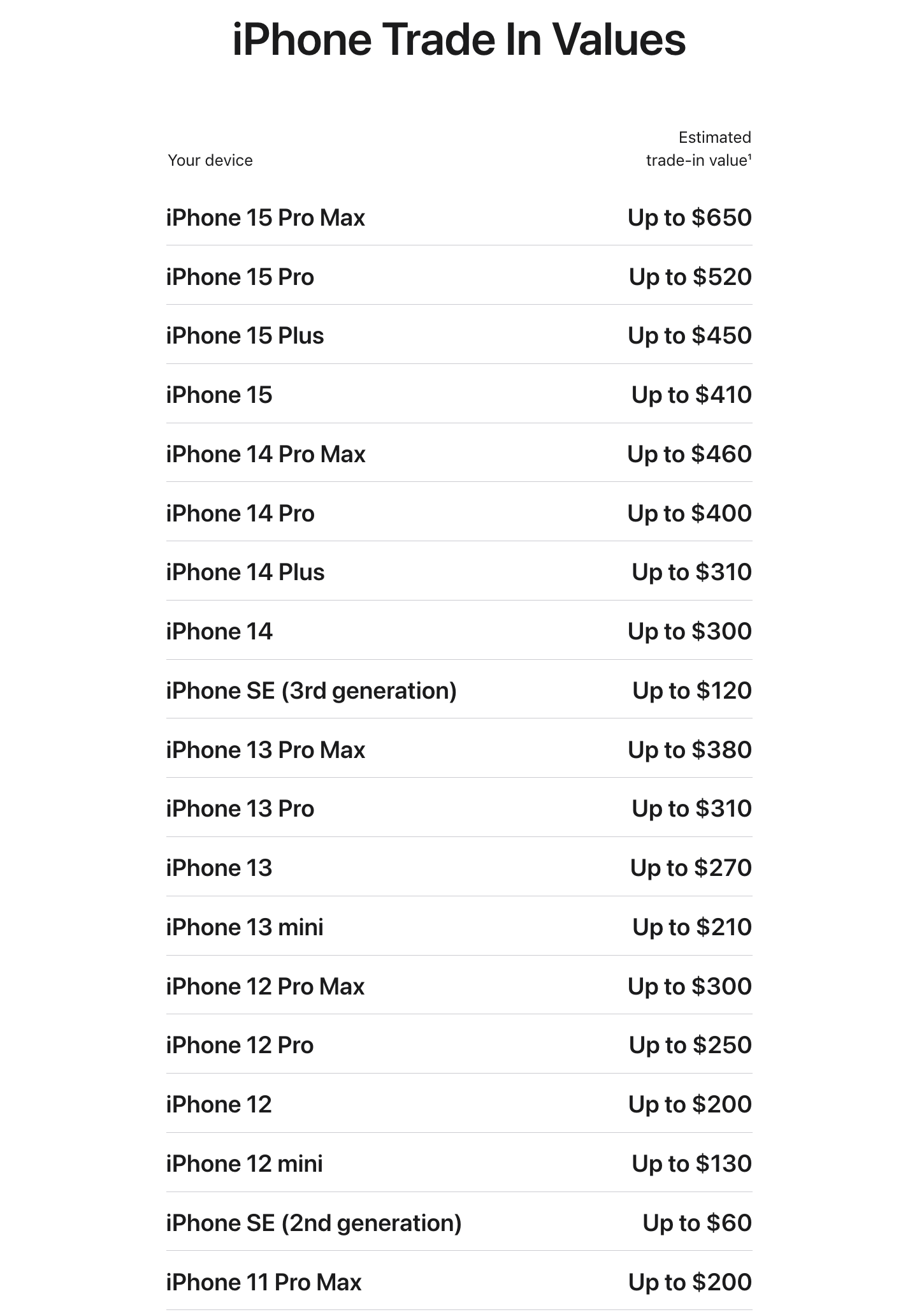
In 2026, the iPhone 12 is considered a legacy device nearing the end of its primary lifecycle. Depending on its physical condition and storage capacity, trade-in values typically range between $50 and $160. While carrier promotions may...
In 2026, the iPhone 12 is considered a legacy device nearing the end of its primary lifecycle. Depending on its physical condition and storage capacity, trade-in values typically range between $50 and $160. While carrier promotions may offer higher "bill credit" incentives for upgrades, the raw market value has significantly depreciated due to its age and technical limitations.
Contents
Determining the exact trade-in value of an iPhone 12 today requires a nuanced look at the current secondary electronics market. Since its release in late 2020, the iPhone 12 has transitioned from a flagship 5G pioneer to a budget-tier entry point for those seeking the iOS ecosystem. As of 2026, several factors—ranging from battery health to software compatibility—dictate whether your device is worth a significant discount on a new model or merely the price of a modest dinner.
The Lifecycle of the iPhone 12 in 2026
To understand the trade-in value of an iPhone 12, one must first recognize its place in the current technological landscape. In 2026, the iPhone 12 is six years old. Historically, Apple provides major iOS updates for approximately six to seven years. This means the iPhone 12 is likely running its final or penultimate version of iOS. For trade-in providers, a device approaching its "End of Life" (EOL) for software updates is a liability, as its resale value to future consumers is limited.
The hardware, while revolutionary at launch, now shows its age. The A14 Bionic chip, the first 5nm chip in a smartphone, remains capable for basic tasks like web browsing and messaging, but it struggles with the high-intensity AI features integrated into modern 2026 mobile operating systems. Furthermore, the first-generation 5G modems found in the iPhone 12 are less power-efficient than the modern iterations found in the iPhone 17 or iPhone 18 series. These technical hurdles naturally suppress the trade-in value as refurbishers find it harder to find buyers for older tech.
Primary Factors Influencing Trade-In Value
The valuation of a used smartphone is not a monolithic number; it is a calculation based on specific variables that determine how easily the device can be refurbished and resold.
Physical and Functional Condition
This is the most critical factor. Trade-in providers generally categorize devices into four tiers:
- Flawless/Like New: No visible scratches on the screen or frame, 100% functional, and no history of third-party repairs.
- Good/Normal: Minor "pocket wear" or light scratches that cannot be felt with a fingernail.
- Cracked/Damaged: Cracks in the glass (front or back), significant dents, or non-functional buttons. In 2026, a cracked iPhone 12 often has a trade-in value near $0 at major retailers, though some specialized recyclers may offer $10–$20 for parts.
- Non-Functional: Devices that do not power on or have "Find My iPhone" activation locks are generally rejected or accepted only for eco-friendly recycling with no monetary return.
Battery Health
By 2026, most original iPhone 12 batteries will have exceeded their optimal 500-to-800 charge cycles. If the battery maximum capacity has dropped below 80%, the device may trigger "Service" warnings. Many trade-in programs, including Apple’s official trade-in portal, will deduct the cost of a battery replacement from the final quote. A device with a healthy, recently replaced battery will always command the top end of the valuation spectrum.
Storage Capacity and Model Variant
The iPhone 12 was sold in 64GB, 128GB, and 256GB configurations. In 2026, 64GB is considered insufficient for modern app sizes and high-resolution media. Consequently, the 64GB model sits at the lowest price floor.
- iPhone 12 Mini: Often sees lower value due to its smaller battery, which degrades faster.
- iPhone 12 Pro/Pro Max: These models hold value slightly better because of their stainless steel frames and 6GB of RAM (compared to the 4GB in the standard 12), which helps with modern multitasking.
Where to Trade In: Comparing the Markets
The value you receive depends heavily on where you choose to trade it in. Each platform has a different business model for handling used electronics.
Manufacturer Trade-In (Apple)
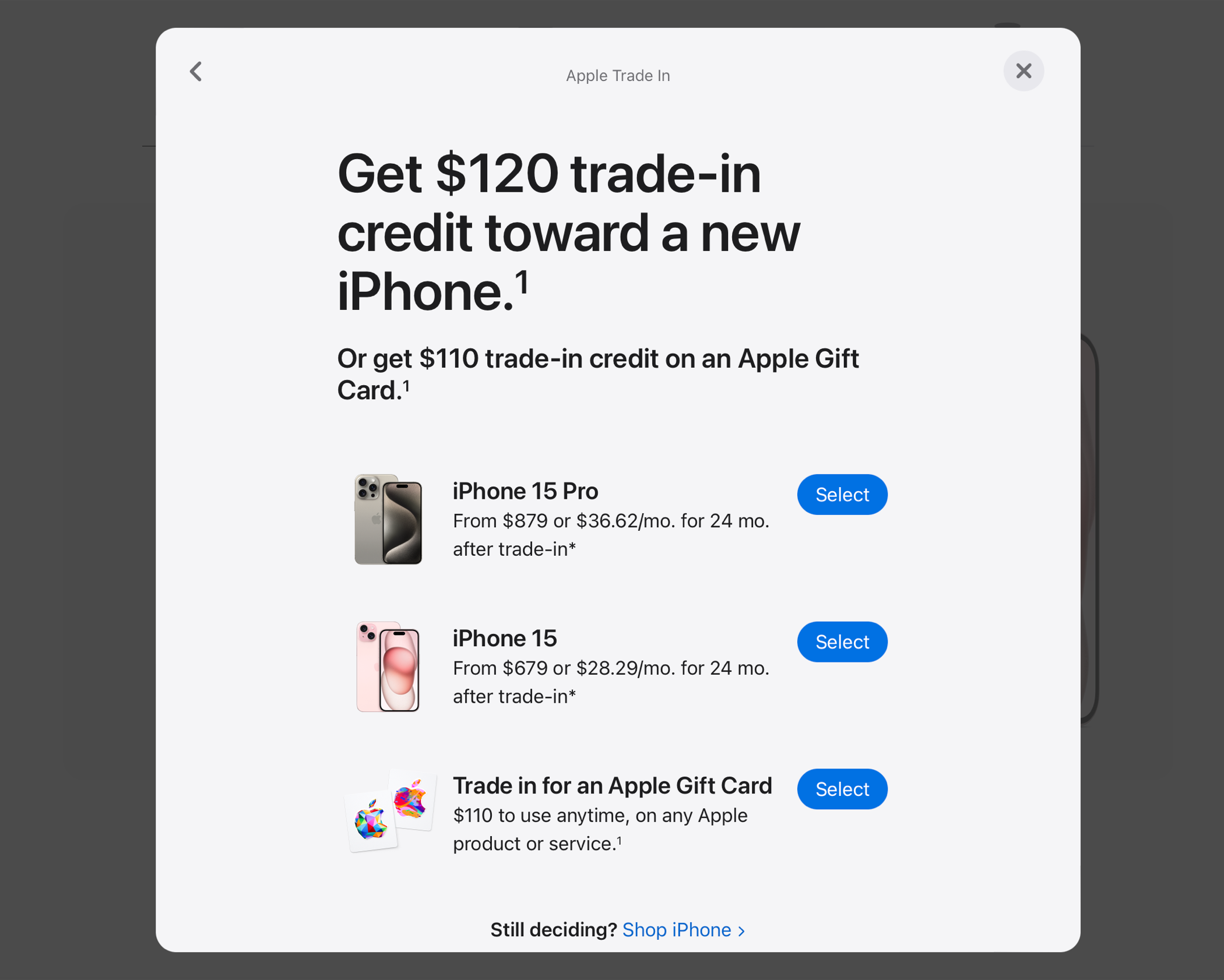
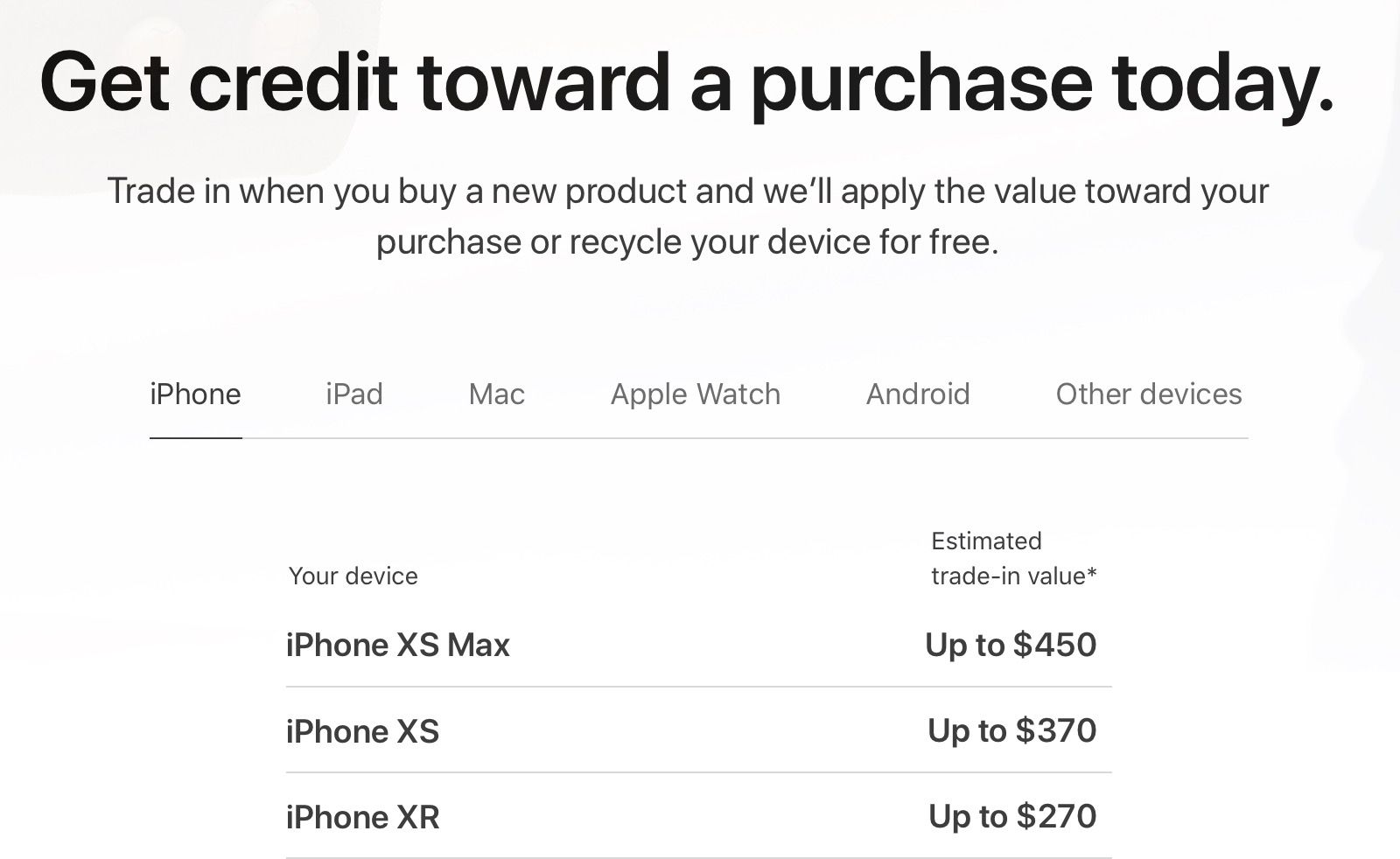
Apple typically offers a "safe" middle-ground value. They prefer devices in good condition to be refurbished and sold in emerging markets. If the device is too old or damaged, they will recycle it for free but offer no credit. The advantage here is the seamless integration into the purchase of a new iPhone.
Carrier Buy-Back Programs
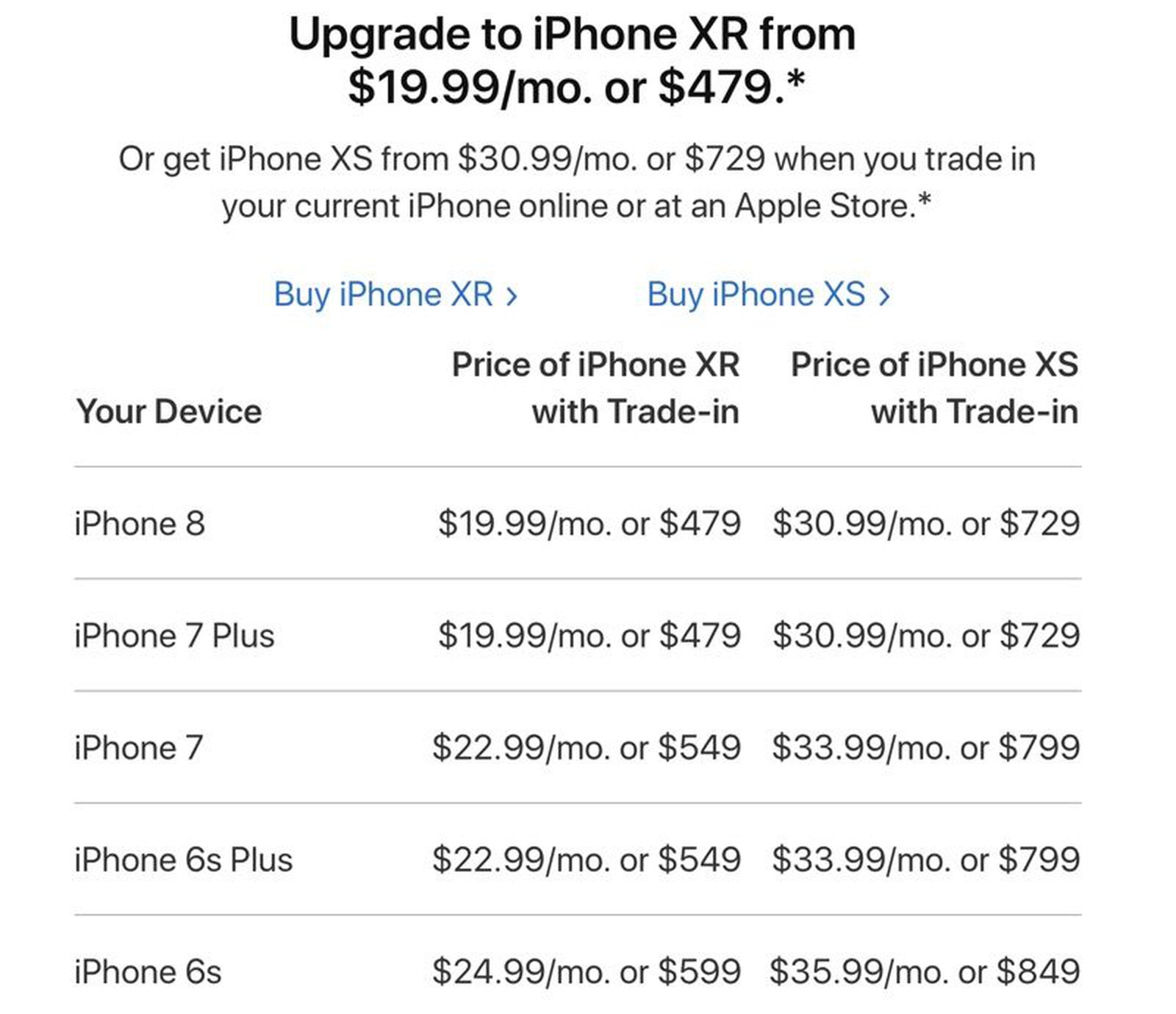
Mobile carriers like Verizon, AT&T, and T-Mobile often offer the highest "theoretical" value. In 2026, you may see promotions claiming "$400 off an iPhone 18 with trade-in of an iPhone 12." However, it is essential to read the fine print. These values are usually paid out as bill credits over 24 to 36 months and require you to stay on a premium unlimited plan. The actual "cash value" of the phone is still low, but the carrier subsidizes the rest to ensure long-term subscriber loyalty.
Third-Party Buy-Back Sites
Sites like Back Market or Gazelle provide cash or PayPal payments. These are ideal for users who are not looking to buy a new phone immediately and prefer liquidity over store credit. Their quotes are highly sensitive to daily market fluctuations.
Estimated Trade-In Values (2026 Market Data)
| Platform | iPhone 12 (64GB) | iPhone 12 (128GB) | iPhone 12 Pro (128GB) | Payment Form |
|---|---|---|---|---|
| Apple Store | $60 - $75 | $85 - $100 | $110 - $130 | Apple Gift Card |
| Best Buy | $50 - $70 | $80 - $95 | $105 - $125 | Best Buy Credit |
| Major Carriers | Up to $400* | Up to $400* | Up to $500* | Monthly Bill Credits |
| Back Market | $85 - $110 | $100 - $125 | $130 - $160 | Cash / Direct Deposit |
| Swappa (Private) | $100 - $130 | $120 - $150 | $160 - $200 | Cash (minus fees) |
*Requires specific high-tier service plans and a new device purchase contract.
Technical Considerations for 2026
The iPhone 12 was the first to feature the Ceramic Shield front cover and MagSafe charging. While these features made it durable and versatile, the screen technology (OLED) is susceptible to "burn-in" or "ghosting" after six years of use. When trading in, inspectors will look for discoloration on white backgrounds. Any sign of OLED degradation will immediately move the device from "Good" to "Damaged" status, significantly slashing the payout.
Furthermore, the transition to USB-C across the entire Apple lineup (starting with the iPhone 15) has made the Lightning port on the iPhone 12 a legacy connector. As consumers move toward a "single cable" lifestyle, the demand for Lightning-equipped devices continues to drop, further eroding the resale value of the 12-series.
How to Maximize Your Trade-In Value
To ensure you get the highest possible quote for your iPhone 12, follow these preparatory steps:
- Clean the Device Thoroughly: Use isopropyl alcohol (70%) and a microfiber cloth to remove oils and grime. Use a wooden toothpick to gently clear lint from the Lightning port and speakers. A clean phone suggests a well-maintained device.
- Verify "Find My" Status: No reputable buyer will accept a device with "Find My iPhone" enabled. Go to Settings > [Your Name] > Find My and toggle it off.
- Perform a Factory Reset: After backing up your data to iCloud or a Mac/PC, go to Settings > General > Transfer or Reset iPhone > Erase All Content and Settings.
- Check for Carrier Locks: An "unlocked" phone (not tied to a specific carrier) is worth 10–20% more than a locked one. If you have finished paying off your device, contact your carrier to ensure it is officially unlocked.
- Timing is Key: Trade-in values usually drop significantly in late August and early September, just before the annual announcement of new iPhone models. If you plan to upgrade, lock in a trade-in quote 30 days before the new launch.
Frequently Asked Questions
Can I trade in an iPhone 12 with a cracked screen?
Yes, but the value will be minimal. Major retailers like Apple may offer $0 (recycling only), while specialized sites might offer a small fraction of the functional price. It is rarely cost-effective to pay for a professional screen repair specifically for trade-in purposes, as the repair cost often exceeds the value gained.
Does the original box and cable increase the value?
For official trade-in programs (Apple, Best Buy, Carriers), the answer is no. They only require the device itself. However, if you are selling privately on platforms like eBay or Swappa, including the original box and an unused Lightning cable can help your listing stand out and potentially secure a higher price.
Is the iPhone 12 still "supported" in 2026?
The iPhone 12 generally remains supported for security updates in 2026, but it may be excluded from the newest features of the latest iOS version. This "partial support" status is one of the primary reasons the trade-in value stays below the $200 mark.
Should I trade in or sell privately?
Trading in is the most convenient option, providing an immediate discount or credit with zero risk of scams. Selling privately (to another person) usually nets you 20-30% more money but involves more effort, including taking photos, answering questions, and dealing with shipping or meetups.
Final Recommendation
If your iPhone 12 is in good condition and you are ready for an upgrade, the best financial move in 2026 is often a carrier promotion. Because the market value of the hardware is so low ($100 range), the $400–$600 in bill credits offered by carriers for "any 5G iPhone" provides a much higher return on investment, provided you are comfortable with a multi-year service commitment. If you want cash and a clean break, a third-party buy-back site is your most efficient path.
Image Gallery