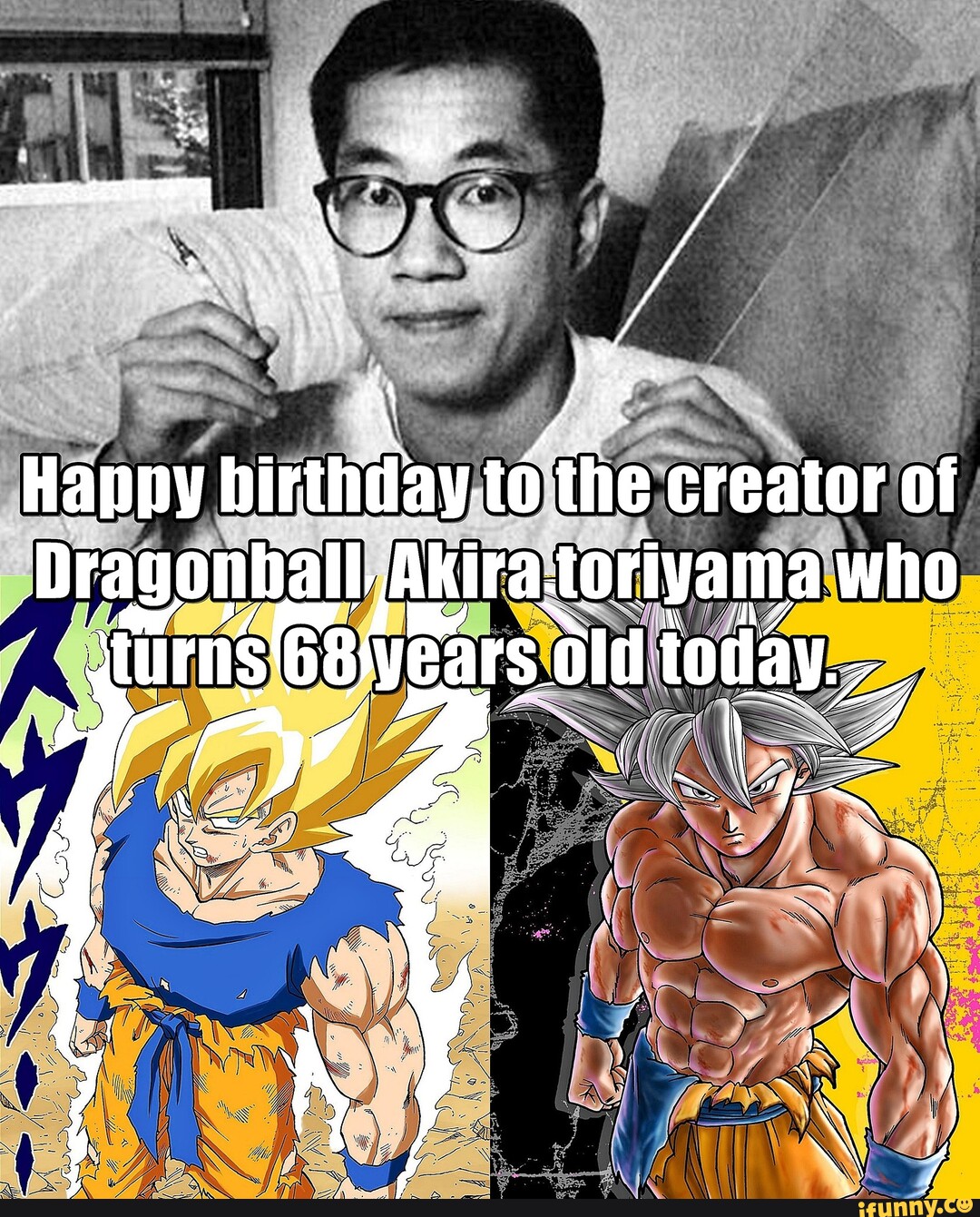
Akira Toriyama Net Worth Explained: How the Dragon Ball Creator Built His Fortune
Akira Toriyama’s net worth was estimated between $45 million and $55 million at the time of his passing in March 2024. Although the global Dragon Ball franchise has generated over $5 billion in lifetime revenue, Toriyama’s personal wea...
Akira Toriyama’s net worth was estimated between $45 million and $55 million at the time of his passing in March 2024. Although the global Dragon Ball franchise has generated over $5 billion in lifetime revenue, Toriyama’s personal wealth was determined by manga volume royalties, character design contracts, licensing arrangements, and Japanese tax structures.
Contents
The Difference Between Franchise Value and Creator Wealth
For fans looking at the financial history of Dragon Ball, it is easy to confuse total global franchise revenue with the creator's personal bank account. Dragon Ball is one of the highest-grossing media franchises in modern entertainment, accumulating billions of dollars across manga printings, animated television series, feature films, mobile applications, console video games, and licensed merchandise.
However, Akira Toriyama did not own 100% of the Dragon Ball intellectual property, nor did he operate as a solo corporate entity collecting overall gross revenues. In the Japanese entertainment landscape, iconic media properties rely on a collaborative rights model known as a production committee system (seisaku iinkai) or multi-corporate licensing structure.
- Dragon Ball Revenue Ecosystem
- Shueisha: Manga Publishing & Domestic/Int'l Rights
- Toei Animation: Anime Production, Distribution & Streaming
- Bandai Namco: Video Games, Toys & Direct Merchandising
- Akira Toriyama: Creator Royalties, Design Fees & IP Licensing
Major corporations handle capital investment, marketing, international distribution, and production risk in exchange for the majority of top-line revenue:
- Shueisha owns the original publishing rights to the manga and serializations.
- Toei Animation produces, distributes, and licenses the anime television series and theatrical movies.
- Bandai Namco Holdings holds primary global licensing rights for commercial toys, collectible card games, and video games.
Toriyama received royalty checks, direct licensing fees, character creation payments, and publishing royalties. While these earnings made him one of the wealthiest mangaka (manga artists) in history, his estate represents a focused slice of an international business empire.
Primary Revenue Streams of Akira Toriyama's Career
Toriyama’s financial success spanned more than four decades, driven by several distinct income streams that sustained his wealth long after the original Dragon Ball manga ended its initial run in 1995.
1. Manga Royalties (Dr. Slump and Dragon Ball)
Before Dragon Ball became a global phenomenon, Toriyama achieved massive commercial success with Dr. Slump (serialized from 1980 to 1984). Dr. Slump sold over 35 million volume copies in Japan alone, establishing Toriyama as a top earner for Shueisha while he was still in his late twenties.
When Dragon Ball began serialization in Weekly Shōnen Jump in late 1984, book sales expanded exponentially. The original 42-volume collected manga series (tankōbon) has sold over 260 million copies worldwide. In Japan, mangaka typically earn an estimated 8% to 10% royalty on the retail cover price of every collected tankōbon volume sold. Over hundreds of millions of units, publishing royalties alone provided Toriyama with tens of millions of dollars in base earnings.
2. Video Game Art and Character Design
Toriyama was not only a comic artist; he was one of the most influential concept designers in Japanese video game history. In 1986, game designer Yuji Horii and publisher Enix (now Square Enix) hired Toriyama to design the characters, monsters, and box art for the original Dragon Quest on the Nintendo Famicom (NES).
The Dragon Quest franchise grew into Japan’s ultimate national role-playing game (RPG) series, selling over 85 million software units globally. Toriyama remained the lead character and monster designer for every mainline entry from Dragon Quest I through Dragon Quest XII.
His gaming work extended to other legendary titles, including:
- Chrono Trigger (1995): Developed by Square, where Toriyama worked alongside Final Fantasy creator Hironobu Sakaguchi and Yuji Horii as part of the RPG "Dream Team."
- Blue Dragon (2006): An Xbox 360 RPG produced by Mistwalker.
- TOKYO SHADOW* and *Tobal No. 1: Fighting and adventure games featuring his character work.
Unlike traditional salaried concept artists, high-profile designers like Toriyama negotiated contracts that combined upfront creative fees with ongoing character design royalties for subsequent merchandise, re-releases, and sequels.
| Revenue Category | Key Properties / Entities |
|---|---|
| Print Publishing | Dragon Ball, Dr. Slump, Sand Land, Jaco |
| Video Game Design | Dragon Quest series, Chrono Trigger, Tobal |
| Anime & Film Rights | Toei Animation adaptions, Dragon Ball Super |
| Merchandising Rights | Bandai Namco toys, S.H. Figuarts, Cards |
3. Anime Adaptations and Feature Films
The transition of Dragon Ball and Dragon Ball Z into television series produced by Toei Animation generated worldwide brand recognition. In the Japanese anime industry, original manga creators rarely hold direct equity in TV animation studios. Instead, they receive:
- Per-episode creator options and adaptation licensing fees paid by the studio or network.
- A percentage of international broadcast and home-video licensing agreements.
- Box-office royalty bonuses for theatrical releases.
During the modern revival era starting with Dragon Ball Z: Battle of Gods (2013) and continuing through Dragon Ball Super: Super Hero (2022), Toriyama took an active role in writing screenplays, character concepts, and narrative designs. This increased creative involvement entitled him to elevated writing credits and producer-level revenue participation compared to the early 1990s TV runs.
4. Global Licensing and Merchandise Royalties
From action figures produced by Bandai to international fashion collaborations, mobile games like Dragon Ball Z: Dokkan Battle and Dragon Ball Legends, and console titles like Dragon Ball FighterZ and Dragon Ball Z: Kakarot, licensing is the most lucrative element of the IP.
While corporate master licensees take the main share to pay for software development and physical manufacturing, a small percentage of net licensing fees flows back to the original author via Shueisha’s rights management division. Given that single mobile games in the franchise have grossed over $3 billion individually, even a fractional percentage royalty translates into steady millions in annual passive earnings.
Mangaka Economics and Japanese Tax Structures
To understand Akira Toriyama’s realized net worth, fans must look at how Japanese tax laws affected high-earning artists during the peak of his career.
The High-Taxpayer Era in Japan
During the Japanese asset price bubble of the late 1980s and early 1990s, Japan’s National Tax Agency publicly published annual lists of top taxpayers (Chōjōzuke). Toriyama frequently appeared near the top of the regional rankings for Aichi Prefecture (where he lived near Nagoya).
During the height of Dragon Ball’s weekly serialization:
- Japan’s top individual marginal income tax rate reached as high as 60% to 75% (when combining national income tax and local inhabitant tax).
- Corporate tax structures for personal artist management firms were strictly audited.
- Local lore in Nagoya noted that the city once built a direct highway infrastructure connection near his studio area primarily because his immense tax payments contributed significantly to the local municipal budget.
Because Toriyama chose to live modestly in his hometown in Aichi Prefecture rather than moving to expensive real estate in central Tokyo, his personal overhead remained low. However, high national taxation meant that a substantial portion of his gross earnings during the peak Dragon Ball years was paid directly in domestic taxes.
Breakdown of Key Intellectual Property Earnings
The table below contrasts how financial structures operate across different segments of Akira Toriyama's works:
| Segment | Major Franchise Entities | Corporate Partners | Primary Income Mechanism for Toriyama |
|---|---|---|---|
| Manga Publishing | Dragon Ball, Dr. Slump, Sand Land | Shueisha (Weekly Shōnen Jump) | ~8%–10% per-copy tankōbon royalties + advance page rates |
| Console & PC Games | Dragon Quest I–XII, Chrono Trigger | Square Enix, Bandai Namco | Flat art rates + character design licensing agreements |
| Mobile Gaming | Dokkan Battle, Dragon Ball Legends | Bandai Namco, Akatsuki, Dimps | Fractional IP licensing royalties managed via Shueisha |
| Anime & Movies | DBZ, Dragon Ball Super: Super Hero | Toei Animation, Fuji TV | Adaptation rights fees, scriptwriting royalties, box-office cuts |
| Commercial Toys | S.H.Figuarts, Dragon Ball Heroes Cards | Bandai Namco Holdings | Merchandise character licensing revenue percentages |
Posthumous Estate and Rights Management
Following Akira Toriyama's death in March 2024 at age 68, management of his multi-million-dollar estate and intellectual property rights entered a transitional phase overseen by his legal heirs, long-time representatives, and corporate publishing partners.
Capsule Corporation Tokyo and Akio Iyoku
In 2023, prior to Toriyama’s passing, Akio Iyoku—the former head of Shueisha’s internal "Dragon Ball Room" unit—established an independent entity named Capsule Corporation Tokyo. The company was formed to streamline and manage the expansion of the Dragon Ball brand across global media, including animation, games, and web content, while Shueisha retained control over print publishing.
As of 2026, the management of Toriyama's estate involves coordinating three key sides:
- The Toriyama Family Estate: Collects ongoing creator royalties, estate licensing disbursements, and inheritance allocations.
- Shueisha: Manages print catalog reissues, digital manga subscriptions, and original manga ownership rights.
- Capsule Corporation Tokyo & Toei/Bandai: Oversees global adaptation logistics, media development, and strategic expansion for new projects like Dragon Ball Daima.
Because Japanese inheritance tax rules can impose taxes of up to 55% on large estates, financial advisors and corporate trustees manage Toriyama's assets to maintain the liquidity of his intellectual property rights without disrupting ongoing productions.
Frequently Asked Questions
What was Akira Toriyama's estimated net worth at the time of his death?
Akira Toriyama's personal net worth was estimated between $45 million and $55 million at the time of his passing in March 2024. While the total Dragon Ball media ecosystem has earned over $5 billion globally, Toriyama's wealth was built on direct creator royalties, character design contracts, and publishing revenues, after Japanese income taxes.
Did Akira Toriyama own 100% of Dragon Ball?
No. Toriyama owned the original creator copyright to the manga art and narrative, but the trademark rights and master licensing structures are shared among publisher Shueisha, production studio Toei Animation, and toy/game distributor Bandai Namco.
How much money did Toriyama make from the Dragon Quest series?
Exact lifetime contractual figures for Dragon Quest remain private, but Toriyama served as lead character and monster designer for the franchise from 1986 through his passing. With over 85 million games sold worldwide alongside extensive toy and anime spin-offs, character design royalties and licensing fees from Square Enix formed a substantial secondary portion of his wealth outside of manga.
Why wasn't Toriyama's net worth in the billions if Dragon Ball made billions?
In Japanese commercial publishing and animation, corporate partners handle capital funding, software engineering, distribution, and marketing costs, taking the largest share of gross revenue. Creators receive royalties and licensing fees rather than corporate profits. High Japanese tax brackets during the 1980s and 1990s also offset his gross earnings.
Who inherits Akira Toriyama's financial legacy and royalties?
Toriyama's wealth, estate assets, and ongoing copyright royalties pass to his legal heirs, including his wife, artist Nachi Mikami, and his children. His financial estate continues to receive creator royalties for manga sales, streaming rights, and game licensing managed in coordination with Shueisha and Capsule Corporation Tokyo.
Supporting the Creator’s Legacy
For fans looking to honor Akira Toriyama’s life and support the ongoing management of his artistic legacy, purchasing official releases remains the standard approach:
- Official Manga Releases: Buying physical or digital volumes through authorized publishers like Viz Media ensures direct royalty payments flow to his estate and original rights holders.
- Licensed Media: Streaming series via official licensing partners (such as Crunchyroll or official home video distributors) supports the corporate entities that continue to fund creative projects based on his designs.
- Video Games and Merchandise: Choosing officially licensed Dragon Quest and Dragon Ball products from Square Enix and Bandai Namco ensures that character licensing royalties are credited to his estate.
Image Gallery