Understanding How a Life Insurance Policy Works in Atlantis, FL
A life insurance policy in Atlantis, Florida operates as a legally binding contract between a policyholder and an insurance carrier licensed by the Florida Office of Insurance Regulation. In exchange for premium payments, the insurer p...
A life insurance policy in Atlantis, Florida operates as a legally binding contract between a policyholder and an insurance carrier licensed by the Florida Office of Insurance Regulation. In exchange for premium payments, the insurer pays a tax-free lump-sum death benefit to designated beneficiaries upon the insured individual's death, adhering to state statutory consumer safeguards, underwriting guidelines, and local estate planning regulations.
Contents
Fundamental Components of a Life Insurance Contract
To understand how a life insurance policy functions in Atlantis, FL, it is essential to break down the legal and financial structure of the contract. Every policy relies on four primary roles and core mechanical elements:
- The Owner (Policyholder): The individual or entity (such as a revocable living trust) that holds the contract, pays the premiums, and retains sole authority to make policy changes, adjust beneficiary designations, or request cash value withdrawals.
- The Insured: The individual whose life determines the trigger for the policy's payout. While the owner and the insured are frequently the same person, they can be distinct (for example, a business owning a policy on a key executive or a parent owning a policy on an adult child).
- The Beneficiary: The designated person, group, corporate entity, or trust designated to receive the policy proceeds upon the death of the insured. Beneficiaries can be primary (first in line) or contingent (secondary, receiving funds only if the primary beneficiary predeceases the insured).
- The Death Benefit (Face Amount): The net dollar amount paid out to the beneficiaries upon the verified death of the insured, less any outstanding policy loans or unpaid premiums.
- The Premium: The recurring financial consideration paid by the owner to keep the policy in force. Premiums can be fixed, flexible, or structured as a single lump sum, depending on the contract type.
Disclaimer: Life insurance laws and regulations are subject to state oversight and federal tax codes. This guide provides objective informational coverage. Residents seeking tailored insurance advice should consult a licensed Florida insurance agent, certified financial planner (CFP), or estate planning attorney.
Florida Insurance Laws and Consumer Protections
Life insurance contracts issued to residents of Atlantis, Florida fall under the jurisdiction of the Florida Department of Financial Services (DFS) and are regulated primarily by Chapter 627 of the Florida Statutes. State law embeds specific safeguards directly into every policy issued within Palm Beach County.
| Event / Phase | FL Statutory Mandate |
|---|---|
| Policy Delivery | 14-Day Free-Look Period (§ 627.4555) |
| Missed Premium Payment | 30-Day Mandatory Grace Period |
| Policyholder Aged 64+ | Extra 21-Day Senior Notice Period |
| Policy Issue Date | 2-Year Contestability Limit (§ 627.455) |
1. The 14-Day Free-Look Period
Under Florida Statute § 627.4555, buyers of new life insurance policies are entitled to a minimum 14-day "free-look" period starting from the date the policy is delivered. During this window, the owner can cancel the policy for any reason and receive a full refund of all premiums paid. For replacement policies (where an existing contract is surrendered to buy a new one), Florida extends this window to 30 days.
2. Mandatory Grace Periods and Senior Protections
If a policyholder misses a premium payment, Florida Statute § 627.453 mandates a minimum grace period of 30 days during which the policy remains fully active. If the insured dies during the grace period, the carrier must pay the death benefit, though it may deduct the overdue premium.
Furthermore, Florida law offers enhanced protections for older adults. Under Florida Statute § 627.4532, for policyholders aged 64 or older, insurers must provide an additional notice of impending lapse to a designated secondary addressee or extend the grace period by an extra 21 days before terminating coverage for non-payment.
3. The Two-Year Contestability Clause
According to Florida Statute § 627.455, life insurance policies become incontestable after they have been in force during the lifetime of the insured for two years from the issue date. During the initial two-year contestability window, an insurer has the legal right to audit the original application for material misrepresentations or omissions. If the carrier discovers intentional fraud or significant medical misstatements, it may rescind the policy and deny a claim. Once the two-year threshold passes, the carrier cannot void the contract except for non-payment of premiums.
4. Guaranty Association Safety Net
If a state-licensed insurance carrier becomes insolvent, the Florida Life & Health Insurance Guaranty Association (FLHIGA) provides a legal safety net for resident policyholders. FLHIGA coverage limits for life insurance generally cap protection at $300,000 in aggregate death benefits per individual life and up to $100,000 in net cash surrender values, ensuring basic protection even during corporate insolvencies.
Types of Life Insurance Policies Available in Atlantis, FL
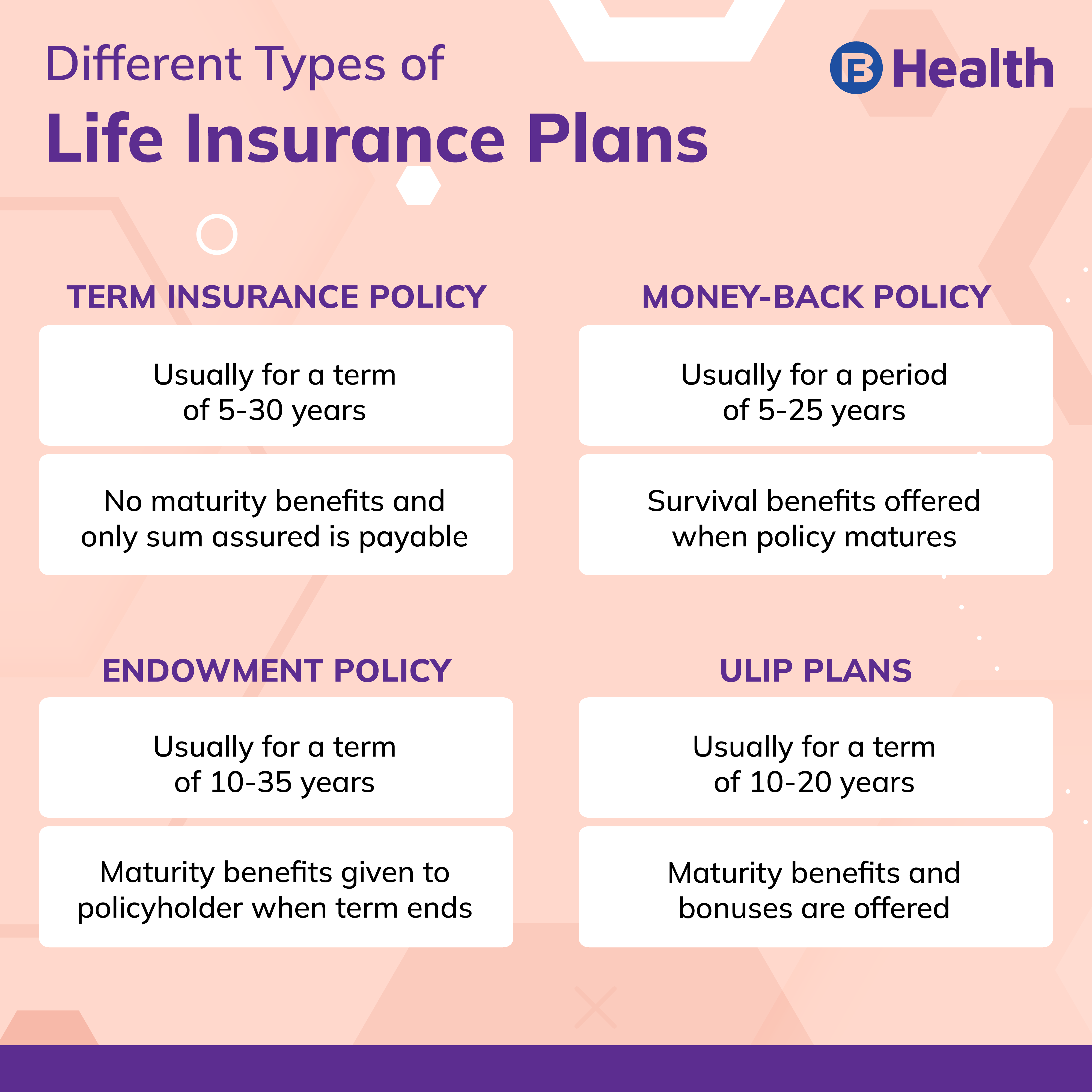
Selecting a life insurance policy requires matching the duration of the financial need with the appropriate contract structure. Policies sold in Florida broadly divide into temporary (term) and permanent coverage.
Term Life Insurance
Term life insurance provides straightforward, temporary coverage for a specified duration—typically 10, 15, 20, or 30 years. If the insured dies during the term, the policy pays the fixed face value. If the policy expires while the insured is living, coverage ends without accumulated cash value.
- Best for: Covering fixed-duration liabilities like mortgages, income replacement during working years, or funding children's higher education.
- Key Advantage: Lowest initial premium outlay for maximum death benefit coverage.
Whole Life Insurance
Whole life is a form of permanent life insurance that guarantees coverage for the insured’s entire natural life, provided premiums are paid as agreed. It incorporates a guaranteed cash value accumulation component that grows tax-deferred at a fixed interest rate set by the company.
- Best for: Lifetime estate planning needs, final expense funding, or individuals seeking guaranteed tax-deferred accumulation alongside guaranteed death benefits.
- Key Advantage: Fixed premiums that never increase, combined with predictable, contractually guaranteed cash values.
Universal Life (UL) and Indexed Universal Life (IUL)
Universal life insurance is permanent coverage offering flexible premium payments and adjustable death benefits. Premiums paid above the current cost of insurance flow into an interest-bearing cash value account.
- Traditional UL: Earns cash value based on prevailing fixed interest rates declared by the insurer.
- Indexed UL (IUL): Links cash value accumulation performance to external financial indices, such as the S&P 500, subject to contractual return caps and floors (typically guaranteeing a 0% floor to protect against market loss).
- Best for: Policyholders desiring long-term protection combined with flexible funding options and potential growth linked to market indices.
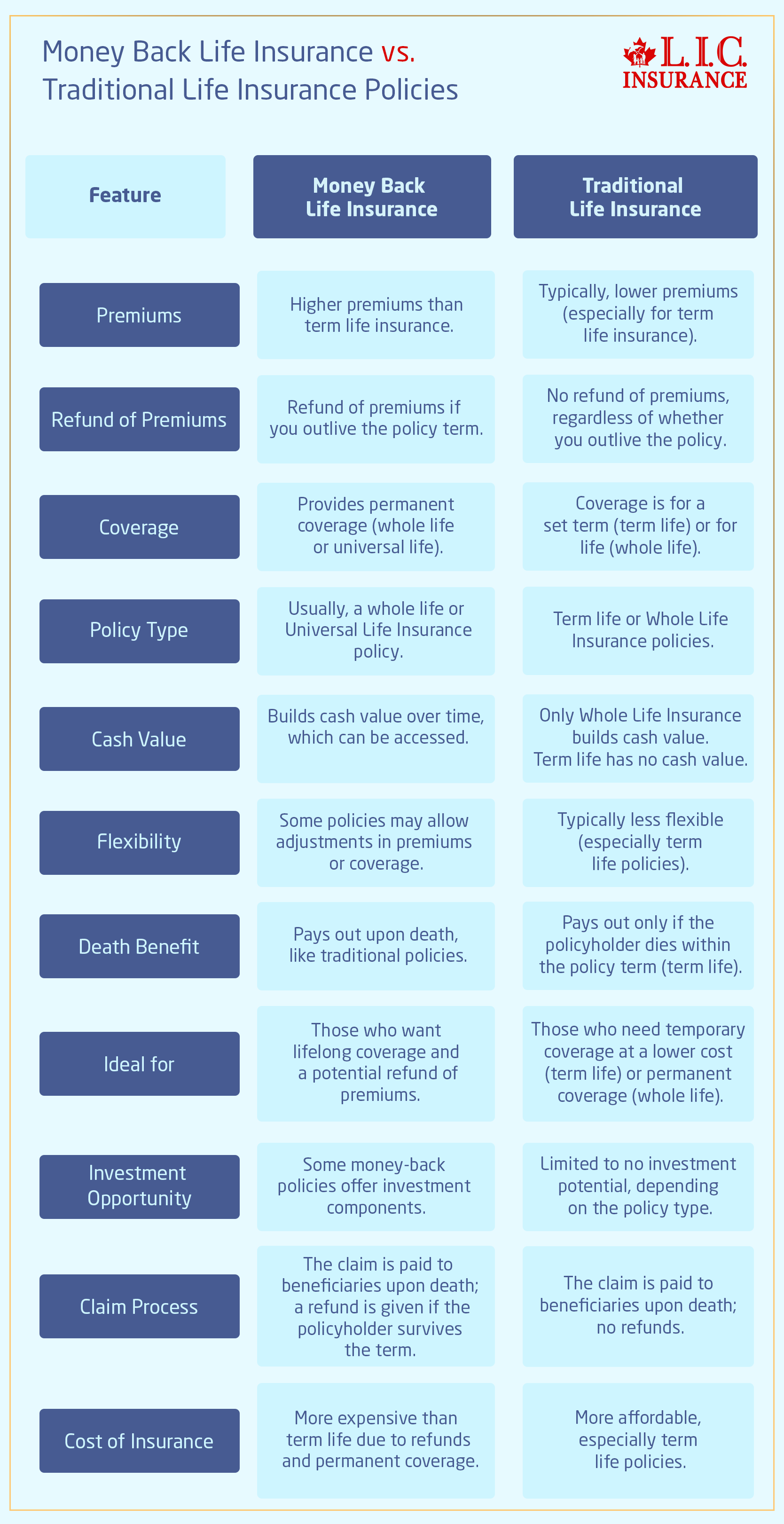
Comparing Life Insurance Structures in Florida
| Feature / Metric | Term Life Insurance | Whole Life Insurance | Universal Life (UL / IUL) |
|---|---|---|---|
| Coverage Duration | Specified period (10–30 yrs) | Whole of life (up to age 100–121) | Whole of life (flexible limits) |
| Premium Flexibility | Fixed for selected term | Fixed for life | Flexible within policy limits |
| Cash Value Component | None | Guaranteed growth (Fixed rate) | Non-guaranteed, tied to index/rates |
| FL Free-Look Period | 14 Days (30 for replacement) | 14 Days (30 for replacement) | 14 Days (30 for replacement) |
| Florida Contestability | 2 Years | 2 Years | 2 Years |
| FLHIGA Max Coverage | $300,000 Death Benefit | $300,000 DB / $100,000 Cash Value | $300,000 DB / $100,000 Cash Value |
| Primary Use Case | Debt/Income Protection | Legacy & Estate Liquidity | Wealth Growth & Flexible Protection |
Local Financial Context: Estate Planning in Atlantis, FL
Atlantis, Florida is a distinct municipal community in Palm Beach County known for its gated residential neighborhoods, country club developments, and significant retiree and professional demographic. These local demographic factors shape how life insurance is utilized within broad financial strategies:
[Life Insurance Death Benefit]
- Bypasses Florida Probate Court (Direct payout to named beneficiaries)
- Provides Immediate Cash Liquidity (Pays estate taxes, legal fees, debts)
- Income Tax-Free Under IRC § 101(a) (No FL State Income Tax imposed)
1. Bypassing Florida Probate Court
In Palm Beach County, settling an estate through the 15th Judicial Circuit Probate Court can involve statutory attorney fees, court costs, and administrative delays lasting from six months to over a year. Life insurance proceeds payable to a designated beneficiary bypass the probate process entirely. The carrier disburses funds directly to the beneficiary, providing immediate liquidity.
2. Estate Liquidity for High-Value Properties
Real estate values in Atlantis and surrounding Palm Beach County communities often comprise a substantial portion of an individual’s net worth. If an estate consists primarily of illiquid real estate, beneficiaries might be forced to sell property rapidly to pay debts, administrative fees, or federal estate taxes. A life insurance policy delivers immediate cash, allowing heirs to hold real estate assets without rushing into a forced liquidation.
3. Integrating Irrevocable Life Insurance Trusts (ILITs)
For high-net-worth residents whose estates approach federal estate tax exemption thresholds, ownership of a life insurance policy can be transferred to an Irrevocable Life Insurance Trust (ILIT). When properly drafted by a qualified Florida trust attorney, an ILIT keeps the policy's death benefit out of the owner's gross taxable estate while making funds available to pay estate tax liabilities.
The Life Insurance Application, Underwriting, and Claims Process
Acquiring and executing a life insurance policy in Atlantis follows a structured operational workflow:
- Application & Financial Needs Analysis
- Specify coverage amount, policy type, and designate primary/contingent beneficiaries.
- Medical Underwriting & Risk Classification
- Review medical records, prescription databases, motor vehicle reports, and lab results.
- Contract Delivery & 14-Day Review
- Policy delivered; 14-day FL free-look period begins.
- Policy Maintenance & Premium Servicing
- Maintain premium schedule; utilize 30-day grace period protections if delays occur.
- Claim Submission & Death Benefit Settlement
- Beneficiary submits certified Death Certificate and Claim Form for tax-free payout.
Step 1: Medical and Financial Underwriting
When applying for coverage, applicants undergo underwriting to determine their risk class (e.g., Preferred Best, Standard, Substandard). Insurers evaluate:
- Personal medical history and family history.
- Attending Physician Statements (APS) from local medical centers, such as JFK Medical Center in Atlantis.
- Lifestyle factors, prescription drug histories, and motor vehicle records.
Step 2: Policy Delivery and Acceptance
Once issued, the contract is formally delivered to the policyholder. The 14-day Florida free-look counter starts upon confirmed delivery, during which the policyholder examines contract provisions, riders, and schedules.
Step 3: Claim Settlement
Upon the death of the insured, the beneficiary initiates a claim by submitting two primary documents to the insurance carrier:
- A completed Statement of Claim form.
- A certified copy of the Death Certificate (issued by the Florida Department of Health in Palm Beach County).
Under Florida law, once clear proof of death and beneficiary entitlement is verified, insurers must process claims promptly. Florida Statute § 627.4615 dictates that if an insurer fails to pay life insurance claim proceeds within 80 days of receiving proof of death, it must pay interest on the policy proceeds from the date of death.
Common Pitfalls and Policy Mistakes to Avoid
- Naming "Estate" as Direct Beneficiary: Listing "My Estate" as the beneficiary forces proceeds directly into the Florida probate process, subjecting the payout to probate delay and exposing funds to potential creditor claims. Name specific individuals or a structured trust instead.
- Unintentional Policy Lapses: Failing to maintain updated billing addresses or failing to designate a secondary addressee for grace period notices (especially for seniors under Florida Statute § 627.4532) can result in coverage termination.
- Ignoring Policy Replacement Rules: Replacing an existing permanent life policy without evaluating surrender charges, tax consequences, and resetting the 2-year contestability clock can cause significant financial loss. Ensure any replacement adheres strictly to Florida's statutory replacement disclosure requirements.
- Misrepresenting Medical History: Omitting health conditions or tobacco use on an application triggers the contestability clause, potentially allowing the carrier to reject claims made within the first two years.
Frequently Asked Questions
Is life insurance death benefit payout taxable in Florida?
Under Internal Revenue Code § 101(a), life insurance death benefits paid to a designated beneficiary are generally free from federal income tax. Additionally, because Florida has no state personal income tax, beneficiaries in Atlantis receive the full face value without state-level income deduction. However, interest earned on death benefits held by the insurer prior to distribution is taxable.
What happens if an Atlantis resident dies during the 30-day grace period?
If the insured passes away during the mandatory 30-day Florida grace period, the policy remains valid. The insurance carrier is legally obligated to pay the full death benefit to the designated beneficiaries, though it will subtract the unpaid overdue premium from the final disbursement.
How does the 2-year contestability clause work under Florida law?
Florida Statute § 627.455 limits an insurer's ability to challenge a policy to the first two years after issuance. During this period, if the insurer discovers that the applicant committed material misrepresentation or hid pertinent health facts on the application, it can rescind the contract and refund premiums. After two years, claims cannot be contested for application errors.
Can a life insurance policy be used to pay for long-term care in Florida?
Yes. Many modern permanent and term policies in Florida offer Accelerated Death Benefit riders or chronic illness/long-term care riders. These provisions allow policyholders diagnosed with qualifying chronic conditions or terminal illnesses to access a portion of their death benefit while still living to pay for long-term care, nursing facilities, or home healthcare services.
Actionable Next Steps for Policyholders
- Conduct an Annual Policy Review: Check existing beneficiary designations to ensure they reflect current family structures, divorce decrees, or estate plans.
- Audit Policy Ownership: Confirm whether policies should be owned individually or held within a trust to align with Palm Beach County estate planning goals.
- Establish Secondary Grace Period Contacts: Policyholders aged 64 and older should register a secondary addressee with their insurance carrier pursuant to Florida Statute § 627.4532 to guard against accidental lapse.
- Verify Carrier Financial Strength: Check that your insurance company holds an "A-" rating or better from rating agencies like A.M. Best, and verify its authorization through the Florida Office of Insurance Regulation portal.
Image Gallery