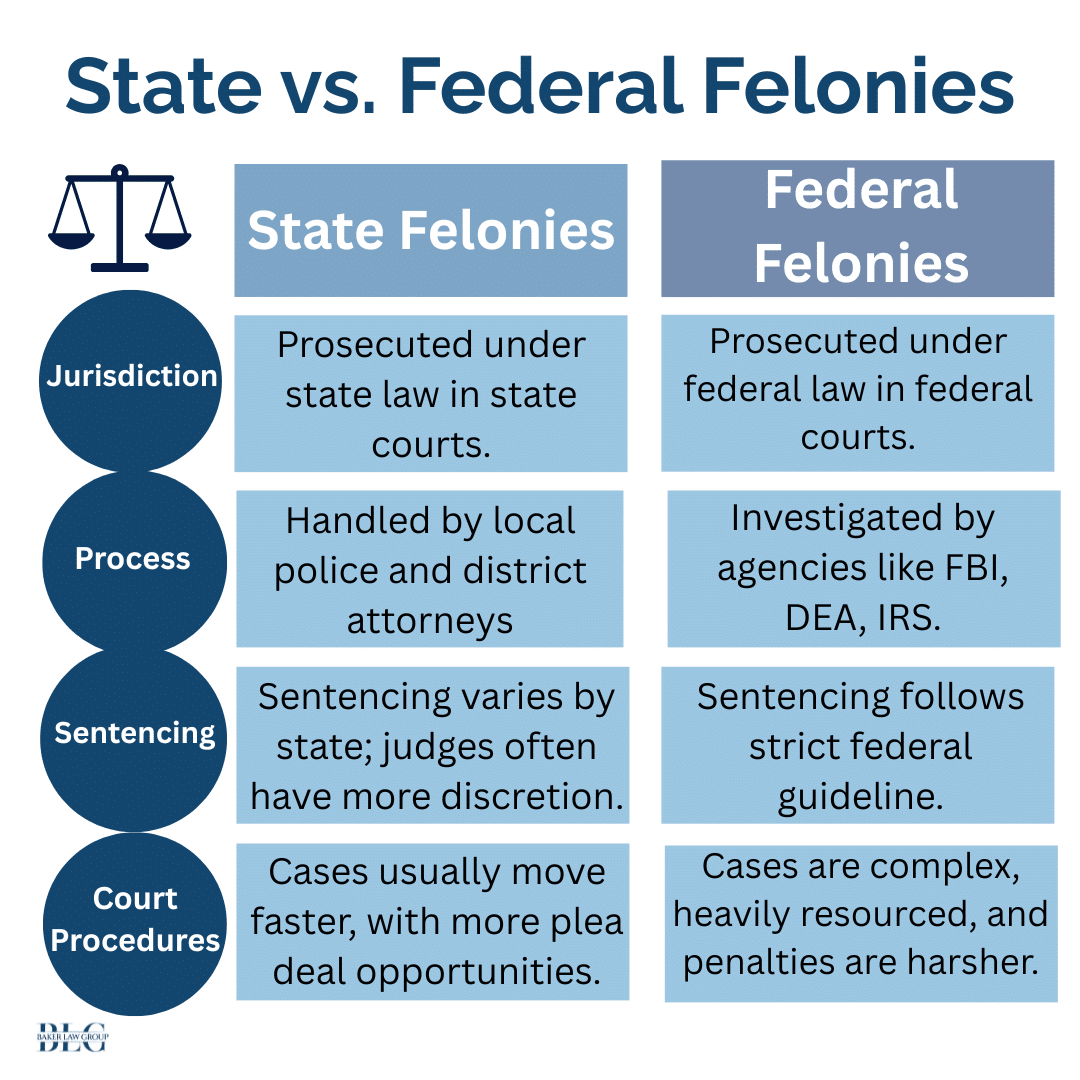
Why Federal Law Usually Wins in the State Law vs Federal Law Debate
When a conflict arises between state and federal legislation, federal law almost always prevails due to the Supremacy Clause of the United States Constitution, which establishes federal statutes and the Constitution as the supreme law...
When a conflict arises between state and federal legislation, federal law almost always prevails due to the Supremacy Clause of the United States Constitution, which establishes federal statutes and the Constitution as the supreme law of the land. This foundational constitutional principle ensures national uniformity across the judicial and legislative landscape, preventing individual states from enacting statutes that undermine federal authority or frustrate congressional objectives.
Contents
Understanding the Constitutional Foundation: The Supremacy Clause
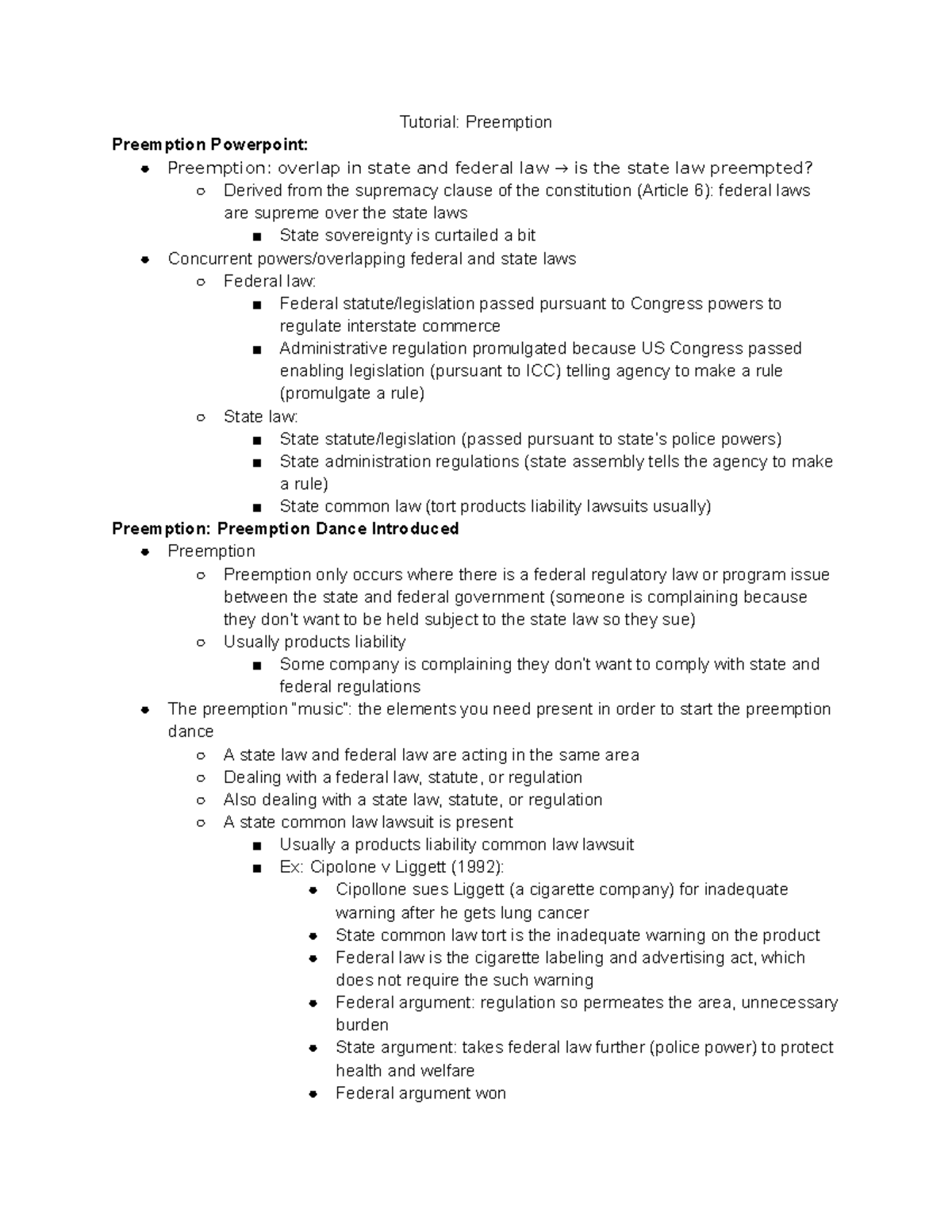
The bedrock of federal legal dominance is rooted in Article VI, Clause 2 of the United States Constitution, commonly known as the Supremacy Clause. This text explicitly dictates that the Constitution, federal laws made in pursuance thereof, and all treaties made under the authority of the United States shall be the supreme law of the land. State judges are bound by this authority, regardless of anything in the constitution or laws of any individual state to the contrary.
When the Founding Fathers drafted the Constitution, they sought to remedy the profound weaknesses of the Articles of Confederation, under which individual states frequently operated as independent, uncooperative entities. The Supremacy Clause was designed to create a cohesive national union where basic rights, economic regulations, and defense policies would remain consistent. Consequently, whenever a direct clash occurs between a state-level enactment and a federally enacted statute, the federal rule supersedes the local measure, rendering the conflicting state provision legally void or unenforceable.
The Mechanics of Federal Preemption
Federal preemption is the legal doctrine derived from the Supremacy Clause that allows federal law to invalidate state laws. Preemption generally manifests in two primary forms: express preemption and implied preemption. Understanding how these mechanisms operate clarifies why federal authorities routinely prevail in inter-jurisdictional legal disputes.
Express Preemption
Express preemption occurs when Congress explicitly states its intention to displace state law within a specific regulatory arena. When drafting a statute, lawmakers can include an explicit preemption clause specifying that states are barred from passing conflicting regulations or entering a particular legislative field entirely.
- Clear Congressional Intent: The language in the federal statute leaves no room for ambiguity regarding state authority.
- Broad vs. Narrow Scope: Courts strictly interpret express preemption clauses, but when Congress clearly articulates that federal standards are exclusive, state laws attempting to govern the same space are immediately struck down.
- Examples in Commerce: Federal aviation and railway safety laws often contain explicit preemption clauses to ensure that pilots and locomotive operators face identical standards nationwide rather than a patchwork of fifty different state rules.
Implied Preemption
Even when Congress does not explicitly state that it intends to displace state law, federal legislation can still preempt state rules implicitly. Courts recognize two main categories of implied preemption: field preemption and conflict preemption.
- Field Preemption: This occurs when federal regulation in a specific area is so pervasive and comprehensive that it leaves no room for states to supplement it. Courts infer that Congress intended to occupy the entire legislative field, making any state-level legislation in that domain unconstitutional.
- Conflict Preemption: This arises in two distinct scenarios: either it is physically impossible for a party to comply with both state and federal laws simultaneously, or the state law stands as an obstacle to the accomplishment and execution of the full purposes and objectives of Congress.
Federal Authority vs. State Sovereignty: The Tenth Amendment Balance
While federal law generally triumphs in direct conflicts, the United States operates under a system of federalism that preserves a distinct sphere of authority for state governments. This division of power is protected by the Tenth Amendment, which states that powers not delegated to the United States by the Constitution, nor prohibited to the states, are reserved to the states respectively, or to the people.
State legislatures maintain broad "police powers" enabling them to legislate for the health, safety, welfare, and morals of their citizens. States routinely regulate family law, property rights, contract enforcement, local law enforcement, and intrastate commerce. However, these police powers are not absolute. If a state exercises its police power in a way that directly conflicts with a valid exercise of federal power—such as the Commerce Power or the Necessary and Proper Clause—the federal statute prevails, effectively trimming the boundaries of state sovereignty in that specific context.
Common Conflict Scenarios and Practical Comparisons
To appreciate how the state law versus federal law debate plays out in reality, it is helpful to examine how courts handle specific areas of concurrent jurisdiction. The interaction between local enactments and national statutes is rarely theoretical; it impacts regulated industries, individual rights, and administrative enforcement daily.
| Legal Domain | Federal Authority Basis | State Authority Scope | Outcome in Conflict |
|---|---|---|---|
| Environmental Protection | Interstate air and water pollution regulations (Clean Air Act) | Local zoning and state conservation initiatives | Federal floors act as minimums; states can set stricter standards unless expressly preempted. |
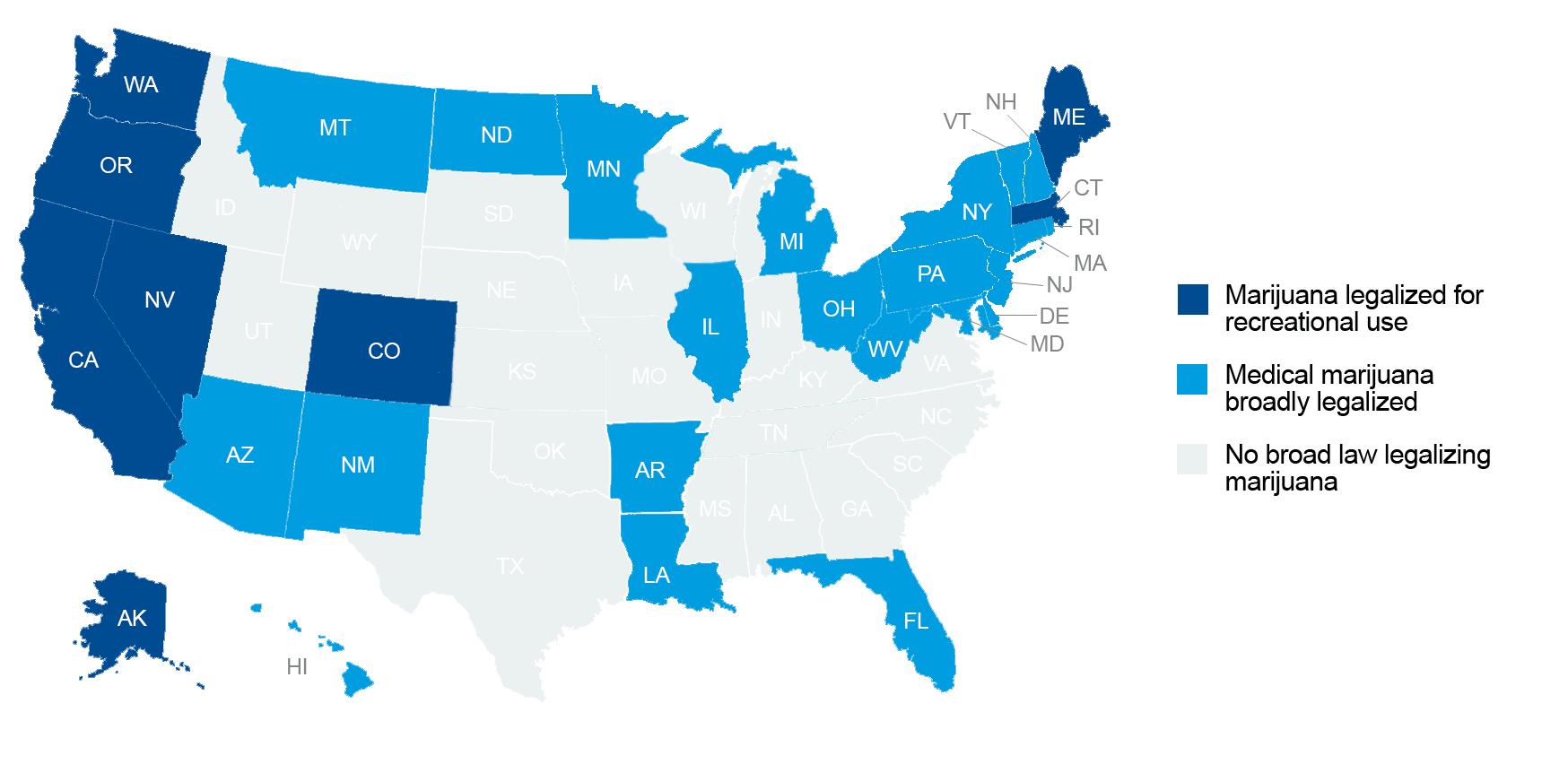
| Controlled Substances | Federal scheduling of drugs (Controlled Substances Act) | State legalization of medical or recreational marijuana | Federal law supersedes; federal agencies retain enforcement authority within states despite local legalization. |
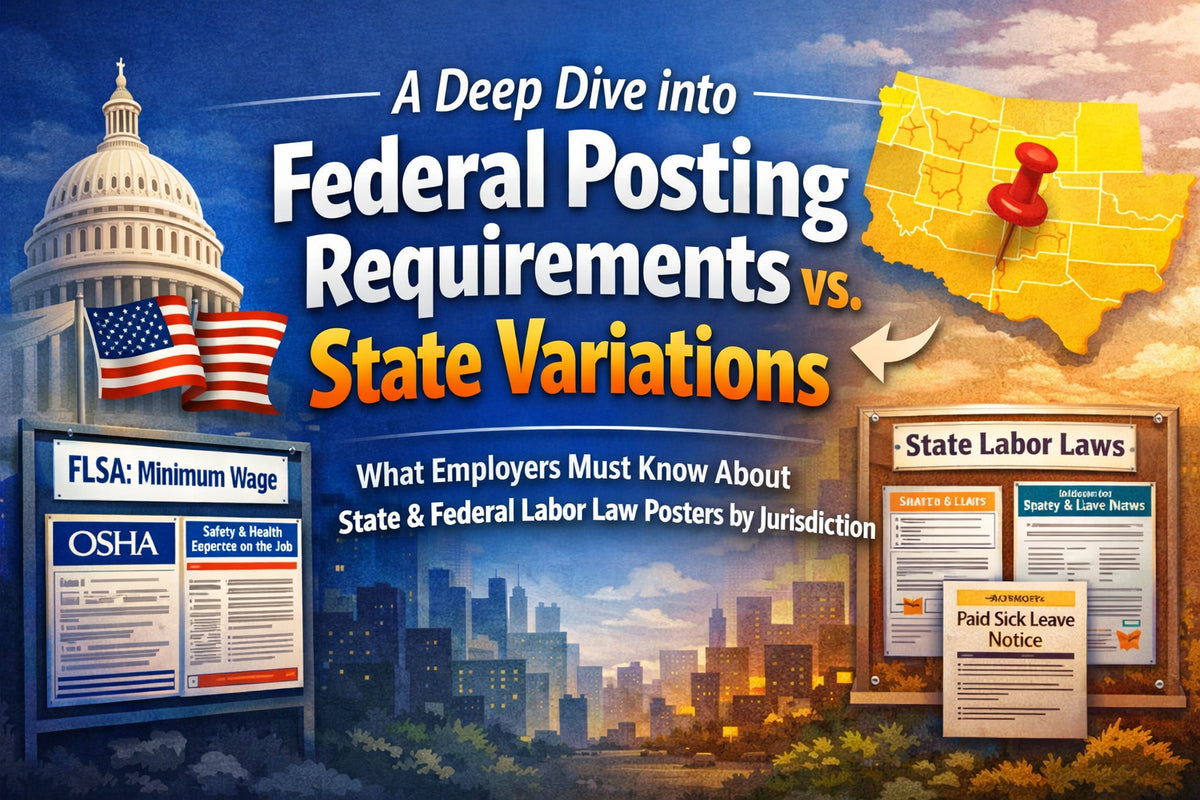
| Labor and Employment | Minimum wage floors and collective bargaining (NLRA) | State-level wage standards and worker safety rules | States may set higher minimum wages or worker protections, but cannot lower federal statutory minimums. |
| Immigration | Exclusive control over naturalization and border enforcement | Local municipal ordinances regarding undocumented residents | Federal government holds exclusive field preemption over immigration status and enforcement. |
Nuances and Exceptions: Where State Law Can Prevail
Although the overarching rule dictates that federal law wins, federal dominance is not universal. Several constitutional doctrines and statutory frameworks allow state laws to coexist with or even supersede federal rules under specific circumstances.
- Higher State Standards: In areas like consumer protection, environmental regulation, and labor law, federal statutes often establish a regulatory floor rather than a ceiling. Federal law permits states to enact stricter standards or higher minimum requirements that provide greater protection to citizens.
- Absence of Federal Action: If Congress has not legislated in a particular domain and the Constitution does not grant exclusive authority to the federal government, states possess full autonomy to legislate.
- Eleventh Amendment Immunity: The Eleventh Amendment protects state governments from being sued in federal court by private citizens, preserving a significant degree of state sovereignty and procedural independence.
Frequently Asked Questions
What happens if a state law legalizes something that federal law prohibits?
When a state legalizes an activity that remains illegal under federal law, such as cannabis cultivation and distribution, the state law protects individuals from state prosecution, but it offers no immunity from federal enforcement. Federal law enforcement agencies retain the legal authority to arrest and prosecute individuals under federal statutes, creating a complex legal dichotomy within that jurisdiction.
Can a state pass a law that is stricter than federal law?
Yes, provided that Congress intended for the federal standard to be a minimum floor rather than a maximum cap. For example, the federal government sets baseline environmental and labor standards, but individual states are free to mandate cleaner emissions or higher minimum wages within their borders.
How do federal courts decide if a state law conflicts with a federal law?
Federal courts apply statutory interpretation and constitutional analysis, looking closely at congressional intent, the text of the statutes, and whether compliance with both laws is physically possible. If the state law hinders the full execution of federal objectives, the court declares the state law invalid under the Supremacy Clause.
Does the Tenth Amendment protect states from all federal laws?
No. The Tenth Amendment reserves non-delegated powers to the states, but the Supreme Court has broadly interpreted federal powers—particularly the Commerce Clause—allowing Congress to legislate extensively across national economic and social life, often overriding state-level preferences.
Why is federal law considered supreme over state law?
Federal law holds supremacy because Article VI of the Constitution explicitly designates the Constitution and federal statutes as the supreme law of the land, ensuring that the United States functions as a unified nation with consistent legal standards rather than a loose confederation of independent jurisdictions.
Practical Next Steps for Navigating Legal Conflicts
For individuals, business owners, and legal professionals navigating complex regulatory environments, understanding the supremacy of federal law is vital for compliance and risk management. When launching an enterprise or engaging in regulated activities that touch upon both state and federal jurisdictions, always consult qualified legal counsel specializing in constitutional or administrative law. Verify the most current statutory guidelines from official regulatory bodies, ensure adherence to the strictest applicable standard when regulations overlap, and remember that local compliance does not automatically guarantee immunity from federal oversight.
Image Gallery