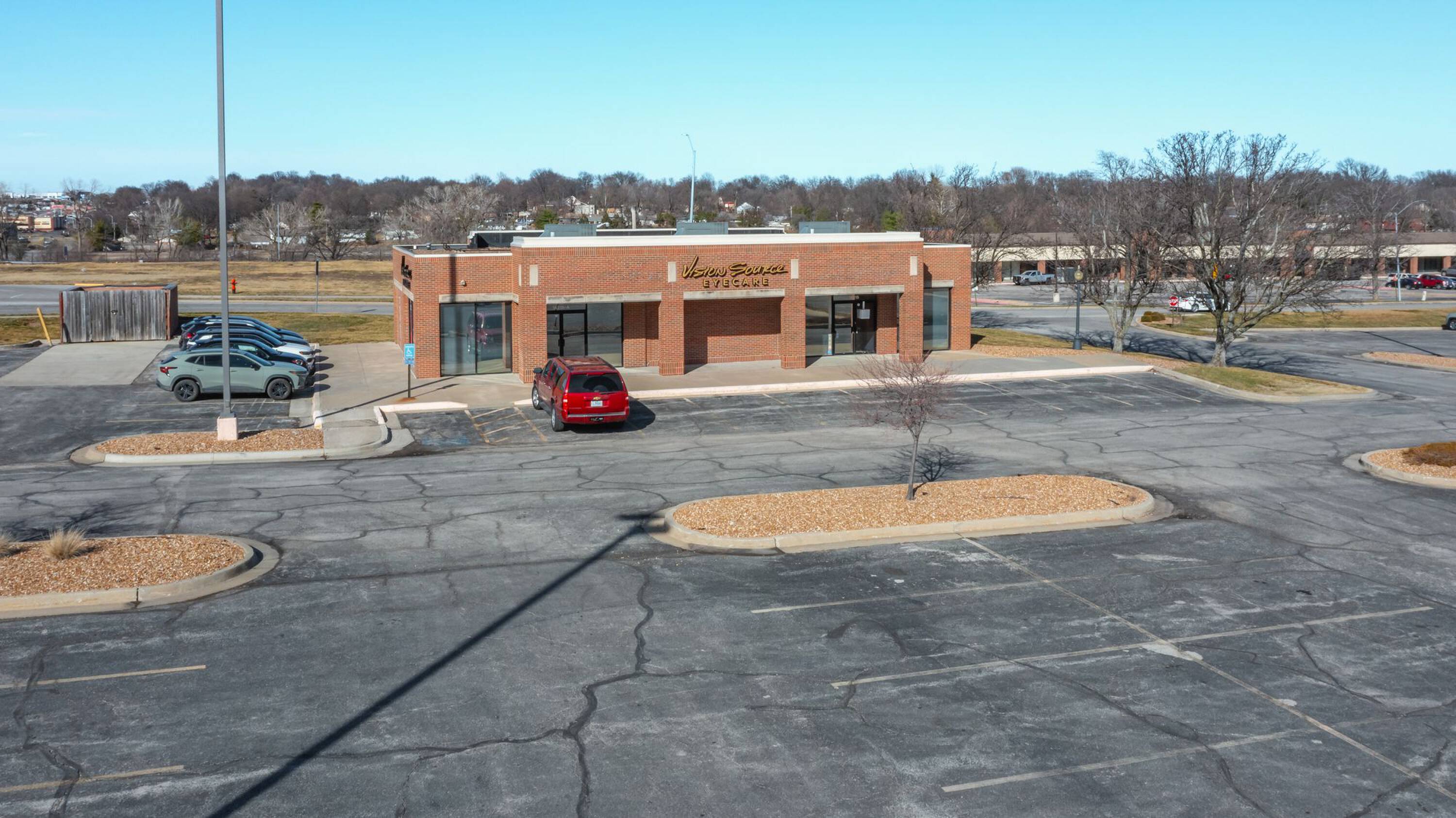
Independence Animal Hospital on Noland Road: Comprehensive Care Guide and Facility Overview
Independence Animal Hospital on Noland Road provides vital veterinary medical care, preventive health services, and diagnostic support for companion animals in Independence, Missouri. Pet owners seeking routine wellness exams, surgical...
Independence Animal Hospital on Noland Road provides vital veterinary medical care, preventive health services, and diagnostic support for companion animals in Independence, Missouri. Pet owners seeking routine wellness exams, surgical interventions, or emergency medical guidance will find that understanding the facility’s scope of practice, service offerings, and operational protocols ensures better health outcomes for their animals.
Contents
Navigating Veterinary Services at Independence Animal Hospital
Choosing a local veterinary clinic requires evaluating its medical capabilities, accessibility, and alignment with your pet's life stage. Independence Animal Hospital, situated along the heavily traveled Noland Road corridor, serves as a primary point of care for dogs, cats, and occasionally other small companion animals. Local veterinary clinics in this region generally operate under state licensing requirements governed by the Missouri Department of Agriculture’s Veterinary Medical Board, ensuring that practicing veterinarians hold valid credentials and adhere to state-mandated standards of care.
For pet owners, visiting a clinic on Noland Road offers geographic convenience, but the primary decision factor remains the quality of medicine and client communication. Modern veterinary hospitals bridge the gap between basic preventative care and advanced diagnostic procedures. Understanding what to expect during a first visit helps mitigate stress for both the animal and the owner. Clinics typically require updated medical histories, vaccination records, and a detailed behavioral profile upon intake to tailor their medical approach safely.
Core Veterinary Services Offered
Comprehensive veterinary practices like those found along major commercial arteries usually structure their offerings around preventative medicine, diagnostics, therapeutics, and client education. A breakdown of these core services illustrates how a typical animal hospital manages pet health across different life stages.
Preventative Medicine and Wellness Care
Preventative medicine forms the foundation of veterinary health. Regular wellness examinations allow veterinarians to detect subclinical disease processes before they manifest as severe clinical symptoms.
- Annual and Bi-Annual Exams: Comprehensive physical assessments covering dental health, cardiac auscultation, palpation of abdominal organs, and orthopedic evaluations.
- Vaccination Protocols: Tailored immunization schedules based on lifestyle risks, local disease prevalence, and core vaccine guidelines established by organizations such as the American Animal Hospital Association (AAHA). Common vaccines include rabies, distemper/parvovirus for dogs, and feline leukemia for cats.
- Parasite Prevention: Routine screening and prophylactic administration for heartworms, fleas, ticks, and intestinal parasites.
Diagnostics and Laboratory Testing
When pets fall ill or require pre-anesthetic screening, on-site or reference laboratory capabilities are essential for an accurate diagnosis.
- In-House Bloodwork: Complete blood counts (CBC) and serum chemistry panels to evaluate organ function, hydration levels, and systemic inflammation.
- Diagnostic Imaging: Digital radiography (X-rays) for assessing skeletal trauma, pulmonary disease, and abdominal foreign bodies. Many facilities also utilize or partner with specialists for ultrasound evaluations.
- Urinalysis and Cytology: Testing for urinary tract infections, metabolic disorders, and microscopic evaluation of skin masses or ear swabs.
Surgical and Dental Interventions
Surgical capabilities range from routine elective procedures to necessary soft tissue operations.
- Routine Sterilization: Spay and neuter procedures performed under general anesthesia with multi-modal pain management protocols.
- Soft Tissue Surgery: Mass removals, laceration repairs, and gastrointestinal exploratory procedures.
- Veterinary Dentistry: Professional scaling, polishing, dental radiography, and extractions under general anesthesia to prevent periodontal disease and systemic organ damage stemming from oral bacteria.
Comparison of Veterinary Service Categories
| Service Category | Primary Purpose | Typical Frequency | Key Requirements |
|---|---|---|---|
| Wellness & Prevention | Disease prevention and early detection | Annually or semi-annually | Vaccine history, fecal sample |
| Diagnostic Testing | Identifying internal illnesses or injuries | As needed or pre-anesthesia | Fasting (often required for bloodwork) |
| Surgical Procedures | Correcting anatomical issues or trauma | Scheduled / Per need | Pre-anesthetic blood panel, informed consent |
| Dental Care | Preventing periodontal and systemic disease | Annually or per dental grading | General anesthesia, dental X-rays |
Preparing for Your Visit to a Noland Road Veterinary Facility
Navigating traffic and logistics along a busy thoroughfare like Noland Road requires planning, especially when transporting an anxious or sick animal. To ensure a smooth clinical encounter, pet owners should observe several logistical best practices.
First, call ahead or verify appointment policies online. Many urban and suburban veterinary hospitals operate on a mixed schedule of scheduled appointments and limited urgent care slots. Arriving unprepared can lead to extended wait times or missed diagnostic opportunities. Ensure dogs are securely leashed with a properly fitted collar or harness, and place cats inside a sturdy, escape-proof carrier. Feline patients experience significantly less stress when their carriers are lined with familiar bedding and covered with a light cloth to block visual stimuli in the waiting area.
Second, organize all relevant documentation. If you are transferring from another veterinary clinic, request your pet's complete medical record via email before the appointment. Bring a list of current medications, supplements, and specific dietary brands your pet consumes. Transparency regarding behavioral history—such as fear aggression, resource guarding, or noise sensitivities—allows the veterinary team to implement fear-free handling techniques, protecting both the staff and your animal.
Financial Considerations and Veterinary Insurance
Veterinary medicine has advanced significantly, offering treatments that mirror human medical capabilities, including specialized oncology, advanced imaging, and orthopedic surgery. However, these advancements come with increased financial responsibilities. Understanding how veterinary clinics structure their billing helps owners plan for routine and unexpected healthcare costs.
Most animal hospitals operate on a fee-for-service model, requiring payment at the time services are rendered. Clinics typically accept major credit cards, cash, and third-party medical financing providers such as CareCredit or Scratchpay, which allow clients to pay balances over time. Pet insurance has also become an increasingly vital tool for managing financial risk. Unlike human health insurance, pet insurance generally operates on a reimbursement model: the owner pays the veterinary hospital directly and then submits a claim to their insurance provider for reimbursement based on their policy limits and deductibles.
When evaluating care costs, owners should distinguish between preventive wellness packages—which often bundle exams, vaccines, and parasite preventatives into a predictable annual fee—and emergency or specialty care, which can vary widely depending on diagnostic complexity and length of hospitalization.
Frequently Asked Questions
What should I do if my pet experiences a medical emergency outside of normal clinic hours?
Most general practice veterinary hospitals do not maintain 24-hour staffing. If your pet faces an emergency—such as trauma, toxic ingestion, difficulty breathing, or sudden collapse—contact the nearest emergency and critical care veterinary center immediately. It is advisable to look up the closest 24-hour emergency hospital in the Kansas City metropolitan area before an urgent situation arises.
Are vaccines legally required for dogs and cats in Independence, Missouri?
Yes. State and local ordinances generally require rabies vaccinations for all dogs and cats over a specified age (typically four months). Proof of rabies vaccination is also required to license your pet with the local municipality. Veterinarians administer these vaccines and provide the necessary certificate for licensing compliance.
How often should senior pets see a veterinarian?
Pets are generally considered senior around seven years of age, depending on their breed and species. Because physiological changes occur rapidly in older animals, veterinarians typically recommend wellness examinations every six months for senior pets. These frequent visits focus on early detection of age-related conditions such as osteoarthritis, kidney disease, endocrine disorders, and cognitive dysfunction.
Can I request a prescription to fill medications at an outside pharmacy?
Yes. Veterinarians can write prescriptions for outside or online compounding pharmacies. However, clinics may charge a small prescription-writing fee or require an established veterinarian-client-patient relationship (VCPR) and a recent physical examination within the past 12 months before authorizing medications.
What information should I bring to my first appointment at a new clinic?
Bring any previous medical records, vaccination certificates, fecal test results, a list of current medications with dosages, and notes regarding any behavioral concerns or dietary habits. If your pet has a history of chronic medical conditions, providing a chronological timeline of symptoms helps the veterinary team formulate an effective diagnostic plan.
Next Steps for Pet Owners
If you are planning a visit to a veterinary facility along Noland Road in Independence, start by confirming their current operating hours, appointment availability, and intake protocols. Gather your pet's records, schedule a routine wellness check or consultation, and discuss a customized preventative care plan directly with a licensed veterinarian to ensure long-term health and wellness for your companion animal.
Image Gallery