How to Understand the Puerto Vallarta Cartel Warning and Travel Advisories
Understanding a cartel warning or travel advisory for Puerto Vallarta requires distinguishing between official government risk assessments, localized security updates, and broader media narratives regarding crime in Mexico. When travel...
Understanding a cartel warning or travel advisory for Puerto Vallarta requires distinguishing between official government risk assessments, localized security updates, and broader media narratives regarding crime in Mexico. When travel advisories are issued, they are designed to provide standardized, actionable intelligence to help travelers make informed decisions based on their specific itinerary, risk tolerance, and awareness of regional dynamics.
Contents
Distinguishing Official Government Advisories from Speculation
The primary source for international travel risk assessment is the official government travel portal of your home country. For United States citizens, this is the U.S. Department of State’s Bureau of Consular Affairs. It is crucial to understand that these advisories are not static; they are periodically updated to reflect changes in criminal activity, political stability, and the capacity of local law enforcement to maintain order.
When you see a headline regarding a "Puerto Vallarta cartel warning," your first step should be to navigate directly to the official government travel advisory page for Mexico. These pages categorize risk by state rather than just by city. Puerto Vallarta is located in the state of Jalisco. Often, advisories for Jalisco will contain specific language regarding urban centers versus rural or mountain regions.
Travel advisories are categorized on a four-tier scale:
- Level 1: Exercise Normal Precautions.
- Level 2: Exercise Increased Caution.
- Level 3: Reconsider Travel.
- Level 4: Do Not Travel.
An advisory at a Level 2 for a specific region usually implies that while tourism remains viable, there are recognized risks related to crime that do not necessarily target tourists but may impact them. Understanding the difference between "Level 2: Exercise Increased Caution" and "Level 4: Do Not Travel" is the most important filter you can apply to any information you encounter.
Interpreting Regional Risk in Jalisco
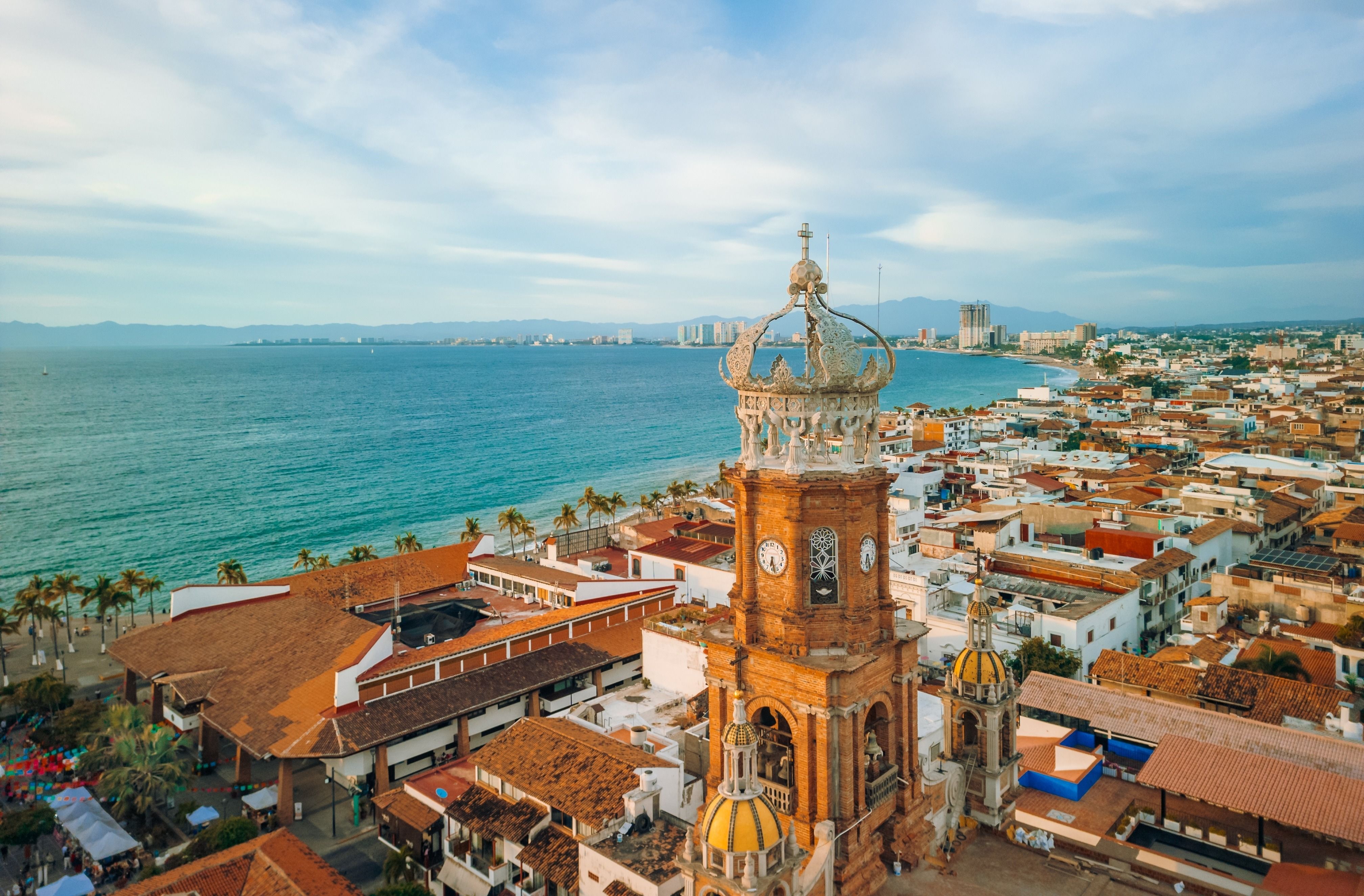
Jalisco is a complex state. While the metropolitan area of Guadalajara and the resort city of Puerto Vallarta are major economic hubs, they are distinct from the surrounding rural areas where influence from organized criminal groups may be more prevalent.
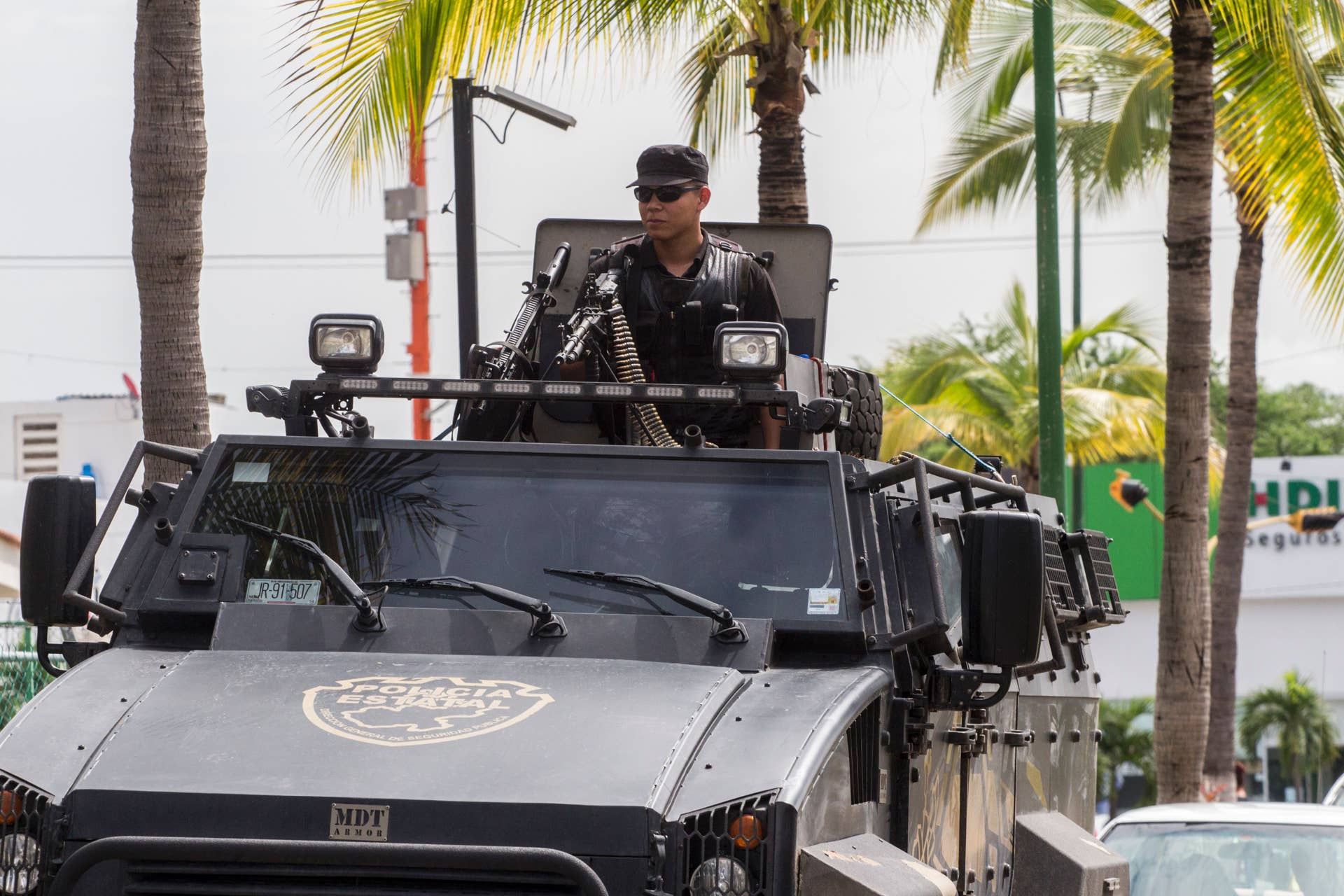
Most cartel-related warnings focus on the risks of highway travel, especially at night, and the potential for innocent bystanders to be caught in territorial disputes. In Puerto Vallarta, the security reality is often markedly different from the state’s more volatile mountainous regions. The local government and private sector in high-traffic tourist zones like the Marina, the Romantic Zone, and the Hotel Zone frequently invest heavily in private and public security to maintain a stable environment for the tourism industry, which is the lifeblood of the city.
Assessing Your Personal Risk Profile
Your risk profile depends heavily on how you travel. Standard resort tourism, where you stay within the confines of established hotels and take pre-arranged shuttles to common tourist sites, carries a different risk level than independent travel that involves driving through remote areas or visiting neighborhoods outside the typical tourist circuit.
When reviewing warnings, look for specific mentions of:
- Highway Travel: Many warnings advise against driving between cities after dark.
- Law Enforcement Interaction: Advisories may include information on the prevalence of police corruption or the reliability of local emergency services.
- Targeted Violence: Determine if the warning suggests that criminal groups are specifically targeting foreign nationals or if the violence is largely internecine (between criminal factions).
Comparative Risk Factors for Travelers
| Risk Factor | Low-Risk Behavior | High-Risk Behavior |
|---|---|---|
| Transportation | Pre-arranged hotel shuttles, official taxi stands | Driving personal/rental cars on rural highways at night |
| Connectivity | Maintaining roaming data and hotel Wi-Fi | Traveling to off-grid areas without communication |
| Itinerary | Staying in major tourist corridors and resorts | Seeking out isolated areas or unmonitored nightlife |
| Local Awareness | Monitoring official consulate alerts | Ignoring local guidance or government updates |
Practical Steps for Verifying Security Status
Before booking travel or finalizing an itinerary, follow a systematic approach to verifying the current security landscape:
- Check Official Consular Data: Always consult the U.S. Department of State or your own nation's equivalent. Look for the "Mexico Travel Advisory" page and focus on the section specifically dedicated to Jalisco.
- Review Local News via Reputable Sources: Read English-language news outlets based in Puerto Vallarta. These sources often provide the most granular, day-to-day context on whether a specific incident was an isolated event or part of a larger trend.
- Register Your Travel: Most Western governments provide a travel registration program (such as STEP for U.S. citizens). Enrolling allows your embassy to contact you in the event of an emergency or a significant change in the local security environment.
- Identify Emergency Contacts: Know the local emergency number for Puerto Vallarta (typically 911) and ensure you have the contact information for the nearest embassy or consulate office.
Common Misconceptions About Travel Warnings
One of the most frequent mistakes is conflating a national warning with a localized incident. A "Cartel Warning" might be triggered by a specific event in a distant part of a state, but the headline might lead a reader to believe the entire region is under siege.
Furthermore, "cartel warnings" are often misinterpreted as advice to stay away entirely. In reality, these documents are designed to provide the conditions under which you can travel safely. By reading the fine print—such as recommendations to "stay on main highways" or "avoid travel after dark"—you can adapt your behavior to mitigate the risks identified by officials.
Next Actions for Informed Travel
If you are planning a trip to Puerto Vallarta, your next action should be to create a "Security Brief" for your travel party. This involves:
- Establishing a primary and secondary point of contact at home who has a copy of your itinerary.
- Ensuring your mobile phone plan includes international roaming or that you have a local SIM card arranged.
- Reviewing the specific advice for the Jalisco region on your government’s travel website and ensuring your insurance policy covers medical evacuation and non-medical emergency evacuation.
If you find that an advisory has been upgraded to a level that you are uncomfortable with, do not hesitate to contact your travel provider or credit card issuer regarding cancellation policies. Being informed is not just about staying safe while traveling; it is about having the data necessary to decide if a trip aligns with your personal safety threshold before you depart.
Image Gallery