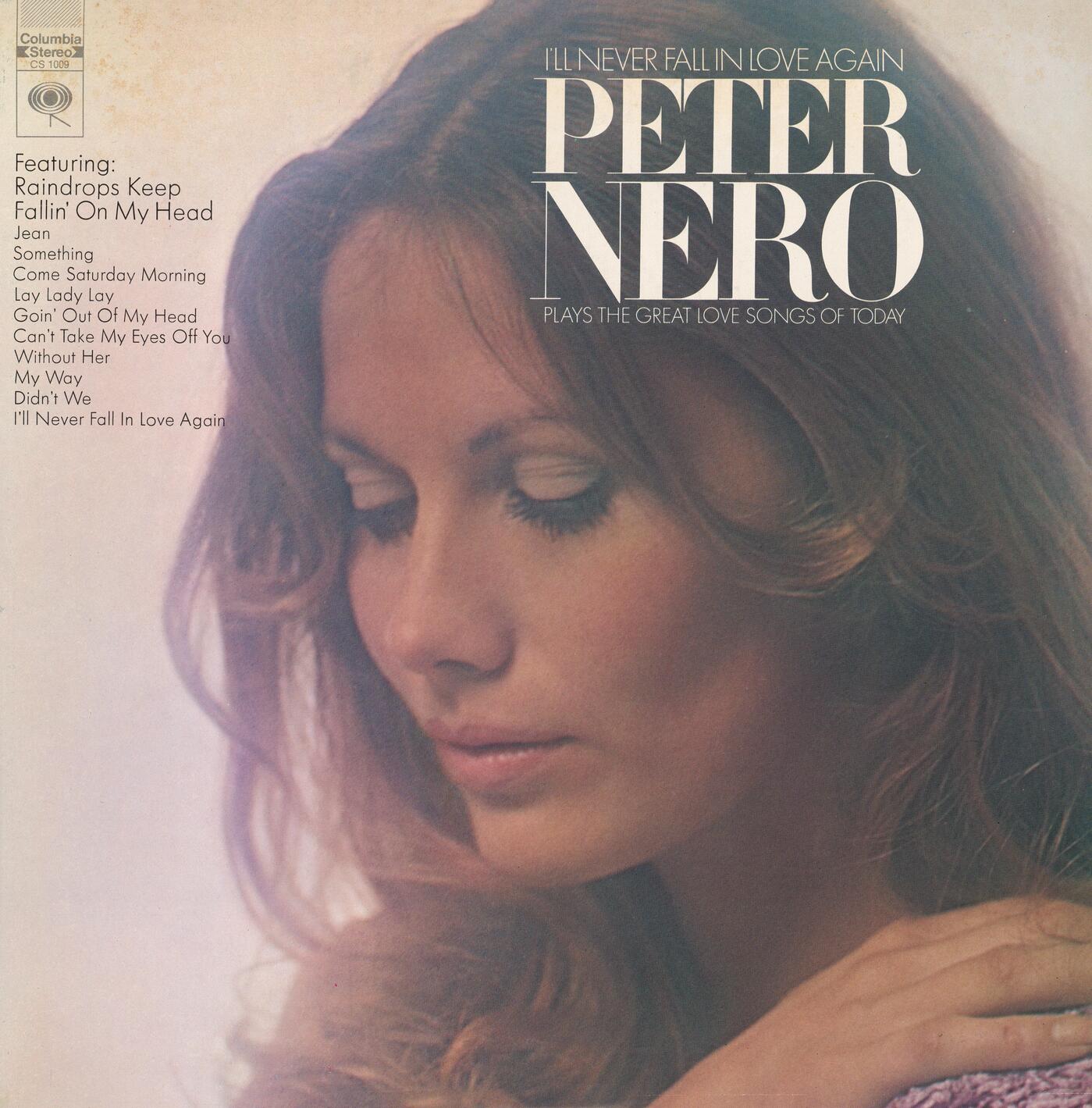
Analyzing Peter Nero: An Overview of His Artistic Legacy and Estate Valuation
Peter Nero, the celebrated American pianist and conductor renowned for his unique blend of jazz and pop arrangements, left an indelible mark on the landscape of 20th-century music. While public interest often centers on the financial l...
Peter Nero, the celebrated American pianist and conductor renowned for his unique blend of jazz and pop arrangements, left an indelible mark on the landscape of 20th-century music. While public interest often centers on the financial legacy of iconic performers, determining the net worth of a musician like Nero requires an understanding of his professional tenure, his long-standing association with the Philly Pops, and the nature of his intellectual property holdings. Following his passing in 2023, discussions surrounding his estate reflect a career defined by prolific recording, extensive touring, and influential contributions to orchestral pops programming.
Contents
The Professional Foundation of Peter Nero’s Earnings
To understand the financial footprint of Peter Nero, one must first look at the trajectory of his career, which spanned over six decades. Born Bernard Nierow in 1934, he rose to prominence in the early 1960s with a string of successful albums for RCA Victor. His ability to fuse classical technique with contemporary jazz sensibilities made him a staple of American popular culture during the mid-century era.
Nero’s wealth was primarily generated through three distinct channels:
- Recording Royalties: During his peak, Nero was a highly prolific recording artist. His albums, such as Piano Forte and his Grammy-winning New Piano in Town, enjoyed significant commercial success during a period when physical media sales were the primary engine of music revenue.
- Orchestral Leadership: His tenure as the founding music director and conductor of the Philly Pops, which began in 1979 and lasted over three decades, provided a consistent platform for his work. This role allowed him to perform as both a soloist and a conductor, diversifying his income beyond simple record sales.
- Performance Fees: Throughout his life, Nero was a consistent touring act. His demand as a guest conductor and pianist for various symphony orchestras across the United States and abroad provided a steady stream of performance-based income.
Intellectual Property and Royalty Streams
A significant portion of a long-term musical artist’s estate value typically resides in the ongoing rights to their catalog. Unlike modern artists who may rely heavily on streaming, Nero’s catalog was built during the era of vinyl and compact discs. While legacy artists often see diminished returns in the digital age, their compositions and master recordings continue to generate income through mechanical royalties, public performance rights, and sync licensing—the practice of placing music in television, film, or advertisements.
In 2023, the valuation of such an estate would be tied closely to the long-term viability of these royalty streams. Music catalogs are often viewed as assets that perform independently of the economy, yet their valuation is contingent on the popularity of the compositions and the efficiency of the rights management. For an artist of Nero's stature, the estate would have been managed through standard legal entities designed to protect and distribute the ongoing income generated by these intellectual properties.
Comparing Income Sources for Legacy Artists
The financial profile of a career-long musician like Peter Nero can be categorized by the shifting nature of the music industry. The following table summarizes the primary revenue streams typically associated with an artist of his vintage.
| Revenue Source | Characteristics | Stability |
|---|---|---|
| Physical Sales | High volume in the 1960s-1990s; legacy residuals. | Declining |
| Orchestral Fees | Contractual payments for conductorship and performances. | High (Fixed-term) |
| Public Performance | Royalties from radio play and venue performances. | Stable |
| Sync Licensing | Income from placements in media and film. | Variable |
| Estate Holdings | Management of intellectual property rights. | Long-term |
The Nature of "Net Worth" for Performing Artists
When investigating the net worth of public figures like Peter Nero, it is important to distinguish between gross career earnings and net assets at the time of death. Net worth is a snapshot of assets minus liabilities. For a private citizen who happened to be a public figure, this information is not typically public record unless it is processed through a probate court filing, which is often sealed or unavailable for general access.
Most estimates provided in public databases are speculative and often fail to account for the complexities of estate tax, the costs of managing an artistic catalog, and personal lifestyle expenditures. In 2026, it is widely recognized that the value of an artist's estate is best measured not just by liquid capital, but by the preservation of their cultural and artistic influence, which continues to provide value to heirs through ongoing licensing and archival projects.
Considerations for Estate Valuation
For those researching the financial logistics surrounding the passing of legendary performers, several factors usually dictate the ultimate value of the estate:
- Management Costs: Maintaining a professional library, managing legal disputes over rights, and the cost of estate planning are substantial.
- Charitable Bequests: Artists of Nero’s status often designate portions of their estate to arts education or symphony organizations, which reduces the total liquid net worth while increasing the philanthropic legacy.
- The "Legacy Effect": The value of a musician’s estate often fluctuates post-mortem depending on how effectively the estate managers promote the archival recordings or license the music for new generations.
Frequently Asked Questions
1. Was Peter Nero’s net worth public record at the time of his death? No. Financial information for private individuals, including professional artists, is not subject to public disclosure unless they are involved in high-profile, contested legal proceedings or if the estate is subject to specific tax-filing disclosures. Any figures found online are speculative and not official records.
2. How do musicians earn money from their legacy after passing? Musicians’ estates earn income primarily through royalties. This includes mechanical royalties from recorded music, performance royalties from radio or public broadcasts, and sync licenses. Estate managers oversee these rights to ensure they remain profitable.
3. What happens to a musician's orchestra fees when they pass away? Performance and conducting fees are active income. These cease upon the artist's passing. The estate does not inherit the ability to conduct or perform, though it may receive any outstanding contractual payments owed to the artist before their death.
4. Are there taxes on the valuation of an artist's music catalog? Yes. In the United States, an artist’s estate is subject to federal and state estate taxes based on the appraised market value of their assets, including the music catalog. These assets are valued by professionals to determine the total tax liability.
5. How does the current year, 2026, affect the perception of his career? By 2026, the focus has shifted from the active earning years of Peter Nero to the long-term preservation of his library. His career is viewed as a historical success story, and the valuation of his estate is now stabilized as a collection of rights and assets.
Concluding Perspective
The life and work of Peter Nero serve as a masterclass in professional musical longevity. For those interested in the financial aspects of his life, it is most beneficial to focus on the structure of his contributions—his long-term leadership in American pops music and his extensive recording catalog—rather than speculative net worth figures. The true value of such an artist lies in the archival preservation of his performances, which continue to reach audiences and influence the standards of pops conducting. If you are conducting research into music industry finances, focus on historical data regarding royalty distribution and the administrative costs of managing a legendary artistic estate.
Image Gallery