How the Life Insurance Benefit Payment Amount Is Determined
The life insurance benefit payment amount—commonly referred to as the death benefit—is a fixed sum established at the time of policy inception, dictated by the coverage amount selected by the policyholder and stipulated in the insuranc...
The life insurance benefit payment amount—commonly referred to as the death benefit—is a fixed sum established at the time of policy inception, dictated by the coverage amount selected by the policyholder and stipulated in the insurance contract. While the face value is usually guaranteed, the final payout can be adjusted by unpaid premiums, outstanding policy loans, or the addition of specific riders, such as an accelerated death benefit or accidental death indemnity.
Contents
Establishing the Face Value
The primary driver of the benefit payment is the "face value" or "death benefit" amount chosen when the policy is first purchased. When an individual applies for life insurance, they undergo a financial underwriting process. The insurance carrier evaluates the applicant's income, debt, and future financial obligations to determine if the requested coverage amount is reasonable.
Once the policy is issued, the face value is locked in. If you purchase a $500,000 term life insurance policy, the contractually obligated payment to your beneficiaries upon your death is $500,000, assuming all premiums have been paid. This amount does not fluctuate with market conditions or the passage of time unless the policyholder explicitly requests a reduction or an increase in coverage—the latter of which typically requires a new round of medical and financial underwriting.
The Impact of Policy Riders
Many life insurance policies include optional add-ons known as riders, which can alter the final payout amount. These riders allow for flexibility beyond the standard death benefit.
- Accidental Death Indemnity (ADI): This rider provides an additional payment if the insured person dies specifically due to an accident. If a policy has a $500,000 base benefit and a $250,000 ADI rider, the total payout would be $750,000, provided the death meets the specific criteria defined in the rider.
- Accelerated Death Benefit (ADB): This feature allows the policyholder to receive a portion of the death benefit early if they are diagnosed with a terminal illness. If you receive an advance of $100,000 from a $500,000 policy while living, the remaining death benefit paid to your beneficiaries upon your passing will be $400,000.
- Cost of Living Adjustments (COLA): Rare in modern individual policies, these riders increase the death benefit automatically based on inflation indices.
Adjustments Due to Financial Liabilities
The final amount delivered to beneficiaries is rarely the face value in isolation; it is subject to adjustments based on the financial state of the policy at the time of the claim.
- Outstanding Policy Loans: In permanent life insurance policies (such as Whole or Universal Life), policyholders can borrow against the cash value of the policy. If a loan remains unpaid at the time of the insured's death, the insurance company will deduct the outstanding principal and any accrued interest from the death benefit.
- Unpaid Premiums: If a policyholder dies during a grace period—a window of time after a premium due date where the policy remains active despite non-payment—the insurer will subtract the overdue premium amount from the death benefit payout.
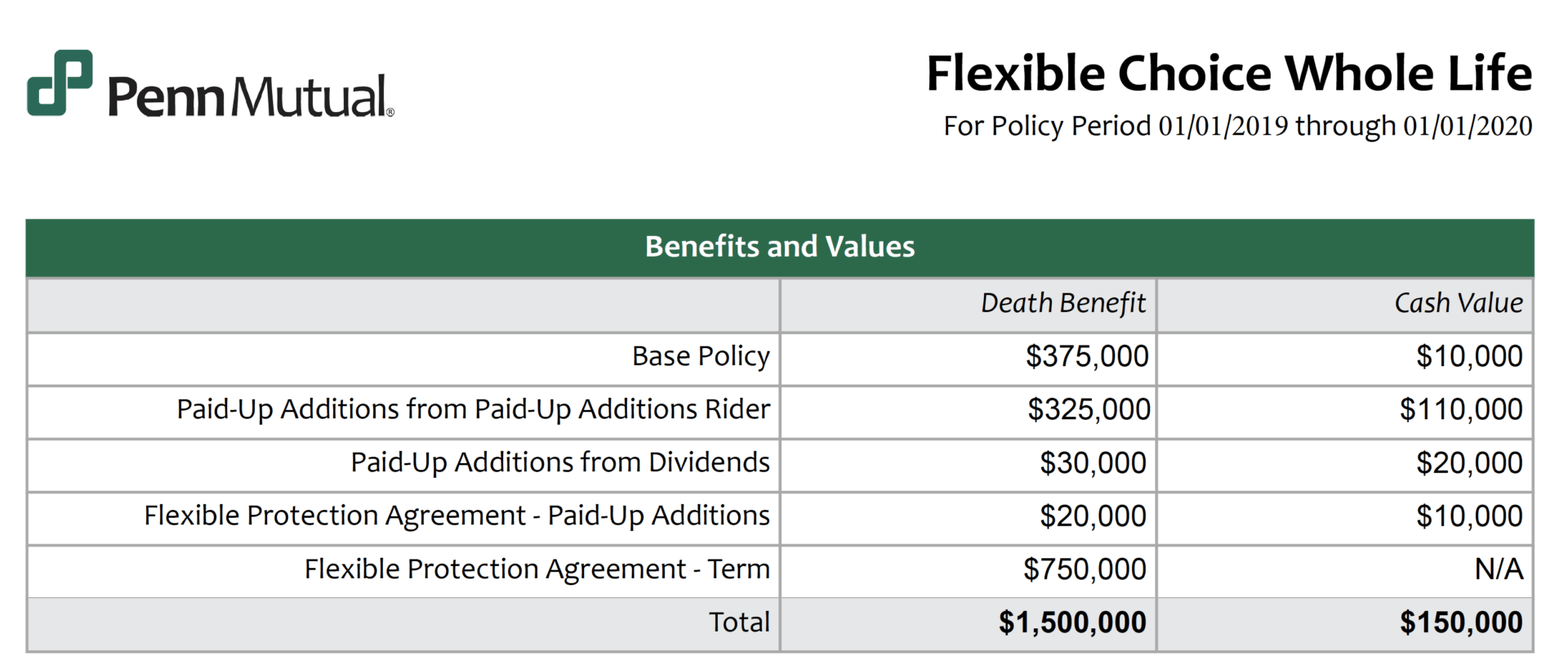
- Dividends: Some "participating" whole life insurance policies pay dividends based on the insurer's financial performance. If the policyholder has chosen to use dividends to purchase "paid-up additions," the total death benefit will be higher than the initial face value because these additions increase the total coverage over time.
Factors Affecting Payouts: Summary Table
| Adjustment Type | Effect on Payout | Typical Source |
|---|---|---|
| Face Value | Sets the baseline | Original Policy Contract |
| Policy Loans | Decreases payout | Outstanding Debt |
| Unpaid Premiums | Decreases payout | Grace Period Deductions |
| Accidental Death Rider | Increases payout | Optional Rider Selection |
| Paid-up Additions | Increases payout | Policy Dividends |
| Accelerated Benefits | Decreases payout | Terminal Illness Advance |
The Underwriting and Contestability Period
While the face value is determined at the start, the insurer’s obligation to pay that full amount is subject to the conditions of the "contestability period," which generally lasts for the first two years of the policy. If the insured dies during this time, the insurance company has the right to investigate the original application.
If the insurer discovers material misrepresentations—such as a failure to disclose a pre-existing medical condition or an incorrect smoking status—they may contest the claim. In these cases, the payout may be reduced to the amount of premiums paid, or the claim may be denied entirely. After the contestability period expires, the policy is generally considered "incontestable," meaning the insurer must pay the full face value regardless of minor errors on the application, provided the premiums are current.
Taxes and Other External Claims
It is essential to clarify that while the insurance company determines the payout amount based on the contract, the net amount the beneficiary receives can be influenced by external factors. Generally, life insurance death benefits are income-tax-free under Section 101(a) of the Internal Revenue Code. However, if the policy is transferred for "valuable consideration," portions of the benefit may become taxable. Furthermore, if the estate is the named beneficiary rather than an individual, the proceeds may become subject to estate taxes, potentially reducing the final amount available to heirs.
Frequently Asked Questions
Does the life insurance payout change if I stop paying premiums? If you stop paying premiums and the policy lapses, the death benefit usually drops to zero. However, some permanent policies have "non-forfeiture" options that may provide a reduced death benefit or extended term coverage based on the cash value accumulated prior to the lapse.
Can I increase my death benefit later without a new policy? It depends on the policy type. Universal Life policies often allow you to increase the death benefit, but you will likely need to provide evidence of insurability (a new medical exam) to ensure you still qualify for the coverage level.
What happens to the death benefit if the beneficiary dies before the insured? If the primary beneficiary dies before you, the death benefit typically passes to any named contingent beneficiaries. If no contingent beneficiaries are named, the benefit is usually paid to the insured's estate, where it may be subject to probate and creditor claims.
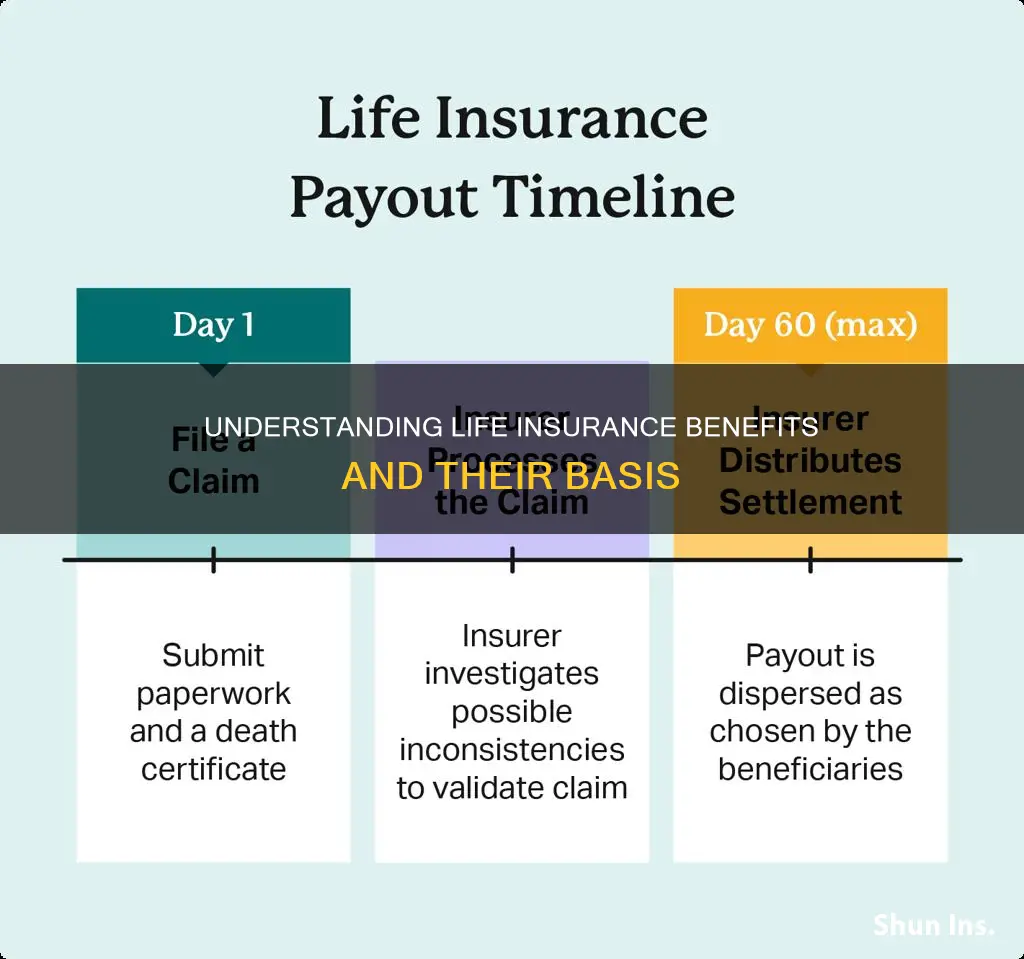
Do insurance companies deduct interest from the death benefit? They do not deduct interest from the benefit itself, but they may pay interest to the beneficiary. If there is a delay in processing the claim after the insurer has received the death certificate and necessary forms, they are often required by state law to pay interest on the death benefit from the date of death until the date of payment.
How do I verify my current death benefit amount? The most reliable way to confirm your current death benefit is to request an "in-force illustration" from your insurance carrier. This document provides a snapshot of your policy, including current coverage, cash value, outstanding loans, and projected growth.
Recommendation for Policyholders
To ensure your beneficiaries receive the intended benefit amount without complication, review your policy annually. Check for any outstanding loans you may have taken against the cash value, as these are frequently overlooked and can significantly reduce the payout. Ensure your beneficiary designations are up to date with the insurance company, as these override any instructions left in a will. If you have questions regarding specific deductions or riders, contact your insurance agent or the company's policyholder service department to request an updated statement of the current death benefit.
Image Gallery