What the Current Interest Rates for Commercial Loans Reveal About Market Conditions
Current interest rates for commercial loans serve as a sophisticated barometer for the broader economic environment, reflecting central bank policy, institutional risk appetite, and the projected health of the business sector. As of 20...
Current interest rates for commercial loans serve as a sophisticated barometer for the broader economic environment, reflecting central bank policy, institutional risk appetite, and the projected health of the business sector. As of 2026, these rates indicate a stabilization period where lenders prioritize liquidity and borrower creditworthiness, signaling a move away from the speculative financing seen in previous fiscal cycles toward a focus on long-term project viability.
Contents
The Macroeconomic Signals Embedded in Interest Rates
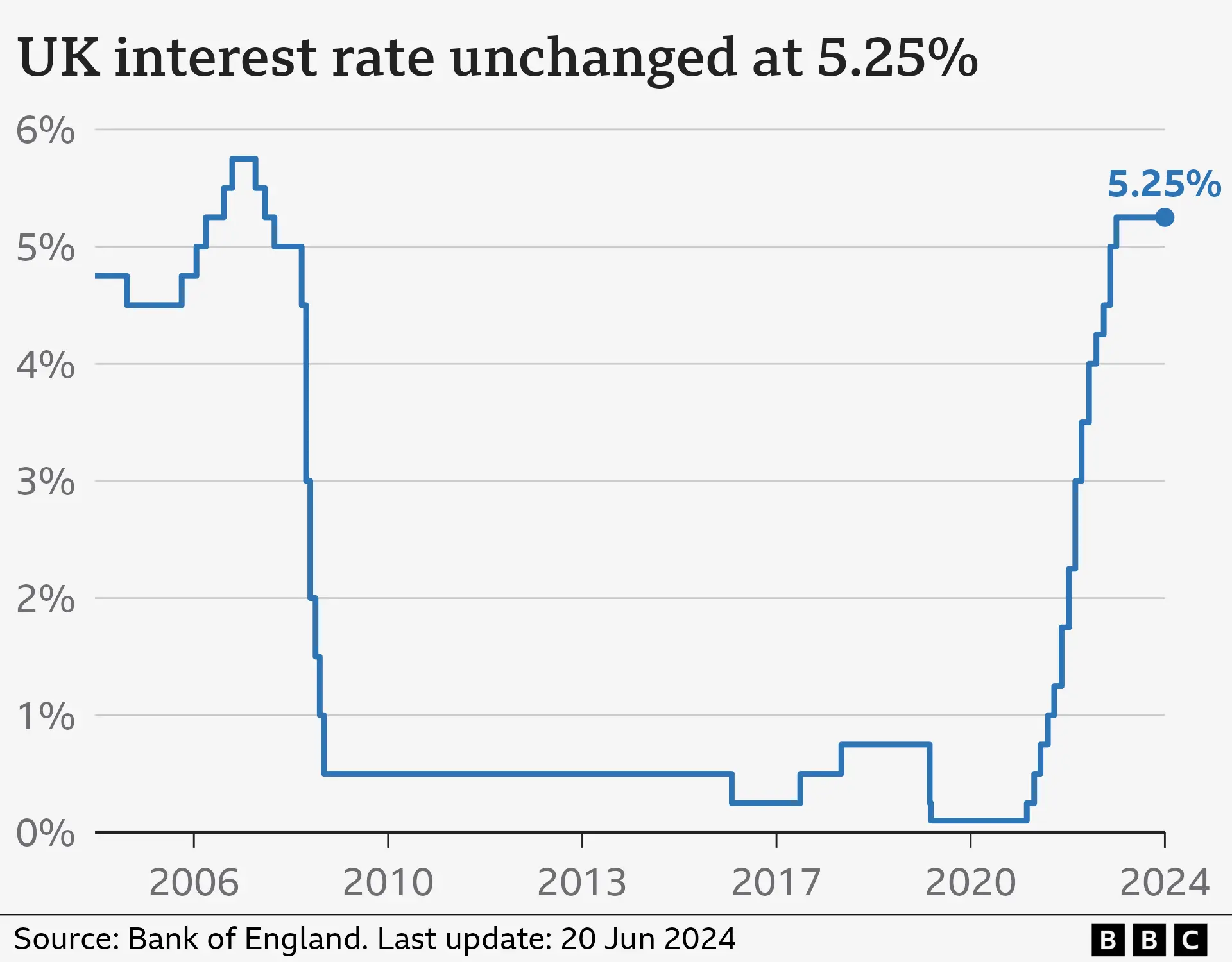
Commercial loan interest rates are never set in a vacuum. They are a composite reflection of the cost of capital, which is fundamentally tied to the federal funds rate and the yield curve of government securities. When commercial rates remain elevated or shift in specific patterns, they reveal three critical economic truths.
First, these rates disclose the market’s inflation expectations. If lenders are pricing long-term commercial loans with a significant premium over risk-free assets, it suggests they believe inflationary pressures remain persistent. Second, rates reveal the cost of credit risk. When the spread between the prime rate and commercial loan rates widens, it indicates that financial institutions perceive a higher probability of default within the business community. Third, the rates reflect the scarcity of capital. In a tightening environment, capital becomes more expensive, forcing businesses to refine their internal rate of return (IRR) requirements for new projects.
How Lenders Assess Risk in the 2026 Landscape
In the current financial environment, commercial lenders have moved toward a more rigorous, data-driven underwriting process. The interest rate a company receives is rarely just the "market rate"; it is a customized reflection of the borrower’s risk profile.
Banks and non-bank lenders are currently scrutinizing three main pillars:
- Debt Service Coverage Ratio (DSCR): This is the primary metric for commercial real estate and business loans. Lenders want to see that cash flows significantly exceed debt obligations, typically requiring a ratio of 1.25x or higher in the current climate.
- Loan-to-Value (LTV) Ratios: Especially in property-backed loans, lenders are conservative, often favoring lower LTVs to buffer against potential volatility in asset appraisals.
- Liquidity Reserves: Beyond traditional income statements, lenders are now requiring evidence of "dry powder"—liquid reserves that can cover interest payments during periods of revenue disruption.
Comparison of Commercial Loan Structures
Understanding the landscape requires distinguishing between various loan products, as their interest rate structures reveal different levels of risk tolerance.
| Loan Type | Typical Rate Structure | Primary Use Case | Risk Indicator |
|---|---|---|---|
| Fixed-Rate Term Loan | Set for life of loan | Predictable expansion | Signals lender confidence in long-term stability |
| Floating-Rate/Variable | SOFR + Spread | Short-term working capital | Reflects volatility in overnight funding markets |
| Bridge Loans | Higher/Premium rates | Rapid acquisition/flip | High-risk indicator; signals urgent capital need |
| SBA 7(a) Loans | Government-capped | Small business growth | Signals state-backed de-risking of small entities |
The Impact of Commercial Loan Rates on Capital Allocation
The cost of borrowing has a direct, cascading effect on business decision-making. When rates are high, the hurdle rate for capital investment rises. A project that might have been viable at a 4% interest rate becomes a net-negative project at 7% or 8%.
This shift often leads to "capital hoarding," where businesses reduce discretionary spending and aggressive expansion in favor of paying down existing debt. From a macro perspective, this is the intended result of higher interest rates—a slowing of overheating sectors to allow the economy to rebalance. For an individual business owner, it means that the "cost of waiting" to initiate a project must be weighed against the "cost of capital" today.
Common Pitfalls When Securing Commercial Credit
Borrowers often make the mistake of focusing solely on the nominal interest rate, ignoring the total cost of capital. In the current market, it is essential to look at the "all-in" cost, which includes:
- Origination Fees: Upfront costs that can significantly impact the net proceeds of the loan.
- Prepayment Penalties: Many commercial loans include "yield maintenance" or "defeasance" clauses. In a year like 2026, where rate cycles are being closely watched, these penalties can make refinancing prohibitively expensive if rates were to drop unexpectedly.
- Covenant Restrictions: Beyond the interest rate, lenders may impose operational covenants that restrict a company's ability to take on additional debt or pay dividends.
Navigating the 2026 Credit Environment
To successfully navigate this environment, business owners must prepare for a "verification-heavy" application process. The days of speculative lending based on future projections are largely behind us; lenders now prioritize historical performance.
Actionable Steps for Business Owners:
- Audit Your Financials: Ensure your balance sheet is clean and that all contingent liabilities are clearly disclosed.
- Negotiate the Spread: While you cannot control the base rate (often pegged to indices like SOFR), you can negotiate the lender's spread by providing comprehensive collateral and showing a strong, multi-year history of positive cash flow.
- Explore Non-Bank Alternatives: If traditional banks are too rigid, debt funds and private credit providers are currently active, though they typically demand higher rates in exchange for more flexible, speed-oriented lending processes.
- Stress Test Your Debt: Use the current interest rates to run a worst-case scenario. If your cash flow remains positive even at a rate 2% higher than current quotes, your position for negotiation is significantly strengthened.
Frequently Asked Questions
Does the current interest rate indicate a coming recession? Not necessarily. While higher rates can slow growth, they are also used to curb inflation. Market analysts look at the "yield curve"—the difference between short-term and long-term rates—to gauge recessionary signals, rather than looking at commercial loan rates in isolation.
Can I lock in a rate if I expect future increases? Yes, fixed-rate loans are the primary tool for hedging against rising rates. However, lenders charge a premium for the certainty of a fixed rate. You must weigh the cost of that premium against your belief that rates will climb.
Why are commercial rates different from residential mortgage rates? Commercial loans are non-recourse or limited-recourse, depending on the structure, and are generally riskier than residential mortgages. Lenders include a "risk spread" to account for the business volatility, management capability, and market sector of the entity being financed.
Are there government programs available to lower borrowing costs? Yes, in the United States, programs such as the SBA 7(a) or 504 loan programs are designed to assist small and medium-sized businesses by guaranteeing a portion of the loan, which encourages lenders to offer more favorable terms than they would for purely private commercial debt.
What is the role of the SOFR index in my commercial loan? The Secured Overnight Financing Rate (SOFR) has replaced LIBOR as the primary benchmark for floating-rate commercial loans. Your contract likely states that your rate will be "SOFR + [a spread]." As the overnight funding market moves, your interest expense will adjust accordingly.
Next Actions for Your Business
If you are currently evaluating a commercial loan, do not wait for the market to reach a perceived "bottom." Instead, focus on your internal financial health. A business with high debt service coverage and significant liquid assets will qualify for the lowest available spreads regardless of the general market environment. Start by gathering your last three years of tax returns, current year-to-date P&L statements, and an updated schedule of existing debt to present to your lender. This transparency reduces the lender's perception of risk and is your most effective tool for securing a competitive rate.
Image Gallery