Selecting the Best Portable Vacuum Cleaner for Home Use
The best portable vacuum cleaner for home use is a high-performance cordless stick or handheld unit that balances suction power, battery longevity, and filtration efficiency. Homeowners should prioritize models featuring HEPA-grade fil...
The best portable vacuum cleaner for home use is a high-performance cordless stick or handheld unit that balances suction power, battery longevity, and filtration efficiency. Homeowners should prioritize models featuring HEPA-grade filtration, lightweight ergonomics, and specialized attachments that match their specific flooring types and cleaning challenges, such as pet hair or upholstery maintenance.
Contents
Understanding Portable Vacuum Categories
Portable vacuums for home use are generally categorized into two distinct forms: cordless stick vacuums and dedicated handheld units. While the lines have blurred as stick vacuums gain modular capabilities, understanding these distinctions is critical to selecting the right tool for your living space.
Stick vacuums are designed as full-length cleaners that feature a motorized floor head, a long extension wand, and a main body containing the motor and dust bin. These are intended to replace or supplement full-sized upright vacuums. They offer the most versatility for cleaning both floors and ceilings, but they often come at a higher price point and require more storage space than a handheld model.
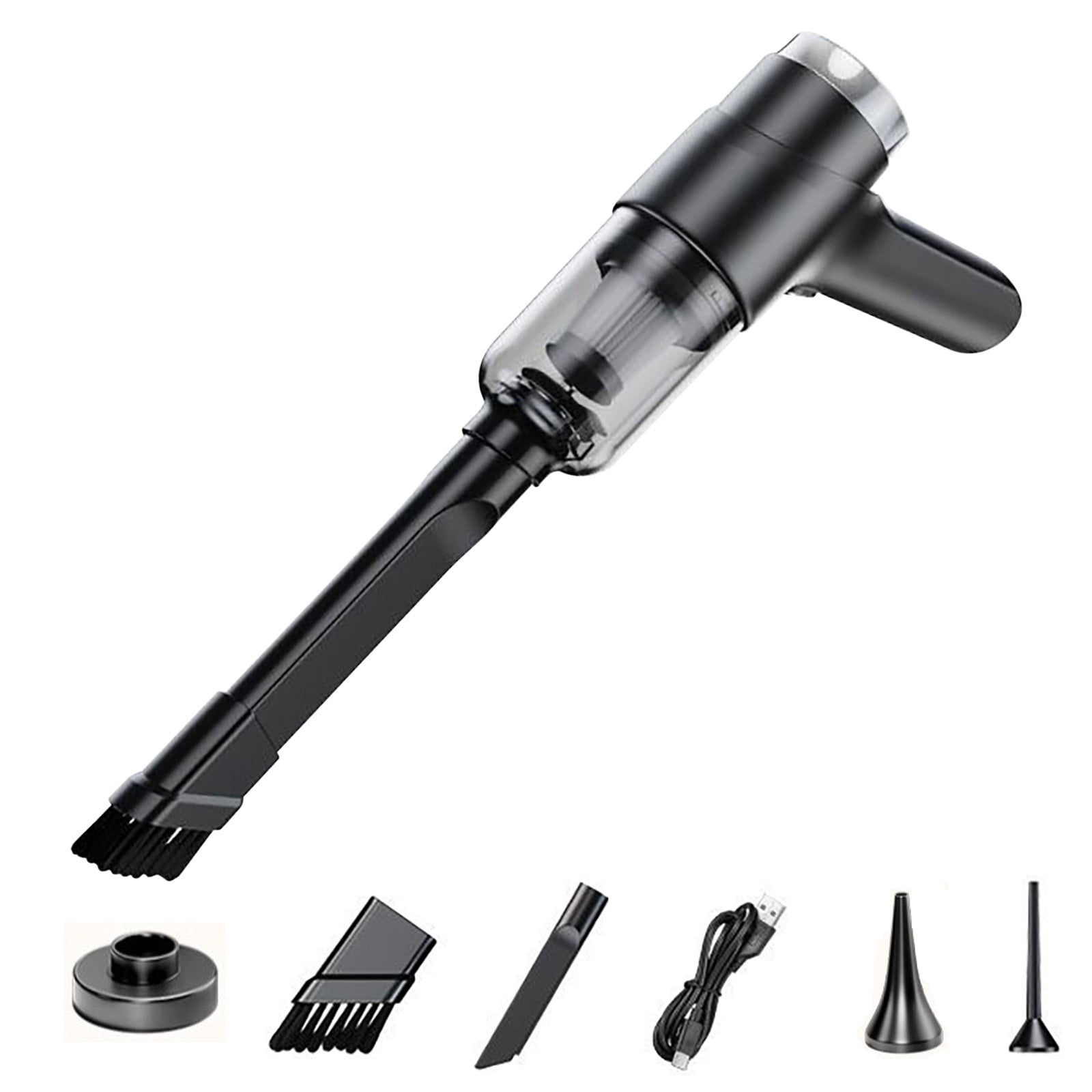
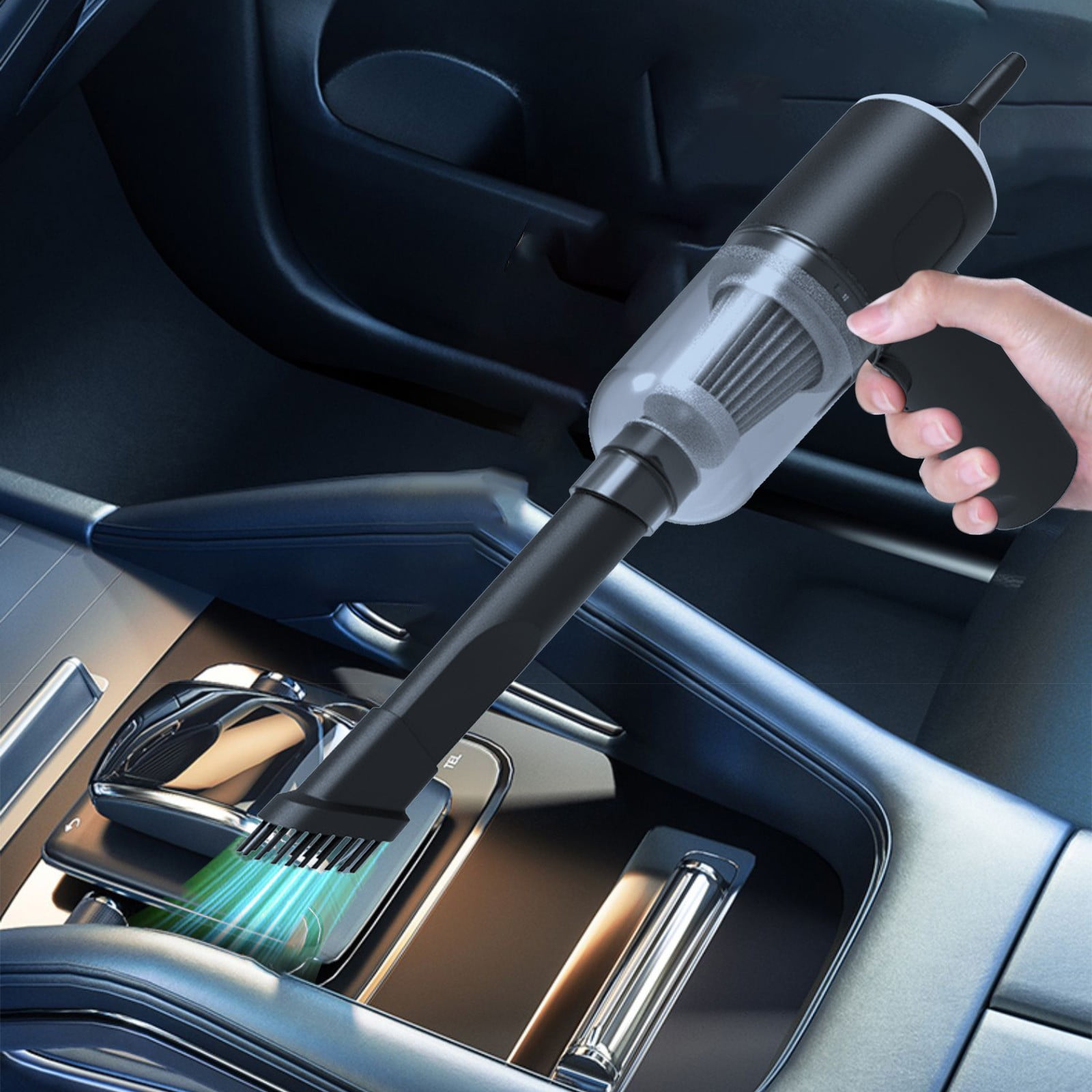
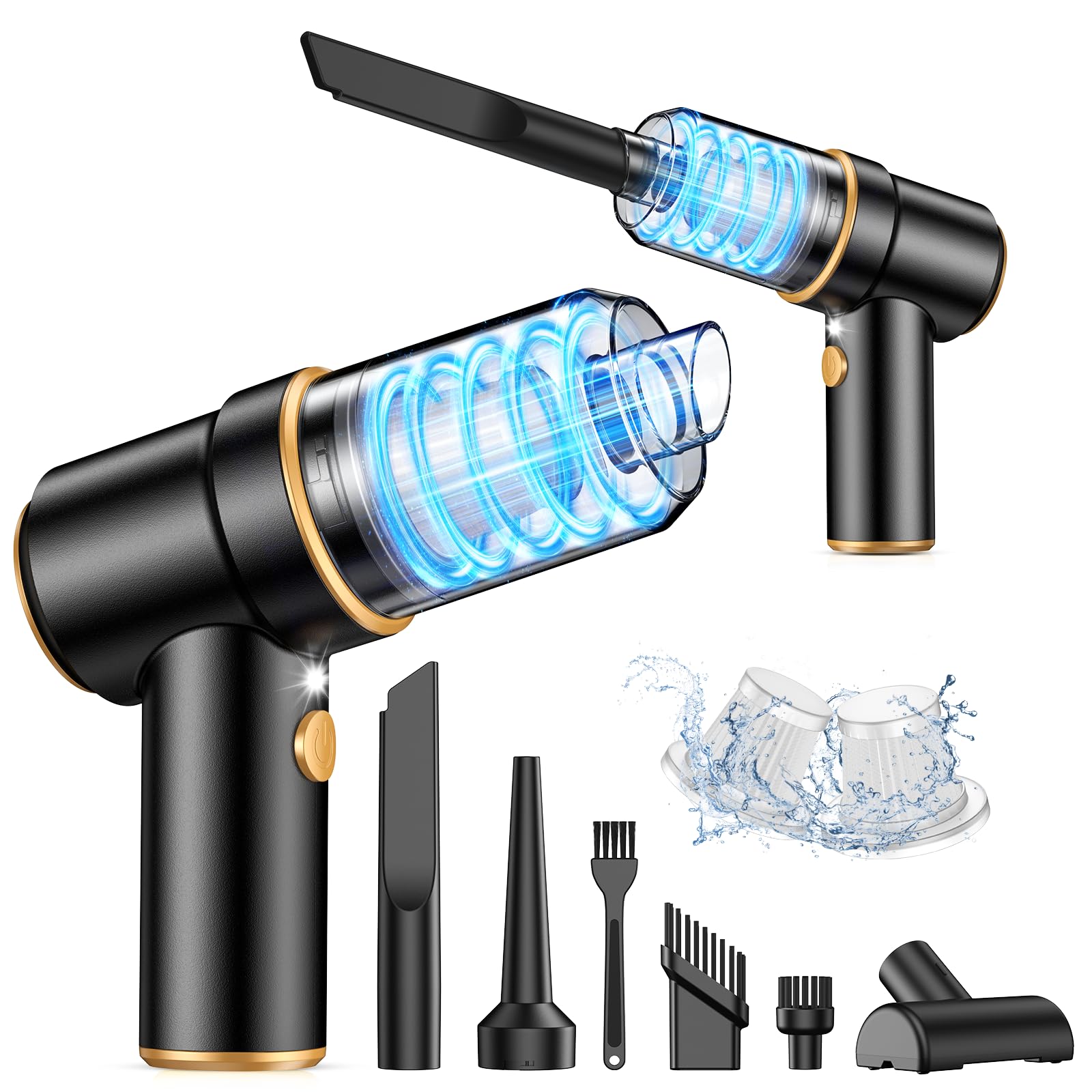
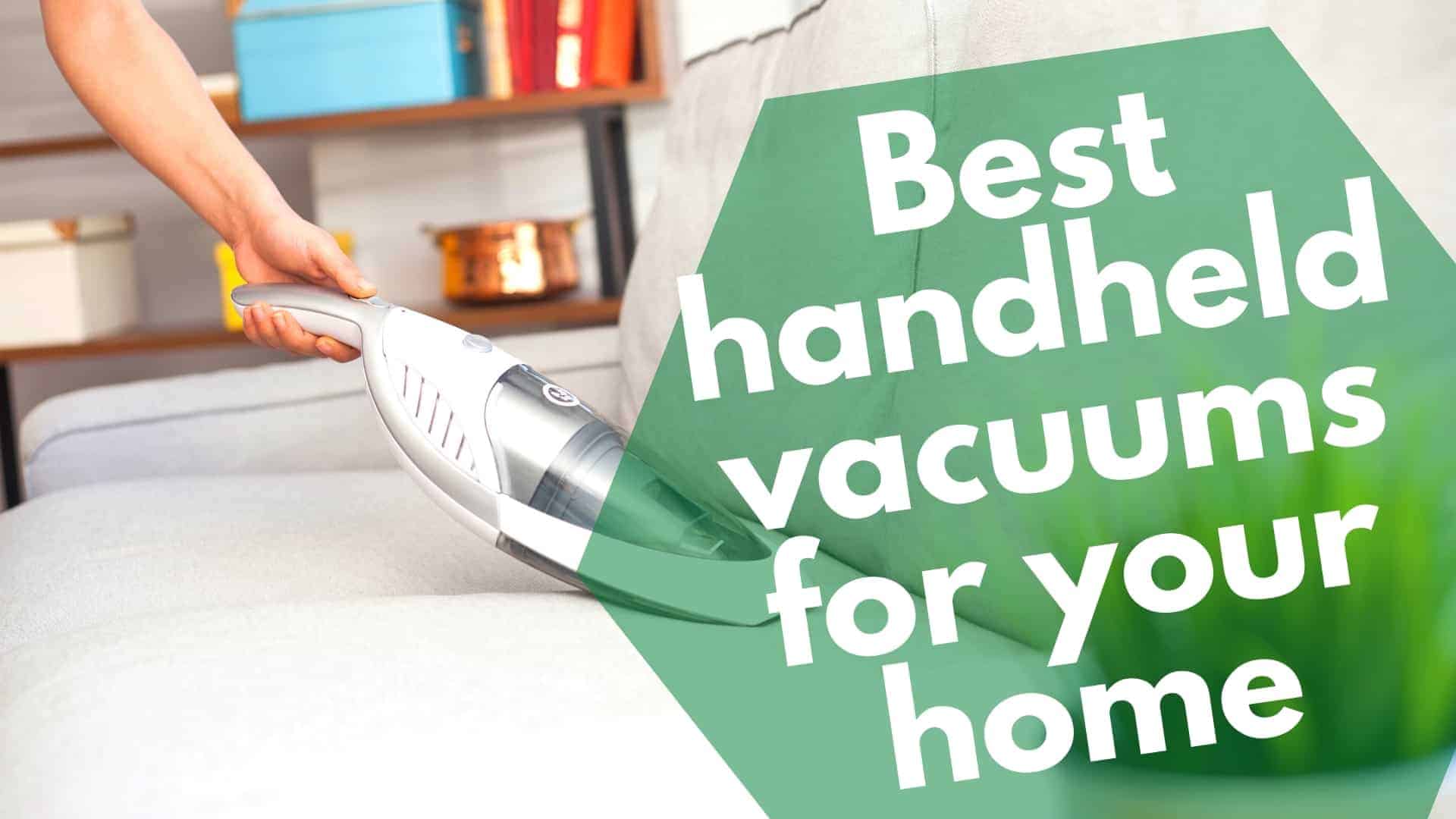
Handheld vacuums are compact, purpose-built devices designed for spot cleaning, upholstery, car interiors, and tight corners. They are significantly smaller and usually less powerful than stick vacuums. The best handheld units for home use incorporate powerful lithium-ion batteries and crevice tools that allow users to reach deep into crevices where larger vacuums cannot fit.
Key Performance Specifications
When evaluating potential models, move beyond marketing claims and focus on measurable technical specifications. The three primary metrics for any portable cleaner are suction power (often measured in Air Watts), battery runtime, and bin capacity.
Suction power, measured in Air Watts (AW), indicates the efficiency with which a vacuum can lift debris from a surface. While manufacturers do not always disclose this figure, a machine with 100 to 150 AW is generally sufficient for most hard floors and low-pile carpets. Higher-end models may exceed 200 AW, which is beneficial for deep cleaning high-pile rugs but often comes with a significant trade-off in battery life.
Battery runtime is perhaps the most significant constraint for cordless portables. Most manufacturers state "up to" runtimes based on the lowest power setting without using a motorized brush head. In real-world conditions, particularly when using "boost" or "max" mode on carpet, actual runtime may be significantly shorter. Look for models with swappable batteries, which allow you to double your cleaning time by simply clicking in a charged spare.
Filtration is an essential, often overlooked specification. If you or members of your household suffer from allergies, ensure the vacuum is labeled as "sealed HEPA filtration." This certification ensures that the air passing through the vacuum is scrubbed of 99.97% of particles as small as 0.3 microns, preventing dust and allergens from being recirculated back into the air you breathe.
Strategic Selection Criteria
Your choice should be dictated by your home’s specific environment. Factors like surface area, flooring material, and the presence of shedding pets should influence your final decision.
| Feature | Low-Pile Carpet/Hard Floors | High-Pile/Thick Rugs | Pet Owners |
|---|---|---|---|
| Brush Roll | Soft roller preferred | Stiff, motorized brush | Anti-tangle comb/design |
| Suction Need | Moderate | High (Deep cleaning) | High (For hair extraction) |
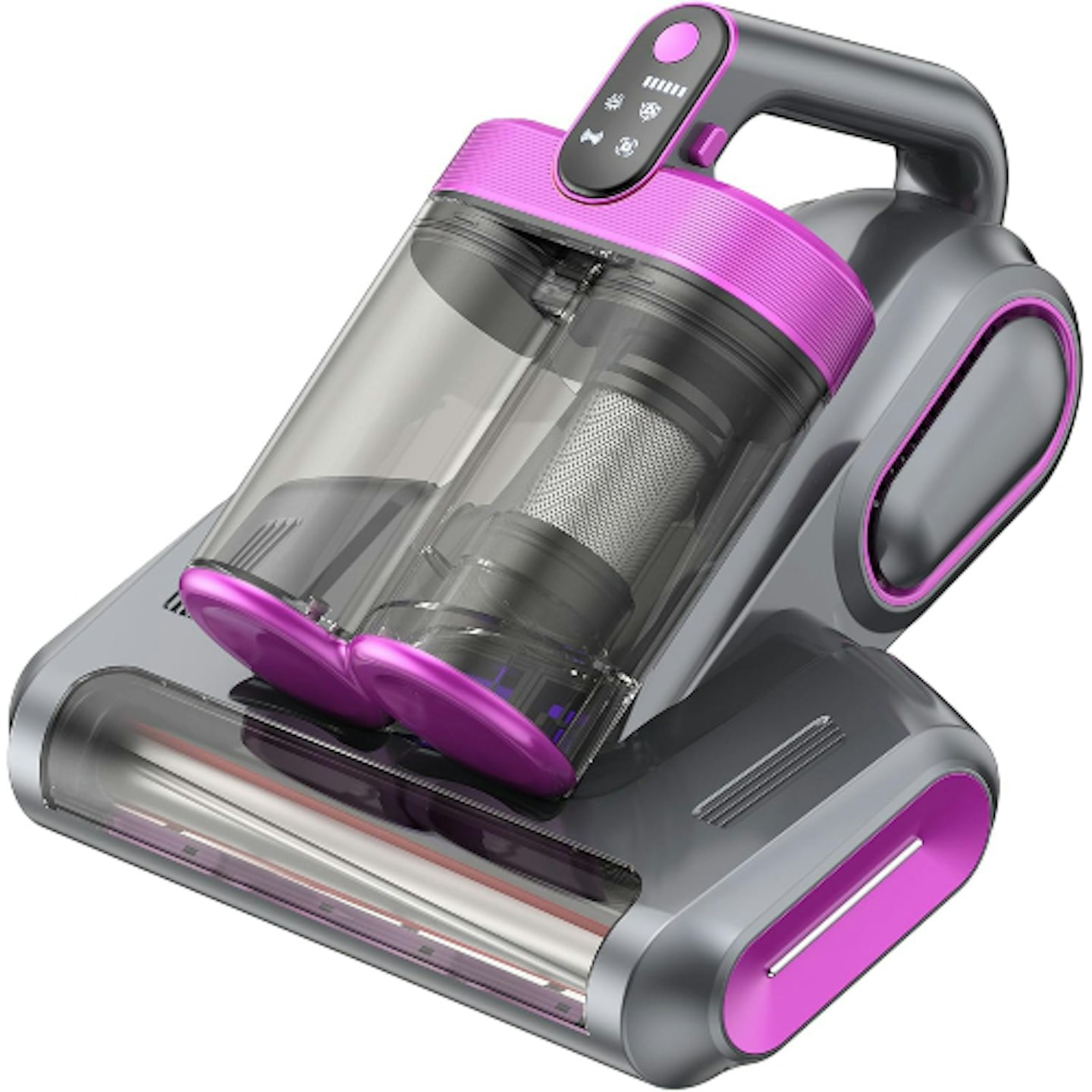
| Tool Set | Standard nozzles | Power head required | Upholstery/mini-motorized |
| Bin Type | Standard | High capacity | Easy-empty (no touch) |
For users with extensive hardwood flooring, a soft roller head—sometimes called a "Fluffy" head—is superior. It creates a better seal with the floor surface, preventing large debris from being pushed around and polishing the floor as it cleans. Conversely, homes with deep-pile carpets require high-torque, motorized brush rolls that can agitate the fibers to lift deeply embedded dirt.
Managing Maintenance and Longevity
Portable vacuums require proactive maintenance to sustain their performance over several years. The primary point of failure for cordless units is the battery; lithium-ion cells lose capacity over time. To maximize the lifespan of your unit, avoid storing it in extreme temperatures, such as an unheated garage or a sun-drenched utility closet, as heat accelerates chemical degradation of the battery cells.
Filter hygiene is equally critical. Most modern portables feature washable filters. These must be allowed to air-dry completely—usually for 24 to 48 hours—before being reinstalled. Operating a vacuum with a damp filter can cause the motor to fail or create an environment for mold growth within the machine’s airflow path. Always check the manufacturer’s user manual for the recommended cleaning frequency; typically, this is once every month under normal home use conditions.
Frequently Asked Questions
How do I know if my vacuum has enough suction? If your vacuum struggles to pick up cereal, heavy crumbs, or stubborn pet hair on a single pass, it is likely lacking adequate airflow or brush agitation. Look for models with multi-stage cyclone technology, which maintains suction strength even as the dust bin fills up.
Should I choose a bagless or bagged portable vacuum? Bagless models are more cost-effective as they eliminate the need to purchase replacement bags. However, bagged vacuums are generally more hygienic for allergy sufferers, as they trap dust inside a sealed container that is thrown away, minimizing exposure to fine particles during bin emptying.
Are handheld vacuums powerful enough for a whole house? No. Handheld vacuums are designed as secondary tools for quick cleanups. Using a handheld vacuum as your sole cleaning device is impractical due to their limited battery life, small dust bin capacity, and lack of reach for floor cleaning.
Why does my vacuum lose power after a few minutes? Battery fade is often the culprit. If your vacuum has a "Max" or "Boost" mode, it is likely draining the battery rapidly. Try using the "Eco" or "Standard" mode for general cleaning, saving the high-power setting only for stubborn debris or deep carpet cleaning.
Do all HEPA filters provide the same level of protection? True HEPA filtration must meet rigorous standards (capturing 99.97% of particles 0.3 microns in size). However, this only works if the vacuum itself is "sealed." If the air can leak out through unsealed joints or cracks in the vacuum casing, the air is not being filtered, regardless of the filter's rating.
Final Recommendation for Home Use
To achieve the best results, prioritize a cordless stick vacuum from a reputable brand that supports a modular ecosystem. This allows you to purchase one machine that serves as both a floor cleaner and a handheld device. Before purchasing, verify the availability of replacement filters and spare batteries in your region. For most standard residential applications, a unit with a minimum of 60 minutes of runtime on standard settings and a dedicated pet-hair attachment provides the highest value and utility for daily home maintenance.
Image Gallery