Strategies for Finding the Lowest Auto Insurance in New York
Securing affordable auto insurance in New York requires a strategic approach centered on understanding the state’s mandatory liability limits, leveraging specific driver discounts, and maintaining a clean motor vehicle record. By compa...
Securing affordable auto insurance in New York requires a strategic approach centered on understanding the state’s mandatory liability limits, leveraging specific driver discounts, and maintaining a clean motor vehicle record. By comparing quotes from multiple carriers while adjusting deductibles and coverage levels, drivers can identify the most cost-effective policy that remains compliant with New York State Department of Financial Services (DFS) regulations.
Contents
Understanding New York’s Minimum Insurance Requirements
Before searching for the lowest premium, it is essential to understand the legal floor for insurance in New York. Unlike many other states, New York has specific mandates that every registered vehicle owner must meet. Driving without the minimum coverage is a serious offense that can lead to license suspension and vehicle impoundment.
New York requires all motor vehicles to maintain the following liability coverage:
- Bodily Injury Liability: $25,000 per person and $50,000 per accident.
- Property Damage Liability: $10,000 per accident.
- No-Fault Insurance (Personal Injury Protection - PIP): $50,000 per person.
- Uninsured Motorists Coverage: $25,000 per person and $50,000 per accident.
These figures are the mandatory minimums. When seeking the "lowest" insurance, you are essentially aiming to satisfy these requirements at the most competitive price point. However, opting only for the minimum leaves you financially vulnerable in the event of a severe accident, as current repair costs and medical expenses often exceed these low thresholds.
Factors Influencing Your New York Auto Insurance Premium
Insurance providers in New York utilize complex actuarial models to determine risk. While you cannot change your age or residency, you can influence several other key variables that insurance companies weigh when quoting your policy.
The Impact of Location (Territory)
New York is geographically diverse, and your zip code is one of the most significant rating factors. Insurance companies track the frequency of claims—theft, vandalism, and collisions—in specific areas. Generally, premiums in densely populated urban centers like New York City or Buffalo are higher than in rural areas of the state. If you are relocating within the state, check how your potential new zip code will affect your current premium before finalizing your living arrangements.
Driving History and Traffic Violations
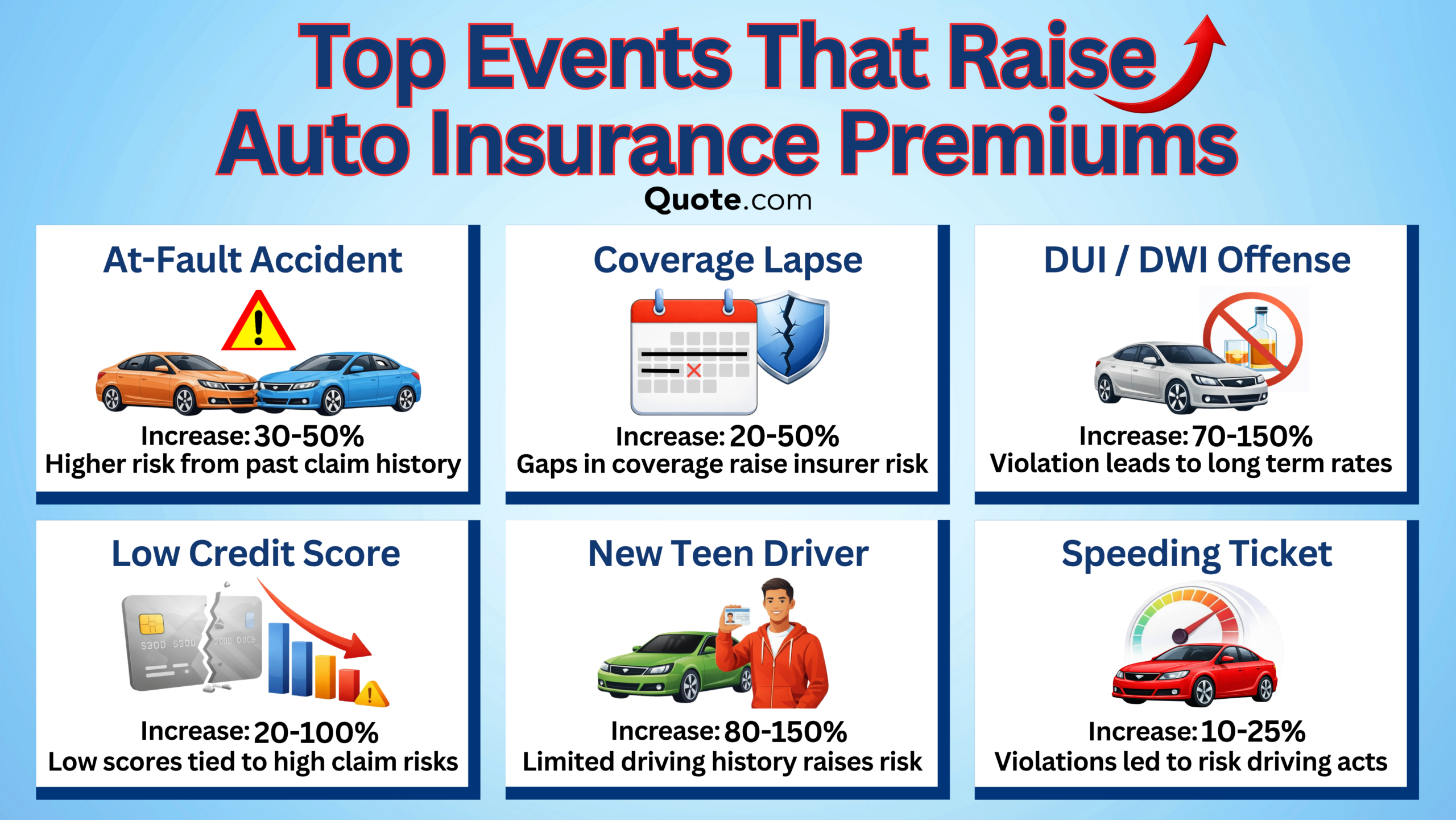
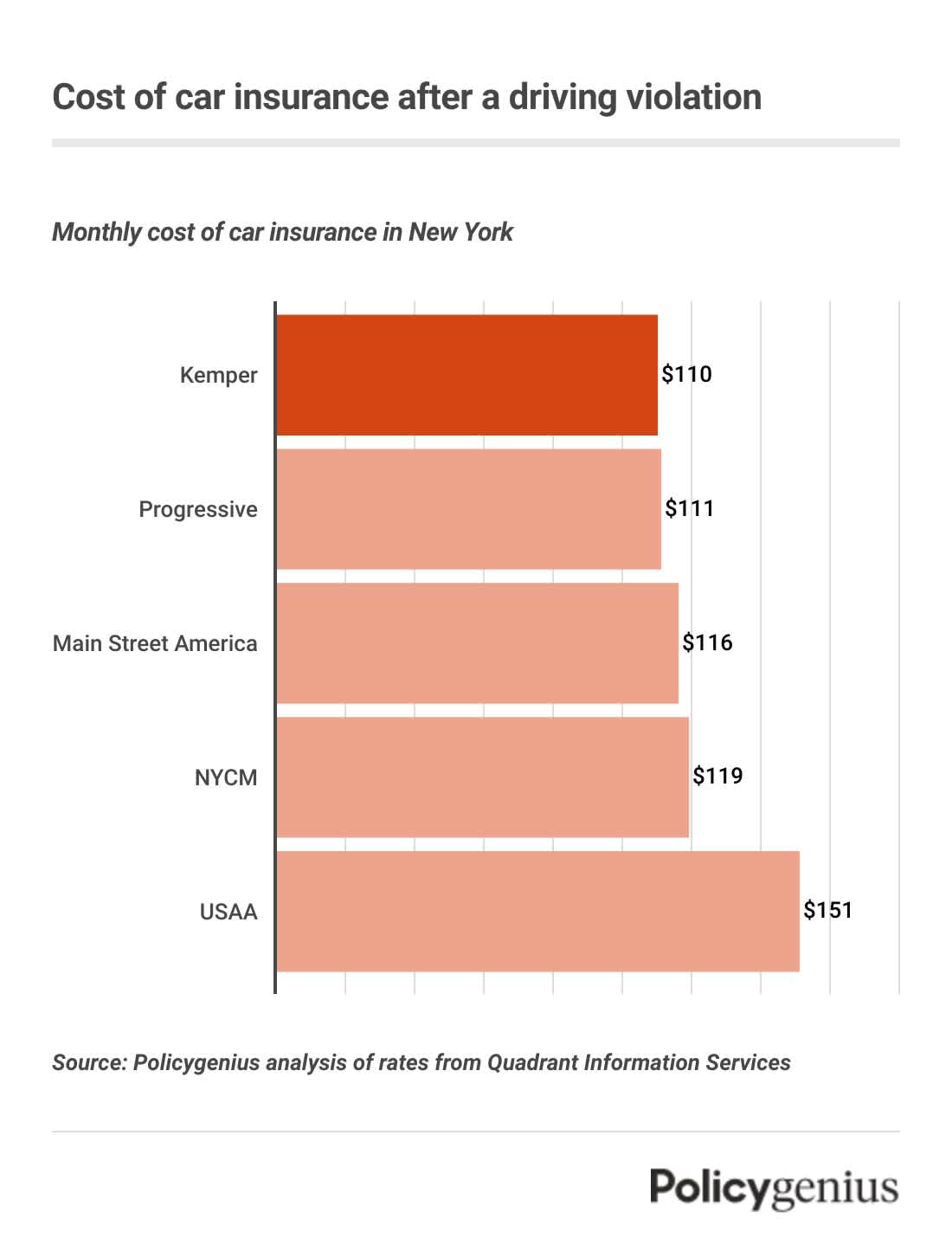
Your motor vehicle report (MVR) is the most critical document during the underwriting process. Points accumulated from speeding tickets, moving violations, and at-fault accidents signal higher risk to insurers. In New York, the Department of Motor Vehicles (DMV) tracks points, and insurers verify this history. If you have recent violations, your premiums will increase significantly. Conversely, maintaining a clean record for three to five years is the most effective way to lower your insurance costs over the long term.
Vehicle Characteristics
The cost to repair or replace your vehicle directly impacts your premium, particularly if you purchase comprehensive and collision coverage. High-performance vehicles, luxury models, and cars with expensive, hard-to-source parts usually cost more to insure. When shopping for a vehicle, you can check insurance estimates based on the VIN (Vehicle Identification Number) to understand how the car will influence your future premiums.
Effective Comparison Shopping Tactics
To find the lowest rate, you must cast a wide net. Insurance pricing is not uniform; different companies use different models to weigh risks, meaning one company may offer a significantly lower rate for your specific profile than another.
- Use Licensed Comparative Platforms: Utilize tools provided by the New York State Department of Financial Services to identify licensed insurers. Avoid "lead generation" sites that sell your personal information to dozens of third parties, which often results in excessive unsolicited contact.
- Gather Necessary Documentation: Before requesting quotes, ensure you have your current policy declarations page, your driver’s license number, the VIN of your vehicle, and your annual mileage estimate. Having accurate information ensures the quotes you receive are legitimate and not subject to drastic changes later.
- Evaluate Coverage Levels: When comparing quotes, ensure you are comparing "apples to apples." If Company A quotes for minimum liability and Company B quotes for $100,000/$300,000 coverage, the prices will not be comparable. Adjust the coverage levels on the comparison tools to match before deciding which is cheaper.
| Coverage Type | Purpose | Recommendation |
|---|---|---|
| Liability | Covers injuries/damage to others | Carry more than the state minimum |
| Comprehensive | Covers theft, fire, and vandalism | Necessary for newer/financed cars |
| Collision | Covers damage from a crash | Necessary for newer/financed cars |
| Gap Insurance | Covers loan balance if car is totaled | Recommended for new car leases |
Utilizing Available Discounts
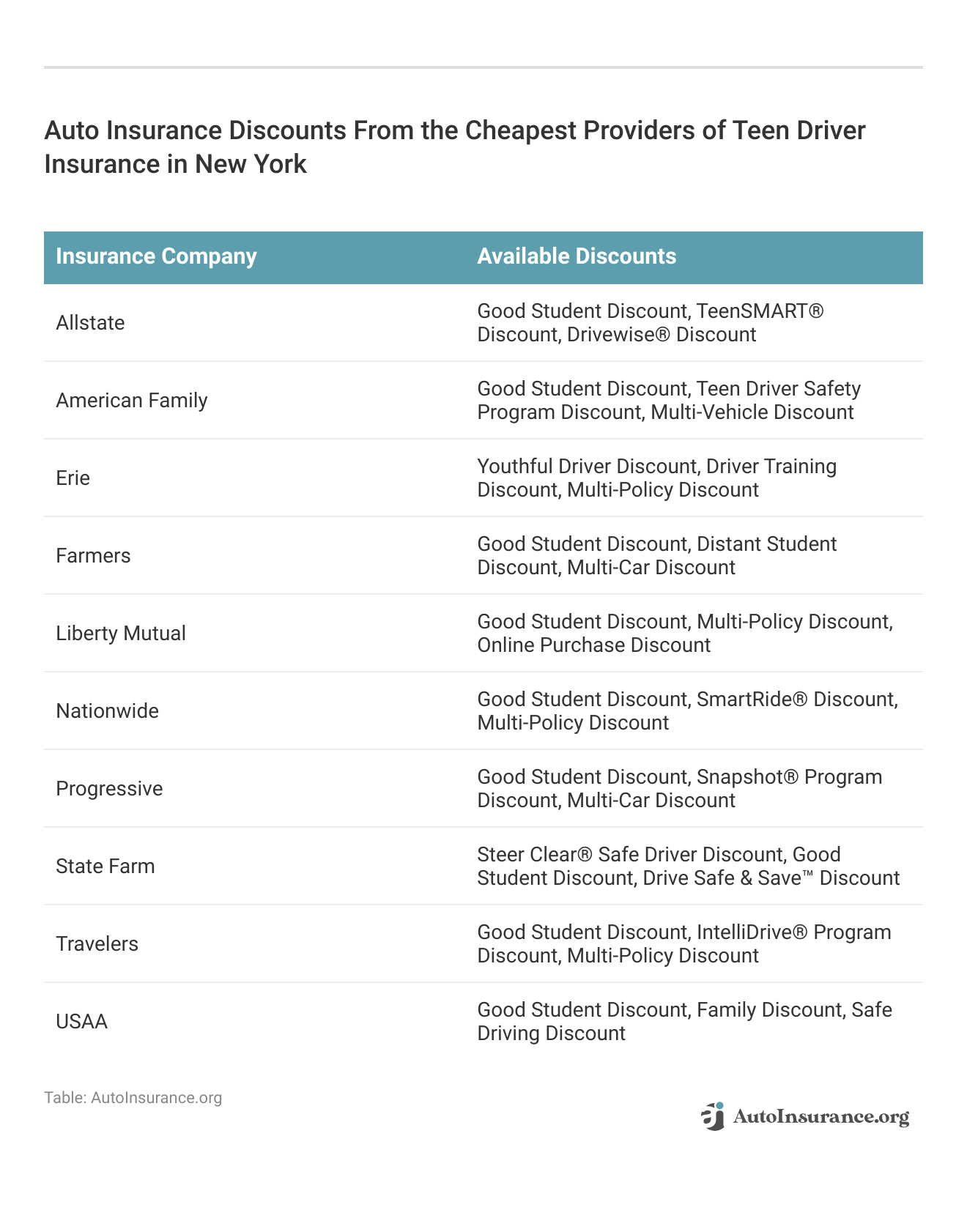
Most major insurers in New York offer a variety of discounts. It is up to the consumer to ask for them, as they are not always automatically applied during the initial quote process.
- Defensive Driving Course: New York law mandates that insurers offer a reduction in premiums if you complete an approved Point and Insurance Reduction Program (PIRP). This is a reliable way to shave a percentage off your liability and collision premiums for three years.
- Bundling Policies: If you rent or own a home, insuring your vehicle with the same company that provides your homeowners or renters insurance can lead to a multi-policy discount, often ranging from 5% to 15%.
- Telematics Programs: Many companies offer "usage-based" insurance. By installing a device or using a smartphone app to monitor your driving behavior—such as speed, braking, and time of day you drive—you can qualify for significant discounts if you are a safe driver.
- Safety Features: Ensure your insurance company is aware of anti-theft devices, anti-lock brakes, and passive restraint systems (airbags) installed in your vehicle.
Common Mistakes to Avoid
When navigating the insurance market, consumers often fall into traps that increase costs rather than lower them.
- Allowing Coverage to Lapse: If you let your policy expire, even for a few days, insurers will classify you as a "high-risk" driver. This can disqualify you from the best rates for several years. Always set up automatic payments or reminders to ensure continuous coverage.
- Choosing the Wrong Deductible: A higher deductible—the amount you pay out-of-pocket before insurance kicks in—lowers your monthly premium. However, if you choose a $2,000 deductible but cannot afford to pay that amount in the event of an accident, you are effectively self-insuring to a dangerous degree.
- Failing to Update Personal Details: If you move to a lower-risk area, add a safety feature to your car, or get married, notify your insurer immediately. These changes can lower your rates, but the company will not update your premium unless you inform them.
When to Seek Professional Advice
While online tools are useful for quick quotes, if your situation involves multiple drivers, teenage drivers, or a high-value asset, speaking with a licensed insurance broker may be more effective. Independent brokers have access to policies from multiple insurance companies and can perform the heavy lifting of comparison shopping on your behalf. They are often compensated by the insurer, meaning their guidance does not necessarily cost you more than purchasing a policy directly.
Always remember that for legal, financial, and insurance matters, the information provided here is for educational purposes. Insurance regulations in New York are subject to change. For binding guidance on your specific policy needs, consult the New York Department of Financial Services or a licensed professional.
Frequently Asked Questions
Can I reduce my insurance rates immediately after a ticket?
No. Insurance premiums are usually adjusted at the time of policy renewal. However, completing a state-approved Defensive Driving course can sometimes provide an immediate credit or offset future increases, depending on the carrier's specific rules.
Does my credit score affect my insurance rate in New York?
Yes, New York insurers may use credit-based insurance scores as one of many factors to determine your premium. Keeping your credit utilization low and paying bills on time can contribute to better insurance rates over time.
Is it cheaper to pay my insurance in full?
Most insurance companies offer a "paid-in-full" discount. If you have the liquid cash available to pay for the six-month or annual term upfront, you will likely save on the installment fees and receive a percentage-based discount.
How often should I shop for new insurance?
You should review your insurance premiums at least once a year, or whenever you experience a life event such as moving, getting married, or purchasing a new vehicle.
What happens if I lie about my mileage to get a lower rate?
Do not do this. Providing false information on an insurance application is considered insurance fraud. If you are caught, the insurer can cancel your policy, deny future claims, or report you to the state, which will make finding affordable coverage nearly impossible in the future.
Can I lower my rate by dropping Collision coverage?
If your car is older and has a low market value, the cost of the premiums for collision coverage may eventually exceed the potential payout. Use a vehicle valuation tool to determine your car’s current worth; if it is minimal, you might consider dropping collision to lower your monthly bill.
Image Gallery