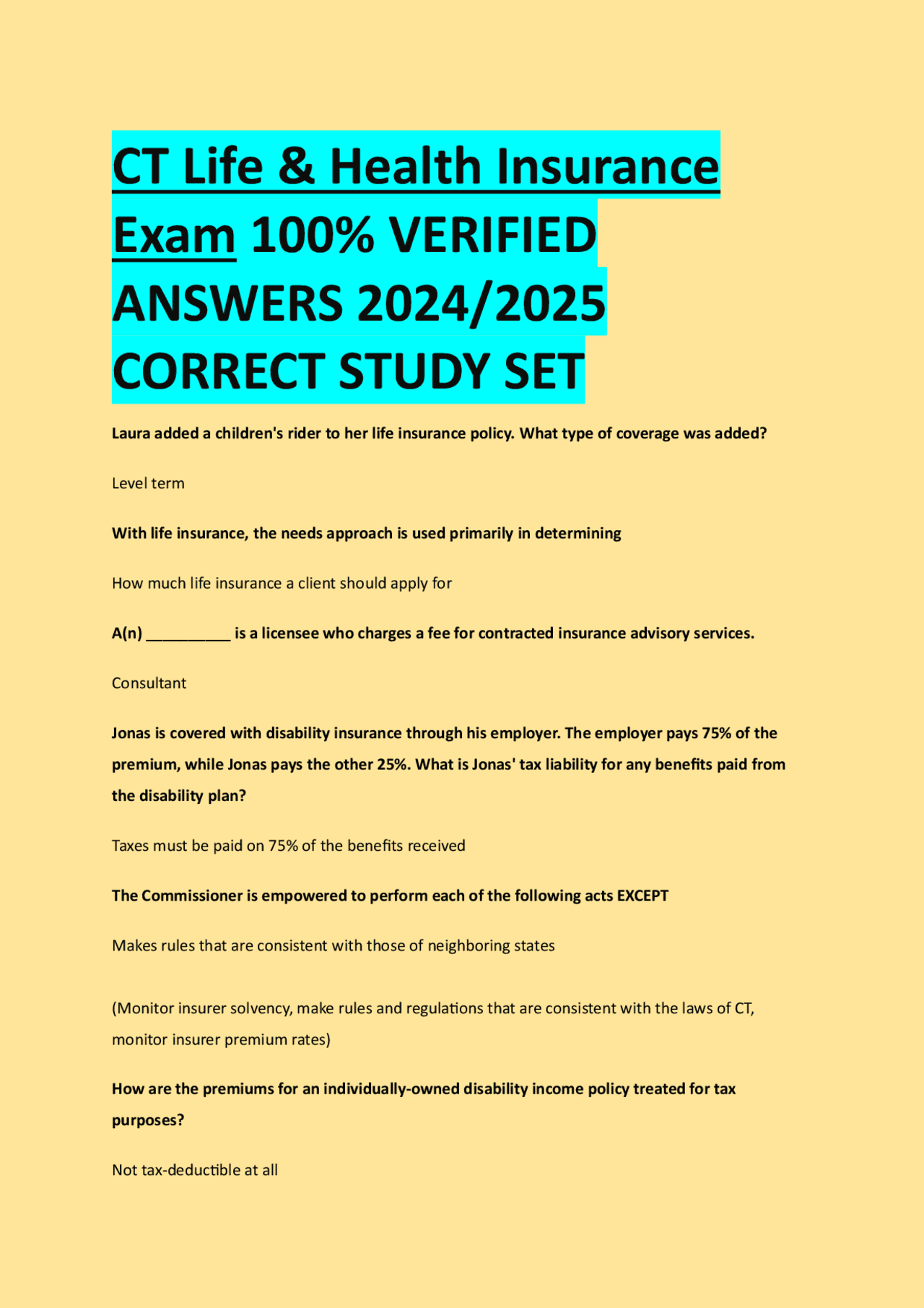
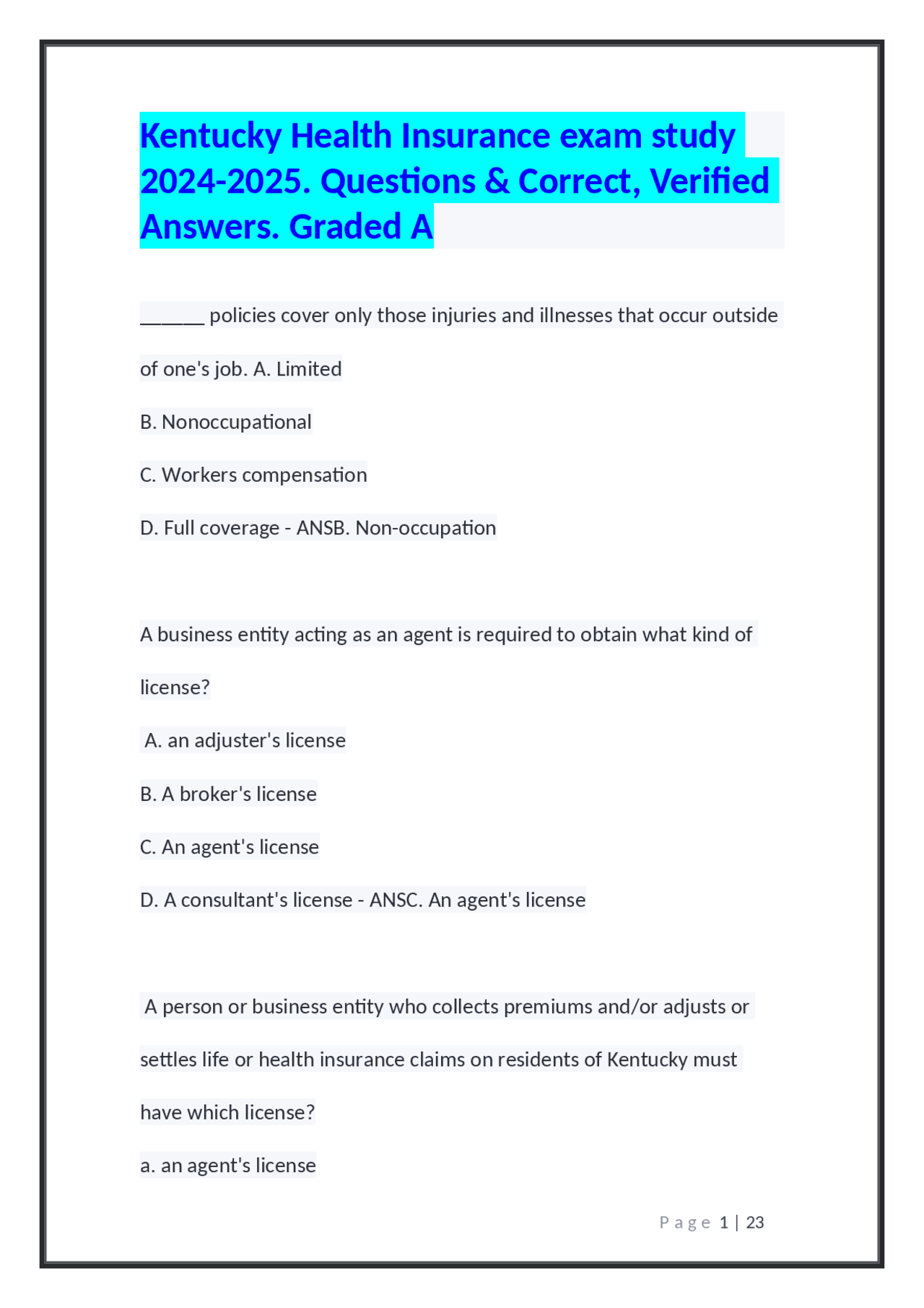
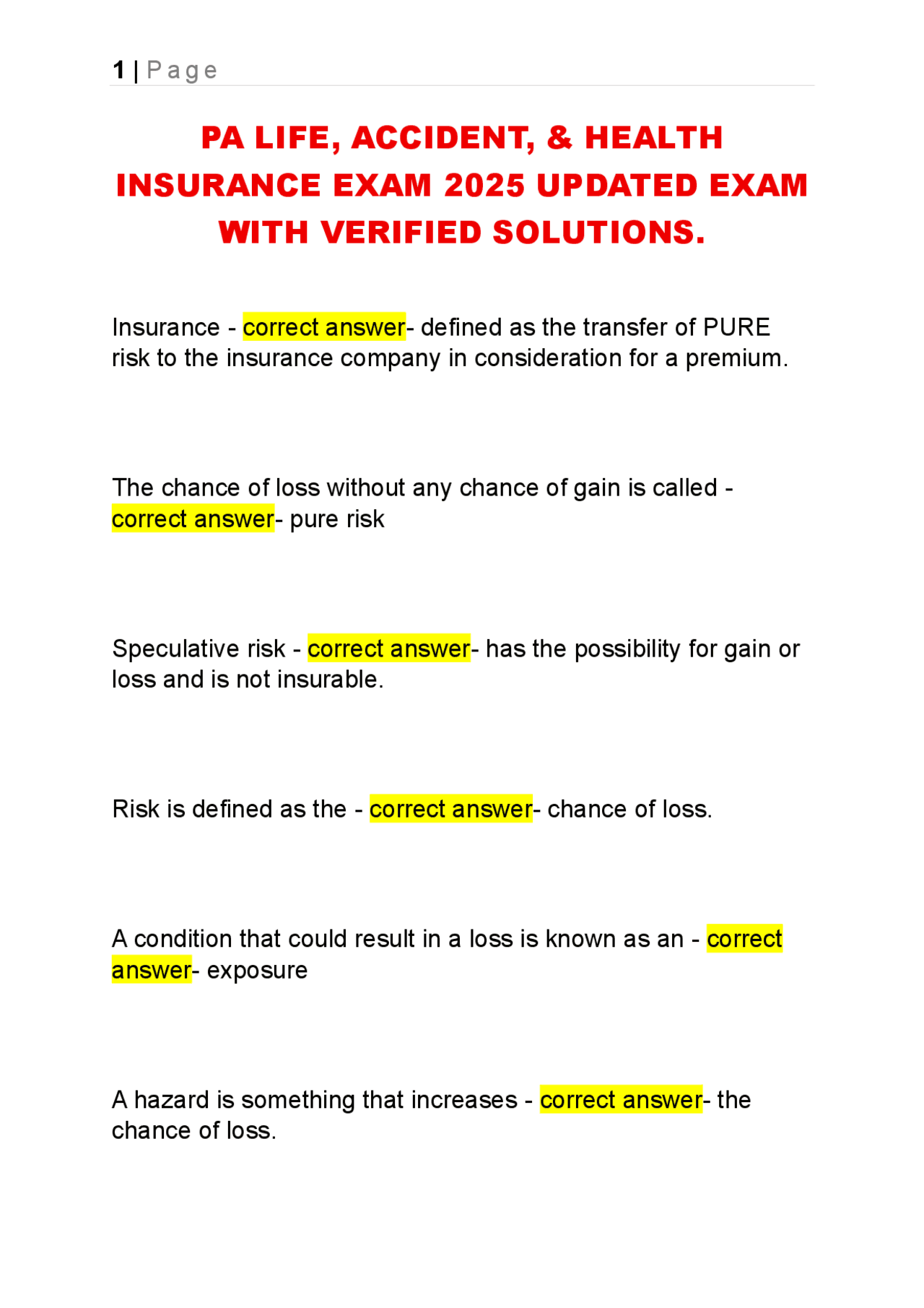
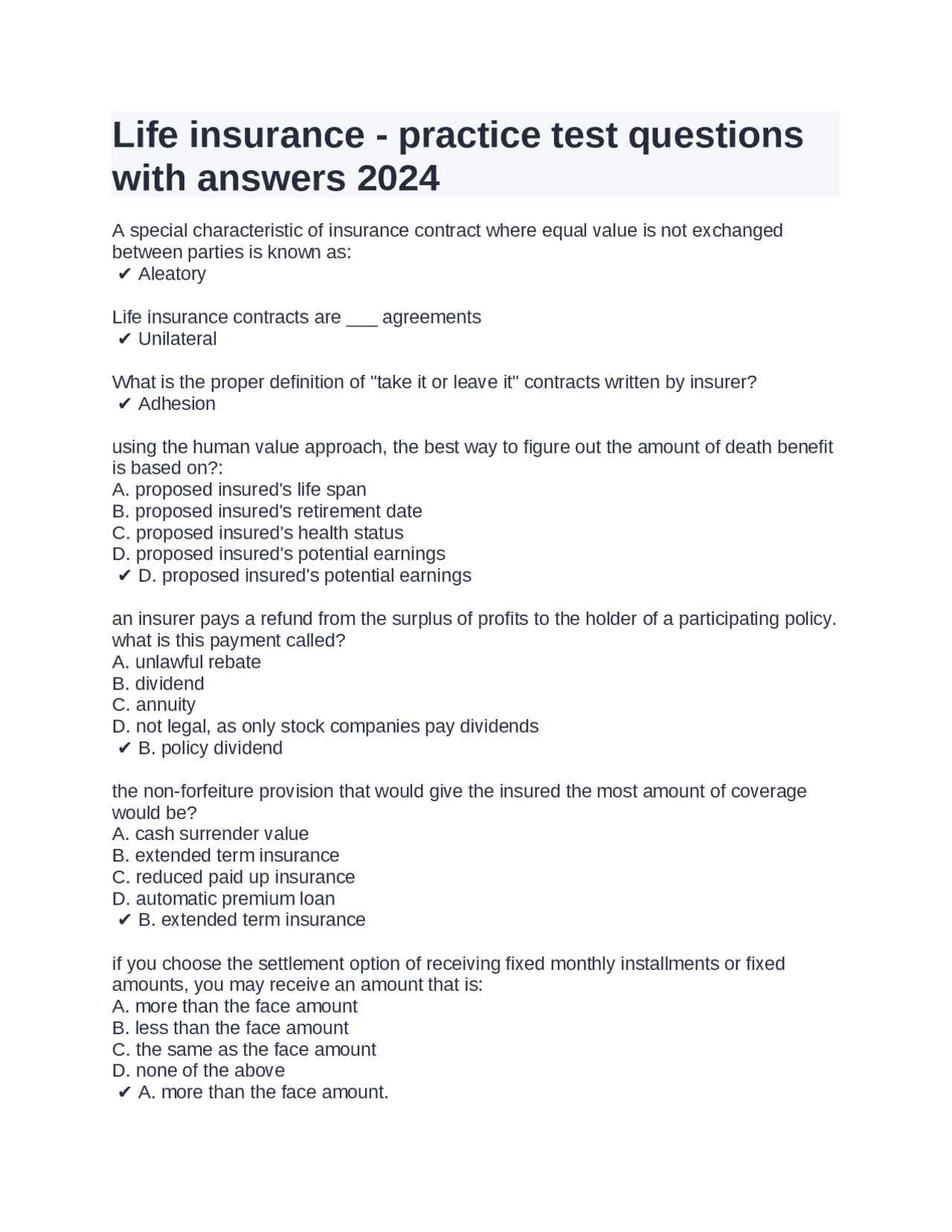
How to Prepare for and Pass the CT Health and Life Insurance License Test
To earn a resident producer license in Connecticut, candidates must complete an approved pre-licensing education course, pass the state-administered insurance examination, and submit a formal application through the National Insurance...
To earn a resident producer license in Connecticut, candidates must complete an approved pre-licensing education course, pass the state-administered insurance examination, and submit a formal application through the National Insurance Producer Registry. The process requires a rigorous focus on both state-specific regulations and federal insurance statutes to meet the requirements set by the Connecticut Insurance Department.
Contents
Understanding the Licensing Requirement
Becoming a licensed insurance producer in Connecticut is a regulated process designed to ensure that all individuals offering advice or selling coverage possess a standardized level of competency. The Connecticut Insurance Department (CID) mandates that any person acting as an agent, broker, or producer for health and life products must hold a valid license.
This process is not merely a formality; it is a legal prerequisite for soliciting, negotiating, or selling insurance contracts. The license is categorized by "lines of authority," with the most common being Life, Accident, and Health. Candidates often pursue both lines simultaneously to broaden their ability to serve clients, necessitating a mastery of two distinct bodies of knowledge that are often bundled into a single comprehensive testing experience.
Step 1: Pre-Licensing Education Requirements
Before you can sit for the examination, Connecticut law requires the completion of a state-approved pre-licensing education course. As of 2026, this requirement serves as the foundational academic period where candidates learn the principles of risk management, policy provisions, and the legal environment of the insurance industry.
For the Life line of authority, you must complete at least 20 hours of approved classroom or online instruction. Similarly, for Accident and Health, an additional 20 hours are required. Many institutions offer "combined" courses, which are optimized to cover both subjects efficiently. It is critical to ensure that your chosen provider is certified by the Connecticut Insurance Department; failing to use an accredited provider will result in your education hours being rejected during the application verification process.
Step 2: Scheduling and Exam Structure
Once you have satisfied the education requirement, you will receive a certificate of completion. You must then register for the licensing exam through the testing vendor authorized by the state, currently PSI Services.
The exam is delivered via computer-based testing at designated facilities across Connecticut. The test is split into two major sections: the National portion and the State portion.
| Exam Component | Focus Area |
|---|---|
| National Life | Policy types, riders, beneficiary rules, and tax treatment |
| National Health | Disability, medical expense, HMOs, PPOs, and group plans |
| State Portion | CT specific statutes, CID regulations, and ethical standards |
The National portion covers the mechanics of insurance products that remain consistent across most states, while the State portion examines your knowledge of Connecticut-specific laws, such as the Unfair Trade Practices Act and the specific duties of the Insurance Commissioner.
Step 3: Preparing for the Examination
Success on the CT health and life insurance license test relies on deep comprehension rather than rote memorization. The exam is psychometrically designed to test your ability to apply concepts to real-world scenarios.
Recommended Study Strategies
- Target the Outlines: Use the examination content outline provided by the testing vendor. This document acts as a roadmap, detailing exactly which topics carry the most weight in terms of question volume.
- Leverage Practice Exams: Take as many simulated tests as possible. Practice exams do more than reveal what you don't know; they help you calibrate your speed and recognize the specific phrasing style used by the exam writers.
- Master the Regulations: The State section often catches candidates off guard. Dedicate significant time to understanding Connecticut’s specific rules regarding producer licensing, record-keeping, and the ethical treatment of policyholders.
Step 4: Examination Day Protocols
On the day of the test, arrive at your scheduled location at least 30 minutes early. You must present two forms of identification, one of which must be government-issued with a photograph.
The exam is monitored strictly. No study materials, electronic devices, or personal belongings are allowed in the testing room. During the exam, you will be able to mark questions for review. If you find yourself stuck on a technical definition, move on and return to it later; often, context from later questions can help clarify earlier ones.
Post-Exam Procedures and Fingerprinting
Upon passing both the Life and the Accident and Health portions, you must move to the final administrative phase. Connecticut requires all new applicants to undergo a criminal background check, which involves submitting fingerprints.
- Submit Fingerprints: Follow the instructions provided by the testing vendor or the state to visit a fingerprinting location.
- Apply for the License: Visit the National Insurance Producer Registry (NIPR) website to submit your electronic application and pay the required licensing fees.
- Verification: The CID reviews your application, education completion certificate, exam scores, and the results of your criminal history check. This process generally takes several business days to conclude.
Frequently Asked Questions
Is the Connecticut insurance exam difficult to pass?
The exam is considered moderately difficult. It requires an understanding of complex insurance terminology and specific state laws. Candidates who spend 40 to 60 hours in dedicated study generally perform significantly better than those who rely only on quick reviews.
What happens if I fail one section of the exam?
If you fail one portion of the exam, you are typically only required to retake the specific portion you failed. However, you must pay the exam fee again for each attempt. Always verify the current retesting policy with the testing vendor, as procedures can adjust based on testing volume and administrative updates.
Do I need to be a resident of Connecticut to apply?
While the process is for a "resident" license, you can apply if you maintain your principal place of residence or principal place of business in Connecticut. If you move out of state, you will need to update your status with the Department.
Are there continuing education requirements after I pass?
Yes. Once you are licensed, you must complete ongoing continuing education (CE) credits during each renewal cycle to maintain your active status. These courses keep you updated on current market trends, legislative changes, and consumer protection requirements.
Can I get a waiver for the pre-licensing education?
In limited circumstances, such as holding certain professional designations (e.g., CLU or CPCU), the state may grant an exemption from the pre-licensing education requirement. You must contact the Connecticut Insurance Department directly to request a formal waiver before scheduling your exam.
How long is my passing exam score valid?
Your passing score is valid for a set period, typically one year. If you do not submit your license application through NIPR within that timeframe, you will likely be required to retake the examination.
Next Actions
If you are ready to begin, start by selecting an accredited education provider to fulfill your 40-hour requirement (20 for Life, 20 for Health). Once you have selected a provider, create a study schedule that allocates time for both the national insurance concepts and the Connecticut-specific statutes. After your coursework is complete, schedule your examination through the official testing portal, and ensure your documentation is organized for a seamless submission once you receive your passing results.
Image Gallery