Understanding How Termites Kill Your Home: A Structural Perspective
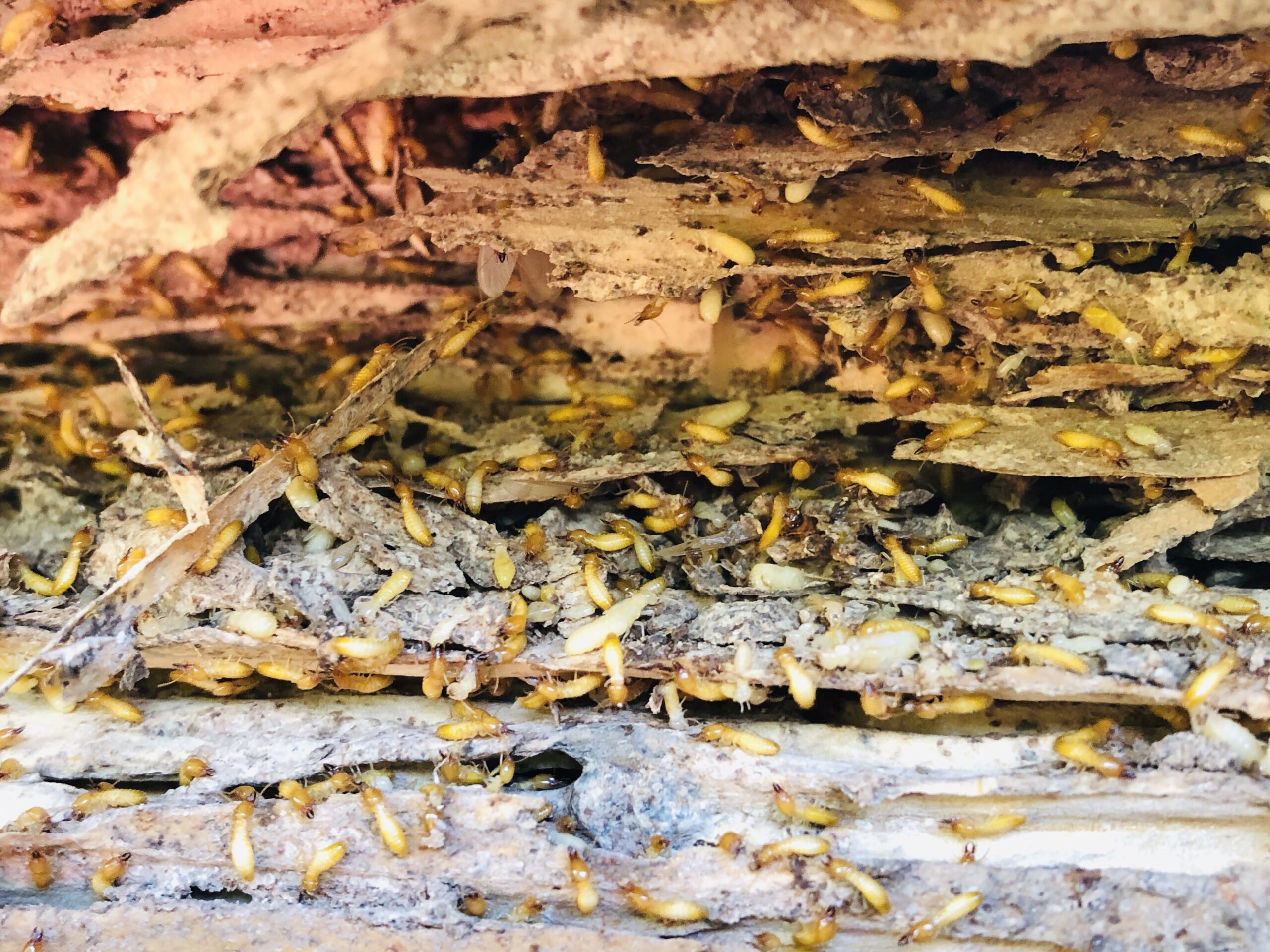
Termites destroy homes by consuming cellulose-based materials from the inside out, often remaining undetected until structural integrity is critically compromised. They compromise load-bearing beams, flooring, and wall studs by creatin...
Termites destroy homes by consuming cellulose-based materials from the inside out, often remaining undetected until structural integrity is critically compromised. They compromise load-bearing beams, flooring, and wall studs by creating intricate galleries within timber, eventually leading to sagging floors, collapsing walls, and extensive, costly structural failure that typically remains uncovered by standard homeowners insurance.
Contents
The Biological Mechanism of Destruction
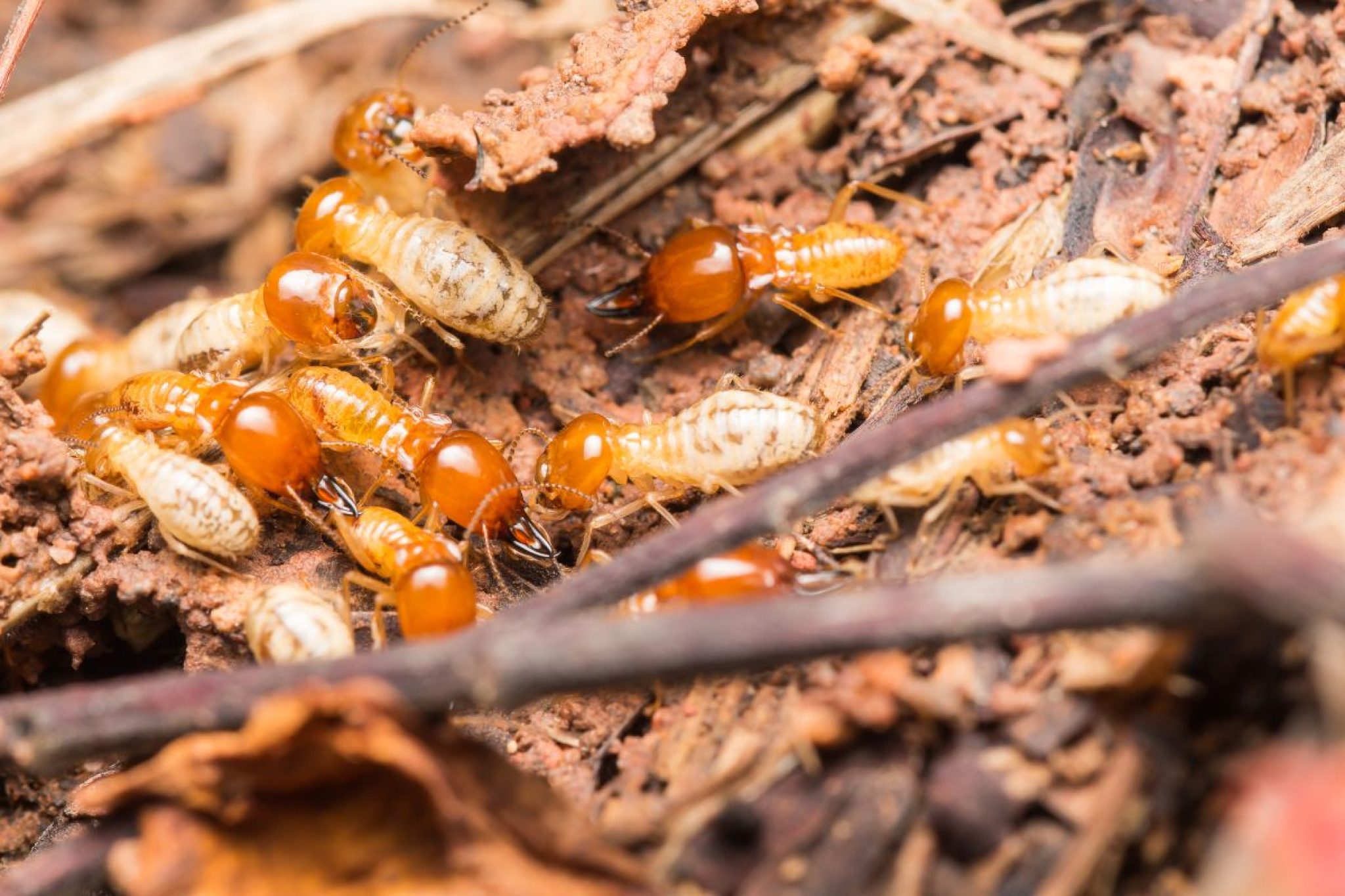
Termites are eusocial insects that rely on cellulose—the primary component of plant cell walls—as their primary nutrient source. In a residential setting, this means your home’s wood framing, cabinetry, flooring, and even drywall paper are seen as a high-value food supply.
Unlike carpenter ants, which excavate wood to create nesting galleries but do not digest the cellulose, termites ingest the wood fibers. They utilize symbiotic protozoa and bacteria in their hindguts to break down complex cellulose molecules into usable energy. When a colony infests a structure, they work in a coordinated, relentless fashion. A single colony can consist of hundreds of thousands of individuals, each contributing to the erosion of your home’s structural skeleton.
Identifying the Primary Threats
The damage profile depends significantly on the species of termite present. In North America, three types pose the greatest threat to residential stability:
1. Subterranean Termites
These are the most destructive species. They live in underground colonies and construct mud tubes (shelter tubes) to travel from the soil to the wood in your home. These tubes provide the moisture they need to survive while protecting them from predators and desiccation. Because they enter through the foundation or crawl spaces, they often consume wood from the interior, leaving the outer surface intact until the wood is hollowed out.
2. Drywood Termites
Unlike their subterranean cousins, drywood termites do not require contact with the soil. They infest sound, dry wood, often entering through small cracks in window frames, door headers, or attic eaves. Their presence is frequently signaled by the accumulation of "frass"—small, granular fecal pellets that resemble sand or sawdust—piled near the infestation site.
3. Dampwood Termites
These termites prefer wood with high moisture content. They are most commonly found in homes with plumbing leaks, poor ventilation in crawl spaces, or areas where wood is in direct contact with wet soil. While they are less likely to attack dry, structural framing than subterranean species, they thrive in areas where moisture management has failed.
How Structural Degradation Occurs
The process of a home "dying" at the hands of termites follows a predictable, albeit often invisible, path. It is rarely a sudden collapse; rather, it is a gradual weakening that accelerates as the colony matures.
- Initial Infestation: Worker termites scout for moisture and food. If they find an entry point (a crack in a foundation, a gap around a pipe, or wood-to-ground contact), they establish a bridge.
- The Gallery Phase: Termites begin tunneling along the grain of the wood. This weakens the structural member by removing its internal density. The outer "veneer" of the wood is often left untouched to maintain a protective environment.
- Load-Bearing Failure: Over months and years, the volume of hollowed-out timber becomes too great to support the weight of the structure. Floors begin to squeak and sag, walls develop cracks that resemble water damage, and window or door frames become difficult to open as the surrounding wood loses its rigidity.
- Secondary Infestation: Once the structural wood is compromised, the home becomes prone to secondary issues, including moisture infiltration, mold growth, and access for other pests, which further accelerate the decay of the building materials.
Comparative Impact of Termite Types
| Feature | Subterranean | Drywood | Dampwood |
|---|---|---|---|
| Moisture Need | High (requires soil) | Low (survives in dry wood) | Very High (decaying wood) |
| Entry Point | Foundation/Soil gaps | Roof vents/Cracks in wood | Wet wood/Leaky areas |
| Evidence | Mud tubes/Hollow wood | Frass piles/Small holes | Soft, mushy wood surface |
| Control Priority | Soil treatment/Baiting | Fumigation/Localized heat | Moisture mitigation/Removal |
The Role of Home Maintenance
Termites are opportunistic. A well-maintained home is significantly less attractive to foraging colonies. To minimize the risk of a "kill" scenario, homeowners must disrupt the termite's ability to thrive:
- Moisture Control: Repair leaky gutters, ensure downspouts direct water at least five feet away from the foundation, and install vapor barriers in crawl spaces.
- Eliminate Wood-to-Ground Contact: Ensure that siding, porch steps, and wooden structural supports are not touching the soil. A gap of at least six inches is recommended.
- Clear Debris: Do not store firewood, lumber, or paper products against the exterior walls of the home. These provide a convenient "staging area" for termites to move from the soil to the structure.
- Professional Inspections: Engage a licensed pest control professional for annual inspections. They utilize tools like moisture meters, infrared thermography, and acoustic emission sensors to detect activity that is invisible to the naked eye.
FAQs Regarding Termite Damage
Can my home survive a termite infestation?
Yes, provided the infestation is identified early. Most cases can be managed through localized treatments or comprehensive soil-applied termiticides. However, if the structural members are hollowed out, you will likely need to engage a contractor to perform "sistering" (reinforcing a damaged beam with a new one) or total replacement of affected wood.
Does homeowners insurance cover termite damage?
In the vast majority of jurisdictions, termite damage is categorized as a maintenance issue rather than a "sudden and accidental" event. Consequently, standard insurance policies typically exclude coverage for damage caused by termites, wood-boring insects, or rot.
What are the first warning signs I should look for?
Look for "mud tubes" running up your foundation, unexplained bubbling or peeling paint on baseboards or walls, doors that suddenly stick, and small piles of pellet-like frass on windowsills or in cabinets.
How much does it cost to fix termite damage?
Costs vary wildly based on the extent of the damage. Minor repairs to a single door frame might cost a few hundred dollars, while repairing a structural wall or subfloor system often reaches into the thousands. The cost of prevention, such as professional baiting systems, is consistently lower than the cost of remediation.
Is DIY termite treatment effective?
Generally, no. Termite colonies are massive and often reside deep underground or inside wall cavities. Over-the-counter sprays usually only kill the individual insects they contact and do nothing to eradicate the queen or the colony. Effective control requires professional-grade liquid termiticides or specialized baiting systems designed to be carried back to the colony.
How quickly can termites destroy a home?
It is not an overnight process. Depending on the size of the colony and the species, it may take several years for termites to cause enough damage to compromise structural integrity. However, once a colony is fully established, the rate of consumption can increase exponentially.
Taking Action
If you suspect you have termites, do not attempt to disturb the tubes or the wood. This often causes the colony to shift and begin feeding in a new, potentially harder-to-reach area. Contact a licensed pest control professional to conduct an inspection. In 2026, many professionals offer digital tracking services that provide a map of activity and a clear mitigation strategy. Prioritize professional intervention immediately upon discovery to prevent a manageable issue from becoming a total structural loss.
Image Gallery