Understanding the Main Cast Members of the Harlem TV Show
The main cast of the Amazon Prime Video series Harlem centers on four ambitious best friends navigating life, career, and relationships in the historic New York City neighborhood of Harlem. The core ensemble features Meagan Good as Cam...
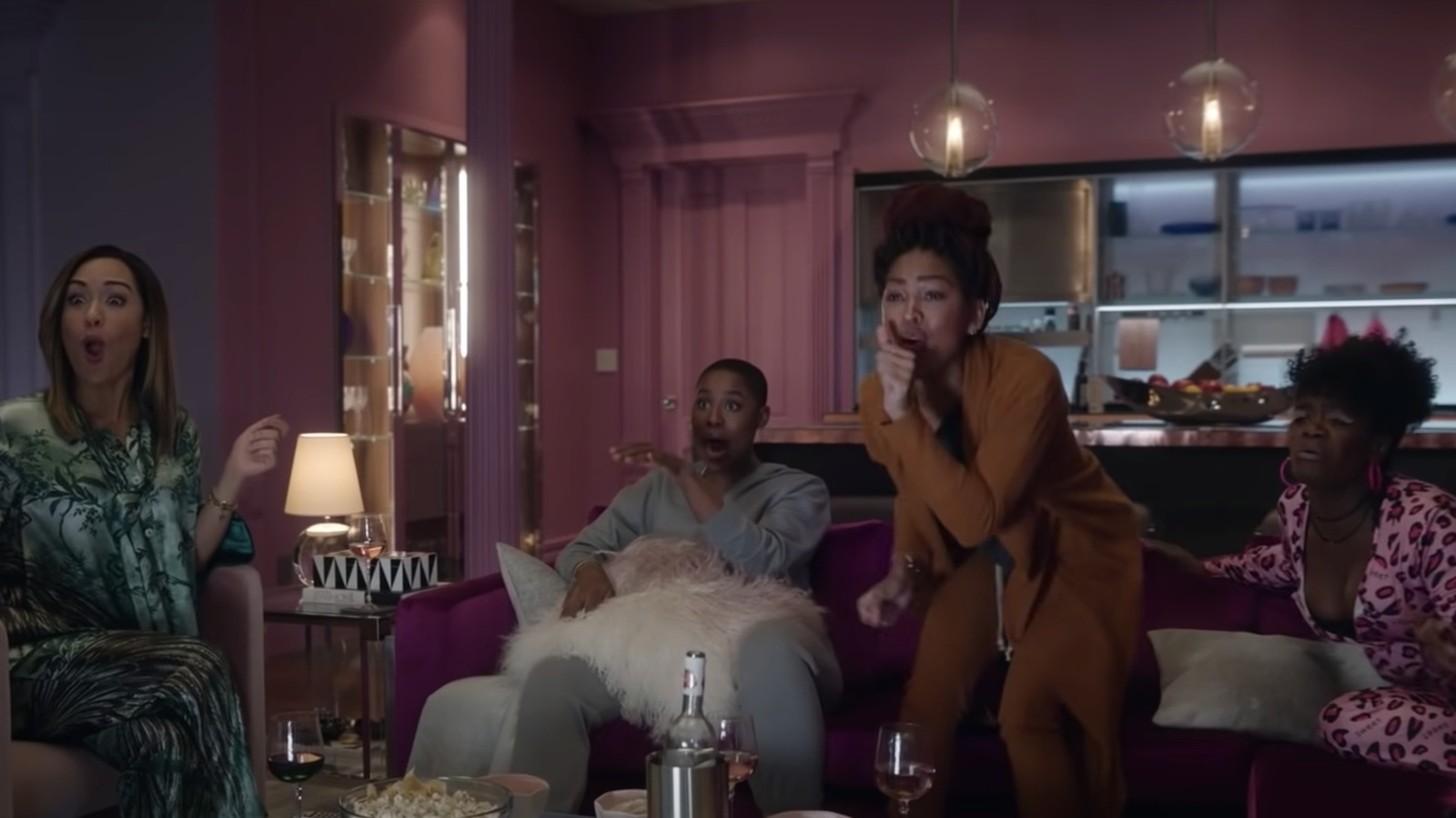
The main cast of the Amazon Prime Video series Harlem centers on four ambitious best friends navigating life, career, and relationships in the historic New York City neighborhood of Harlem. The core ensemble features Meagan Good as Camille, Grace Byers as Quinn, Shoniqua Shandai as Angie, and Jerrie Johnson as Tye, whose dynamic friendship drives the narrative.
Contents
The Core Quartet of Harlem
At the heart of the television series Harlem, created by Tracy Oliver, is a group of four women whose distinct personalities and professional pursuits provide the structural foundation for the show’s storytelling. Set against the backdrop of the vibrant and culturally rich Harlem neighborhood, the series explores the intersection of modern adulthood and the nuances of Black womanhood.
Camille Parks, portrayed by Meagan Good, serves as the initial lens through which many viewers experience the show. As an anthropology professor at Columbia University, her character arc often balances academic rigor with a messy, often complicated romantic life. Her status as an intellectual seeking personal fulfillment provides a grounded, sometimes self-deprecating perspective on the challenges of finding one’s place in academia while maintaining meaningful social ties.
Quinn Joseph, played by Grace Byers, offers a stark contrast to Camille’s academic focus. Quinn is a fashion designer whose professional journey is often defined by the high-pressure environment of the luxury industry. Her character exploration frequently involves the search for genuine connection and validation, often struggling to reconcile her romantic ideals with the harsh realities of dating in New York. Byers’ performance brings a layer of vulnerability to a character who is often seen navigating the performative nature of social media and high-end aesthetics.
Angie, brought to life by Shoniqua Shandai, serves as the show’s comedic anchor. A singer and aspiring actress, Angie lives with her best friend Quinn, creating a domestic dynamic that allows for rapid-fire dialogue and high-energy interactions. Angie is unapologetically herself, and her pursuit of fame often leads to both hilarious and poignant situations. Shandai’s portrayal adds a necessary dose of levity, ensuring that the show maintains its balance between dramatic conflict and authentic friendship.
Tye, portrayed by Jerrie Johnson, rounds out the group as the tech-savvy, successful developer of a queer dating app. Tye is the group’s pragmatic powerhouse, often serving as the voice of reason while simultaneously grappling with her own emotional barriers. Her journey often centers on the tension between her professional success and her desire for intimacy, offering a critical look at how high-achievers navigate vulnerability in their personal lives.
Character Dynamics and Narrative Significance
The success of the Harlem TV show is largely attributed to the chemistry between the four leads. Unlike ensemble shows that rely on external conflicts to drive the plot, Harlem thrives on the internal consistency of its group dynamic. The characters’ shared history allows the writing to skip the "getting to know you" phase that often hampers the pacing of pilot episodes, thrusting the audience immediately into established, shorthand communication.
Each character represents a different archetype of modern success, yet the show resists pigeonholing them into simple categories. Camille’s professional perfectionism is challenged by her personal volatility; Quinn’s aesthetic focus does not preclude her from deep-seated insecurities; Angie’s lack of professional stability does not detract from her fierce loyalty; and Tye’s stoic, successful exterior masks a deep yearning for a partner who can match her intensity.
This multi-dimensional approach to character development ensures that the audience can identify with different facets of each woman. The show manages to address complex topics—such as the "glass ceiling" in academia, the ethics of the fashion industry, the volatility of gig-economy entertainment, and the specific hurdles within queer dating apps—while maintaining a pace that feels relevant to a contemporary, urban audience.
Essential Cast Information Overview
| Cast Member | Character Name | Primary Character Archetype | Professional Focus |
|---|---|---|---|
| Meagan Good | Camille Parks | The Academic | Anthropology Professor |
| Grace Byers | Quinn Joseph | The Creative | Fashion Designer |
| Shoniqua Shandai | Angie | The Performer | Singer / Actress |
| Jerrie Johnson | Tye | The Tech Entrepreneur | Dating App Developer |
Supporting Cast and Guest Appearances
While the narrative remains tethered to the experiences of the four leads, the world of Harlem is populated by a rich array of supporting characters who influence the protagonists’ growth. The show utilizes its setting to introduce characters who represent various segments of the Harlem community, ranging from fellow academics and industry peers to family members and romantic interests.
The casting of these secondary roles often serves to heighten the stakes for the main quartet. Whether it is a challenging university administrator, a rival in the fashion world, or a complex romantic partner, these roles are designed to test the resolve of the protagonists. The presence of recurring guest stars underscores the show's commitment to portraying a lived-in, authentic ecosystem where professional and personal lives inevitably collide.
The Influence of Setting on Character Development
Harlem is not merely a geographic location in the series; it functions as a central character. The history, cultural legacy, and ongoing transformation of the neighborhood inform the characters' identities. For Camille, the neighborhood’s academic history is an asset. For Quinn, the local fashion scene is an inspiration. For the group as a whole, the neighborhood acts as a sanctuary where they can regroup after professional setbacks or failed dates.
The show makes an intentional effort to showcase the vibrancy of Harlem, from its local eateries to its iconic streetscapes. This choice forces the characters to exist within a specific cultural context that feels grounded in reality. The struggle to maintain one’s lifestyle in an evolving neighborhood adds an extra layer of tension, particularly for those characters whose professional success is linked to their proximity to the urban pulse of the city.
Frequently Asked Questions
Are the four main cast members of Harlem best friends in real life? While the four lead actresses—Meagan Good, Grace Byers, Shoniqua Shandai, and Jerrie Johnson—have developed a genuine bond during their time filming the show, their relationship is a result of their professional collaboration. Their on-screen chemistry is a product of deliberate acting and a collaborative environment fostered by the series creator, Tracy Oliver.
Does the Harlem cast change significantly between seasons? As of 2026, the central quartet of Camille, Quinn, Angie, and Tye remains the consistent core of the series. While supporting characters may rotate based on the requirements of the season's specific narrative arcs, the show maintains a stable foundation with its primary cast to ensure continuity in the characters' ongoing growth.
Where can I find updates on the cast of Harlem? Official information regarding casting, new recurring characters, or production status for Harlem is typically distributed through Amazon Prime Video’s official news channels, press releases, or official social media accounts associated with the show.
Is the show based on the real-life experiences of the cast? While the show draws inspiration from the universal experiences of modern women navigating careers and friendships in their 30s, the characters are fictional. They are created by Tracy Oliver to represent specific archetypes and challenges that resonate with the target audience.
What is the significance of the main cast's professional diversity? The professional diversity of the main cast allows Harlem to explore a wider range of contemporary issues. By situating the four women in different industries—academia, fashion, entertainment, and technology—the show can tackle themes like workplace discrimination, the pressure of influencer culture, and the challenges of entrepreneurship within a single narrative framework.
Recommendations for Further Engagement
To better understand the nuances of the characters and their development, new viewers should focus on the pilot and the subsequent episodes of the first season. Watching the series in chronological order is essential, as the interpersonal history and the evolving professional stakes are cumulative. For those interested in the production side, interviews with creator Tracy Oliver provide significant insight into why these specific four archetypes were chosen to represent the complexities of life in Harlem.
Image Gallery