Why the Six Feet Under Finale Still Resonates Two Decades Later
The series finale of Alan Ball’s Six Feet Under, titled "Everyone's Waiting," remains widely regarded as one of the most poignant and definitive conclusions in television history. By charting the inevitable deaths of its primary charac...
The series finale of Alan Ball’s Six Feet Under, titled "Everyone's Waiting," remains widely regarded as one of the most poignant and definitive conclusions in television history. By charting the inevitable deaths of its primary characters in a montage set to Sia’s "Breathe Me," the episode provided a rare, total resolution that mirrored the show’s preoccupation with mortality, transforming the viewer's experience from passive observation to an active meditation on the human condition.
Contents
Thematic Consistency and Narrative Closure
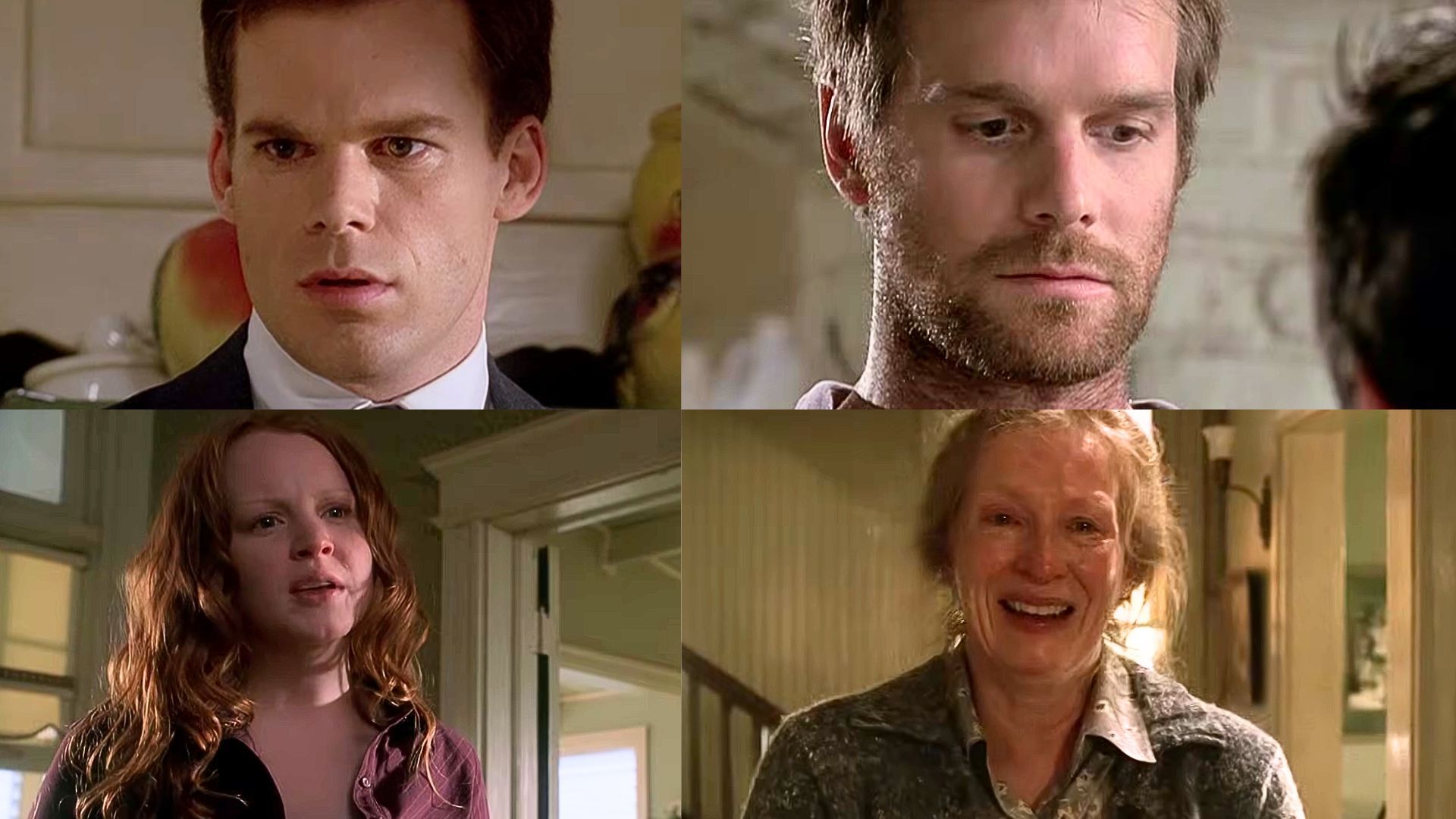
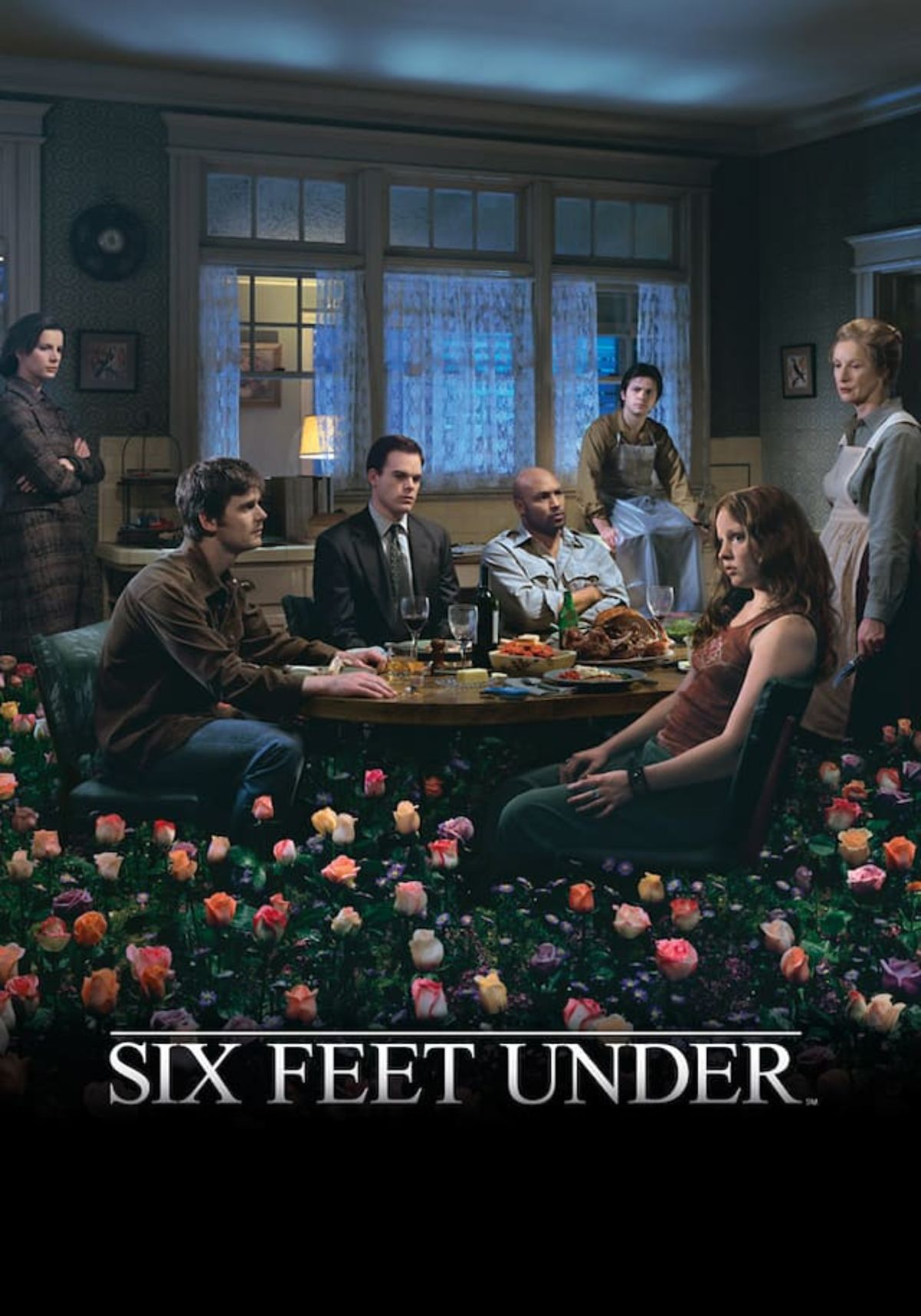
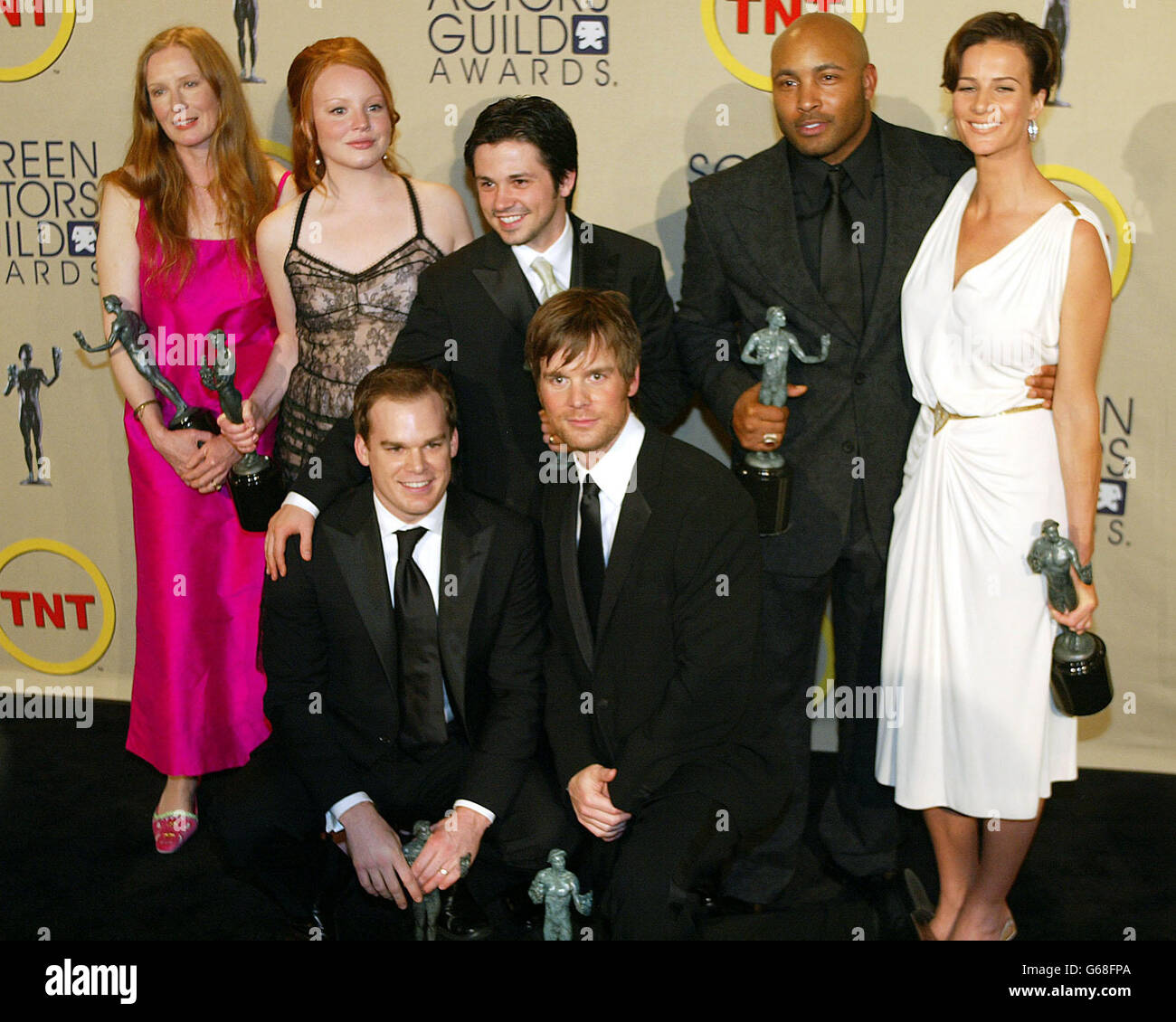
From its pilot episode in 2001, Six Feet Under established a unique premise: a family-run funeral home in Los Angeles dealing with the business of death while struggling to define the value of their own lives. Throughout five seasons, the Fisher family—Nate, David, Claire, and Ruth—navigated grief, repression, and the complicated dynamics of human connection. The finale succeeds because it refuses to pivot away from these established themes.
Most television dramas struggle with "sticking the landing" because they attempt to tie up loose plot threads through external action or climactic plot twists. In contrast, the Six Feet Under finale pivots entirely toward character fate. It honors the show's foundational conceit—that every person is on a trajectory toward their own demise—by granting the audience a clear, unambiguous view of that trajectory for each character. By showing exactly how, when, and where the core ensemble dies, the series provides a sense of narrative finality that few other dramas have achieved.
The Power of the Montage as Emotional Synthesis
The final seven minutes of "Everyone's Waiting" represent a masterclass in visual storytelling and editing. As Claire Fisher drives away from Los Angeles, the series cuts to a series of flash-forwards. This sequence is not merely a summary of what happened next; it is an emotional synthesis of the characters' lives.
This technique resonates because it forces the viewer to confront the temporal nature of existence. By compressing decades into a few minutes, the show highlights the bittersweet reality that even the most chaotic, painful, or joyous moments of a life eventually fade into memory. The choice of "Breathe Me" by Sia acts as a sonic anchor, bridging the gap between the character’s internal emotional state and the audience’s empathy. The song’s lyrics and steady, rhythmic swelling mirror the feeling of letting go, making the conclusion feel earned rather than forced.
Comparative Analysis of Television Finales
The success of the Six Feet Under finale is frequently contrasted with other iconic series finales. While some shows opt for ambiguity (such as The Sopranos), and others choose grand, plot-heavy conclusions (such as Lost), Six Feet Under chose radical, honest closure.
| Series Finale Strategy | Approach | Typical Audience Reception |
|---|---|---|
| The Ambiguous Cut | Intentional lack of closure to prompt debate. | Often polarizing; can feel like a denial of narrative stakes. |
| The Action-Heavy Climax | Focusing on major plot resolution and external conflict. | High stakes, but sometimes risks losing emotional intimacy. |
| The Character-Fate Montage | Showing the ultimate outcome of every major character. | High emotional resonance; provides total narrative closure. |
The "Character-Fate Montage" used by Six Feet Under remains the gold standard for shows centered on family dynamics because it validates the importance of the time spent with the characters. It tells the audience that the "small" lives of the Fishers were as significant and worthy of memorialization as any epic narrative.
The Role of Mortality as a Constant Character
Perhaps the most crucial reason the finale resonates is that death was treated as an active participant in the show from the beginning. In the first season, the show used cold opens depicting various accidental or inevitable deaths to set the tone for each episode. Because the audience was primed to see death as an essential part of life rather than a tragic anomaly, the final montage did not feel like a dark, cynical ending. Instead, it felt like the natural completion of a cycle.
This perspective shift is essential to why the series still holds weight in 2026. In an era where media consumption is often fragmented, Six Feet Under offers a holistic view of human experience. It forces the audience to acknowledge the "six feet under" reality that exists beneath the surface of all daily interactions.
Why Modern Audiences Still Engage with the Material
Even two decades after its 2005 conclusion, the series remains highly relevant to new viewers. The show’s focus on the "ordinary" grief—caregiving, aging, sibling resentment, and the pursuit of artistic identity—has not lost its urgency.
- Normalization of Grief: The show treats the business of funeral directing as a mundane, yet deeply human, service industry, demystifying the process of death.
- Multigenerational Conflict: The struggles between Ruth (the traditional mother) and her adult children (the seekers) reflect archetypal family conflicts that remain unchanged by technology or cultural shifts.
- Visual Language: The show’s cinematography and use of "ghosts" of the deceased speaking to the living remain a sophisticated shorthand for the way we carry the dead within our psyche.
Practical Lessons for Viewers
For those revisiting or discovering the series for the first time, understanding the finale requires an acceptance of the show’s central premise: that life is finite, and the value lies in how one spends that finite time. If you are watching the series to understand its cultural impact, consider the following:
- Pacing: Do not rush to the final episode. The emotional payoff is entirely dependent on the character development established in the previous 62 episodes.
- The Medium: The show is best experienced as a slow-burn study of human psychology rather than a plot-driven procedural.
- Context: While the technology used in the Fisher & Sons funeral home has evolved since 2005, the emotional and professional challenges of the characters are timeless.
Frequently Asked Questions
Why is the finale considered one of the best? It is considered the best because it provides complete narrative closure. By showing the death of every central character, the show honors its core theme—that death is the final chapter of every life story—without leaving the viewer guessing about the ultimate outcome of the family.
Does the finale change the meaning of the entire show? No, it reinforces it. The finale confirms that the show was never about the funeral business, but about the process of learning how to live while acknowledging that life is temporary.
Is it necessary to watch all five seasons to appreciate the ending? Yes. The emotional weight of the finale is built entirely upon the viewer’s investment in the personal histories and growth of the Fisher family members. Without the context of their previous struggles, the finale loses its profound impact.
What is the significance of the song "Breathe Me" in the final scene? The song acts as a musical bridge. Its lyrics, which touch on feelings of being overwhelmed and seeking help, perfectly mirror the vulnerability and acceptance shown by Claire as she leaves her home behind for a new, uncertain future.
Are there any major plot holes in the final sequence? While some viewers may question the specific details of certain character deaths, the sequence is intentionally symbolic. It focuses on the reality that time passes and ends, rather than the specific medical or circumstantial details of each character's passing.
Final Recommendation
To gain the most from the Six Feet Under finale, approach the series as a study in human relationships. The final sequence is most impactful when viewed not as a plot device, but as an invitation to reflect on the legacy you are building in your own life. If you have completed the series, take a moment to consider the "montage" of your own life—the goals you have met, the people you have loved, and the acceptance of your own finite timeline.
Image Gallery