Is the Shrimp Special at Red Lobster Worth It? A Detailed Value Analysis
Determining if the shrimp special at Red Lobster is "worth it" depends on your appetite, your expectations of quality, and your willingness to navigate the specific terms of the promotion. For frequent diners who prioritize volume and...
Determining if the shrimp special at Red Lobster is "worth it" depends on your appetite, your expectations of quality, and your willingness to navigate the specific terms of the promotion. For frequent diners who prioritize volume and variety, the endless shrimp offers provide clear mathematical value; however, for those prioritizing premium preparation or culinary refinement, the experience may present diminishing returns.
Contents
Understanding the Red Lobster Shrimp Special Model
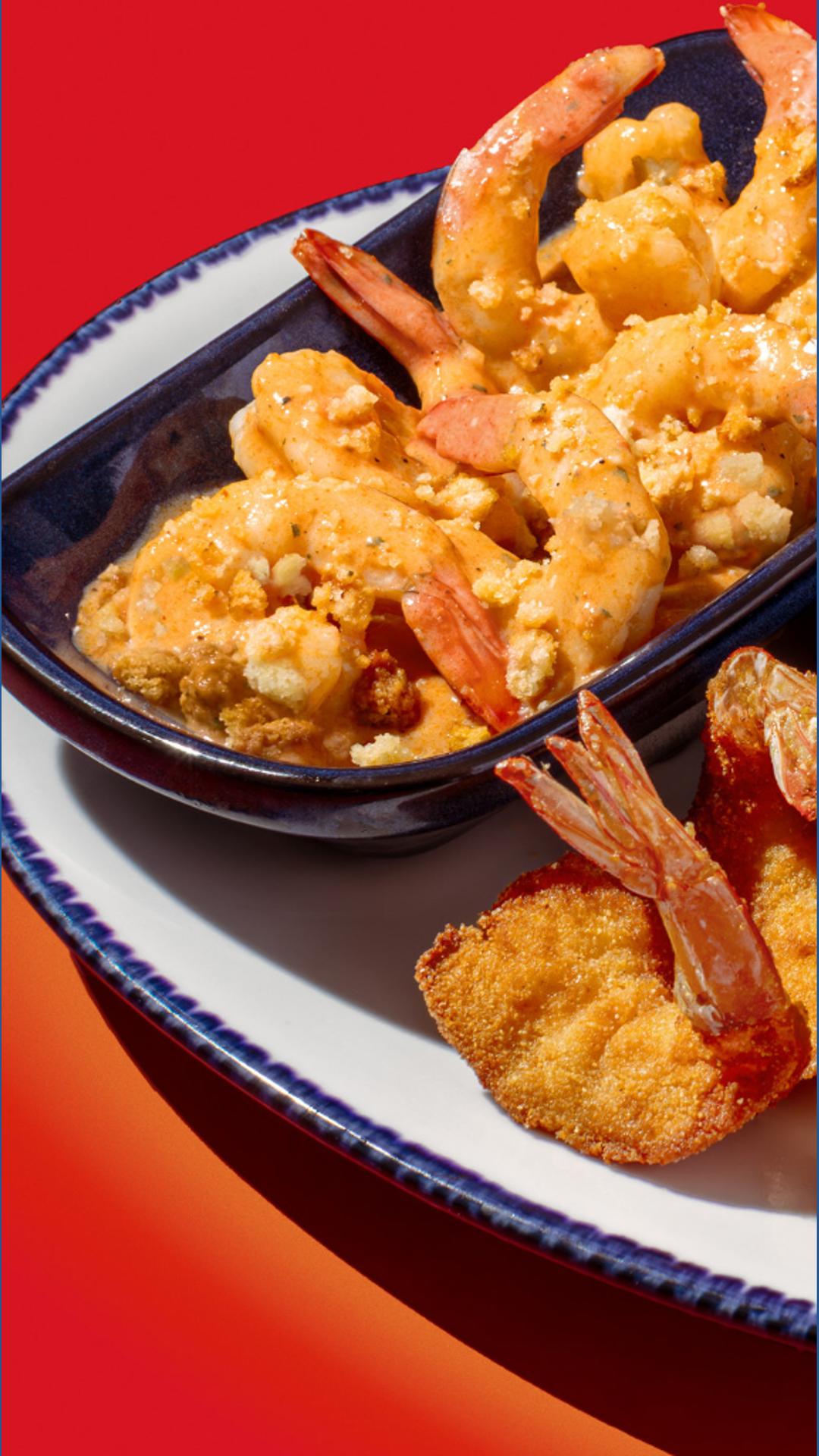
The "Endless Shrimp" promotion—or its various seasonal iterations—is a cornerstone of Red Lobster’s marketing strategy. As of 2026, these promotions typically function as a "mix-and-match" experience where diners are permitted to choose from a rotating menu of preparation styles, including scampi, fried, grilled, or coconut-crusted shrimp.
The primary business model here is based on "loss leader" marketing. By offering a high-volume, relatively low-cost protein (shrimp) at a fixed price, the restaurant aims to increase foot traffic and cross-sell high-margin items like appetizers, alcoholic beverages, and desserts. When evaluating if this deal is worth it, you must look beyond the sticker price and account for the "true cost" of the meal, which includes those supplementary add-ons that often turn a budget-friendly deal into a premium-priced dinner.
Quantitative Value vs. Qualitative Satisfaction
To determine if the promotion provides tangible value, you must assess both the quantity consumed and the quality of the product delivered.
The Math of Volume
If you are a high-volume eater, the economics favor the consumer. If a standard shrimp entrée elsewhere costs between $20 and $25, and you consume three or more portions of the shrimp special, the cost per serving drops significantly. However, if your appetite is modest and you only consume one or two rounds of shrimp, you are likely paying a premium price for a quantity of food that could have been purchased as a standard, potentially higher-quality entrée.
The Quality Threshold
Red Lobster utilizes mass-production methods to sustain their promotional offerings. The shrimp are generally farm-raised and flash-frozen, a standard in the casual dining industry. While consistent, these shrimp do not carry the same flavor profile or texture as fresh, wild-caught, or locally sourced seafood. If you are comparing the "worth" of this special against a high-end seafood restaurant, the evaluation will almost always skew toward the high-end option because Red Lobster is optimized for convenience and scale, not gourmet culinary standards.
Comparative Value Table
This table compares the Red Lobster shrimp special against other common dining scenarios to help you assess your personal "worth" threshold.
| Comparison Factor | Endless Shrimp Special | Standard Seafood Entrée | Upscale Seafood Dining |
|---|---|---|---|
| Portion Size | Unlimited/Variable | Fixed (Large) | Fixed (Moderate) |
| Price Predictability | High | Moderate | Low |
| Flavor/Freshness | Consistent/Mass-produced | Consistent/Standard | Superior/Fresh |
| Primary Value | High-volume eating | Balanced meal | Culinary experience |
| Wait Times | Often high | Moderate | Low |
Hidden Costs and Operational Realities
When you decide to engage in a shrimp special promotion, there are logistical factors that impact the "worth" of the experience beyond the menu price.
Wait Times and Table Turnover
During popular promotional periods, Red Lobster locations often experience capacity crowds. Long wait times for tables and slow service between "refill" rounds can significantly degrade the enjoyment of the meal. If you spend 45 minutes waiting for your next round of shrimp, the "all you can eat" aspect loses its primary appeal, as your pace of consumption is artificially throttled by service speed rather than your actual hunger levels.
Beverage and Appetizer Upselling
The financial success of the promotion relies on the customer ordering additional items. If you visit a Red Lobster and order the shrimp special, a $12 cocktail, an appetizer, and a dessert, your total bill will quickly exceed $50. At that price point, the value proposition of the "discount" promotion is nullified. If you are strictly value-conscious, you must be prepared to resist the suggestive selling that typically accompanies these specials.
Consistency of Preparation
Because these specials are designed for high-volume, kitchen staff are often under intense pressure to maintain output speeds. This can lead to inconsistencies, such as over-breaded fried shrimp or scampi that arrives with an excessive amount of butter or garlic. You are essentially trading culinary precision for a predictable, high-volume outcome.
Who Finds the Most Value?
The "worth" of the shrimp special is highly subjective based on your demographic and dining goals:
- The Budget-Conscious Family: For a family looking for a reliable meal where they know exactly what the cost will be, the predictability of the price point is a major asset.
- The High-Volume Eater: If your primary goal is caloric intake and maximizing protein consumption per dollar, the deal is mathematically sound.
- The Culinary Enthusiast: If you care about the nuances of preparation, regional sourcing, or the integrity of the seafood, you will likely find the promotion underwhelming and poor value regardless of the price.
Common Mistakes When Ordering
To maximize the worth of your visit, avoid these common pitfalls:
- Over-ordering the first round: Many diners order multiple varieties immediately, leading to food waste or the shrimp becoming cold and rubbery before it can be eaten. Order one portion at a time to ensure the product remains at an optimal temperature.
- Neglecting the "Side" options: If the special includes side dishes, incorporate them strategically to balance your intake, as eating only fried protein can be heavy and lead to palate fatigue.
- Ignoring the timing: Visiting on a weekend night often results in reduced service quality. If your schedule allows, visiting during off-peak hours (e.g., late weekday lunch) typically results in a better experience with faster, more attentive service.
Frequently Asked Questions
Does the endless shrimp special include side dishes?
Typically, the promotion includes a choice of side dishes, such as biscuits, coleslaw, or rice. Verify the current regional offer at your local branch, as inclusions can fluctuate based on local management and market conditions.
Can I share the shrimp special with others at the table?
No. Standard policy for all-you-can-eat promotions at Red Lobster strictly forbids sharing. Each individual who participates must purchase their own special. Attempting to share may lead to being charged for multiple meals or removal from the promotion.
How does the price of the special compare to standard menu items?
The special is priced as a premium item. If you do not plan on consuming at least two full servings, you would likely save money by ordering a standard, single-portion seafood entrée from the main menu.
Are there any restrictions on the type of shrimp I can choose?
During the promotional period, you can cycle through the listed options on the special menu. Some premium preparation styles may occasionally have a surcharge, so clarify the "all-inclusive" nature of the items with your server before ordering.
Is the quality of shrimp different during the promotion?
Red Lobster maintains a consistent supply chain for their menu items. The shrimp used in the promotion are generally the same source and grade as those used in their standard shrimp entrées, although they are portioned specifically for the quick-turnaround style of the promotion.
Final Recommendation
The shrimp special at Red Lobster is worth it if you are looking for a predictable-cost, high-volume dining experience where the specific goal is to eat a large quantity of shrimp in a casual environment. It is not worth it if you are seeking a high-quality seafood dinner, a refined culinary experience, or if you are a moderate eater who could be satisfied by a standard, non-promotional entrée. Before you go, check your local branch's availability and be mindful that your total experience value—not just the cost of the shrimp—will ultimately depend on your ability to manage incidental costs and your tolerance for potential service delays.
Image Gallery