Why Do Life Insurance Companies Actually Pay Out
Life insurance companies pay out death benefits because they are legally bound by enforceable contracts that collect premiums in exchange for the promise of a future financial indemnity. These companies operate under strict state-level...
Life insurance companies pay out death benefits because they are legally bound by enforceable contracts that collect premiums in exchange for the promise of a future financial indemnity. These companies operate under strict state-level regulatory oversight, rigorous actuarial modeling, and a business model that relies on the predictable pooling of mortality risk across large, diversified groups of policyholders.
Contents
The Contractual Basis of Life Insurance
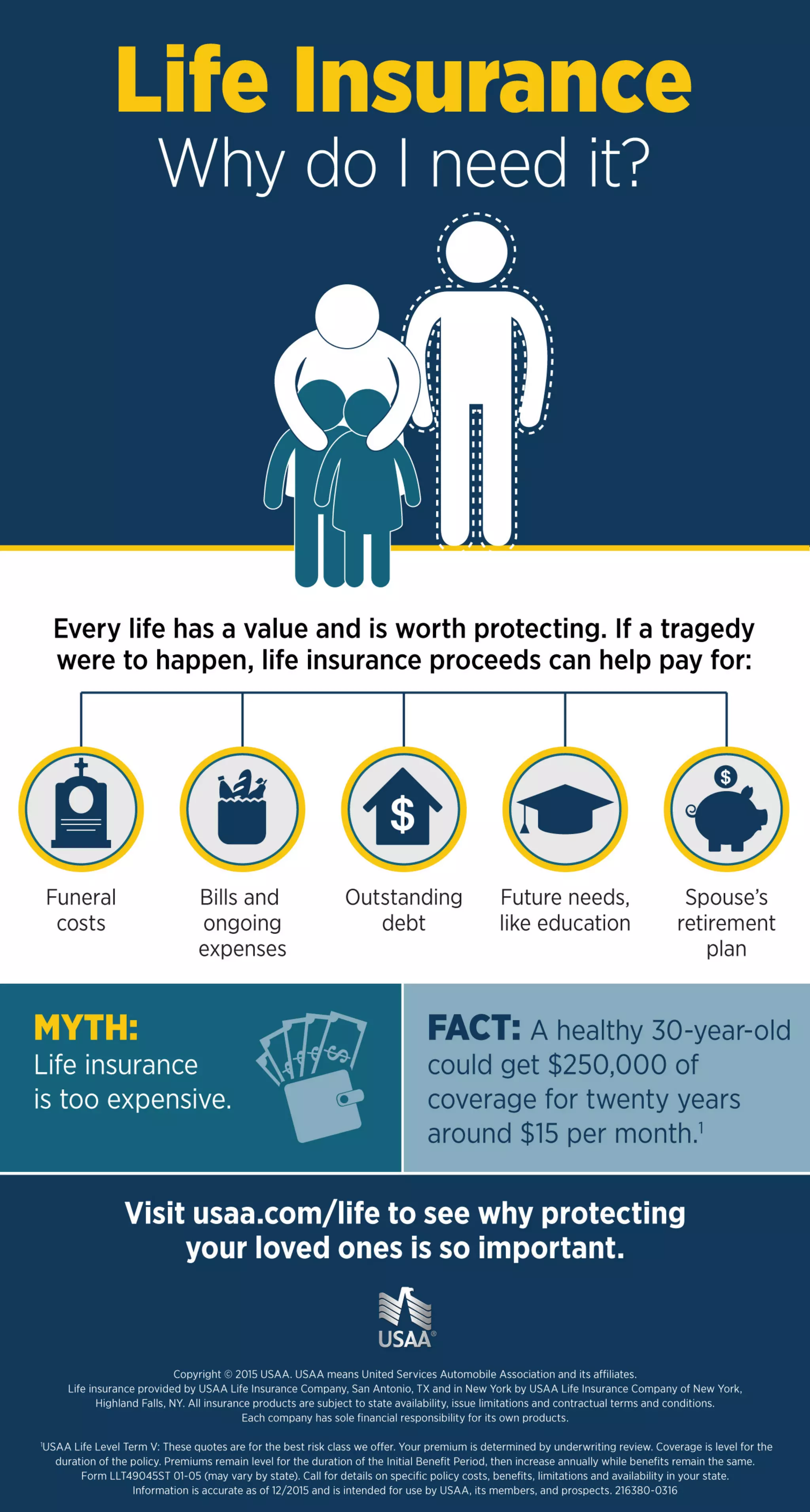
At its core, a life insurance policy is a legally binding contract—often referred to as a policy document—between the insurer and the policyowner. When you purchase life insurance, you are essentially purchasing a guarantee. The insurer agrees to pay a specified sum of money (the death benefit) to your chosen beneficiaries upon your death, provided the policy is in force and the terms of the contract have been satisfied.
The reason they "actually" pay out is not purely altruistic; it is the fundamental product they sell. If insurance companies consistently failed to honor valid claims, the industry would collapse under the weight of breach-of-contract lawsuits, regulatory sanctions, and a total loss of consumer trust. Each state has a Department of Insurance (DOI) that monitors these companies to ensure they maintain sufficient capital reserves to cover potential claims.
Actuarial Science and Risk Pooling
The financial stability of a life insurance carrier is built on actuarial science—the application of statistical and mathematical methods to assess risk. Insurance companies do not "bet" against individual policyholders; instead, they operate based on the Law of Large Numbers.
By insuring millions of lives, companies can predict with a high degree of mathematical certainty what percentage of the population will pass away in any given year. This allows them to set premium rates that are high enough to cover the expected payouts (claims) and operational costs, while generating a surplus that is invested in low-risk, interest-bearing assets like government bonds. Because they collect premiums from thousands of healthy individuals for every one person who passes away, they maintain a consistent pool of liquidity to pay claims as they arrive.
Regulatory Oversight and State Guaranty Associations
In the United States, insurance is regulated primarily at the state level. Each state has laws requiring insurers to maintain minimum capital reserves, which are assets held specifically to ensure that the company can meet its financial obligations to policyholders.
If a company were to become insolvent, the policyholders are typically protected by State Guaranty Associations. These non-profit organizations exist in every state to provide a safety net. If a licensed insurance company fails, the Guaranty Association steps in to cover death benefits up to statutory limits, ensuring that the promise made to the deceased is kept even if the insurer ceases to exist. This regulatory framework removes the "what if" factor from the consumer’s perspective, providing a high level of certainty that claims will be honored.
The Claims Process: Why Payouts Are Denied
While the default action is to pay, there are documented scenarios where a claim may be delayed or denied. Understanding these instances clarifies why insurers do pay out in all other cases.
- The Contestability Period: Most policies include a two-year contestability period. If a policyholder dies within the first two years of the policy, the insurer can investigate the application to ensure that no material information was omitted or falsified. If the insurer discovers that the applicant lied about their health status (e.g., hiding a terminal illness), they may void the policy.
- Suicide Clauses: Many policies contain a clause stating that if the insured dies by suicide within the first two years of coverage, the policy will not pay out. After this period, most policies provide full coverage regardless of the cause of death.
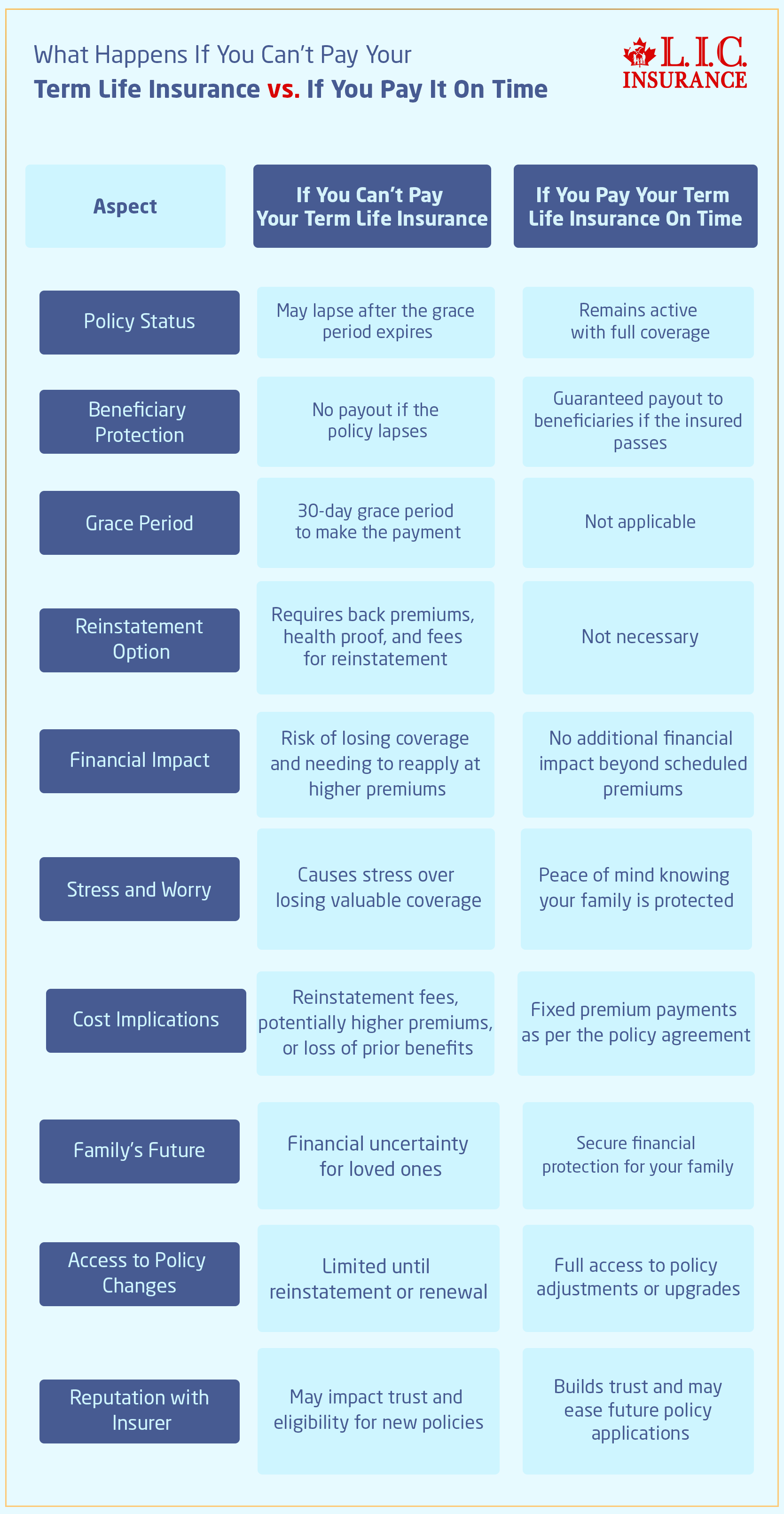
- Failure to Pay Premiums: If a policyholder stops paying premiums and the grace period expires, the policy will lapse. An insurance company cannot pay a benefit on a policy that is no longer active.
- Material Misrepresentation: If it is discovered that the insured intentionally misled the insurer regarding high-risk behaviors or medical history at the time of underwriting, the company may argue that the contract was based on fraudulent information.
Comparing Payout Certainty
The following table outlines the factors that influence the reliability and execution of a life insurance payout.
| Factor | Impact on Payout |
|---|---|
| Legal Contract | Provides the mandatory legal obligation for the insurer to pay. |
| Regulatory Capital | Ensures the insurer has the liquidity to honor claims immediately. |
| Contestability Period | Allows the insurer to verify medical history; affects initial 24 months. |
| Beneficiary Accuracy | Determines who receives the funds; keeps the payout process streamlined. |
| Policy Status | A policy must be in force (premiums paid) for the benefit to trigger. |
The Role of Investment Income
People often wonder how a company can pay out a death benefit that is significantly larger than the premiums they have collected from a single individual. The answer lies in the time value of money.
Insurance companies invest the premiums they receive over decades. This investment income, combined with the premiums of those who outlive their policies, creates a massive pool of capital. In 2026, the sophisticated investment portfolios of these carriers remain a primary engine of the industry. The interest earned on these assets is often enough to cover a significant portion of the total death benefit payouts, allowing the company to remain profitable while maintaining the cash on hand to fulfill their obligations to beneficiaries.
Frequently Asked Questions
Do insurance companies profit when they deny claims? While denying a fraudulent claim saves an insurer money, systemic denial of legitimate claims would destroy their reputation and trigger aggressive state regulatory intervention. Their business model is specifically designed to be profitable through accurate risk assessment and investment, not through the avoidance of valid payouts.
What happens if I forget to pay my premium? Most policies provide a grace period—typically 30 to 31 days—where you can pay the overdue premium without losing coverage. If the grace period passes without payment, the policy may lapse, meaning the company is no longer contractually obligated to pay the death benefit.
Does the cause of death affect the payout? In the vast majority of cases, no. Life insurance policies cover death by accident, illness, natural causes, and—after the two-year suicide clause expires—suicide. The primary concern of the insurer is that the policy was active and the premiums were current.
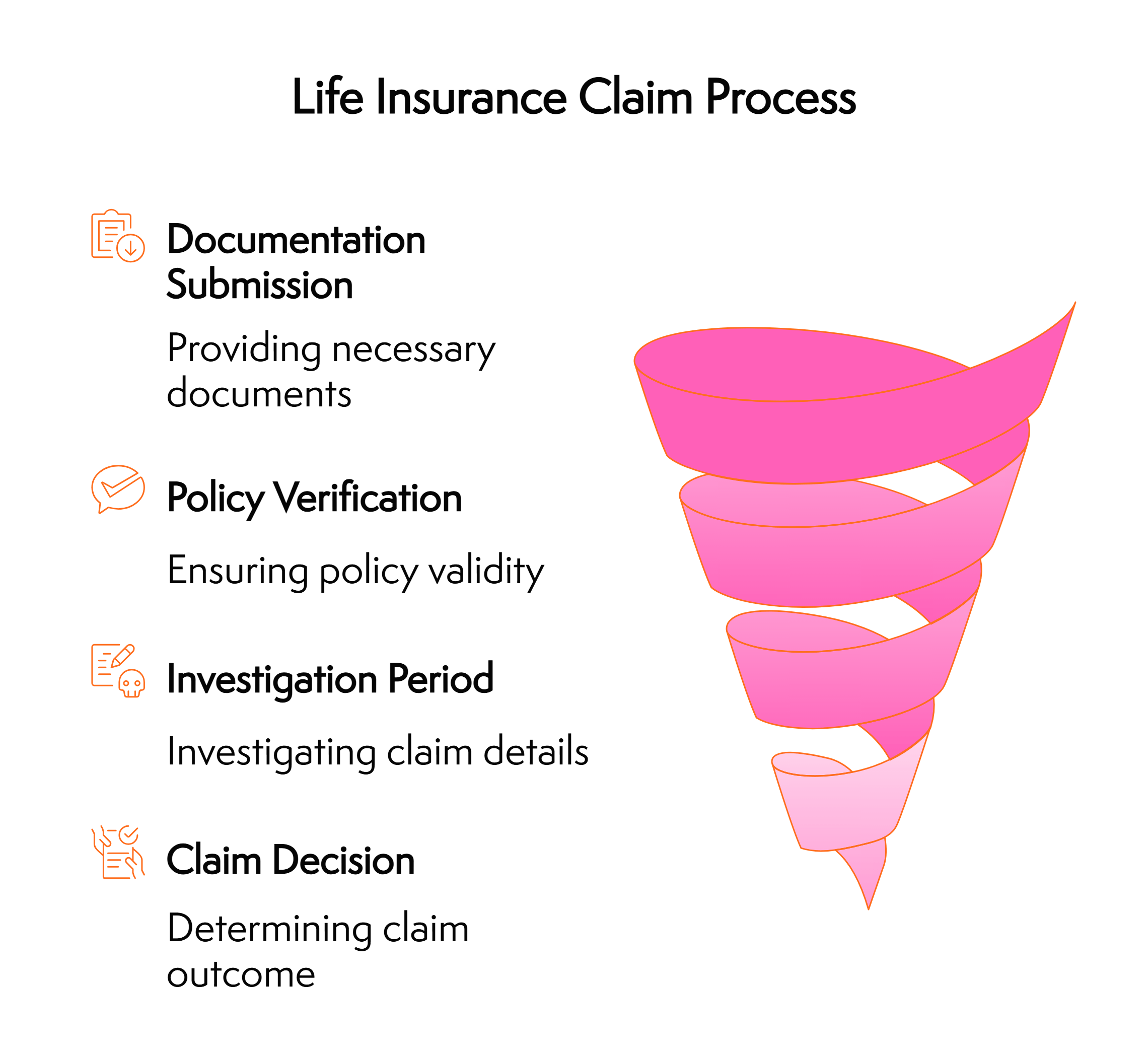
How long does it take for a company to pay out? Once a certified death certificate is submitted along with the claimant’s statement, most life insurance companies process the payment within 30 to 60 days. Complex claims, or those occurring within the contestability period, may take longer due to the necessary verification steps.
Can an insurer refuse to pay because they think I’m too old? No. Life insurance companies cannot retroactively void a policy or refuse to pay because you have reached a certain age. As long as the premiums were paid according to the schedule set at the time of purchase, the age of the insured at the time of death is irrelevant to the payout obligation.
Taking the Next Step
To ensure your beneficiaries receive their payout without complication, verify that your policy is currently in force and that your beneficiary designations are up to date. Reviewing your policy annually with your agent is the best way to prevent administrative errors that could complicate the payout process. If you have questions about your specific coverage, contact your insurer directly to request a status update or confirm that your premium payments are properly applied.
Image Gallery