Understanding Insurance Requirements for Leased Vehicles
Yes, leased cars must have insurance, and they typically require higher levels of coverage than a vehicle you own outright. Because the leasing company retains legal ownership of the vehicle throughout the duration of your contract, th...
Yes, leased cars must have insurance, and they typically require higher levels of coverage than a vehicle you own outright. Because the leasing company retains legal ownership of the vehicle throughout the duration of your contract, they mandate specific insurance policies to protect their financial asset against total loss, theft, or extensive damage.
Contents
When you enter into a lease agreement, you are essentially renting the vehicle for a fixed period. The leasing entity—which could be a manufacturer’s captive finance company, a bank, or an independent leasing firm—has a vested interest in the car’s condition and value. If the car is totaled or stolen, the leasing company requires assurance that the financial gap between the car's depreciated value and the remaining lease balance is covered. Consequently, you cannot simply carry the state-mandated minimum liability insurance required for registered vehicles; you must adhere to the specific contractual insurance requirements outlined in your lease agreement.
Why Leasing Companies Mandate Full Coverage
Lenders view a leased vehicle as a high-value asset that is subject to rapid depreciation and the risks of daily operation. If you were driving a vehicle you owned, you might choose to drop collision or comprehensive coverage once the car’s market value is low. However, in a lease, the vehicle must be returned in a specified condition, or you are liable for excess wear and tear fees.
If you are involved in a major accident and only hold basic liability insurance, the leasing company faces the risk of a significant financial shortfall. Liability insurance only covers damage you cause to others; it does not cover the repair or replacement costs for the leased vehicle itself. To mitigate this, leasing contracts almost universally mandate:
- Comprehensive Coverage: This protects the vehicle against non-collision events such as theft, fire, vandalism, falling objects, and weather damage.
- Collision Coverage: This covers repairs if your vehicle strikes another object, a vehicle, or rolls over, regardless of who is at fault.
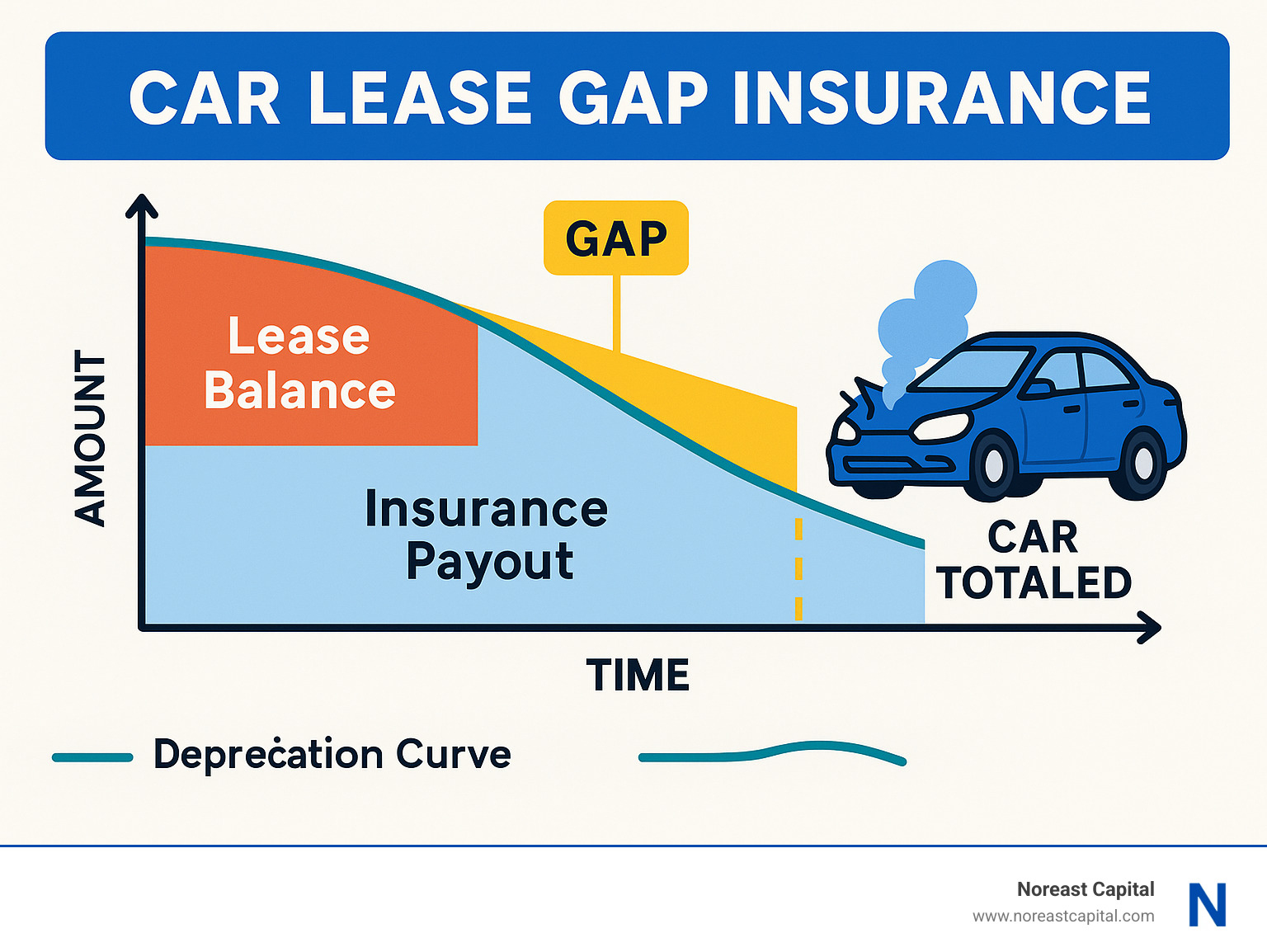
- Gap Insurance: While not always labeled separately, the leasing company often includes "Gap" protection or requires you to have a policy that covers the difference between the insurance payout and the total remaining lease balance in the event of a total loss.
Typical Insurance Limits for Leased Vehicles
While minimum liability requirements vary by state, leasing companies usually set their own "floor" for coverage limits. A standard requirement for many major leasing firms involves a split-limit policy.
It is common to see requirements such as $100,000 for bodily injury per person, $300,000 for bodily injury per accident, and $50,000 for property damage. If your current policy does not meet these thresholds, you will be required to increase your limits before you are allowed to drive the car off the dealership lot. Failure to maintain these levels throughout the lease term can result in the lessor purchasing "force-placed" insurance on your behalf, which is significantly more expensive than a policy you procure yourself.
Comparison of Coverage Types
The following table outlines the essential differences between the insurance you might carry on an older, owned vehicle versus the requirements for a leased vehicle.
| Coverage Type | Standard State Minimum (Owned) | Typical Lease Requirement |
|---|---|---|
| Liability (Bodily/Property) | Often low (e.g., 25/50/15) | Often high (e.g., 100/300/50) |
| Collision | Optional | Mandatory |
| Comprehensive | Optional | Mandatory |
| Gap Protection | Not applicable | Often Required/Built-in |
| Deductible Limits | Driver preference | Usually capped (e.g., $500–$1,000) |
The Role of Gap Insurance
Gap insurance is perhaps the most critical component of a leased vehicle policy. Because new cars depreciate quickly, the "actual cash value" of the vehicle—what an insurer pays if the car is stolen or totaled—is often lower than the "payoff amount" on your lease. If your car is totaled, you are still legally obligated to pay the leasing company the remainder of the lease payments plus the purchase option price. Without gap insurance, you could be responsible for thousands of dollars in debt for a vehicle you can no longer drive.
Many lease agreements include "GAP waiver" language. Before purchasing a separate policy, check your lease contract carefully. If the lessor provides a waiver, they are effectively absolving you of the difference if the car is totaled. If they do not, you must ensure your personal auto insurance policy includes a "Loan/Lease Payoff" endorsement.
How to Verify Your Insurance Status
Before finalizing your lease, provide your insurance agent with the specific requirements listed in your lease agreement. Most dealership finance departments will require a "Certificate of Insurance" or a copy of your insurance declarations page before they release the vehicle to you.
- Request the Requirement Sheet: Ask the dealer for the minimum insurance requirements stipulated by the leasing company.
- Contact Your Provider: Verify that your current provider can meet these specific limits.
- Submit Documentation: Ensure the leasing company is listed as a "Loss Payee" or "Additional Insured" on your policy. This ensures the insurer notifies the leasing company if your policy lapses or is canceled.
- Annual Review: Set a reminder to review your policy every year. Insurance premiums may fluctuate, but the lease requirements remain constant throughout the contract term.
Common Risks and Pitfalls
A frequent mistake is assuming that "full coverage" is a standardized industry term. It is not. "Full coverage" is a colloquialism for a bundle of collision, comprehensive, and liability, but it does not specify the amount of coverage. You must ensure your policy meets the dollar-specific limits required by the contract.
Another risk involves the deductible. While you might opt for a $2,500 deductible to lower your monthly premium on a car you own, leasing companies often restrict the maximum deductible allowed, typically capping it at $500 or $1,000. If you carry a higher deductible, the leasing company may reject your proof of insurance and force-place a policy on you, adding the cost to your monthly lease payment.
Frequently Asked Questions
Does the dealership provide insurance for the lease? No. The dealership provides the vehicle, but you are responsible for maintaining insurance. The dealership will not release the car to you until you have provided proof of coverage that meets the lessor’s criteria.
What happens if my insurance lapses? If your policy lapses, the leasing company will be notified by your insurance carrier (because they are listed as a loss payee). The leasing company will then purchase "force-placed" insurance to protect their asset. This coverage is usually very expensive and provides minimal protection for you, the driver.
Is insurance more expensive for a leased car? Yes, usually. Because you are required to maintain higher liability limits and carry collision and comprehensive coverage, your premiums will likely be higher than they would be for an older, owned vehicle that only requires state-minimum liability.
Does Gap insurance come standard with the lease? It varies. Some manufacturers include a GAP waiver in the lease agreement, while others do not. You must read your specific lease contract to determine if you need to purchase a separate "loan/lease payoff" endorsement from your insurance company.
Can I use the same insurance company I have used for years? In most cases, yes, provided that your current insurer can accommodate the higher coverage limits requested by the leasing company. If your current provider cannot meet these specific requirements, you may need to switch to a carrier that specializes in high-limit policies.
Next Steps for Your Lease
To ensure compliance with your lease agreement, gather your contract documentation today and identify the "Insurance Requirements" section. Once you have identified the minimum required liability limits and the maximum allowed deductible, call your insurance agent to request a quote or an updated declarations page. Ensure that the leasing company is clearly listed as the loss payee on your account. Being proactive prevents the frustration of dealership delays and the risk of expensive force-placed insurance policies.
Image Gallery