A Comprehensive Guide on How to Read Billiard Table Reviews
Reading billiard table reviews effectively requires looking beyond star ratings to identify specific technical details regarding slate quality, frame construction, and felt specifications. By focusing on verifiable performance metrics—...
Reading billiard table reviews effectively requires looking beyond star ratings to identify specific technical details regarding slate quality, frame construction, and felt specifications. By focusing on verifiable performance metrics—such as levelness consistency, rail responsiveness, and assembly durability—you can determine if a particular model meets your space’s requirements and your personal gameplay standards before committing to a significant investment.
Contents
Understanding the Scope of Billiard Table Reviews
Billiard tables represent a major furniture and sporting equipment investment. Because they are heavy, difficult to transport, and require professional installation, the stakes for making an informed purchase are significantly higher than for smaller hobby items. When browsing reviews, the first step is to categorize the source. Are you reading a professional trade assessment, a user-generated review on a retail site, or an article from a niche hobbyist forum?
Professional reviews often focus on technical specifications, such as the thickness of the slate, the type of wood used in the frame, and the quality of the cushions. Conversely, user-generated reviews are invaluable for understanding the logistical challenges of ownership, including the delivery process, the effectiveness of the installer, and how the table holds up after several months of active use.
Decoding Technical Specifications in Reviews
When reading reviews, you will encounter industry-specific terminology. Understanding these terms is essential to interpreting whether the reviewer is providing a critique based on structural integrity or merely subjective aesthetic preference.
Slate Quality and Thickness
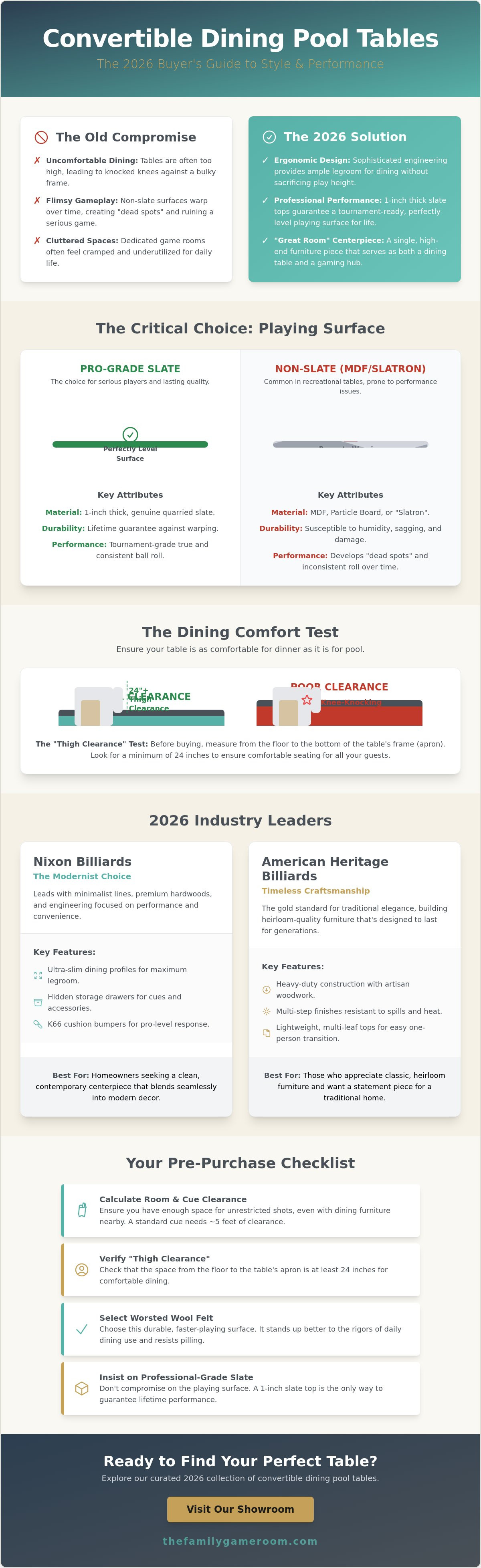
The playing surface of a professional-grade table is made of slate. In reviews, look for mentions of slate thickness. A standard, tournament-grade table typically uses 1-inch thick, diamond-honed slate. Reviews that mention "three-piece slate" indicate that the surface is comprised of three separate segments; this is the industry standard for easier transport and precise leveling. If a review complains about "waviness" or "rolling off," it often points to a failure in the frame’s ability to support the slate or poor leveling during installation.
Frame Construction and Material
A billiard table's frame, often referred to as the cabinet or the body, supports the immense weight of the slate. High-quality tables use solid hardwoods. Reviews that mention "MDF" (Medium-Density Fiberboard) or "particle board" should be approached with caution. While these materials can be stable in low-humidity environments, they are susceptible to sagging or warping over time compared to solid wood or heavy-duty laminate structures.
Rail and Cushion Response
The rails are the wooden edges of the table, and the cushions are the rubber strips attached to them. A quality review will describe how the ball reacts when hitting the cushion. Terms like "dead spots" or "inconsistent bounce" are red flags. Consistent response is achieved through high-quality rubber (often K-66 profile) that maintains elasticity over years of play.
Comparative Metrics for Billiard Tables
| Feature | High-End / Tournament | Entry-Level / Home |
|---|---|---|
| Slate | 1-inch thick, matched 3-piece | 1/2-inch to 3/4-inch, or MDF |
| Frame | Solid hardwood with internal bracing | Plywood or particle board |
| Cushions | K-66 profile, natural gum rubber | Synthetic rubber blends |
| Installation | Professional assembly required | DIY or minimal assembly |
| Weight | 700–1,000+ lbs | 200–500 lbs |
Navigating User Feedback: Identifying Bias and Reliability
Not all reviews are created equal. When analyzing consumer feedback, consider the context of the user's experience.
- The Installation Factor: Many negative reviews regarding "poor quality" tables are actually complaints about poor installation. If a reviewer states the table is "unlevel" or "the ball rolls to one side," determine if they installed it themselves. Billiard tables require precise leveling using machinist levels and shims. If the review does not mention the installation method, take claims about the table’s levelness with a grain of salt.
- Longevity and Maintenance: Pay close attention to reviews posted at least six months to a year after purchase. Initial impressions are often biased by the "newness" of the product. Reviews that discuss the state of the felt (the cloth) after consistent play are more useful than those written immediately after the table was unboxed.
- Verified Purchases: Prioritize reviews from users who have confirmed their purchase through the platform. These users are less likely to be influenced by marketing bots or competitor sabotage.
Identifying Common Pitfalls in Online Reviews
When reading through feedback, watch for common mistakes that might lead you to a poor purchase decision. Avoid reviews that focus exclusively on the table’s appearance. While a table should fit your room's décor, a beautiful table with a thin, brittle slate or weak rails will not provide an acceptable playing experience.
Furthermore, look for consensus. One person complaining about a delivery issue is a logistic problem; five people complaining about the same structural failure (e.g., the rails separating from the frame) is a design flaw. Focus your analysis on recurring issues across different platforms.
Assessing Suitability for Your Environment
A great table in a professional billiards hall may be a poor choice for your home. When reading reviews, evaluate the user's setup against your own. If you have a room with fluctuating humidity or significant temperature swings, look for reviews that mention the longevity of the wood finish and the performance of the felt in those conditions.
Additionally, verify the dimensions mentioned in the reviews. A 9-foot table is standard for tournaments, but it often does not fit comfortably in standard residential game rooms. Many users leave negative reviews for tables simply because they did not realize the amount of space required for cue movement around the perimeter.
Frequently Asked Questions
What does "dead rail" mean in a review?
A dead rail refers to a cushion that has lost its resiliency, causing the ball to lose significant speed or bounce inconsistently when it strikes the edge of the table. This is often a sign of aging rubber or poor-quality manufacturing.
Is slate thickness really that important?
Yes. Thinner slate or synthetic alternatives like "Slatron" or honeycomb structures lack the mass and stability of 1-inch slate. Over time, thinner surfaces are prone to bowing, which makes an accurate game impossible.
How much weight should a table support?
A standard 8-foot slate billiard table typically weighs between 700 and 1,000 pounds. When reading reviews, ensure that users confirm the floor structure in their home is sufficient to hold this weight safely, particularly if the table is going on an upper level.
Why do some reviews mention "leveling issues" constantly?
Billiard tables are heavy, and houses are rarely perfectly level. Almost every professional table requires adjustment via its leg levelers or shims. If a review mentions leveling issues, it is often a sign of a difficult setup process rather than a defective product.
Should I prioritize the brand reputation or the specific model's reviews?
Prioritize the specific model. Even reputable manufacturers may produce budget-tier tables that utilize lower-quality materials to hit a specific price point. Always look for reviews tied to the exact model number.
Final Recommendation for Buyers
Before finalizing a purchase, do not rely on a single review source. Compile a list of three to five models that meet your size and budget requirements, then search for those specific model numbers across multiple forums, retail sites, and, if possible, local specialty shop discussions. Look for photos in the reviews, as these provide the best evidence of build quality and finish. If a specific model has consistent complaints regarding slate cracking or frame instability, remove it from your list regardless of its brand reputation. Always budget for professional installation and leveling, as this is the single most important factor in ensuring the table performs as intended, regardless of the quality of the product itself.
Image Gallery