Why a Supercar Crash Tests Auto Insurance Limits
High-performance vehicles represent a significant financial undertaking, but their impact on insurance coverage is often misunderstood by owners. When a supercar is involved in a collision, the sheer scale of the financial liability fr...
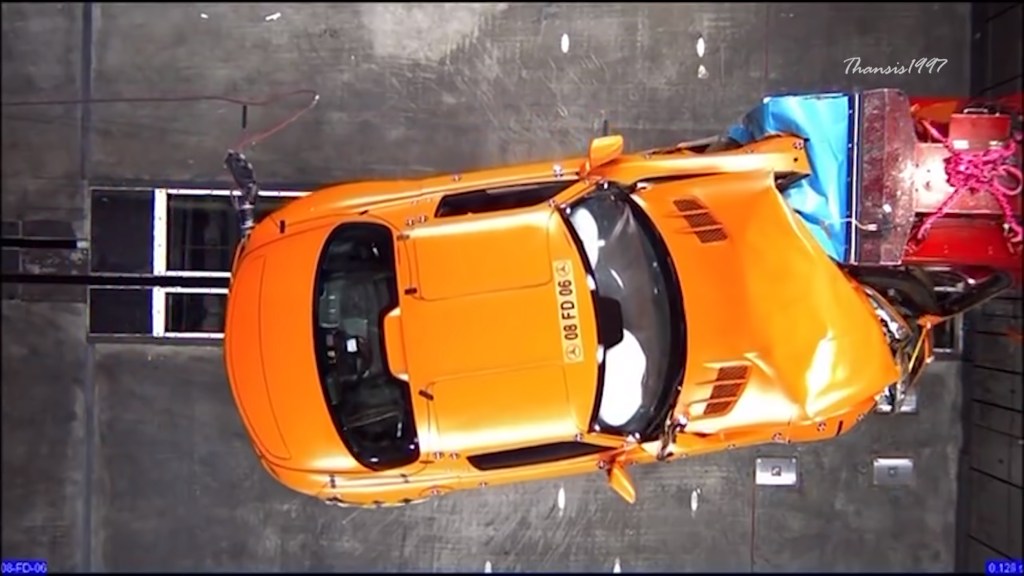
High-performance vehicles represent a significant financial undertaking, but their impact on insurance coverage is often misunderstood by owners. When a supercar is involved in a collision, the sheer scale of the financial liability frequently exceeds standard policy limits, triggering a complex process of risk assessment and asset exposure. This occurs because the combined costs of exotic component replacement, specialized labor, and potential third-party litigation vastly outstrip the coverage provided by typical automotive insurance plans.
Contents
The Anatomy of a High-Performance Liability Claim
The fundamental reason a supercar crash tests insurance limits lies in the disparity between "standard" automotive risk and the "exotic" vehicle risk profile. A standard sedan might have a replacement value of $30,000 to $50,000. A supercar, by contrast, often carries a value ranging from $250,000 to several million dollars.
Beyond the initial asset value, the "cost of repair" is the primary driver of limit testing. Unlike mass-produced vehicles, supercars utilize proprietary chassis construction, such as carbon-fiber monocoques, which are often non-repairable if structurally compromised. Replacing a damaged monocoque is not merely a mechanical task; it involves specialized equipment, highly trained technicians—often flown in from the manufacturer’s headquarters—and months of lead time for parts. Standard insurance policies, which are often structured around body shop labor rates and local inventory, fail to account for the specialized overhead associated with exotic repair facilities.
Property Damage and Liability Thresholds
Automobile insurance policies are split into two primary categories: first-party coverage (protecting your vehicle) and third-party liability (protecting others). When a supercar is involved in an accident, the liability coverage is the most susceptible to being "tested."
If a supercar owner causes an accident involving a pile-up or high-value infrastructure (such as luxury property or high-end commercial vehicles), the liability claim can rapidly exceed the $300,000 to $500,000 limits commonly found in standard personal auto policies. In many jurisdictions, once these limits are exhausted, the supercar owner becomes personally liable for the remaining balance. This leaves high-net-worth individuals exposed to potential lawsuits, liens, and the forced liquidation of other assets to cover the court-awarded damages.
The Role of Agreed Value vs. Actual Cash Value
A significant point of contention in supercar insurance is the valuation method. Standard policies typically use "Actual Cash Value" (ACV), which accounts for depreciation. Supercars, however, may hold their value or even appreciate.
- Actual Cash Value (ACV): The insurance company determines the market value at the time of the loss. This almost always leads to a deficit, as the market value of an exotic vehicle can fluctuate wildly based on provenance and limited production status.
- Agreed Value: The owner and the insurer agree on the vehicle's value at the inception of the policy. If the vehicle is totaled, the insurer pays the agreed amount regardless of market depreciation.
Failure to secure an "Agreed Value" policy is a common mistake that causes a "crash test" of insurance limits, as the owner is left with a payout that is insufficient to replace the vehicle or settle associated debts.
Comparison Table: Standard vs. Exotic Insurance Coverage
| Feature | Standard Auto Policy | High-Performance/Exotic Policy |
|---|---|---|
| Valuation | Actual Cash Value (Depreciated) | Agreed Value (Stated Amount) |
| Repair Shop | Network-approved shops | Specialized/Manufacturer-authorized |
| Liability Limits | Standard ($100k-$500k) | High-Limit Umbrella/Excess ($1M+) |
| Parts Sourcing | Aftermarket or OEM | Original Manufacturer Parts Only |
| Loss of Use | Limited daily reimbursement | High-tier rental or compensation |
Factors That Exacerbate Coverage Gaps
Several factors contribute to the exhaustion of policy limits during a collision. Understanding these is essential for proactive risk management.
1. Specialized Labor and Shipping
When a vehicle requires transport to a specialized facility, insurers often balk at the exorbitant cost of covered transport trailers and international shipping for rare components. Standard policies may cap "towing and labor" at a few hundred dollars, which might not even cover the insurance deductible for a climate-controlled transport service for an exotic car.
2. Diminished Value Claims
Even if a supercar is repaired to its original factory specifications, its market value may be permanently diminished due to the accident being reported on services like CARFAX. In many states, the owner may file a "diminished value" claim against their own or the at-fault party’s insurance. However, standard policies often explicitly exclude coverage for diminished value, forcing the owner to absorb the loss in equity.
3. Track-Day Exclusions
Many standard insurers include "racing" or "timed event" exclusions in their fine print. If a crash occurs during a non-competitive driving school or track event, the insurer may deny the claim entirely based on policy language regarding "use of vehicle." This is perhaps the most common way owners find themselves completely unprotected.
Strategies for Risk Mitigation
To prevent insurance limits from being tested, supercar owners must move beyond conventional retail insurance products. The solution typically involves moving toward Private Client Group or "High-Net-Worth" (HNW) insurance carriers.
- Excess Liability Coverage: Purchasing a personal umbrella policy that sits on top of the auto insurance can provide an additional $5 million to $10 million in coverage. This protects personal assets from being reached in the event of a significant liability claim.
- Specialized Endorsements: Work with brokers who understand exotic car requirements. Ensure the policy includes clauses for "Original Parts Only" and "Choice of Repair Facility."
- Reviewing Territorial Limits: If you travel internationally or frequently move the car between properties (e.g., in the US and Europe), ensure your coverage remains active in all jurisdictions. Standard policies are often restricted to the country of issue.
Frequently Asked Questions
Why does my regular auto insurer refuse to offer high liability limits? Most mass-market insurance companies calculate risk based on actuarial data for standard vehicles. They lack the capacity to underwrite the specialized risk of high-performance machines and prefer to keep liability caps lower to mitigate their own exposure.
Does a carbon-fiber chassis always mean a total loss? Not always, but in many cases, yes. Carbon fiber cannot be straightened or repaired like steel. If the impact compromises the structural integrity of the tub, the cost of replacing the monocoque often nears the replacement cost of the entire vehicle, resulting in a "total loss" determination by the adjuster.
What is the benefit of a "collector" car policy for a supercar? Collector policies are designed for limited-use vehicles. They often provide Agreed Value coverage and are more flexible regarding specialized repairs. However, they may come with mileage restrictions that do not suit daily-driven supercars.
If I crash at a public track day, am I covered? Generally, no. Most personal auto policies exclude any damage occurring on a closed-circuit course, regardless of whether it is a race or a casual driving event. You would typically need a specific "track day" insurance policy that covers the vehicle specifically for that event period.
How do I determine if my current limits are sufficient? Calculate your total "at-risk" assets, including your home, retirement funds, and other investments. Your liability limits should at least equal the net value of your liquid assets. If you are under-insured, you are one accident away from significant financial instability.
Next Steps for Owners
If you currently own a high-performance vehicle, the immediate next step is to audit your policy declarations page. Do not assume your agent has accounted for the "Agreed Value" of your vehicle or the specific complexities of exotic repairs. Contact a broker specializing in HNW insurance to transition your coverage to a carrier that understands the nuances of modern supercar ownership. Failure to do so isn't just an oversight—it is a significant financial risk to your total wealth.
Image Gallery