How to Get Your Free Annual Credit Report via Experian
Obtaining your free annual credit report from Experian is a straightforward process mandated by the Fair Credit Reporting Act (FCRA). You can access your report securely through the official AnnualCreditReport.com portal, the centraliz...
Obtaining your free annual credit report from Experian is a straightforward process mandated by the Fair Credit Reporting Act (FCRA). You can access your report securely through the official AnnualCreditReport.com portal, the centralized website designated by the three major credit bureaus, or directly through Experian’s own consumer interface, which offers additional tools for monitoring and dispute resolution.
Contents
Understanding the Statutory Right to Credit Reports
Under federal law, consumers in the United States are entitled to one free credit report from each of the three major national credit reporting agencies—Equifax, Experian, and TransUnion—every 12 months. This provision exists to ensure that individuals can monitor their financial health, identify potential identity theft, and verify the accuracy of the data reported by creditors.
Because credit reports contain sensitive personal information, it is critical to distinguish between official government-sanctioned sources and third-party websites that may attempt to charge fees or harvest data. As of 2026, the primary method for accessing these reports remains the centralized federal portal. However, Experian also provides direct access to credit information through its own digital platforms.
Authorized Methods for Retrieval
There are three primary ways to request your Experian credit report. Understanding the distinction between these methods ensures you avoid unnecessary subscription fees or predatory services.
1. The Centralized Federal Portal
The most objective way to obtain your report is through AnnualCreditReport.com. This site is the only one authorized by the federal government to provide the free reports guaranteed by the FCRA. When you visit this site, you select the specific bureau (Experian) you wish to view. This method is ideal for those who want to see their report without being prompted to sign up for paid credit monitoring services.
2. The Experian Website
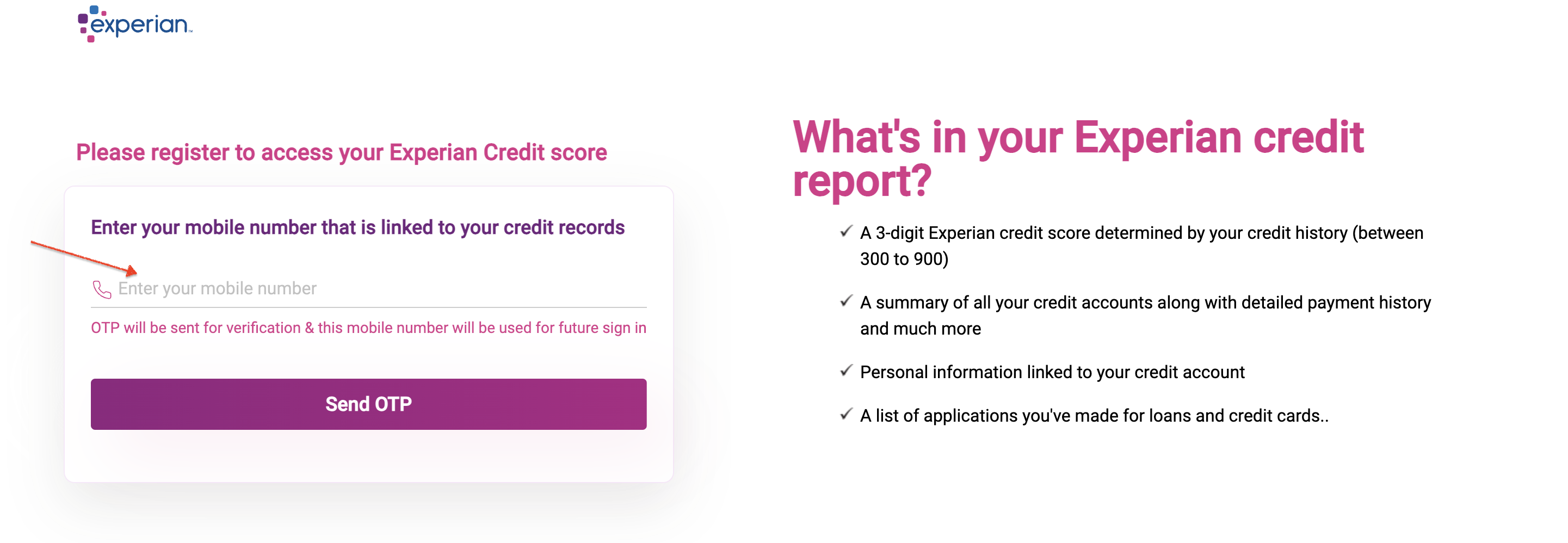
You may visit Experian.com directly to request a report. While Experian often markets paid services—such as CreditLock or premium monitoring—they are legally obligated to provide a free version of your report. Navigate to the "Credit Report" section of their website. You will be required to verify your identity by answering security questions based on your financial history.
3. Requests by Telephone or Mail
If you prefer not to use digital interfaces, you can request a copy of your credit report by calling 877-322-8228. Additionally, you may download and print the Annual Credit Report Request Form from the official website and mail it to:
Annual Credit Report Request Service P.O. Box 105281 Atlanta, GA 30348-5281
Preparing for the Verification Process
Before you attempt to access your credit report, gather the necessary documentation to pass the identity verification process. Credit bureaus use "knowledge-based authentication" to ensure they are releasing data to the rightful owner.
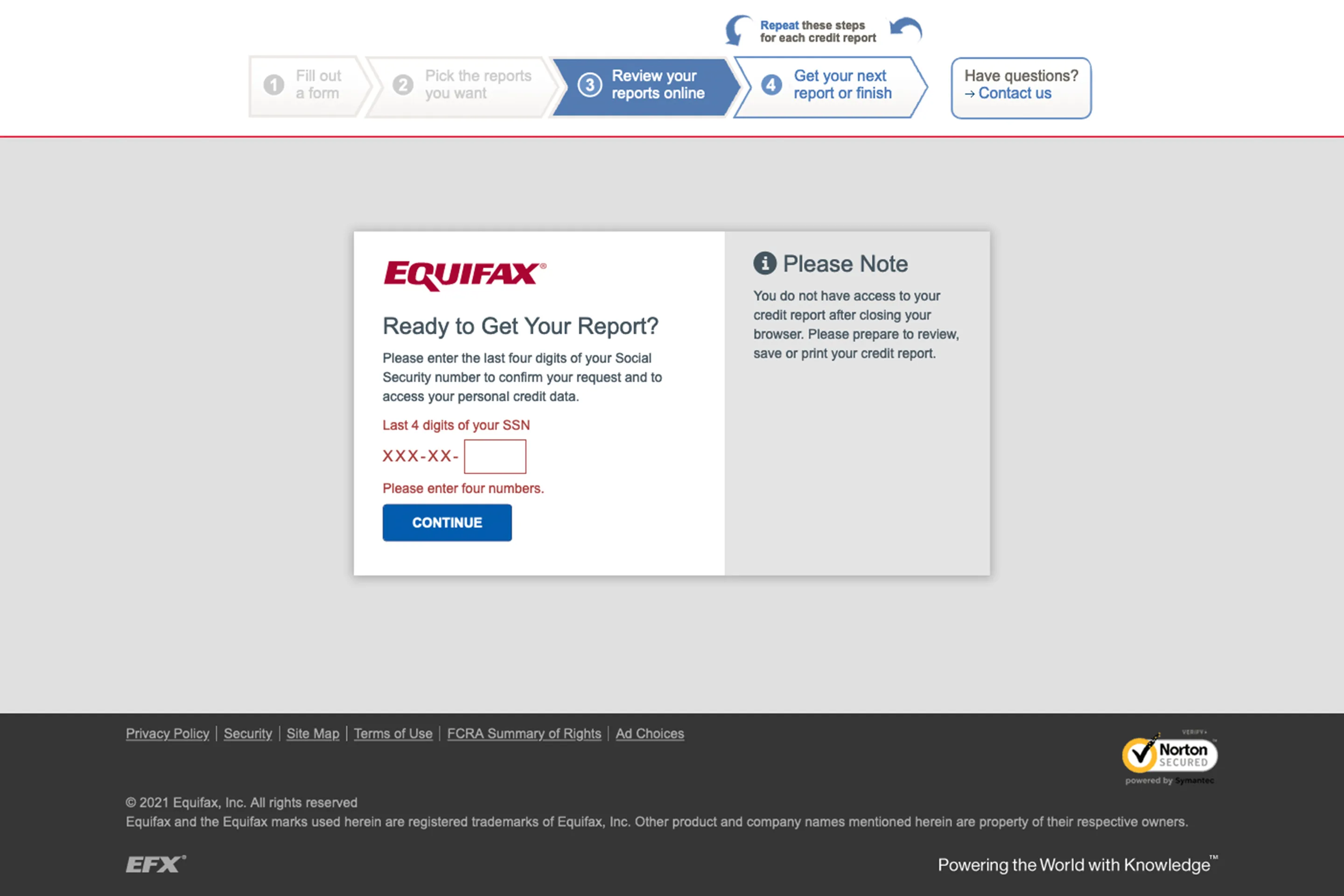
- Social Security Number: You will need this to identify your file correctly.
- Proof of Identity: Be prepared to provide details such as a previous address, the name of a mortgage lender, or the approximate monthly payment on an auto loan.
- Secure Connection: Ensure you are using a private, secure internet connection. Never access your credit report on a public Wi-Fi network, as this exposes your sensitive data to interception.
Comparison of Credit Report Access Points
| Method | Best For | Potential Downsides |
|---|---|---|
| AnnualCreditReport.com | Avoiding marketing solicitations | Limited to basic report data |
| Experian.com | Immediate access and active disputes | High frequency of upsell prompts |
| Phone/Mail | Offline users | Significantly longer processing time |
Interpreting Your Experian Credit Report
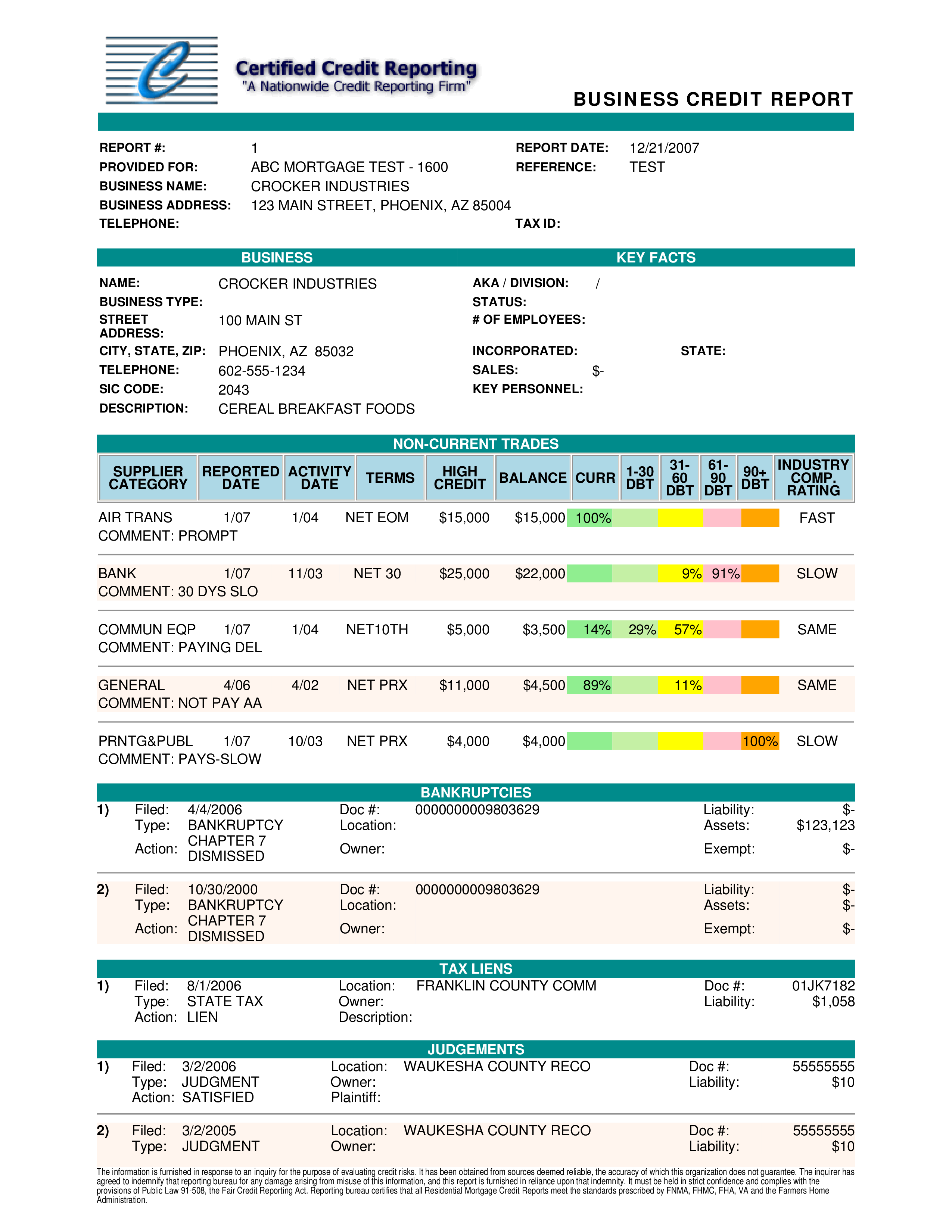
Once you have successfully accessed your report, it is essential to perform a comprehensive audit. The report is organized into several distinct sections. Reviewing these sections carefully can help you identify errors that may be negatively impacting your credit score.
- Personal Information: Verify that your name, address, and employment history are accurate. Address inaccuracies here are often the first sign of synthetic identity fraud.
- Account History: Look at every tradeline—the records of your credit accounts. Ensure the payment status, balance, and opening date reflect your actual activity.
- Inquiries: This section lists entities that have checked your report. Distinguish between "hard inquiries" (which occur when you apply for credit) and "soft inquiries" (which occur when you check your own score or when companies send pre-approved offers).
- Public Records: While major bureaus have limited the inclusion of civil judgments and tax liens, ensure that any remaining public data is legitimate.
Addressing Errors and Discrepancies
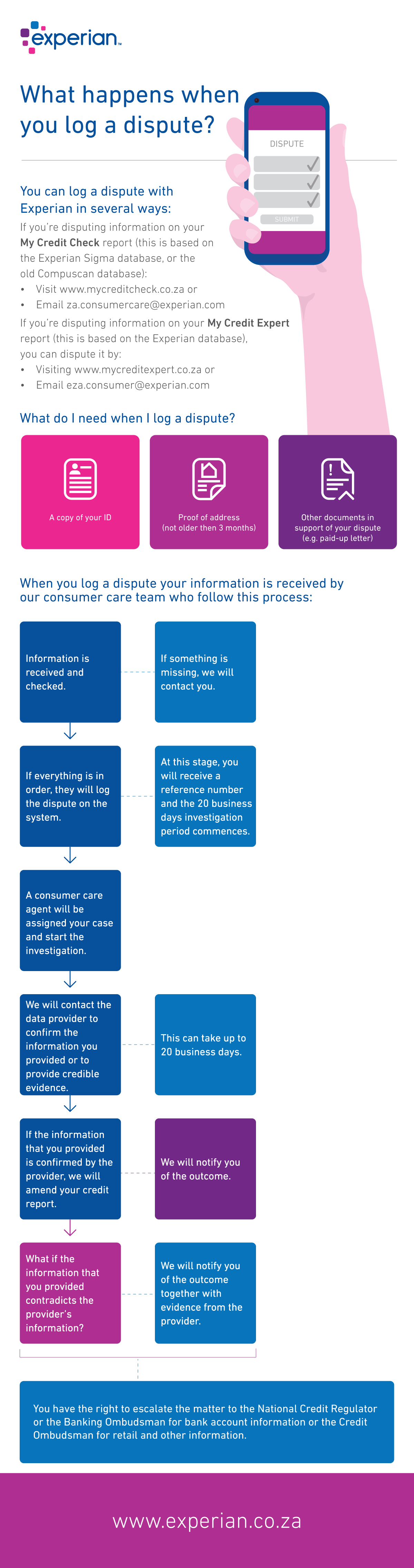
If you identify an error, you have a legal right to dispute it. Experian provides an online dispute portal where you can upload documentation to support your claim. When filing a dispute, be as specific as possible. Include the account number, the nature of the error, and any evidence (such as a bank statement or a letter of satisfaction) that supports your position.
The bureau generally has 30 to 45 days to investigate your dispute. During this time, they will contact the original creditor (the "data furnisher") to verify the information. If the furnisher cannot verify the accuracy of the data, the bureau must update or remove the information from your report.
Maintaining Financial Vigilance
Accessing your report once a year is a minimum standard. In an era of increasing digital vulnerability, many experts suggest a more frequent review cycle. While the law guarantees one free report per year via the official channels, you may consider checking your Experian file more often if you suspect fraud or if you are preparing for a major financial move, such as applying for a mortgage or a business loan.
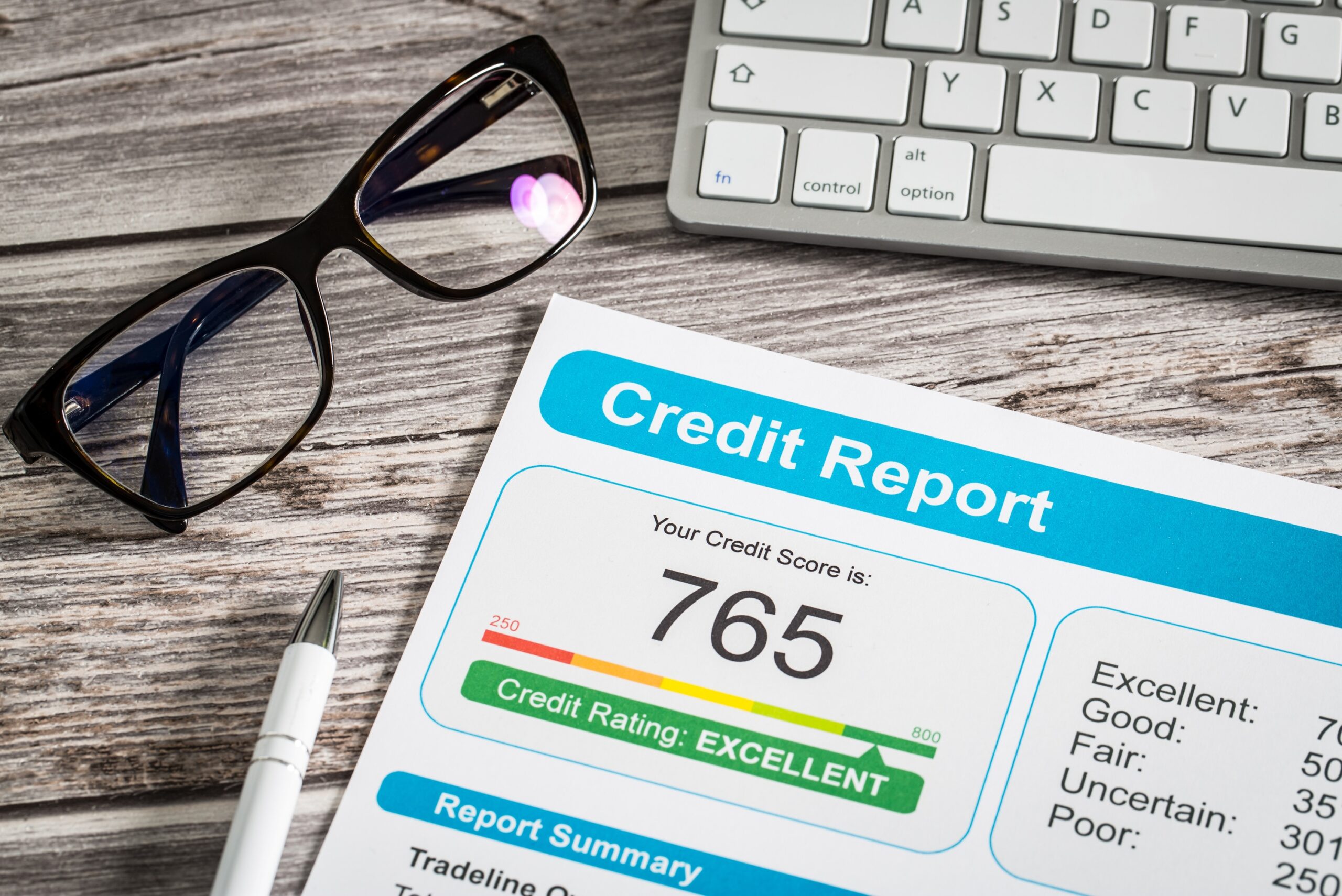
Furthermore, note that your credit report and your credit score are not identical. The report is the raw data used to calculate the score. If you find your score is lower than expected, the information within your Experian report—such as a high credit utilization ratio or missed payments—will provide the context needed to improve your financial standing.
Frequently Asked Questions
Does viewing my report lower my credit score? No. Checking your own credit report is considered a "soft inquiry" and has no impact on your credit score. You can check your report as often as you like without fear of penalty.
What should I do if I cannot verify my identity online? If the automated system cannot verify your identity, it is likely due to a lack of recent credit history or a mismatch in public records. In this case, you must request your report by mail, including copies of documents like a driver’s license or utility bill to prove your identity.
Are there fees associated with the report from Experian? Your basic annual report is free. If you are offered a "credit monitoring service" or a "credit lock" during the process, these are optional, subscription-based products. You are not required to purchase these to receive your free report.
How long does it take to receive a report by mail? Requests sent by mail are processed within 15 days of receipt. You should receive your report via U.S. mail shortly thereafter.
Can I get my score for free? While the FCRA mandates a free report (the data), it does not mandate a free credit score. However, many banking apps and credit card issuers provide the FICO score associated with your Experian report as a complimentary service to their customers.
What is the difference between Experian and the other bureaus? Experian, Equifax, and TransUnion are independent companies. They often receive different data from different creditors. It is common for your reports—and your scores—to vary slightly across the three agencies.
Final Next Action
Navigate to AnnualCreditReport.com to initiate your request. If you find any inaccuracies during your review, document them immediately and initiate the online dispute process through the Experian portal to protect your financial reputation.
Image Gallery