Understanding CPA Life Insurance Rates: A Guide for Certified Public Accountants
When evaluating life insurance, Certified Public Accountants (CPAs) often find that their premiums are influenced by a unique intersection of professional status, income volatility, and specialized risk profiles. Because CPAs are viewe...
When evaluating life insurance, Certified Public Accountants (CPAs) often find that their premiums are influenced by a unique intersection of professional status, income volatility, and specialized risk profiles. Because CPAs are viewed by underwriters as stable, low-risk professionals, they may qualify for preferred underwriting classes, though final rates depend heavily on individual health markers, age, and coverage requirements.
Contents
The Professional Profile and Insurance Underwriting
Insurance carriers evaluate applicants based on a variety of risk factors. As a CPA, your professional designation carries weight during the underwriting process. Actuarial data typically correlates higher education and stable, white-collar professions with longer life expectancy and lower hazardous activity participation.
However, professional status is only one of many variables. Underwriters primarily focus on "mortality risk"—the statistical probability of death during the policy term. For a CPA, the "professional" component of your rate calculation is often baked into the broad "Preferred" or "Super Preferred" risk classifications. These tiers represent the best possible pricing because the applicant demonstrates a high likelihood of maintaining a stable lifestyle.
Factors Influencing Your Premiums
While your CPA license may help you qualify for favorable tiers, it does not override biological and lifestyle realities. To understand why your specific quote is structured the way it is, you must look at the primary drivers of premium cost:
- Age at Issue: This is the most significant factor. Because the probability of mortality increases annually, purchasing a policy at age 35 is substantially cheaper than at age 50 for the same coverage amount.
- Health and Medical History: Carriers mandate a medical examination (or review of electronic health records) to assess cholesterol levels, blood pressure, BMI, and glucose levels. Any pre-existing conditions or family history of significant illness can shift you from a "Preferred" tier to a "Standard" or "Substandard" (rated) tier.
- Tobacco Usage: This remains the single largest "non-medical" differentiator. Non-smokers typically pay significantly less than smokers, often by a factor of two or three, due to the high correlation between tobacco use and life-shortening health complications.
- Coverage Amount (Death Benefit): Higher face values increase the total risk to the insurer, resulting in higher premiums.
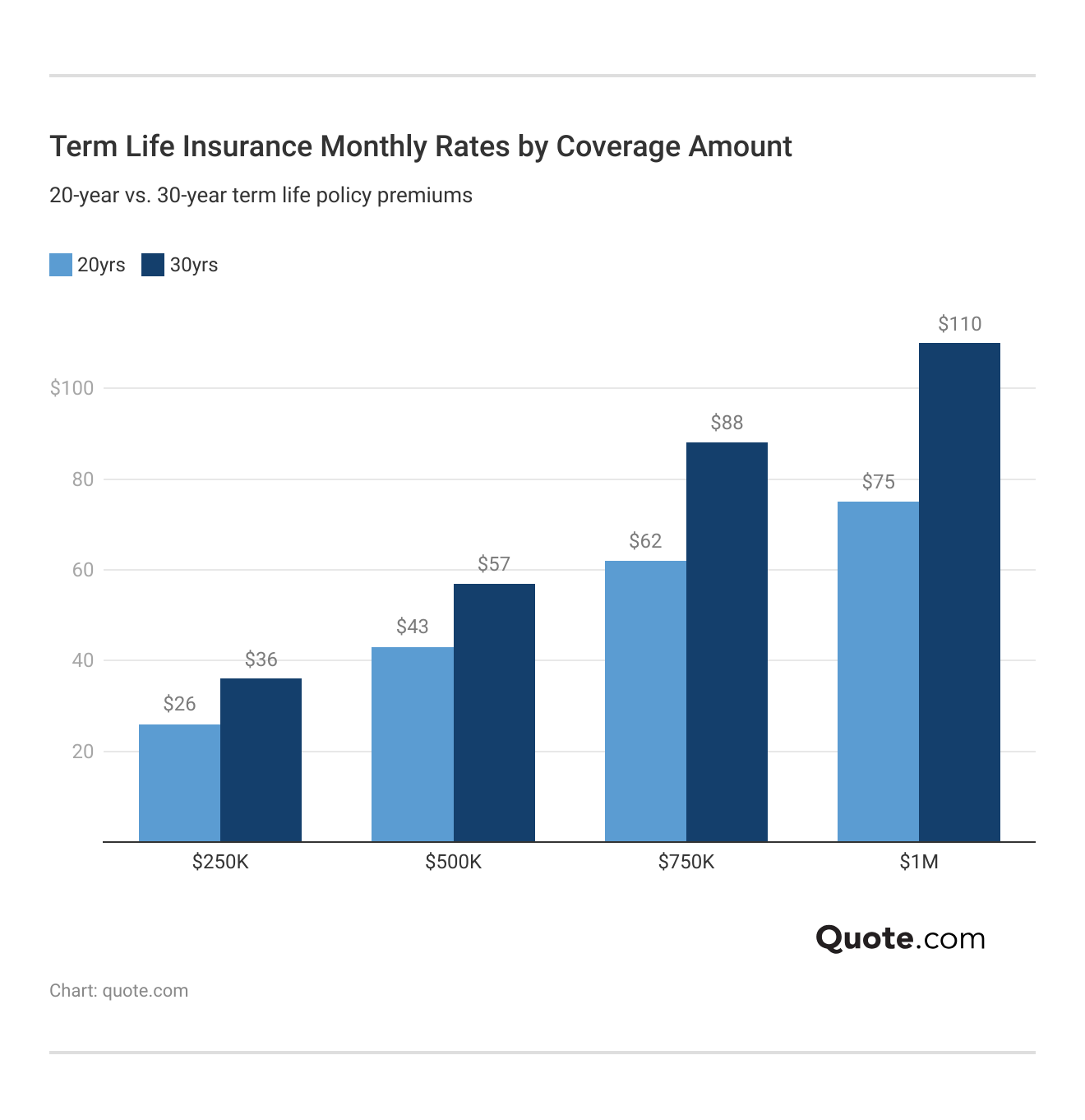
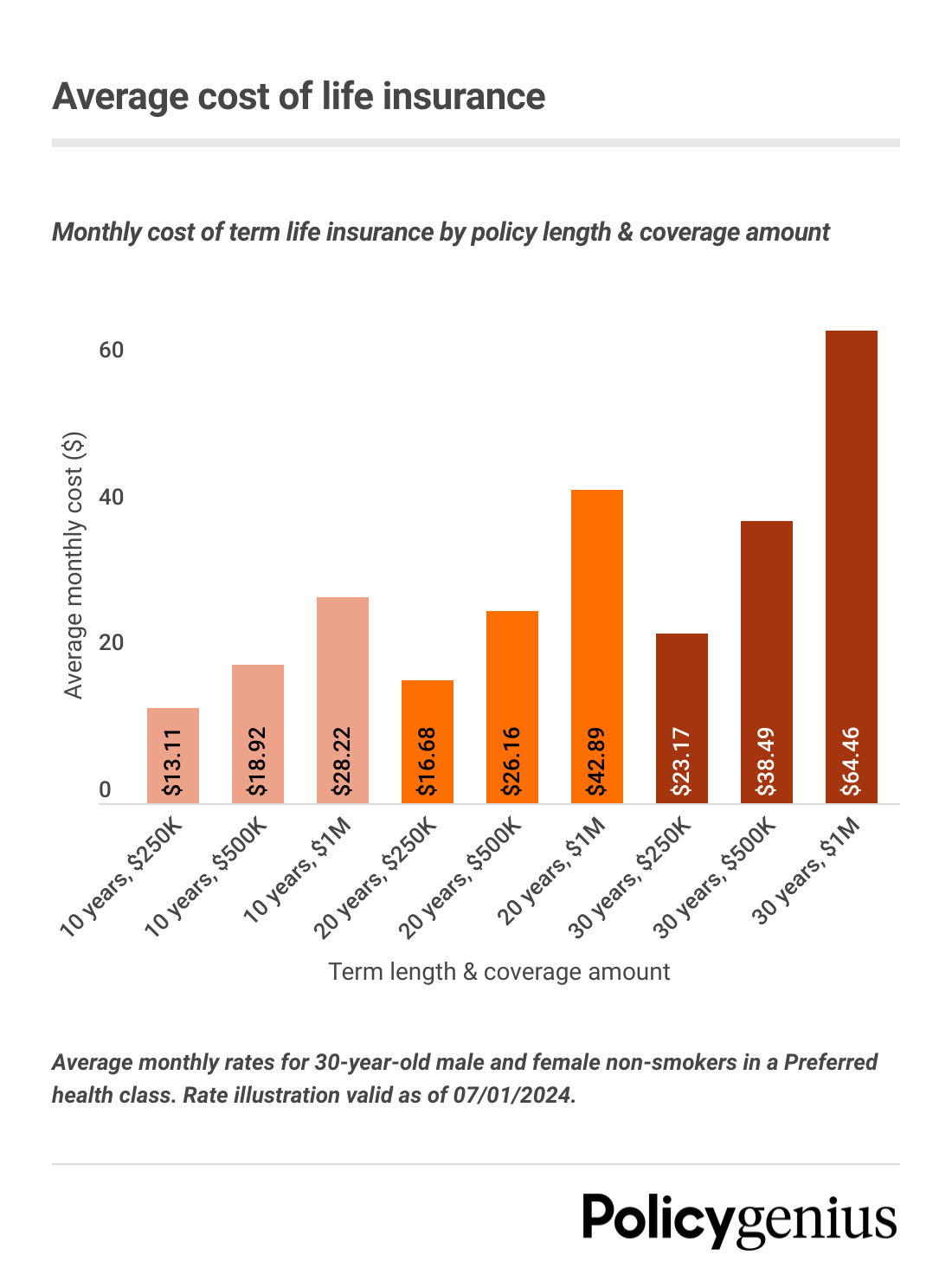
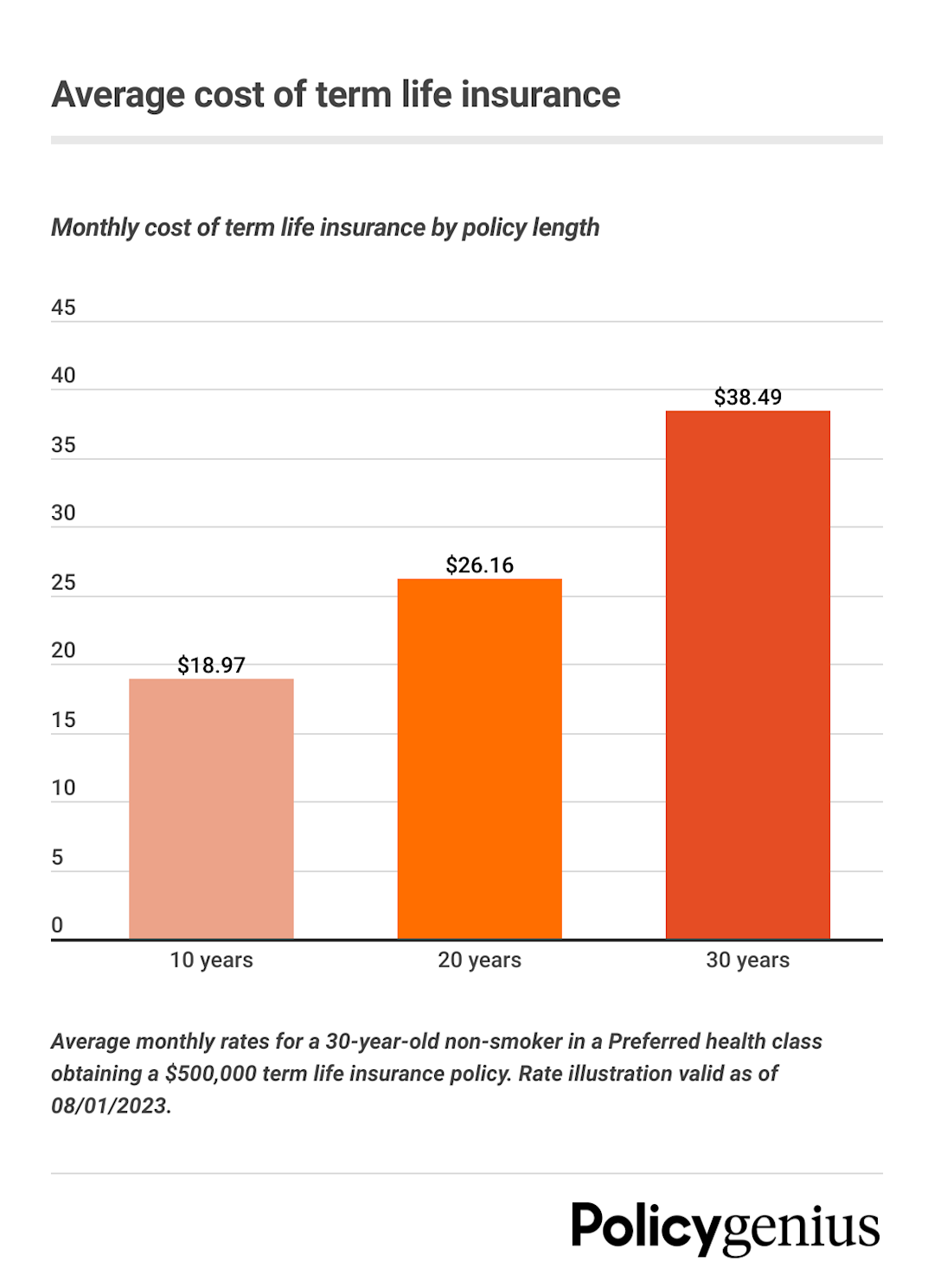
- Policy Duration (Term): For term life insurance, the length of the guarantee matters. A 30-year term policy will have a higher annual premium than a 10-year term policy because the insurer is on the hook for a longer, riskier duration.
Term vs. Permanent Insurance for CPAs
CPAs, who often provide tax and estate planning advice to clients, are uniquely positioned to understand the structural differences between policy types. Choosing the wrong structure is the most common reason for dissatisfaction with insurance rates.
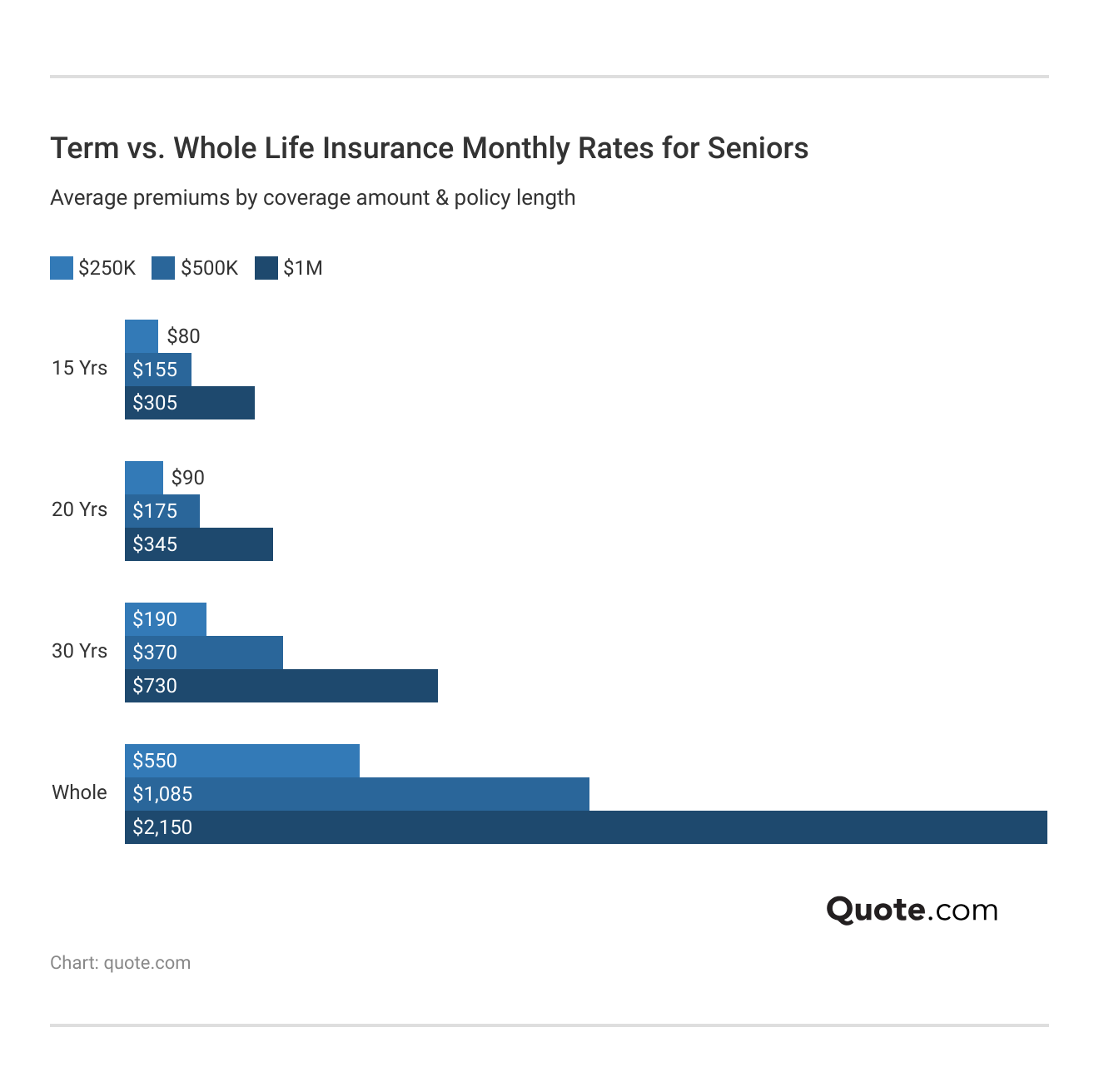
- Term Life Insurance: Provides coverage for a specific period (e.g., 10, 20, or 30 years). This is the most cost-effective option for income replacement and covering debt obligations like mortgages. If the term expires, the coverage ends.
- Permanent Life Insurance (Whole or Universal): Provides lifelong coverage and includes a cash-value accumulation component. While the premiums are significantly higher than term insurance, they remain level for the duration of the policy. For a CPA, this may be considered for wealth transfer or tax-advantaged estate planning strategies, but it is rarely the optimal choice for pure income protection.
Comparative Analysis of Insurance Tiers
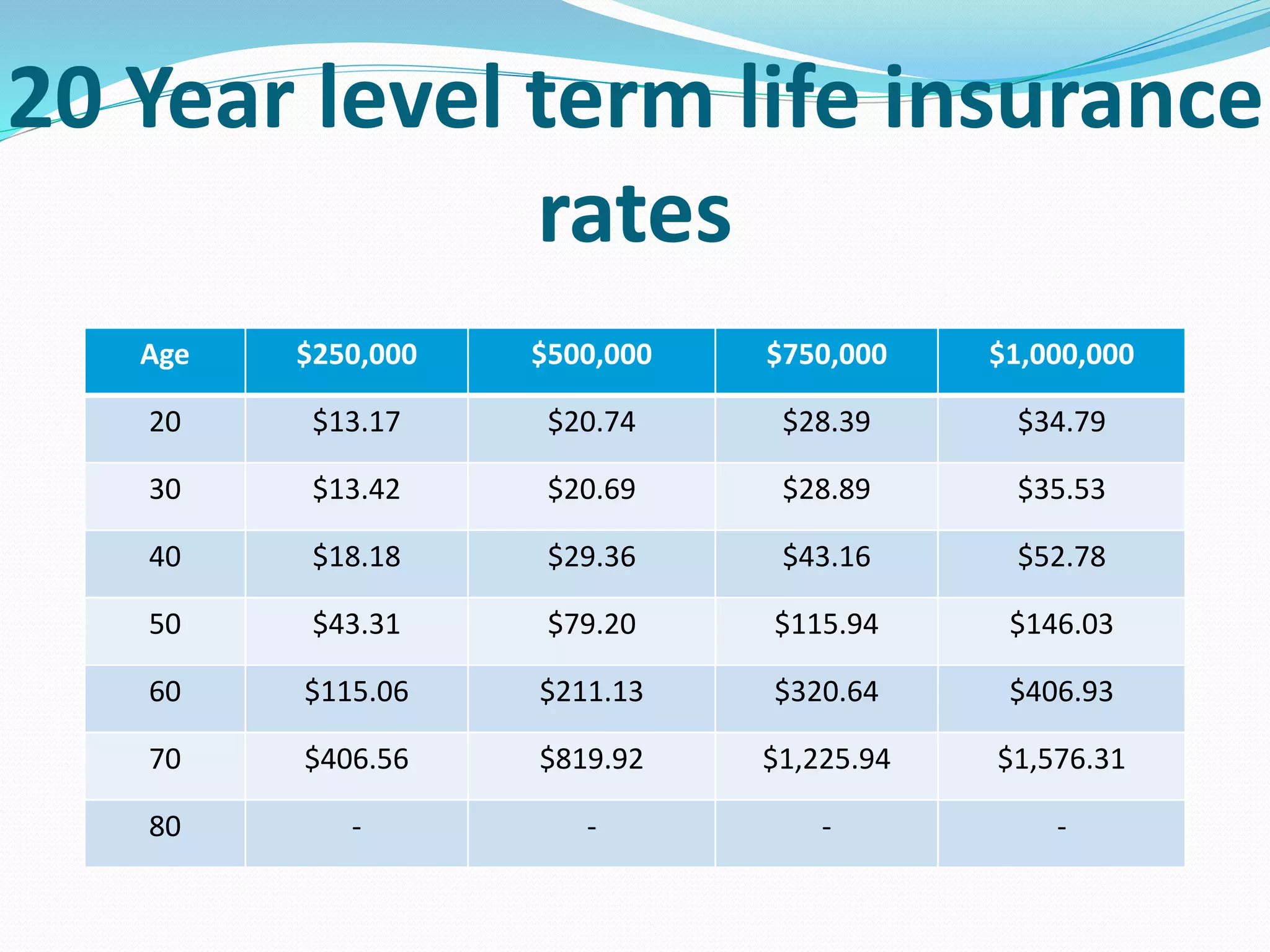
The following table demonstrates how risk classification significantly impacts the annual premium for a hypothetical $1,000,000 20-year term policy for a 40-year-old non-smoker.
| Risk Class | Health/Lifestyle Criteria | Relative Premium |
|---|---|---|
| Super Preferred | Excellent health, no history of chronic issues | Baseline (Lowest) |
| Preferred | Good health, minor manageable conditions | +10% to 20% |
| Standard Plus | Average health for age group | +25% to 40% |
| Standard | Minor health concerns, standard BMI | +50% to 75% |
| Substandard (Rated) | Chronic health issues or high-risk history | +100%+ |
Note: The percentages above are estimates based on standard industry pricing models. Actual rates vary significantly by carrier.
Leveraging Your Financial Literacy in the Application Process
As a professional in the financial sector, you have a distinct advantage: you are better equipped to review policy illustrations. When you receive quotes, do not look only at the premium. Demand to see the "Policy Illustration," which outlines the internal costs of insurance, administrative fees, and, in the case of permanent insurance, projected cash value growth.
Common mistakes include:
- Under-insuring: Relying on employer-provided group term life insurance. These policies are often tied to employment; if you change firms or face a health crisis while unemployed, you may lose your coverage or face significantly higher rates to obtain individual coverage later.
- Failing to "Ladder": Using multiple smaller term policies with different expiration dates to match your diminishing liabilities (e.g., paying off the mortgage, children graduating college).
- Ignoring the "Conversion Option": Many term policies allow you to convert to a permanent policy without additional medical underwriting. This is a critical safety net if you develop health issues during your term.
Addressing Health Requirements
In 2026, many carriers have adopted "accelerated underwriting" for qualified applicants. This process uses algorithms and third-party data—such as MIB (Medical Information Bureau) reports and prescription drug history—to approve policies without a physical paramedical exam.
If you are a healthy CPA, inquire about "no-exam" or "accelerated" options. These can save significant time, though they may have lower maximum face-value limits compared to fully underwritten policies. If your health profile is less than perfect, a traditional, fully underwritten policy is often better, as a medical exam allows you to provide context to the insurer that automated systems might ignore.
Frequently Asked Questions
Does being a CPA lower my life insurance rates? Directly, no. There is no "CPA discount" in the industry. However, your occupation suggests a stable lifestyle and higher socioeconomic status, which act as proxies for lower risk in many underwriting models, helping you secure "Preferred" rates more easily than those in high-risk manual labor professions.
Should I rely on my firm’s group life insurance? Group policies are excellent supplementary benefits, but they are rarely sufficient for comprehensive protection. Because they are often limited to a multiple of your salary (e.g., 1x or 2x), they do not account for your specific debt, children's education costs, or future income potential. Furthermore, you do not own the policy, meaning your coverage is subject to firm changes.
How does my income level impact my rates? Your income does not increase your mortality risk, but it does dictate the maximum amount of coverage (the face value) an insurer will allow you to purchase. Insurers use "financial underwriting" to ensure you are not buying more insurance than your economic contribution justifies, which prevents potential moral hazard.
What is a "rated" policy? A rated policy occurs when an insurer assigns a higher premium to an applicant due to health, lifestyle, or hazardous hobbies. If you receive a rated offer, it indicates the insurer perceives a higher-than-average mortality risk. You have the right to request a "reconsideration" if you improve your health (e.g., quitting smoking or lowering cholesterol) after the policy is issued.
Are life insurance premiums tax-deductible? Generally, no. For individuals, life insurance premiums are paid with after-tax dollars. However, the death benefit is usually received by beneficiaries free of federal income tax. Always consult with your own tax practice or a specialist regarding the nuances of corporate-owned life insurance (COLI) or split-dollar arrangements.
Next Steps for Your Financial Strategy
If you are currently evaluating your coverage, the first step is to conduct a professional "need analysis." Calculate your total liabilities, future income requirements, and existing assets. Once you have a clear figure, request quotes from at least three different highly rated carriers. Use a licensed independent broker who can navigate different medical underwriting guidelines, as each carrier weighs certain health issues differently. Ensure that any policy you choose includes a guaranteed renewability clause and, if appropriate, a conversion privilege.
Disclaimer: This information is for educational purposes and does not constitute financial, tax, or legal advice. Insurance products are subject to regulatory approval and individual underwriting outcomes. Consult with a qualified insurance professional and your tax advisor regarding your specific situation.
Image Gallery