How to Install a Bird Fountain Solar Panel for Sustainable Water Features
Installing a solar-powered bird fountain is a straightforward process that converts direct sunlight into kinetic energy to circulate water. By placing the solar panel in an area with maximum light exposure and connecting it securely to...
Installing a solar-powered bird fountain is a straightforward process that converts direct sunlight into kinetic energy to circulate water. By placing the solar panel in an area with maximum light exposure and connecting it securely to the water pump, you create an eco-friendly, low-maintenance feature that attracts local bird species without needing grid electricity.
Contents
Understanding Solar-Powered Water Systems
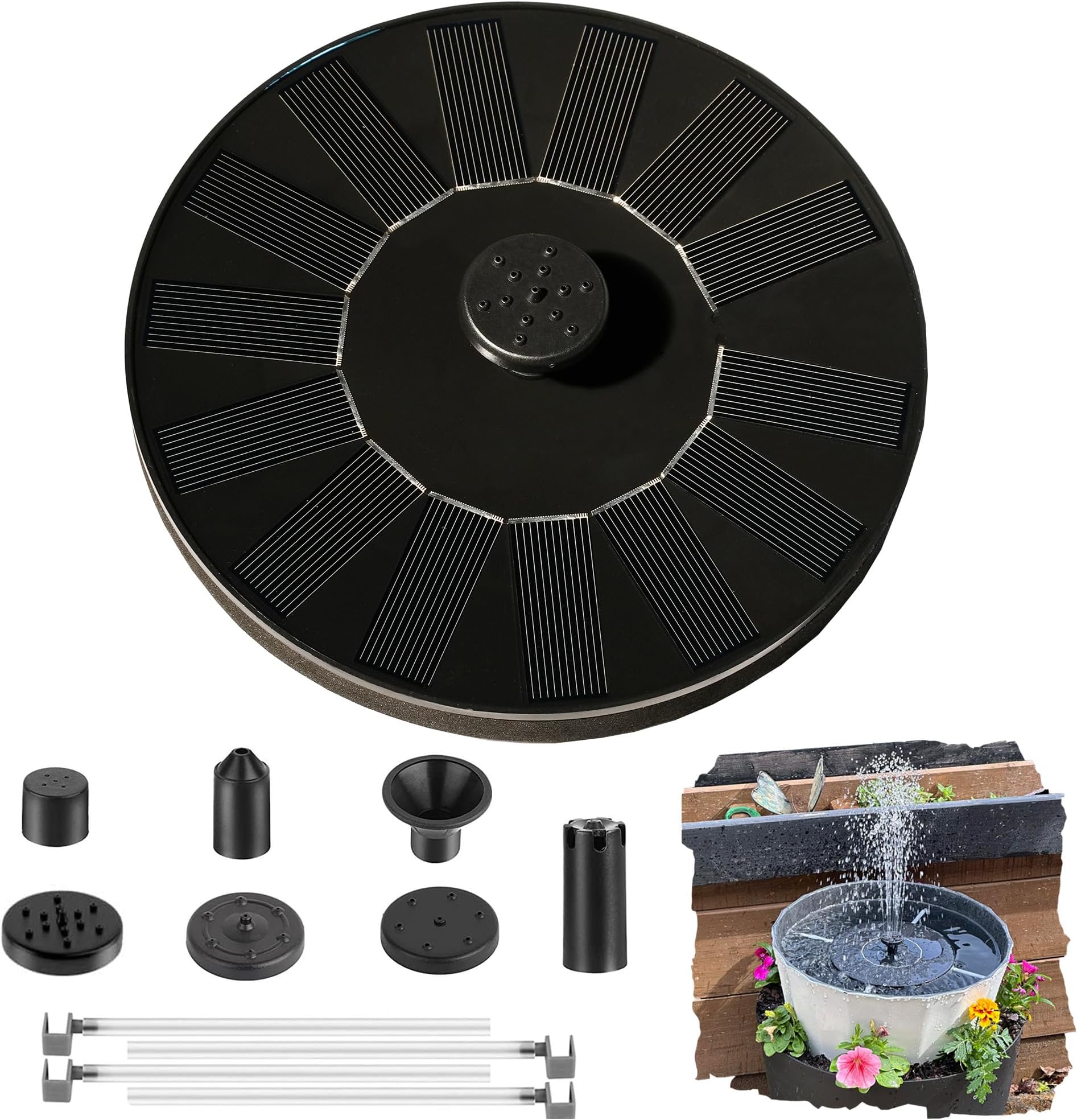
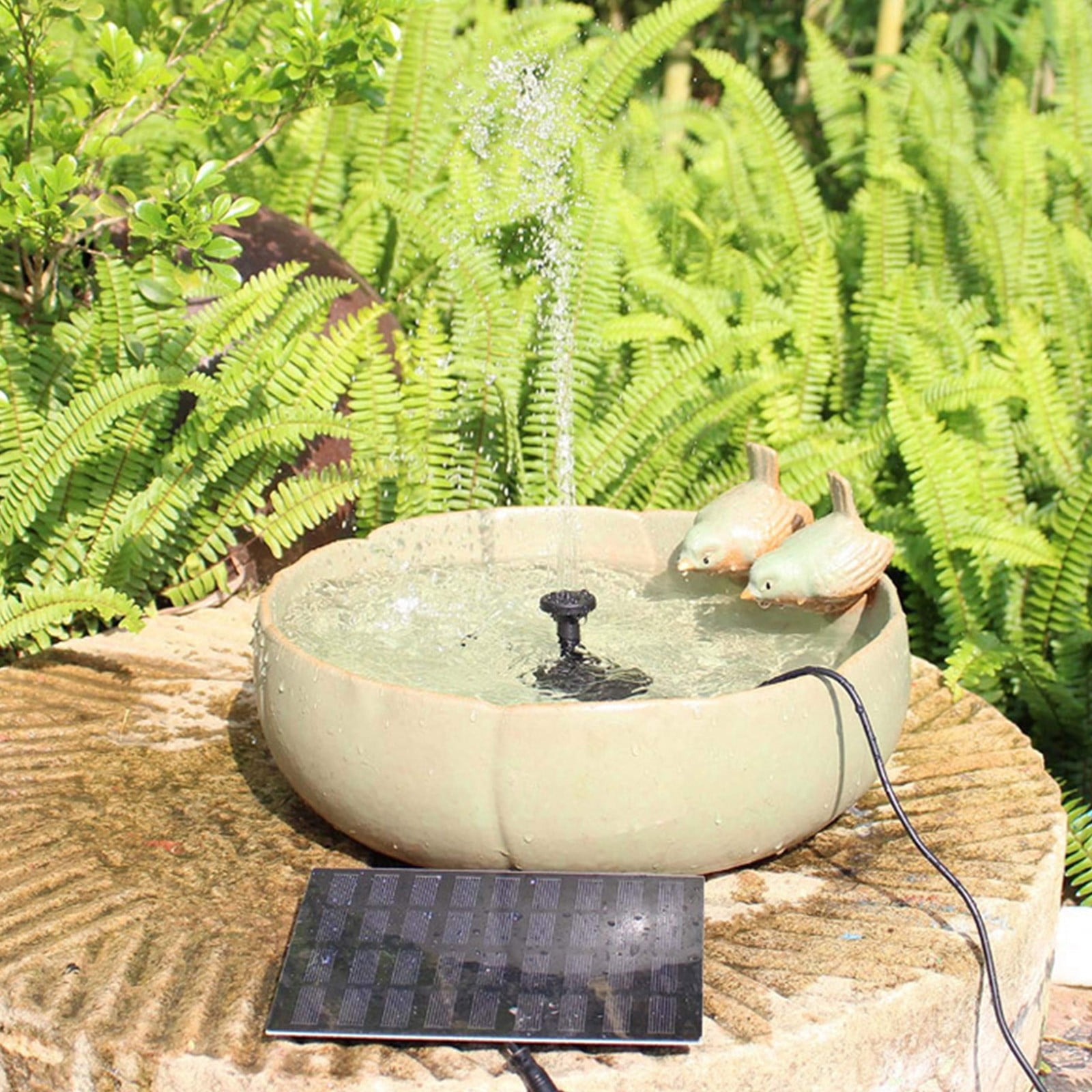
A solar bird fountain consists of three primary components: the solar photovoltaic (PV) panel, the submersible water pump, and the nozzle attachments. The panel acts as the power source, capturing sunlight and converting it into DC electricity, which the pump uses to move water from the basin through a decorative fountain head.
In 2026, many entry-level kits offer "plug-and-play" functionality. However, the efficiency of these systems depends entirely on the orientation and placement of the panel. Unlike traditional fountains, solar models do not store energy unless they feature an integrated battery backup. Understanding this distinction is vital for setting expectations regarding operation during cloudy weather or evening hours.
Prerequisites for Installation
Before starting, assess your location. Solar fountains require consistent, unobstructed sunlight. Shading from trees, eaves, or structures will significantly reduce the voltage output of the panel, causing the fountain to stutter or stop completely.
- Site Selection: Choose a flat, stable surface for the bird fountain basin that is within the cable reach of a sunny spot for the panel.
- Water Source: Ensure the location has easy access to a garden hose or water source for refilling, as evaporation rates increase in direct sunlight.
- Tools: Most kits are tool-free, but you may need a small stake to secure the solar panel into the ground or a bracket if you intend to mount it on a fence or deck rail.
Step-by-Step Installation Process
1. Preparing the Fountain Basin
Clean the bird fountain basin thoroughly before filling it with water. Debris, algae, or manufacturing dust can clog the intake valve of a small solar pump. Fill the basin with water until the pump is completely submerged. Solar pumps are typically "wet-rotor" designs, meaning they rely on the water itself for lubrication; running a pump dry for even a short period can cause permanent motor failure.
2. Installing the Pump and Nozzle
Attach your chosen nozzle to the pump’s output port. Most kits include a variety of spray patterns, such as bubblers, showers, or jets. Ensure the connection is airtight to maximize pressure. Place the pump at the bottom of the fountain, ideally using the integrated suction cups to anchor it. If the basin surface is uneven, you may need to place the pump on a flat stone or a small ceramic tile to ensure it stays level.
3. Positioning the Solar Panel
Connect the pump cable to the solar panel output. This is usually a waterproof, threaded jack connection. Once connected, mount the solar panel. If your kit includes a ground stake, position it so the panel faces true south (in the Northern Hemisphere) at an angle that maximizes direct exposure. If using a wall-mount kit, ensure the panel is tilted slightly downward to allow rain to shed off the surface, preventing mineral buildup.
4. Verification and Testing
Once connected, the fountain should begin to move water immediately if the panel is in direct sunlight. If the water flow is weak or intermittent, check the following:
- Air Bubbles: Shake the pump gently underwater to dislodge trapped air.
- Filter Obstruction: Ensure the intake sponge or plastic screen is clear of debris.
- Cable Integrity: Verify that the cable connection is fully seated and not pinched under the basin.
Comparison of Solar Fountain Configurations
| Feature Type | Basic Direct-Drive | Battery-Backed System | High-Capacity Panel |
|---|---|---|---|
| Operation | Sunlight only | Day and night | Constant flow |
| Complexity | Minimal | Moderate | High |
| Best Use | Simple bird baths | Garden features | Large fountains |
| Cost Range | Low | Medium | High |
Maintenance and Long-Term Care
To ensure longevity, perform monthly maintenance. The solar panel surface should be wiped down with a soft, damp cloth to remove dust, pollen, and bird droppings. Even a thin layer of grime can reduce efficiency by 20% or more.
In colder climates, you must remove the fountain during winter months. When temperatures drop below freezing, the water inside the pump housing can expand, cracking the plastic casing and destroying the internal magnets. Drain the basin, clean the pump, and store all electronic components in a dry, temperate environment until spring.
Troubleshooting Common Issues
- The fountain runs, but the spray is weak: Check the pump’s flow control slider. Most pumps have a dial on the front that adjusts the intake flow; it may have been knocked to a restricted position during installation.
- The pump makes a rattling noise: This often indicates the impeller is hitting debris. Remove the front casing of the pump and rinse the impeller chamber with clean water.
- The unit stopped working after a year: Check the electrical contacts on the connector cable. Corrosion can occur if the connection is frequently exposed to standing water. A light cleaning with a contact cleaner or fine sandpaper can restore the connection.
Frequently Asked Questions
Does a solar bird fountain require sunlight all day? Yes, for direct-drive models. If a cloud passes over the sun, the pump will immediately slow down or stop. If you require continuous operation, you must invest in a system that includes a lithium-ion battery buffer to store power.
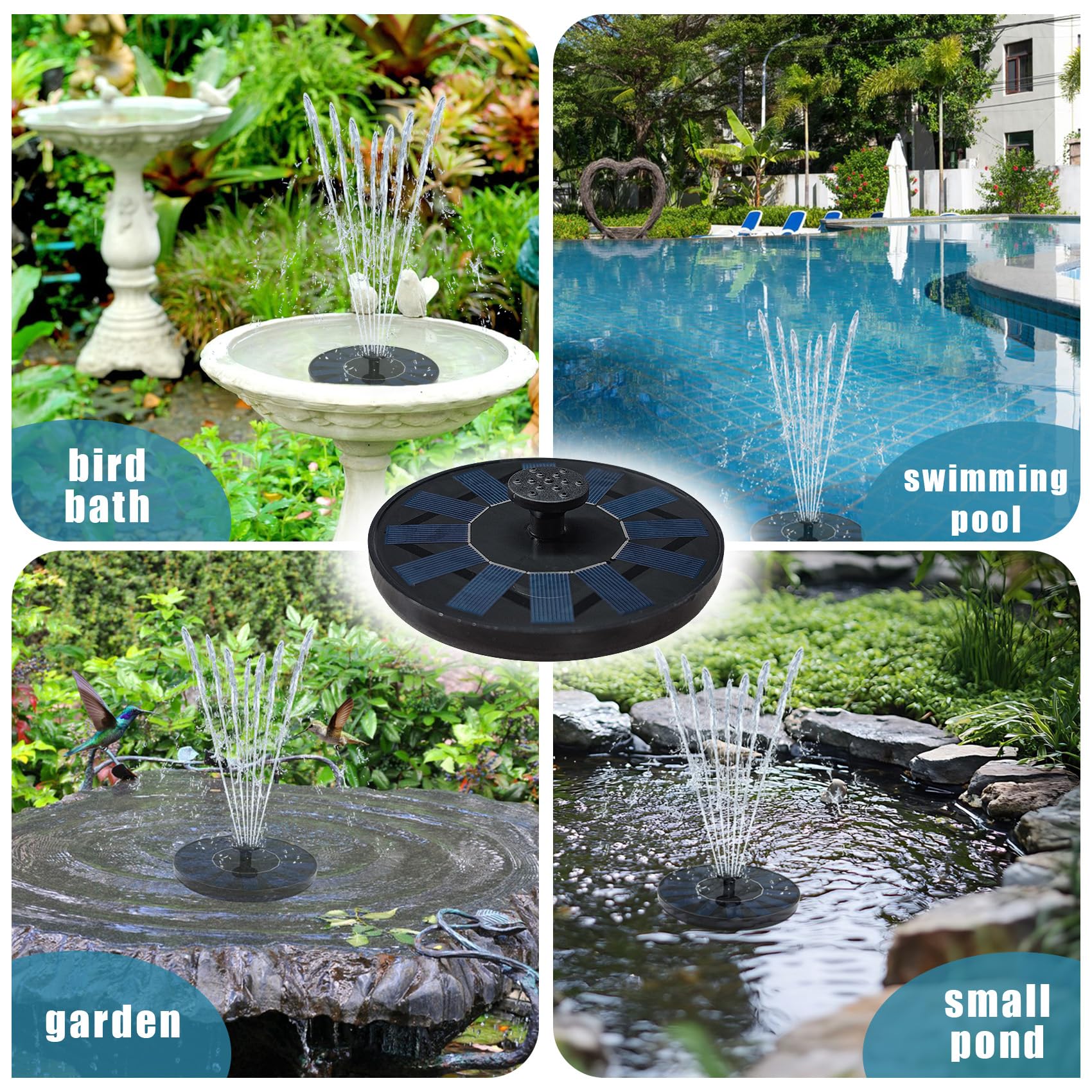
Can I use a solar fountain in a bird bath that is not solar-ready? Absolutely. You can purchase universal solar pump kits that include a long cable, a panel, and a generic nozzle set. These can be retrofitted into any existing ceramic, stone, or plastic bird bath.
How deep should the water be for the pump? Most pumps require at least two inches of water to function correctly. If the basin is too deep, place the pump on a brick or flat stone to raise it, ensuring the nozzle remains above the water line while the intake remains submerged.
Are solar bird fountains safe for birds? Yes. These systems move small volumes of water, creating a ripple or gentle spray that is safe for birds of all sizes. The low-voltage DC current is completely isolated from the water, posing no electrical risk to wildlife.
Next Steps
Once your solar fountain is operational, monitor it for one week. Ensure that the water level remains consistent and that the panel orientation is optimized for your yard's specific sun path. If you notice birds struggling to perch near the nozzle, consider adding a few submerged river stones near the center to provide a shallow "staging area" for smaller birds to drink safely.
Image Gallery