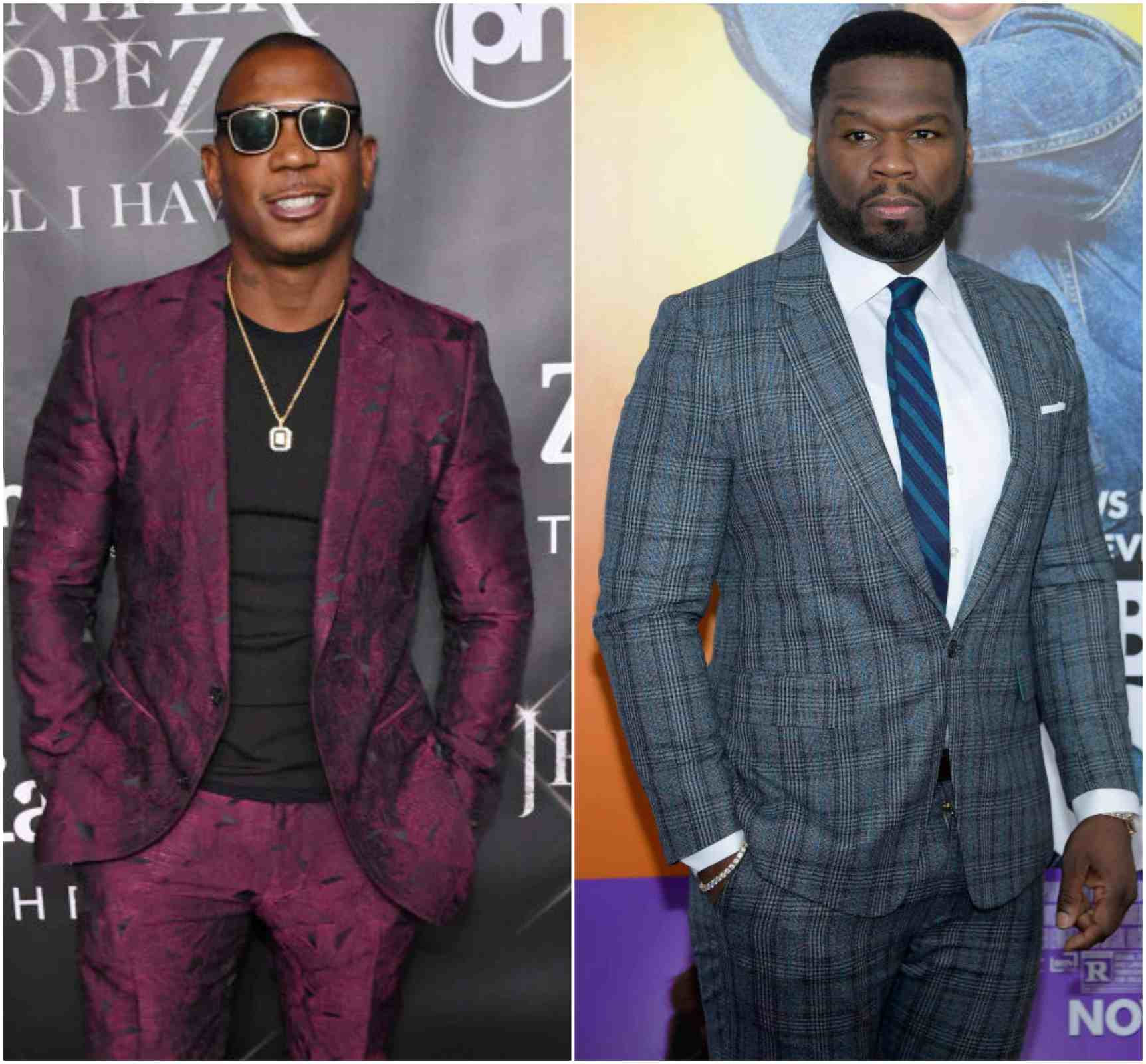
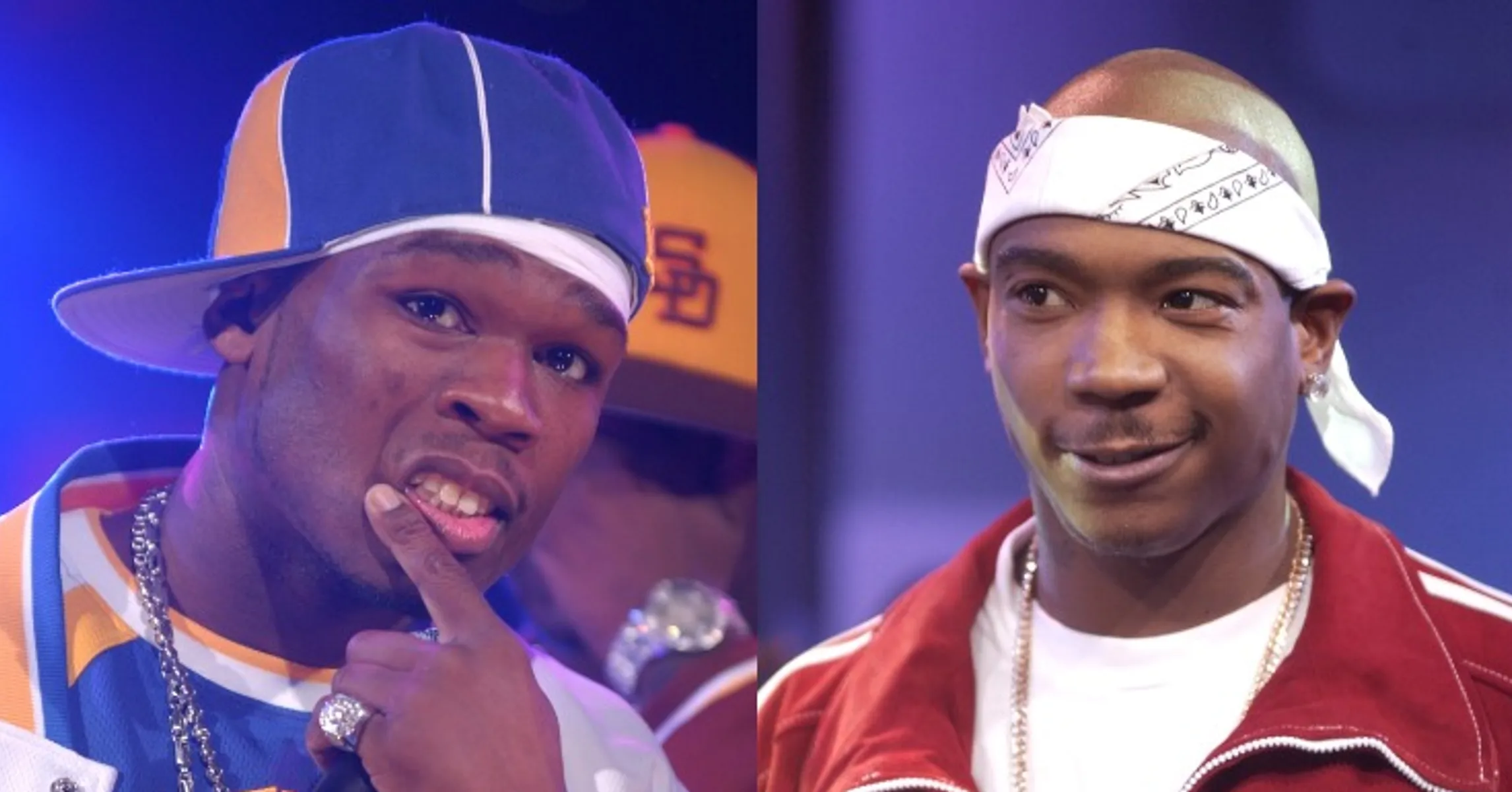
An Overview of the Ja Rule and 50 Cent Beef: Origins, Escalation, and Legacy
The Ja Rule and 50 Cent feud stands as one of the most defining and bitter rivalries in the history of hip-hop. Spanning more than two decades, the conflict began in the late 1990s as a territorial dispute in Queens, New York, before e...
The Ja Rule and 50 Cent feud stands as one of the most defining and bitter rivalries in the history of hip-hop. Spanning more than two decades, the conflict began in the late 1990s as a territorial dispute in Queens, New York, before escalating into physical altercations, label wars, and career-altering consequences that reshaped the landscape of East Coast rap.
Contents
The Roots of the Conflict in Queens
The animosity between Jeffrey "Ja Rule" Atkins and Curtis "50 Cent" Jackson did not originate in the boardroom or over a stray lyric; it was deeply rooted in the streets of Queens, New York. During the late 1990s, Ja Rule was rising to prominence as a core member of Murder Inc. Records, alongside label head Irv Gotti. Around the same time, 50 Cent was an independent underground rapper operating out of the South Jamaica neighborhood, trying to secure a mainstream breakthrough.
The tension initially ignited following a robbery at a clothing store in Queens, where associates of Ja Rule allegedly stole a jewelry chain from 50 Cent. While street robberies and neighborhood rivalries are common in the rougher corners of the music industry, this incident served as the psychological spark for a much larger war. 50 Cent felt disrespected and marginalized by the rising success of Murder Inc., who he believed were capturing the commercial spotlight that he felt belonged to him or, at the least, operating with impunity in his territory.
As Ja Rule achieved multi-platinum success with albums like Rule 3:32 and Pain Is Love, 50 Cent began recording scathing underground tracks that directly targeted Ja Rule and his Murder Inc. crew. 50 Cent accused Ja Rule of attempting to mimic Tupac Shakur's lifestyle and musical style while allegedly cooperating with law enforcement or maintaining a soft image behind his tough-guy persona. These early diss tracks circulated heavily through mixtape circuits in New York City, drawing the attention of major record labels and setting the stage for a national confrontation.
Escalation, Physical Altercations, and Label Warfare
By the early 2000s, the verbal sparring spilled over into real-world violence. The most infamous physical confrontation occurred in March 2000 at the Hit Factory recording studios in midtown Manhattan. During a session, a physical altercation broke out between 50 Cent and members of the Murder Inc. entourage, resulting in 50 Cent being stabbed in the hand and receiving a facial laceration that left a permanent scar.
Following the incident, law enforcement briefly intervened, and the tension intensified. 50 Cent was subsequently dropped by Columbia Records before he could release his planned debut album, Power of the Dollar. Industry insiders and 50 Cent himself frequently alleged that Murder Inc. and their powerful industry connections actively blackballed him, making it difficult for him to secure another major-label deal in New York City.
| Timeline Milestone | Key Event |
|---|---|
| Late 1990s | Initial neighborhood tensions and jewelry robbery in Queens. |
| March 2000 | Stabbing incident involving 50 Cent at the Hit Factory. |
| 2002 | 50 Cent signs with Eminem and Dr. Dre; releases "Guess Who's Back". |
| 2003 | Release of 50 Cent's "Get Rich or Die Tryin'"; apex of beef. |
| Mid-2000s to Present | Ongoing social media trolling and public jabs. |
Unable to secure a traditional New York deal, 50 Cent shifted his strategy to the mixtape market, flooding the streets with aggressive, direct attacks on Ja Rule, Irv Gotti, and the entire Murder Inc. roster. Songs like "Wanksta" caught the attention of Eminem, who played a mixtape for Dr. Dre. This led to a joint record deal with Shady Records and Aftermath Entertainment in 2002, instantly propelling 50 Cent to global stardom.
The Commercial Reversal of Fortune
The release of 50 Cent’s major-label debut, Get Rich or Die Tryin' (2003), marked a dramatic shift in the power dynamics of the hip-hop industry. Supported by massive hit singles like "In Da Club," the album debuted at number one on the Billboard 200 and sold millions of copies worldwide. Armed with the backing of Eminem and Dr. Dre, 50 Cent used his newfound platform to relentlessly target Ja Rule on a national stage.
Conversely, Ja Rule’s career began to face severe headwinds. Murder Inc. Records became the target of a high-profile federal money-laundering investigation led by the federal government, which scrutinized the label's financial ties and alleged associations with supreme drug kingpins like Kenneth "Supreme" McGriff. Although Ja Rule was never convicted of the most serious charges, the federal raids, negative publicity, and relentless media campaign waged by 50 Cent severely damaged Murder Inc.’s commercial viability.
Furthermore, hip-hop audiences quickly shifted their preference toward 50 Cent's gritty, hardcore gangsta rap persona, viewing Ja Rule's melodic, pop-infused rap-and-sing style as increasingly dated. Albums released by Ja Rule during this period struggled to match the commercial heights of his earlier work, leading to a bitter downward spiral for the label.
Modern-Day Resurgence and Trolling
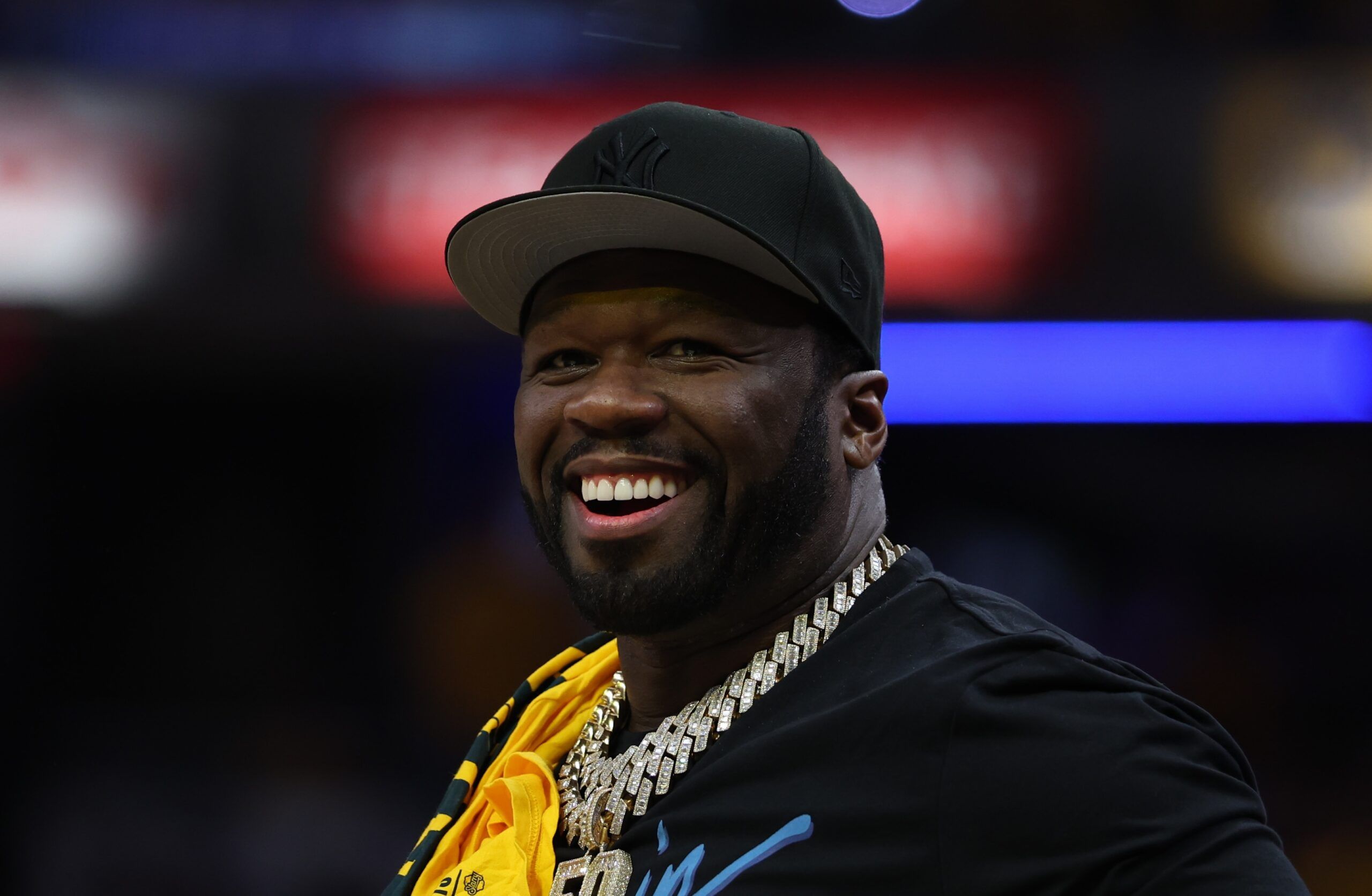
Even decades after the height of the physical and musical conflict, the feud has never truly died; rather, it transitioned into the digital age. 50 Cent became well-known for his active social media presence, frequently using platforms like Instagram and X (formerly Twitter) to mock Ja Rule decades later.
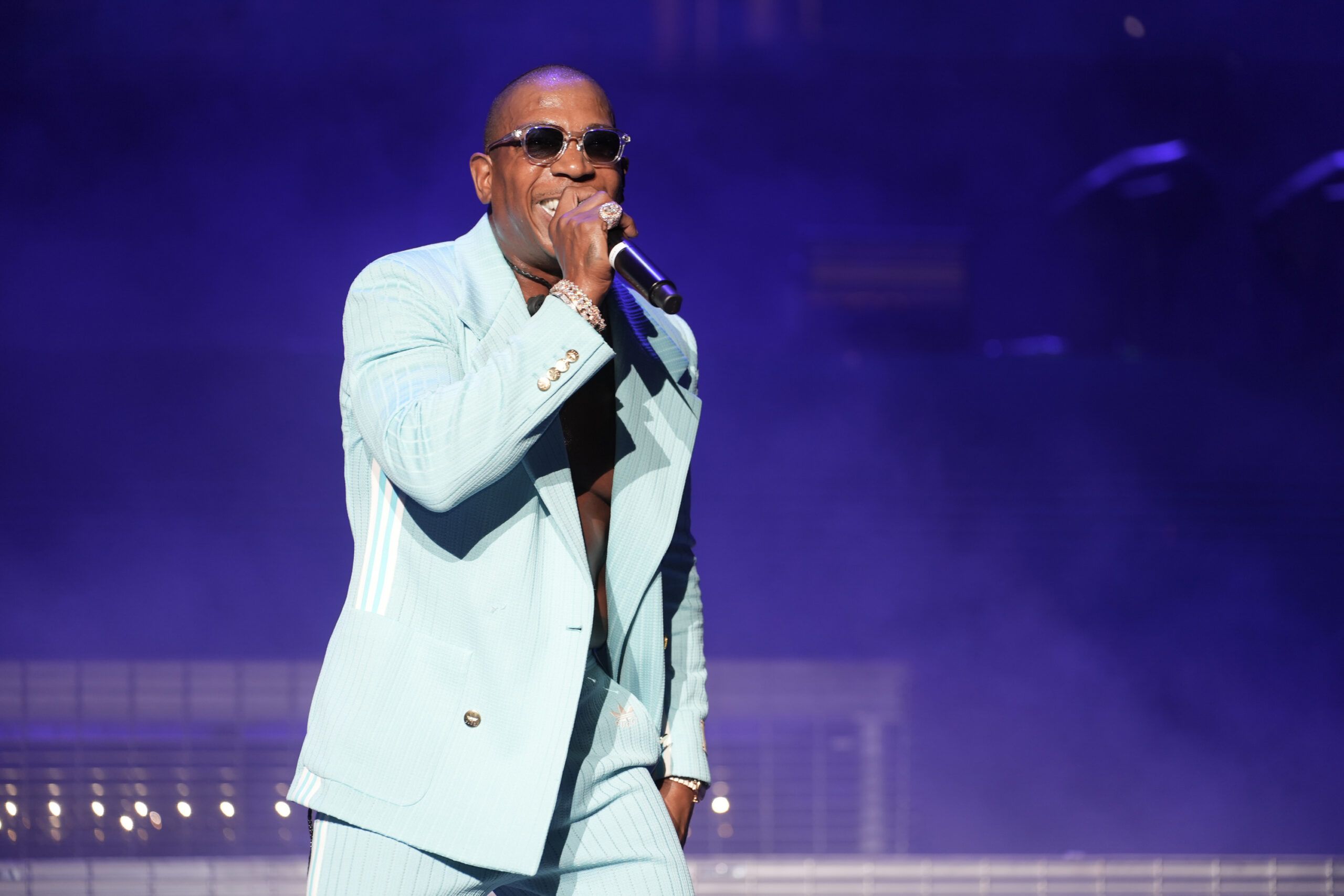
Notable instances of 50 Cent's digital trolling include purchasing hundreds of front-row tickets to a Ja Rule concert just to leave the seats empty, mocking Ja Rule's involvement in the disastrous Fyre Festival, and posting sarcastic commentary whenever Ja Rule makes public appearances. Ja Rule has occasionally responded, sometimes attempting to defuse the situation or firing back with accusations of obsession, but the internet-era dynamic has largely solidified 50 Cent's role as the persistent instigator of the ongoing joke.
Frequently Asked Questions
What caused the Ja Rule and 50 Cent beef?
The beef began as a localized territorial dispute in Queens, New York, during the late 1990s, catalyzed by a jewelry robbery and fueled by competition for commercial dominance and industry recognition.
Did the beef turn physical?
Yes. The most severe physical altercation occurred in March 2000 at the Hit Factory recording studio in Manhattan, where 50 Cent was stabbed during a confrontation with members of Ja Rule's entourage.
How did Eminem and Dr. Dre affect the feud?
By signing 50 Cent to Shady Records and Aftermath Entertainment in 2002, Eminem and Dr. Dre provided him with the mainstream platform, financial backing, and distribution network needed to overpower Murder Inc. commercially.
Are Ja Rule and 50 Cent still fighting today?
While there is no active physical violence or musical diss tracks being released, 50 Cent periodically taunts Ja Rule on social media, keeping the cultural memory of the feud alive.
Conclusion and Final Perspective
The rivalry between Ja Rule and 50 Cent remains a classic study in how personal animosity, geographic pride, and shifting industry alliances can shape the trajectory of popular music. While 50 Cent successfully leveraged the conflict into a massive entertainment empire encompassing television production, business ventures, and music, Ja Rule faced immense commercial and legal hurdles that stalled his career momentum. Today, the beef survives primarily as a piece of hip-hop lore and a masterclass in modern social media trolling.
Image Gallery