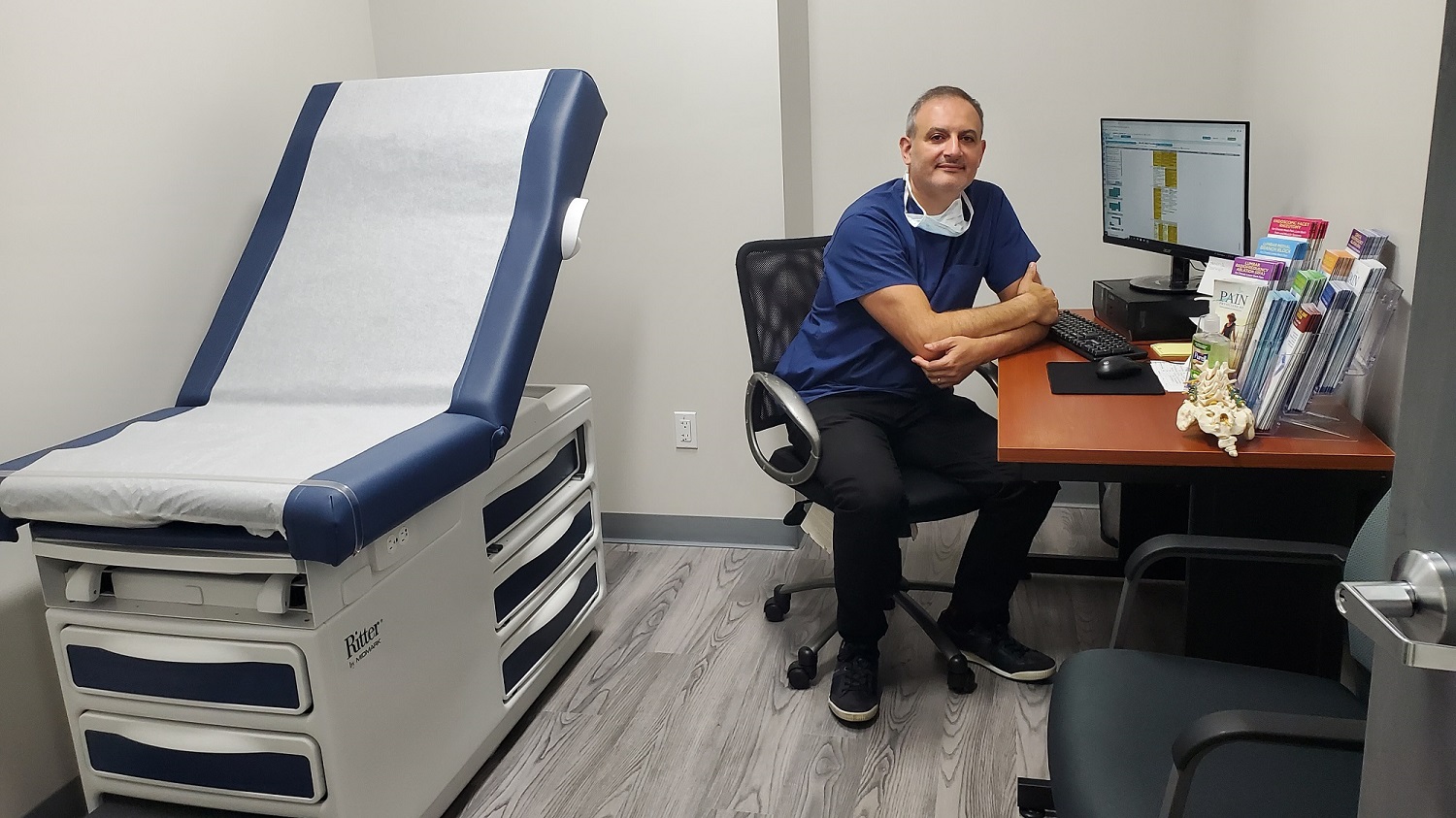
Navigating Orthopedic Care: Finding Orthopedic Doctors in Anchorage, Alaska
When seeking orthopedic care in Anchorage, Alaska, patients have access to a robust network of board-certified specialists equipped to treat musculoskeletal conditions ranging from sports injuries and fractures to chronic joint degener...
When seeking orthopedic care in Anchorage, Alaska, patients have access to a robust network of board-certified specialists equipped to treat musculoskeletal conditions ranging from sports injuries and fractures to chronic joint degeneration. Selecting the right provider requires evaluating sub-specialties, hospital affiliations, insurance network participation, and patient accessibility within the specific geographical constraints of the Anchorage bowl.
Contents
Understanding the Landscape of Orthopedic Care in Alaska
Anchorage serves as the primary medical hub for the state of Alaska, concentrating a high density of specialists who serve both local residents and individuals traveling from rural hubs. Orthopedic doctors in this region often operate within large, multi-specialty clinics or hospital-affiliated groups. Because Alaska’s geography can limit access to follow-up care for patients in remote areas, many Anchorage-based orthopedic surgeons have developed specialized intake protocols to coordinate care with regional clinics.
In a 2026 clinical context, orthopedic practice in Anchorage is characterized by an emphasis on minimally invasive surgery, arthroscopy, and joint replacement therapy. Patients should understand that an "orthopedic doctor" is a broad classification; your specific need—whether it be pediatric orthopedics, spinal surgery, hand and upper extremity repair, or trauma management—will dictate which clinic or physician is most appropriate for your treatment plan.
Factors for Choosing an Orthopedic Surgeon
Selecting an orthopedic provider involves balancing technical expertise with logistical compatibility. Before scheduling a consultation, consider the following evaluation criteria to ensure the provider aligns with your medical requirements and administrative constraints.
Board Certification and Fellowship Training
Verification of credentials is the foundational step in identifying a qualified specialist. In the United States, orthopedic surgeons should be board-certified by the American Board of Orthopaedic Surgery (ABOS). Beyond general board certification, inquire whether the physician has completed fellowship training in a sub-specialty relevant to your condition, such as sports medicine, foot and ankle reconstruction, or orthopedic oncology. Fellowship training indicates that a doctor has completed at least one additional year of highly focused training beyond their standard residency.
Hospital Affiliation and Surgical Facilities
Not all orthopedic procedures are performed in the same environments. Some surgeons perform routine procedures in an Ambulatory Surgery Center (ASC), which can be more cost-effective and convenient, while complex reconstructive or trauma-related surgeries are typically conducted at major medical centers such as Providence Alaska Medical Center or Alaska Regional Hospital. Understanding where your surgeon has admitting privileges will help you anticipate where your procedure will occur and which hospital staff will participate in your post-operative recovery.
Insurance Network Participation
In the 2026 healthcare market, ensuring your chosen orthopedic provider is "in-network" for your insurance plan is critical to minimizing out-of-pocket expenses. Even if a clinic is located in Anchorage, individual practitioners within that clinic may be contracted with different insurance carriers. Always verify your insurance status by calling the office directly and providing your member ID, rather than relying solely on online provider directories, which may experience reporting delays.
Comparison of Care Settings
When choosing between various orthopedic options in Anchorage, patients often face a choice between large institutional groups and smaller, private practices.
| Feature | Large Multi-Specialty Groups | Private/Boutique Practices |
|---|---|---|
| Specialization | High (multiple sub-specialists) | Focused (often 1-3 practitioners) |
| Accessibility | Usually wider appointment availability | Often personalized, intimate care |
| Resources | Integrated PT, Imaging, and Surgery | May require external referrals |
| Complexity | Best for multi-system injuries | Best for elective, specific procedures |
Prerequisites for Your First Appointment
To maximize the efficiency of your initial consultation, prepare a comprehensive medical history file. Most orthopedic clinics in Anchorage will request the following items to expedite your assessment:
- Imaging Records: If you have had X-rays, MRIs, or CT scans done elsewhere, obtain the actual image files (typically on a digital disc or cloud link) rather than just the radiologist's written report.
- Referral Documentation: If your insurance plan requires a primary care referral, ensure this is transmitted to the specialist's office at least 48 hours before your appointment.
- Medication Log: Provide a complete list of current medications, including supplements, as these can impact surgical risks and anesthesia responses.
- Prior Treatment History: Document any physical therapy, injections, or previous surgeries related to your current condition.
Navigating Common Orthopedic Conditions in Alaska
Due to the unique lifestyle of Alaskans—which often includes high levels of outdoor activity, skiing, hiking, and winter-related slips and falls—Anchorage orthopedists frequently see specific injury patterns. Understanding these can help you identify if you are seeing the right type of specialist.
For instance, if you are suffering from a chronic issue caused by high-impact sports, a sports medicine fellowship-trained surgeon is likely more appropriate than a general orthopedist. Conversely, if you are experiencing age-related degenerative joint disease, a surgeon with a high volume of hip and knee arthroplasty (joint replacement) experience will be better suited to manage your care.
Frequently Asked Questions
What is the difference between an orthopedic surgeon and a non-surgical orthopedist? An orthopedic surgeon specializes in diagnosing and treating musculoskeletal conditions, including performing operative interventions. A non-surgical orthopedist (often a Sports Medicine or Physical Medicine and Rehabilitation doctor) focuses on conservative treatments like injections, physical therapy, and biomechanical management to avoid or delay the need for surgery.
How long does it typically take to get an appointment in Anchorage? Wait times fluctuate based on the sub-specialty. Urgent conditions, such as fractures, are usually prioritized and seen within 24–48 hours. Elective consultations for chronic issues may have wait times ranging from two to six weeks, depending on the clinic's volume and the physician's schedule.
Does Anchorage have specialized pediatric orthopedic surgeons? Yes. Anchorage hosts pediatric orthopedic specialists who deal specifically with the growth plates, congenital conditions, and musculoskeletal trauma unique to children and adolescents. It is essential to confirm that your chosen provider is specifically board-certified or focused on pediatric care if the patient is under age 18.
Should I request a second opinion for my orthopedic surgery? Requesting a second opinion is a standard practice in medicine. If you are diagnosed with a condition requiring a significant surgical intervention, seeking another perspective from a different orthopedic surgeon in Anchorage can provide additional clarity on treatment options and potential outcomes.
What is the role of physical therapy in my treatment plan? Physical therapy is often a mandatory component of both pre-operative preparation and post-operative recovery. Many orthopedic clinics in Anchorage incorporate in-house physical therapy departments to streamline the transition between surgical care and rehabilitation.
Recommendations for Next Steps
If you are currently experiencing musculoskeletal pain, your first step should be to consult your primary care provider for a preliminary assessment. This serves to rule out systemic issues and provides the necessary referral for specialized orthopedic evaluation. Once you have a referral, visit the websites of the major orthopedic groups in Anchorage, review the biographies of the doctors to identify those with training relevant to your condition, and call their offices to verify insurance acceptance before requesting an appointment. For urgent injuries, proceed immediately to an urgent care facility or an emergency department, as they can facilitate an immediate orthopedic consultation if needed.
Image Gallery