Understanding What Tariffs on Canada Mean for Businesses and Consumers
Tariffs on Canada represent taxes imposed by a foreign government on goods imported from the Canadian market. These trade barriers function as an additional cost on top of standard international trade agreements, designed to protect do...
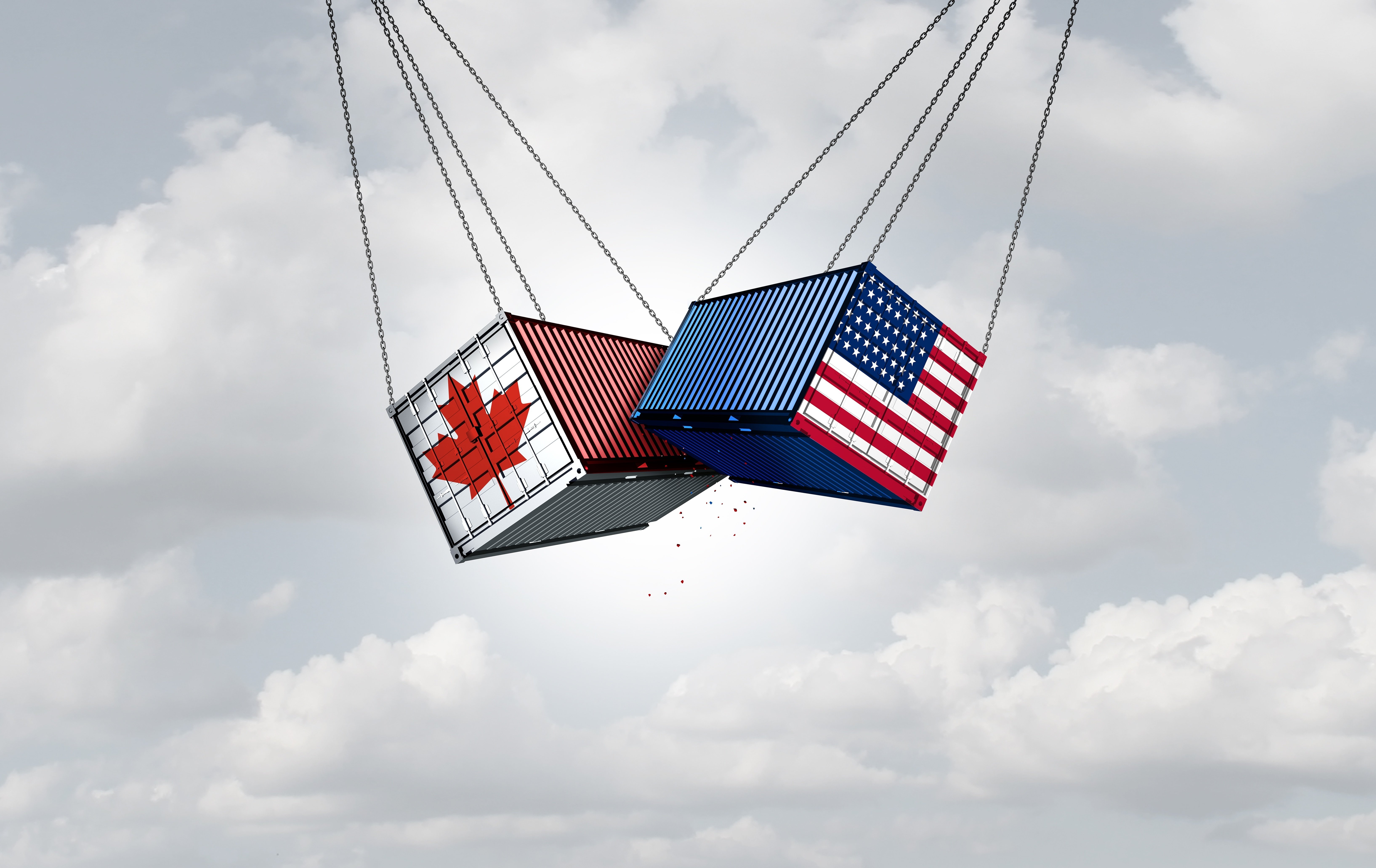
Tariffs on Canada represent taxes imposed by a foreign government on goods imported from the Canadian market. These trade barriers function as an additional cost on top of standard international trade agreements, designed to protect domestic industries by making imported Canadian products more expensive for foreign buyers, thereby influencing supply chain costs, retail prices, and overall bilateral trade stability.
Contents
The Mechanics of Trade Tariffs
At its core, a tariff is a customs duty or tax levied on imported goods. When a country imposes a tariff on Canadian products, it is essentially applying a financial surcharge at the border. While these duties are collected by the importing country’s customs authority, the economic burden is often shared between the exporter, the importer, and the end consumer.
When a tariff is applied, the importer of record—the entity responsible for clearing goods through customs—must pay the duty before the products are released into the local market. For many businesses, this creates an immediate liquidity challenge. If the importer cannot absorb the cost, they typically pass it down the supply chain, resulting in higher wholesale prices for retailers and higher purchase prices for the final consumer.
Why Tariffs Are Imposed
Governments typically implement tariffs for one of three primary reasons:
- Protectionism: Shielding a domestic industry from international competition by making foreign alternatives more expensive.
- Retaliation: Acting as a response to perceived unfair trade practices or tariffs imposed by the other country.
- Revenue Generation: Collecting funds through customs duties to boost national tax receipts, though this is less common in modern developed economies.
In the context of the U.S.-Canada trade relationship, tariffs are frequently utilized as a strategic lever during trade negotiations or to address specific imbalances in sectors such as agriculture, steel, aluminum, or automotive manufacturing.
Economic Impact on the Supply Chain
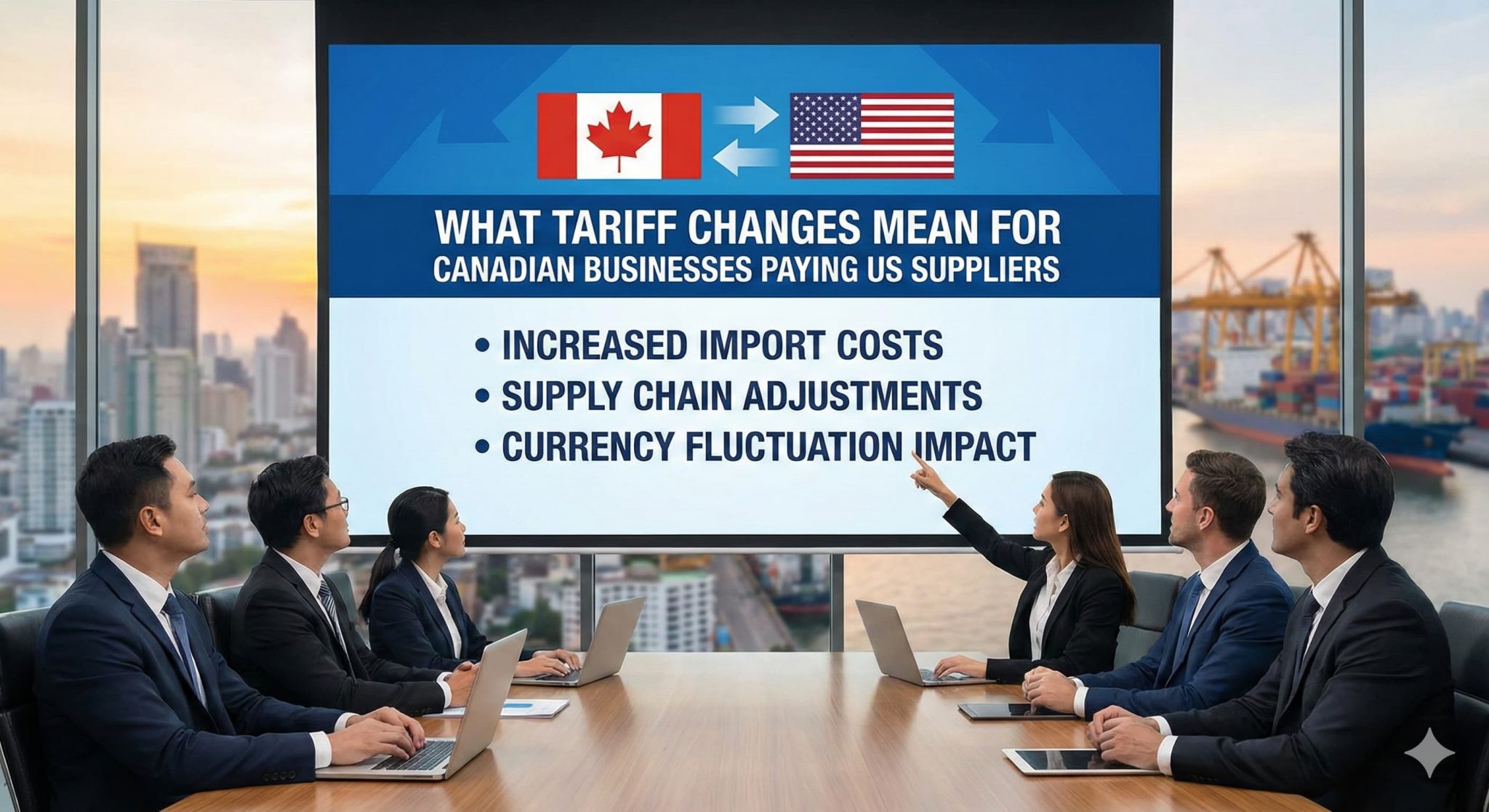
For businesses operating across the border, the introduction of a new tariff creates immediate operational friction. Understanding the impact requires looking at the "Landed Cost" of a product. The landed cost is the total price of a product once it has arrived at the buyer’s door, which includes the original purchase price, freight, insurance, and all applicable duties and taxes.
When tariffs rise, the landed cost increases. Businesses must then decide:
- Margin Compression: Absorb the cost and accept lower profit margins.
- Pricing Adjustments: Increase prices for the end consumer, which may lead to reduced demand.
- Sourcing Diversification: Attempt to switch suppliers to countries or domestic producers not subject to the tariff, a process that is often time-consuming and expensive.
Comparing Tariff Types
Tariffs are rarely one-size-fits-all. They are categorized based on how the tax is calculated and the intent behind the levy.
| Tariff Type | Calculation Method | Typical Usage |
|---|---|---|
| Ad Valorem | A percentage of the value of the imported good. | Most common; scales with the price of the item. |
| Specific Tariff | A fixed fee based on the quantity, weight, or volume. | Used for standardized goods like raw materials. |
| Countervailing Duty | A specific levy to offset government subsidies in the origin country. | Applied when a country claims the goods were "dumped" at an unfair price. |
| Anti-Dumping Duty | A penalty tax applied to goods sold below fair market value. | Used to protect domestic firms from predatory pricing. |
How Businesses Manage Tariff Risks
Navigating a volatile trade environment requires rigorous compliance and strategic foresight. Companies that rely heavily on cross-border trade with Canada often employ several risk-mitigation strategies:
1. HTS Code Verification The Harmonized Tariff Schedule (HTS) is the standardized numerical method of classifying traded products. Ensuring that products are classified correctly is the first step in avoiding overpayment. If a business misclassifies a product, it might be hit with a higher tariff rate than necessary.
2. Leveraging Free Trade Agreements The Canada-United States-Mexico Agreement (CUSMA/USMCA) provides rules that allow many goods to be traded duty-free. Businesses must document "Rules of Origin" to prove that their products satisfy the regional value-added requirements. Proper certification of origin can prevent a business from paying tariffs that should not apply.
3. Bonded Warehousing If a company imports goods but does not immediately need them in the domestic market, they may store them in a bonded warehouse. This allows the business to delay the payment of tariffs until the goods are actually withdrawn for sale, assisting with cash flow management.
The Consumer Perspective
For the average consumer, the immediate impact of tariffs on Canadian imports often manifests as "inflationary pressure." If a large volume of household goods—such as timber for construction, energy resources, or grocery items—is subject to a new tariff, the costs are usually felt at the checkout counter.
However, because the Canadian and U.S. economies are deeply integrated, tariffs can also hurt domestic consumers by limiting their access to high-quality or specialized Canadian goods. When prices rise due to trade barriers, consumer purchasing power effectively drops, as they are paying a premium that goes to government coffers rather than toward product quality or innovation.
Frequently Asked Questions
What is the "Rules of Origin" requirement? Rules of Origin determine the "economic nationality" of a good. To qualify for duty-free status under trade agreements like the USMCA, a specific percentage of a product's components or labor must originate within the member countries. If you cannot prove the origin, your goods may be subject to standard tariffs regardless of trade deals.
Do tariffs always lead to higher prices for consumers? Not always, but it is the most common outcome. Businesses often attempt to absorb small tariff increases to maintain market share. However, for significant or long-term tariffs, the costs are almost invariably passed on to the consumer to ensure the business remains profitable.
How can a business find out which tariffs apply to their products? Businesses should consult the official Harmonized Tariff Schedule (HTS) database provided by their national customs authority (e.g., the U.S. International Trade Commission for the United States). Entering the specific product description or code will reveal the current duty rates applicable to imports from Canada.
What happens if I ignore or fail to pay an assessed tariff? Failure to pay or willful misclassification of goods can lead to severe penalties, including seizure of shipments, significant financial fines, and audits of your business’s entire import history. Customs authorities have robust enforcement mechanisms to recover unpaid duties.
Next Steps for Stakeholders
If your business is currently facing uncertainty regarding trade with Canada, your first action should be an audit of your current supply chain. Identify which HTS codes are currently in use and verify that your documentation for "Certificate of Origin" is up to date for all active trade agreements. If your products are subject to new or changing tariffs, consult with a licensed customs broker or international trade attorney to explore options such as duty drawback programs or tariff exclusions, which may allow for recovery of costs or relief from specific levies.
Image Gallery