Understanding the Indian Airlines Flight 605 Crash in 1990: Causes, Investigation, and Legacy
On February 14, 1990, Indian Airlines Flight 605, an Airbus A320-231 en route from Mumbai to Bangalore, crashed while attempting to land at HAL Bangalore International Airport, resulting in 92 fatalities among the 146 people on board....
On February 14, 1990, Indian Airlines Flight 605, an Airbus A320-231 en route from Mumbai to Bangalore, crashed while attempting to land at HAL Bangalore International Airport, resulting in 92 fatalities among the 146 people on board. The tragedy stands as one of the most critical turning points in Indian aviation history, leading to sweeping regulatory overhauls, advanced pilot training mandates, and intense scrutiny of automated flight deck systems during a period of rapid modernization in commercial air travel.
Contents
Context and Operational Background of Flight 605
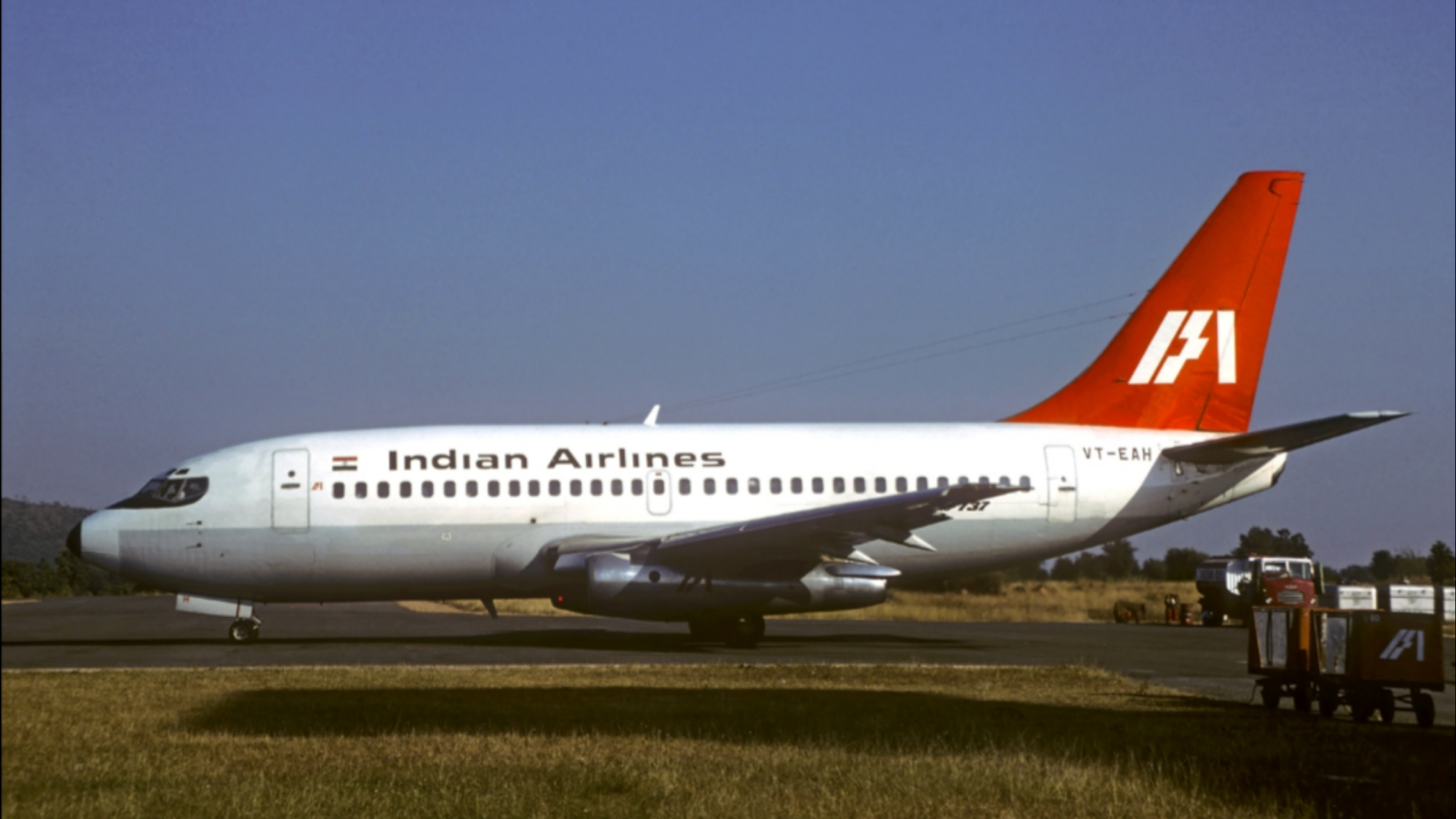
The aircraft involved in the incident was a relatively new Airbus A320-231, registered as VT-EPN, which had entered service just a few months prior. In the late 1980s and early 1990s, Indian Airlines was actively modernizing its fleet by introducing advanced, fly-by-wire aircraft to meet growing domestic passenger demand. The Airbus A320 represented a massive technological leap from older analog aircraft like the Boeing 737-200, which dominated the domestic carrier’s fleet at the time.
The flight originated at Chhatrapati Shivaji Maharaj International Airport in Mumbai (then Bombay) and was scheduled as a routine domestic trunk route to Bangalore. Weather conditions at HAL Bangalore International Airport were reported as clear, with good visibility, which initially ruled out adverse meteorological factors as a primary hazard. The approach into Bangalore required standard visual and instrument coordination, bringing the aircraft over a densely populated region just short of the runway threshold.
Sequence of Events During the Approach and Crash
On February 14, 1990, Flight 605 was cleared for an approach to Runway 09 at Bangalore. Captain Satish K. arrondi and First Officer Gopalan Saran were at the controls. As the aircraft descended, it entered an uncommanded low-energy state, sinking well below the standard three-degree glide path.
Investigation reports compiled by the Directorate General of Civil Aviation (DGCA) and an inquiry committee led by Justice G.C. Jain established that the flight crew had inadvertently selected the wrong autopilot mode. Instead of maintaining the desired vertical speed or altitude capture, the aircraft was placed in "Open Descent" (OP DES) mode with the engines idling. In this mode, the Airbus A320 automatically lowers its nose to maintain a target speed while reducing thrust to idle.
Because the flight crew failed to monitor the vertical speed and rate of descent, the aircraft began to sink rapidly toward the ground. Air Traffic Control (ATC) towers observed the low altitude, but warnings came too late to reverse the trajectory. The aircraft struck a golf course perimeter wall and a series of embankments approximately 700 meters short of the runway threshold at 13:25 local time.
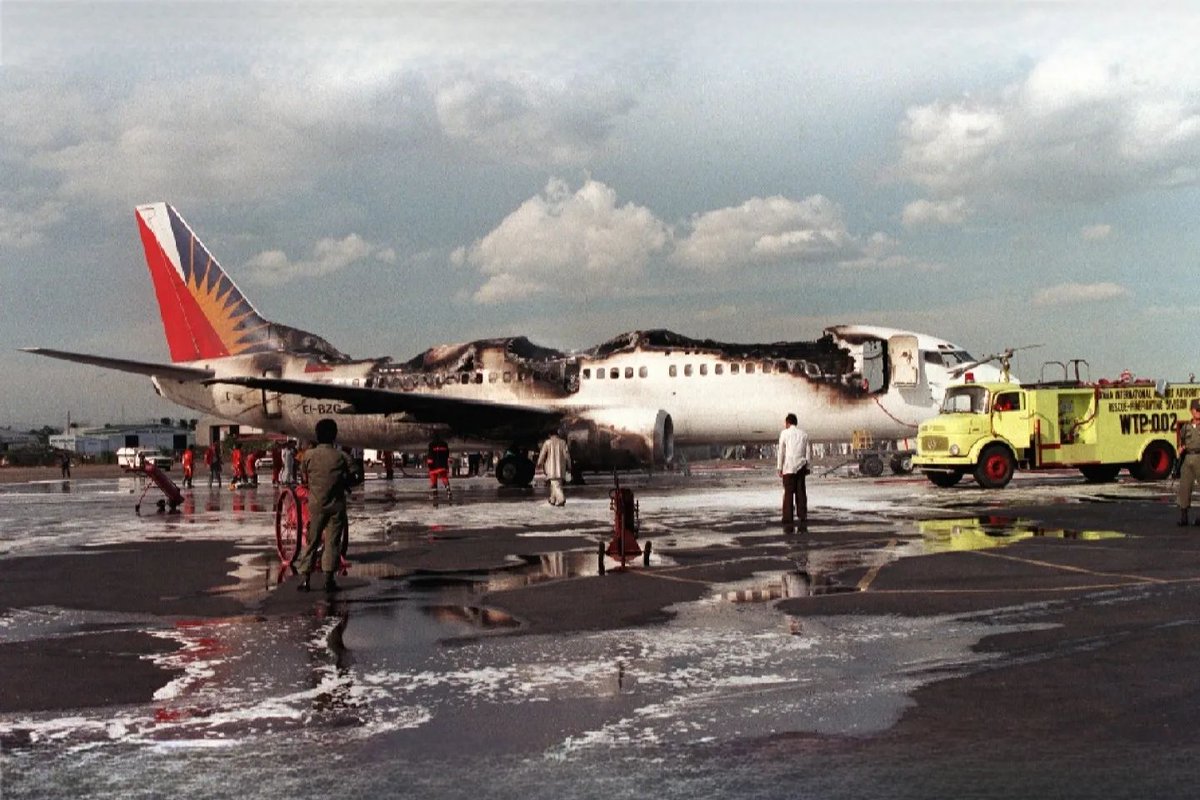
Upon impact, the aircraft broke apart and caught fire. Of the 139 passengers and 7 crew members on board, 88 passengers and 4 crew members lost their lives. Many survivors sustained severe injuries while escaping through emergency exits amid rapidly spreading fuel fires.
| Flight Detail | Information |
|---|---|
| Airline | Indian Airlines |
| Flight Number | IC 605 |
| Aircraft Type | Airbus A320-231 |
| Registration | VT-EPN |
| Route | Mumbai (BOM) to Bangalore (BLR) |
| Date | February 14, 1990 |
| Fatalities | 92 (88 passengers, 4 crew) |
| Survivors | 54 |
| Location | Near HAL Bangalore International Airport |
Official Investigation and Findings
The government of India established a high-level Court of Inquiry, presided over by Justice G.C. Jain, to determine the exact causes of the disaster. The investigation focused on both human factors and the complex human-machine interface introduced by the advanced design of the Airbus A320.
Human Factors and Automation Dependency
The primary finding of the inquiry highlighted pilot error, specifically a lack of situational awareness and inadequate familiarity with the automated flight management systems (FMS) of the A320. The transition from conventional analog instrumentation to digital glass cockpits required a fundamental shift in pilot monitoring techniques. The inquiry noted that the crew became overly reliant on automation, failing to cross-check primary flight displays against external visual cues and vertical speed indicators during a critical phase of flight.
Aircraft Design and Flight Control Laws
While pilot error was designated as the primary cause, the investigation also scrutinized the design of the Airbus A320 flight deck interface. Critics and aviation experts pointed out that the mode annunciations on the primary flight display were subtle, making it easy for pilots to miss inadvertent mode changes. Furthermore, the behavior of the "Open Descent" mode under idle thrust conditions was not fully understood by pilots trained primarily on older aircraft generations.
Airline Training and Operational Readiness
The inquiry heavily criticized Indian Airlines for rushing the induction of the Airbus A320 fleet without providing adequate simulator training and transition programs for flight crews. Pilots were rushed through conversion courses, leaving many ill-equipped to handle abnormal situations or subtle automation anomalies in high-workload environments.
Regulatory and Safety Impacts on Commercial Aviation
The crash of Flight 605 triggered sweeping regulatory changes across India and prompted global reviews of Airbus A320 operational procedures.
- Fleet Grounding: Following the accident, the Indian government temporarily grounded the entire Indian Airlines Airbus A320 fleet while safety reviews and pilot retraining programs were established.
- Training Enhancements: The DGCA mandated rigorous simulator training regimens focusing specifically on automated flight deck management, automation mode awareness, and crew resource management (CRM).
- Manufacturer Modifications: Airbus introduced software and display updates to make flight mode annunciations more prominent and to modify how low-energy warnings were presented to flight crews.
- Operational Oversight: Independent safety audits of domestic carriers were increased, strengthening the regulatory framework governing pilot certification and airline maintenance standards.
Comparative Overview of Aviation Incidents Involving the Airbus A320 in Early Operations
The 1990 accident in Bangalore occurred during a period when the global aviation industry was adapting to the introduction of fly-by-wire technology. Several high-profile incidents during this era shaped modern automation safety standards.
| Incident / Accident | Date | Location | Primary Contributing Factors |
|---|---|---|---|
| Air France Flight 296 | July 26, 1988 | Habsheim, France | Low-altitude flyby, pilot error, altimeter misinterpretation, automation limits. |
| Indian Airlines Flight 605 | February 14, 1990 | Bangalore, India | Inadvertent autopilot mode selection, idle thrust descent, lack of automation familiarity. |
| Intercontinental de Aviación Flight 256 | March 23, 1994 | Cartagena, Colombia | Spatial disorientation, autopilot disconnection, crew response error. |
Frequently Asked Questions
What caused the Indian Airlines Flight 605 crash in 1990?
The official inquiry concluded that the crash was caused by pilot error resulting from a lack of situational awareness and inadequate training on the Airbus A320's automated flight systems. The crew inadvertently selected "Open Descent" mode with engines at idle, causing the aircraft to sink rapidly below the glide path during landing.
How many people survived the Flight 605 accident?
Out of the 146 people on board (139 passengers and 7 crew members), 54 individuals survived the crash, many sustaining injuries from impact and subsequent post-crash fires.
What changes were made to aviation safety following the disaster?
The disaster led to the temporary grounding of the Indian Airlines A320 fleet, mandatory comprehensive simulator retraining for pilots focusing on automation management, enhanced crew resource management programs, and software updates by Airbus to improve flight mode displays.
Was weather a factor in the 1990 Bangalore crash?
No. Meteorological reports confirmed that weather conditions at HAL Bangalore International Airport at the time of the approach were clear with good visibility, ruling out weather as a primary cause.
What role did the aircraft manufacturer play in the aftermath?
Following the accident and subsequent investigations, Airbus implemented modifications to the A320 flight deck display systems and logic to ensure clearer communication of flight modes and engine states to flight crews.
Next Steps and Recommendations for Aviation Research
For researchers, aviation historians, and safety professionals examining the Indian Airlines Flight 605 disaster, review original documentation from the DGCA archives or official inquiry commission reports. Analyzing the evolution of crew resource management (CRM) and automation design provides vital context on how modern commercial aviation addresses human-machine interface challenges.
Image Gallery