Understanding Youi Car Insurance: Costs and Coverage Details
Youi car insurance provides a range of customizable protection options, including Comprehensive, Third Party Property Damage, and Third Party Fire and Theft policies. Premiums are primarily calculated based on the specific risk profile...
Youi car insurance provides a range of customizable protection options, including Comprehensive, Third Party Property Damage, and Third Party Fire and Theft policies. Premiums are primarily calculated based on the specific risk profile of the driver, the vehicle’s characteristics, and the level of coverage selected, allowing for personalized pricing structures that reward tailored policy settings.
Contents
The Foundation of Youi Insurance Coverage
Youi operates as an insurer that emphasizes personalized risk assessment. Unlike "one-size-fits-all" providers, the company utilizes a detailed quote process to determine your premium. This process evaluates specific data points—such as your driving history, where your car is parked overnight, and how many kilometers you drive annually—to build a policy profile.
The primary objective of this approach is to avoid charging customers for coverage features they do not require. By gathering detailed information upfront, Youi attempts to align the cost of the premium with the actual probability of a claim. This model is essential for consumers to understand because providing inaccurate or incomplete information during the quote process can lead to denied claims or policy cancellations later.
Breakdown of Coverage Levels
Understanding the specific tiers of coverage offered is the first step in assessing whether Youi meets your requirements. Each tier provides a different scope of financial protection:
1. Comprehensive Cover
This is the highest level of protection available. It covers damage to your own vehicle as well as damage you cause to the property of others. Key features typically include:
- Accidental Damage: Coverage for collisions, malicious acts, or weather-related events like hail or fire.
- Theft: Protection if your vehicle is stolen or suffers attempted theft.
- Legal Liability: Coverage for damage caused to other people’s property or vehicles.
- Additional Benefits: Depending on your specific policy, this may include rental car costs following an accident, new car replacement for total losses of recent models, and emergency repairs.
2. Third Party Fire and Theft
This mid-tier option covers your legal liability for damage caused to someone else’s property, but adds specific protections for your own car in the event of fire or theft. It does not cover accidental damage caused by collisions where you are at fault.
3. Third Party Property Damage
This is the most basic tier. It focuses exclusively on your legal liability for damage caused to the property of others. It provides no coverage for damage to your own vehicle. This is often chosen by owners of older vehicles where the market value does not justify the cost of comprehensive insurance.
Factors Influencing Your Premium
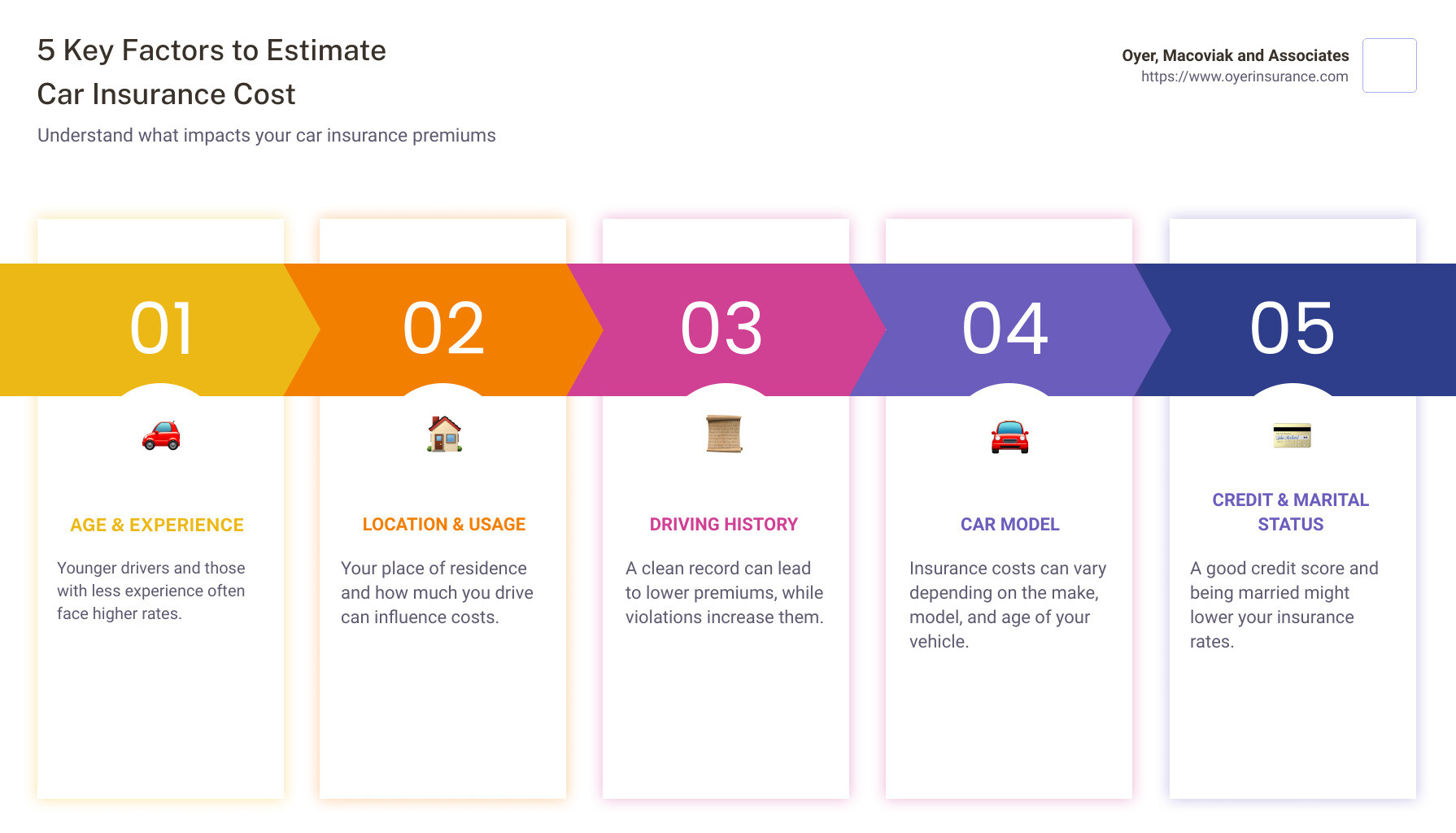
When seeking a quote from Youi in 2026, several variables will dictate the final cost of your premium. Recognizing these drivers can help you make informed decisions about your coverage levels:
- Driver Profile: Younger drivers or those with a history of at-fault accidents are generally categorized as "higher risk," resulting in higher premiums. Conversely, consistent safe driving records and higher age brackets can lower costs.
- Vehicle Specifications: The make, model, age, and performance specifications of your car directly impact premiums. High-performance vehicles or those with expensive, specialized parts often cost more to repair, leading to higher insurance costs.
- Security and Location: Where you park your car (e.g., a locked garage vs. on the street) and the crime statistics of your residential postcode are major factors. Enhanced vehicle security measures, such as immobilizers or dashcams, may provide small offsets.
- Policy Excess: This is the amount you agree to pay out-of-pocket when making a claim. A higher agreed excess typically results in a lower annual premium, while a lower excess increases the ongoing cost of the policy.
Comparison Table: Coverage Tiers
| Coverage Type | Damage to Your Car | Damage to Others | Fire and Theft |
|---|---|---|---|
| Comprehensive | Yes (Accidental/Malicious) | Yes | Yes |
| Third Party Fire & Theft | No (Except Fire/Theft) | Yes | Yes |
| Third Party Property | No | Yes | No |
The Claims Process and Financial Protection
The efficacy of any insurance policy is tested at the point of a claim. Youi requires policyholders to provide timely, accurate information following an incident. If you are involved in a collision, the standard protocol involves documenting the scene, obtaining details from other parties involved, and contacting the insurer as soon as practicable.
In the event of a total loss, the settlement amount is determined by the "Agreed Value" or "Market Value" specified in your policy. An Agreed Value policy sets a specific sum the insurer will pay regardless of the market fluctuations at the time of the claim. Market Value policies pay out based on what the vehicle was worth immediately before the accident, which can be lower if the vehicle has depreciated rapidly. Choosing between these options is a critical financial decision during the sign-up phase.
Common Pitfalls and Troubleshooting
A frequent mistake for policyholders is failing to update their details. If you move house, change your primary parking location, or increase your annual mileage, you are generally required to inform the insurer. Failure to do so may result in the insurer adjusting your claim payout because the risk profile they insured is no longer accurate.
If you encounter issues accessing your policy online or updating your details, you should utilize the official Youi customer portal or their mobile application. These digital tools are designed to facilitate real-time adjustments, such as adding a nominated driver or modifying your excess levels, which can have an immediate impact on your premium.
Frequently Asked Questions
Does Youi offer a no-claim bonus? Yes, Youi typically rewards policyholders who do not lodge claims over consecutive policy years. This can result in significant premium discounts. You should verify your current bonus level through your policy documents, as it serves as a tangible reflection of your tenure and claim-free status.
How does Youi define "Market Value"? Market value is the estimated amount your car would sell for in the open market immediately prior to an incident. This takes into account the vehicle's age, condition, odometer reading, and current market demand for that specific model.
Can I pay my premium in installments? Yes, Youi generally allows for monthly or annual premium payments. However, it is important to note that paying in installments often incurs an administrative fee or interest, meaning the total cost over a year may be higher than if you pay the full amount upfront.
What is the difference between an "at-fault" and "not-at-fault" claim? An at-fault claim occurs when you are responsible for the damage. A not-at-fault claim occurs when another party causes the damage. In many cases, if you can prove the other driver was at fault and provide their details, you may not lose your no-claim bonus, and your excess may be waived.
Are accessories and modifications covered? Standard factory-fitted accessories are generally covered. However, non-standard modifications (such as performance upgrades, custom paint, or interior sound systems) must be declared. If you do not declare these, the insurer may refuse to cover the cost of these parts in the event of a claim.
Next Steps for Policyholders
If you are evaluating your current car insurance or considering a new policy, the most effective next step is to log into the official Youi portal and run a "what-if" scenario. Adjust your excess to see the difference in annual premiums and review your vehicle usage estimates to ensure they remain accurate. For those currently holding a policy, reviewing your Product Disclosure Statement (PDS)—the legal document outlining all terms, conditions, and exclusions—is essential to ensuring you fully understand the boundaries of your protection. Ensure your contact details are current so that you receive timely notifications regarding policy renewals and legal updates.
Image Gallery