Understanding Coca-Cola Life Insurance: Employee Benefits, Coverage Options, and Policy Management
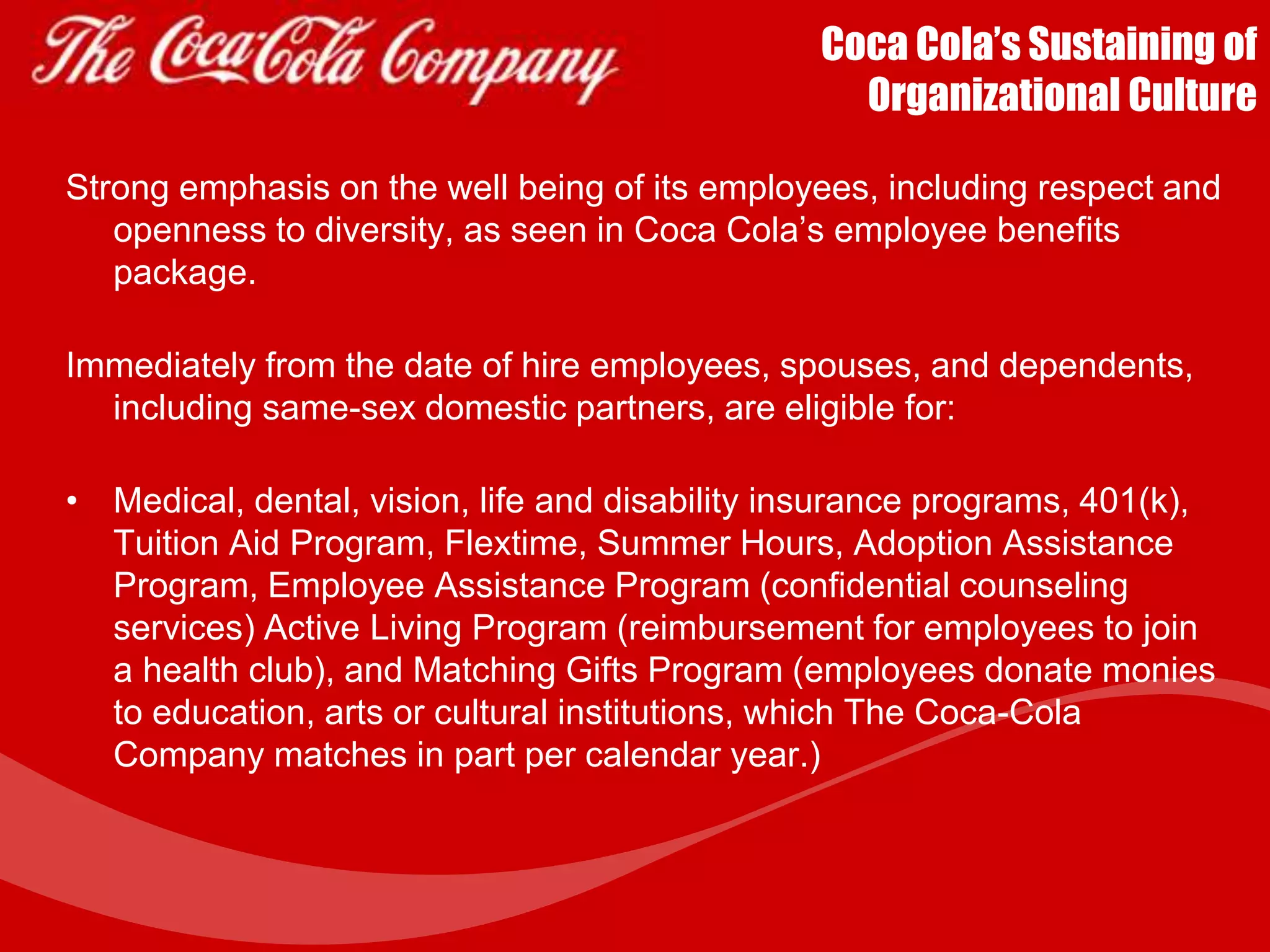
The Coca-Cola Company offers group life insurance to eligible employees as part of its comprehensive total rewards package. This coverage generally includes employer-paid basic term life insurance, voluntary supplemental life insurance...
The Coca-Cola Company offers group life insurance to eligible employees as part of its comprehensive total rewards package. This coverage generally includes employer-paid basic term life insurance, voluntary supplemental life insurance for employees and dependents, and accidental death and dismemberment (AD&D) protection. Employees manage coverage, update beneficiaries, and evaluate conversion options during open enrollment or qualifying life events.
Contents
Overview of Coca-Cola Group Life Insurance Benefits
Life insurance programs sponsored by enterprise employers like The Coca-Cola Company and its affiliated bottling partners (such as Coca-Cola Consolidated or Coca-Cola FEMSA) form a foundational financial safety net for workers and their families. While specific plan offerings can vary based on job classification, union status, subsidiary contract, and regional jurisdiction, standard corporate life insurance benefit structures follow established group term insurance frameworks governed by federal laws like the Employee Retirement Income Security Act of 1974 (ERISA).
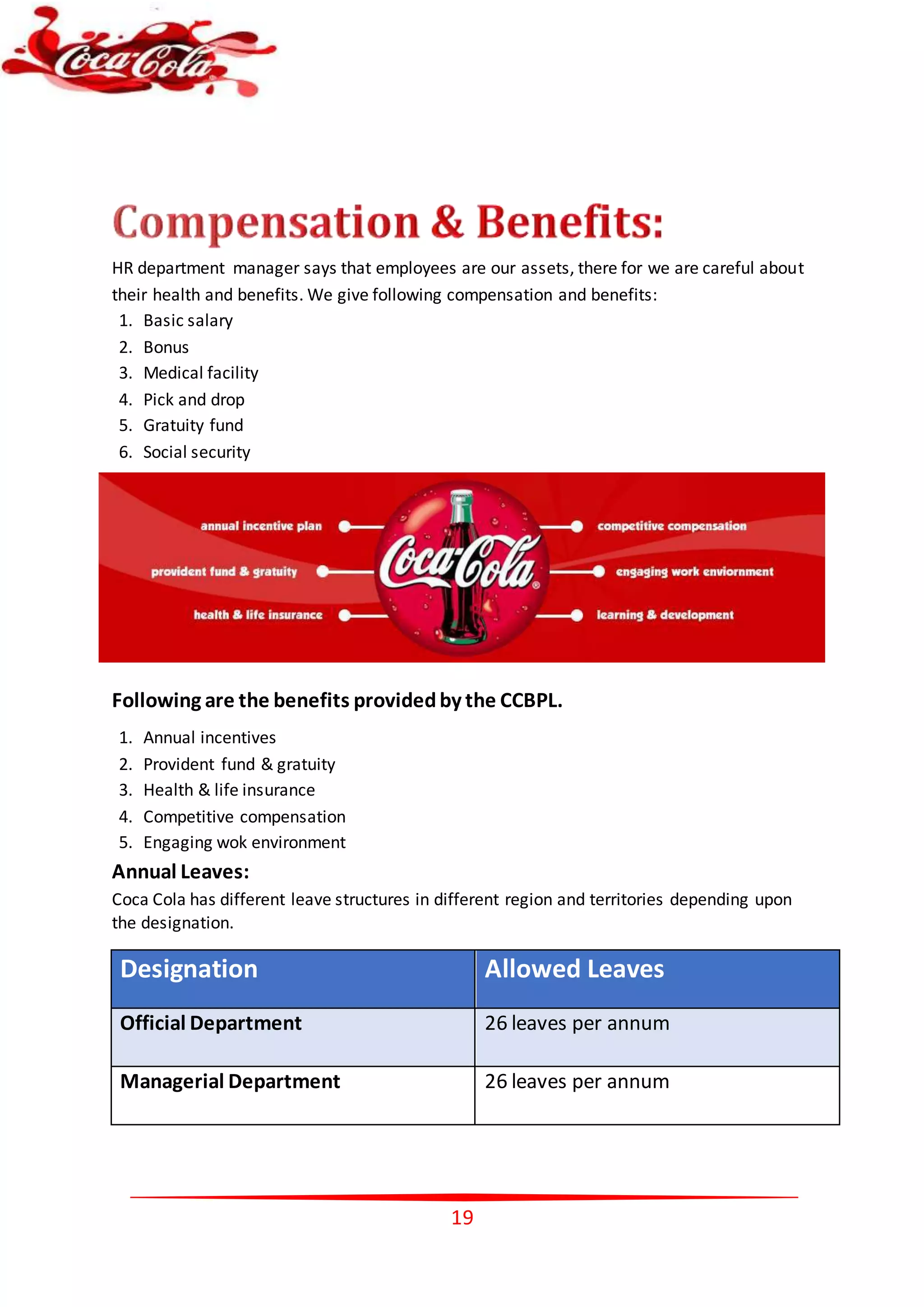
Employer-sponsored group life insurance programs at Coca-Cola typically consist of four main components:
- Basic Group Term Life Insurance: Core life insurance coverage provided directly by the company at no direct premium cost to eligible full-time employees. Coverage is frequently calculated as a multiple of the employee’s base annual salary (for example, 1x or 2x base pay) or offered as a flat benefit amount for specified non-salaried roles.
- Supplemental (Voluntary) Employee Life Insurance: Optional term life insurance that employees can purchase through payroll deduction to increase their overall protection. Workers can typically select coverage in increments equal to multiples of their annual compensation (e.g., 1x to 8x earnings), up to established dollar caps.
- Accidental Death and Dismemberment (AD&D) Insurance: Additional financial protection that pays benefits if an insured employee dies or suffers specific severe injuries—such as loss of limb, sight, or speech—as a direct result of a covered accident. AD&D coverage may be bundled with basic life insurance or purchased separately as a voluntary rider.
- Dependent Life Insurance: Optional coverage that employees can purchase for their eligible spouses, domestic partners, and unmarried dependent children.
Plan Structure, Limits, and Cost Comparisons
Understanding how basic and voluntary coverage components compare helps employees determine whether employer-provided insurance fulfills their household protection strategy or if supplementary personal policies are necessary.
| Coverage Type | Typical Coverage Amount | Premium Cost Responsibility | Underwriting / Medical Exam | Key Features & Limitations |
|---|---|---|---|---|
| Basic Term Life | 1x to 2x annual base salary (or fixed flat amount) | 100% Employer-Paid | Guaranteed Issue (No medical exam required upon initial eligibility) | Terminates upon employment end; taxable imputed income applies above $50,000 face value. |
| Supplemental Term Life | Multiples of salary (e.g., 1x to 8x pay, up to plan max like $1.5M–$2M) | 100% Employee-Paid via payroll deduction | Guaranteed Issue up to threshold; Evidence of Insurability (EOI) required for high limits | Portable or convertible upon separation; rates increase with age bands (usually 5-year brackets). |
| Spouse / Partner Life | Fixed tiers (e.g., $10,000 to $250,000) or percentage of employee limit | 100% Employee-Paid via payroll deduction | Guaranteed Issue during initial enrollment; EOI required for higher tiers or late enrollment | Coverage cannot exceed a defined percentage of the employee’s voluntary coverage limit. |
| Child Dependent Life | Fixed benefit (e.g., $5,000 to $25,000 per child) | Flat monthly rate (covers all eligible children) | Guaranteed Issue | Covers unmarried children up to age limits (typically age 19, or age 26 if full-time student). |
| Accidental Death & Dismemberment (AD&D) | Matches Basic or Voluntary Life limits (e.g., 1x to 5x salary) | Employer-Paid (Basic) or Employee-Paid (Voluntary) | Guaranteed Issue | Pays full or partial benefit only for accidental loss of life, limb, sight, or hearing; excludes illness. |
Eligibility, Enrollment Windows, and Underwriting Requirements
Access to group life insurance benefits is tied to specific eligibility criteria and enrollment periods established by Coca-Cola benefit administration standards.
Initial Eligibility and Open Enrollment
New employees generally become eligible for group benefits on their date of hire or after completing a brief orientation service requirement (such as the first day of the calendar month following employment). During the initial 31-day new-hire enrollment window, workers can select supplemental life insurance options up to predetermined Guaranteed Issue (GI) limits without submitting medical records or undergoing a physical exam.
Existing employees can review and modify their coverage annually during the company’s Annual Open Enrollment period (typically held in the autumn for coverage effective January 1 of the following year). Outside of open enrollment, changes are restricted unless the employee experiences a Qualifying Life Event (QLE), such as:
- Marriage or legal civil union
- Birth, adoption, or legal placement of a child
- Divorce, legal separation, or annulment
- Death of a spouse or dependent
- Involuntary loss of a spouse’s employment-based insurance coverage
Evidence of Insurability (EOI)
If an employee requests voluntary coverage exceeding the Guaranteed Issue limit, applies for coverage increments outside their initial new-hire window, or seeks to add coverage during open enrollment without a qualifying event, the insurance carrier requires an Evidence of Insurability (EOI) application.
The EOI process typically includes:
- Detailed online health history questionnaires addressing personal and family medical history.
- Disclosure of tobacco/nicotine usage, active prescriptions, and past surgeries.
- Attending Physician Statements (APS) requested directly from the employee’s healthcare providers.
- Paramedical exams (including blood draws, urinalysis, and blood pressure checks) for high benefit amounts or elevated health risks.
Coverage subject to EOI does not take effect until the underlying insurance carrier formally approves the health application.
Tax Rules Governing Group Life Insurance
Group term life insurance provided by enterprise employers falls under specific regulations established by the Internal Revenue Service (IRS). Employees should understand how these tax codes apply to basic and voluntary benefits.
IRS Section 79 and Imputed Income
Under IRS Code Section 79, the cost of employer-provided group term life insurance up to $50,000 is tax-free to the employee. However, if Coca-Cola pays for basic life insurance coverage exceeding $50,000, the calculated value of the coverage above $50,000 is treated as imputed income.
This imputed value is calculated using the IRS "Uniform Premium Table" (Table I), which assigns a monthly cost per $1,000 of coverage based on five-year age brackets. The resulting amount is added to the employee’s gross taxable income on Form W-2 (Boxes 1, 3, and 5) and subject to Social Security and Medicare taxes, even though the employee does not receive cash.
Tax Treatment of Benefit Payouts
Death benefit payouts received by designated beneficiaries under both basic and supplemental life insurance policies are generally excluded from federal gross income pursuant to Internal Revenue Code Section 101(a). Beneficiaries typically receive death proceeds free of federal income tax, though interest paid on delayed claim distributions may be taxable.
Managing Beneficiary Designations and Filing Claims
Proper beneficiary management ensures that life insurance proceeds are distributed quickly according to the employee’s exact wishes without legal disputes or probate delays.
Beneficiary Types and Best Practices
Employees can designate two primary tiers of beneficiaries within the Coca-Cola Benefits Center platform:
- Primary Beneficiary: The first person (or entity/trust) entitled to receive policy proceeds upon the insured employee’s death.
- Contingent (Secondary) Beneficiary: Receives the payout only if all primary beneficiaries pre-decease the insured employee.
Crucial Beneficiary Management Guidelines:
- Avoid Minor Children as Direct Beneficiaries: Life insurance carriers will not pay proceeds directly to minors. Naming a minor without establishing a legal guardianship or formal trust structure can force the proceeds into court supervision, delaying access to funds.
- Update Post-Divorce: In many legal jurisdictions, a divorce decree does not automatically revoke a former spouse’s status as a named life insurance beneficiary. Employees must explicitly update their beneficiary records in the benefit portal following a divorce.
- Specify Percentage Allocations: When naming multiple primary or contingent beneficiaries, employees must assign clear percentage splits totaling exactly 100%.
How to File a Life Insurance Claim
In the event of an employee’s or covered dependent’s death, the beneficiary or family representative should initiate the claims administration process through the following steps:
- Notify Benefits Support: Contact the Coca-Cola Benefits Center (or the designated corporate HR service representative) to report the loss and obtain the policy group number and official claim kit.
- Obtain Official Documentation: Secure certified copies of the deceased’s official death certificate, stating the cause and manner of death.
- Complete Carrier Claim Forms: The beneficiary completes the insurance company's Death Claim Statement, detailing identity, relationship, social security number, and preferred settlement method (e.g., lump-sum check or retained asset account).
- Submit Documentation: Submit the completed claim form, certified death certificate, and any requested medical releases directly to the group life claims administrator.
- Review and Settlement: Standard uncontested claims are typically processed and paid within 10 to 30 business days following carrier receipt of all complete documentation.
Post-Employment Options: Portability and Conversion Rights
When a Coca-Cola employee leaves the company due to resignation, layoff, disability, or retirement, group life insurance coverage automatically terminates at the end of the active employment period (or end of the calendar month). However, federal guidelines and group policy contract terms provide two distinct options to preserve life insurance protection.
- Employment Termination / Retirement
- 31-Day Action Window Opens
- Portability Option
- Continue group term policy
- Subject to age-banded group rates
- No medical exam required
- Available for healthy departing staff
- Conversion Option
- Convert to individual permanent life
- Standard whole life / universal rates
- No medical exam required
- Ideal for individuals with uninsurable health
- Portability Option
- 31-Day Action Window Opens
1. Life Insurance Portability
Portability allows departing workers to continue their voluntary group term life insurance coverage under a separate group portable policy, paying premiums directly to the insurance carrier.
- Medical Underwriting: No medical exams or health questions are required if requested within the election window.
- Premiums: Rates remain age-banded and may increase as the policyholder enters higher age brackets.
- Availability: Portability is usually restricted to employees terminating service for reasons other than severe illness, injury, or retirement, depending on specific plan provisions.
2. Policy Conversion Rights
Conversion gives former employees the legal right under state insurance codes to convert their group term life insurance (both basic and supplemental) into an individual permanent life insurance policy (such as Whole Life) without proving medical insurability.
- Guaranteed Issue: Even if the departing employee has developed a terminal or severe health condition, the insurer cannot deny coverage or charge higher rates based on individual poor health.
- Premium Rates: Premiums are calculated based on the insured’s attained age at the time of conversion and standard non-tobacco/tobacco risk classes. Because whole life policies build cash value, conversion premiums are significantly higher than group term rates.
CRITICAL DEADLINE: Both Portability and Conversion options must be formally exercised—and the first premium paid—within 31 calendar days following the date group coverage terminates. Failure to act within this 31-day grace period results in permanent forfeiture of guaranteed conversion rights.
Evaluating Total Coverage Needs: The DIME Method
While employer-sponsored basic life insurance provides vital baseline security, relying exclusively on workplace group term coverage leaves many households underinsured. Group coverage ends or becomes costly upon job separation, and employer cap limits may fall short of long-term family obligations.
Financial planners frequently recommend the DIME Method to calculate whether total workplace and personal life insurance coverage is sufficient:
$$\text{Total Coverage Needed} = \text{Debt} + \text{Income} + \text{Mortgage} + \text{Education}$$
- D - Debt & Final Expenses: Sum of all non-mortgage liabilities (credit cards, personal loans, car balances) plus estimated funeral costs (typically $10,000–$15,000).
- I - Income Replacement: Multiply annual gross income by the number of years family dependents require financial support (commonly 7 to 10 years of salary).
- M - Mortgage Balance: Remaining payoff balance on primary residence real estate loans.
- E - Education Costs: Estimated total future tuition, room, and board expenses for surviving children (e.g., $100,000–$200,000 per child).
Group Insurance vs. Individual Private Insurance
To build a resilient financial plan, employees should weigh the advantages of company group policies against private, non-employer individual life policies. Consumer guidance from the National Association of Insurance Commissioners (NAIC) emphasizes maintaining a balanced portfolio that combines affordable group coverage with portable individual policies.
- Workplace Group Coverage
- Low cost or employer-paid
- Guaranteed issue during hire window
- Ends or spikes in cost upon exit
- Individual Private Coverage
- Portable across any job change
- Locks in age/health rates for 30 yrs
- Fully controlled by policyholder
Frequently Asked Questions
Does Coca-Cola pay for life insurance for all employees?
The Coca-Cola Company generally provides basic group term life insurance at no cost to eligible full-time, regular employees. However, benefit eligibility for part-time, seasonal, contingent, or union-represented bottling plant employees depends on specific collective bargaining agreements or local operating unit guidelines.
Can I keep my Coca-Cola life insurance policy if I resign or retire?
Yes, but you must act quickly. Departing employees can elect to port their voluntary group term policy or convert basic and voluntary term coverage into an individual permanent life insurance policy without a medical exam. You must submit election paperwork and payment within 31 days of your coverage termination date.
How much voluntary life insurance can I buy without a medical exam?
When first hired, employees can purchase supplemental life insurance up to the plan’s Guaranteed Issue (GI) limit (often up to a specific salary multiple or dollar cap like $300,000–$500,000) without medical questions or physical exams. Amounts requested above the GI threshold require completing an Evidence of Insurability (EOI) form.
How do I update my beneficiary for Coca-Cola life insurance?
Employees can view and update their primary and contingent beneficiary designations electronically at any time by logging into the corporate benefits administration platform (such as Coke Total Rewards / MyCokeBenefits). Beneficiary updates take effect immediately upon system confirmation.
Is supplemental life insurance purchased through payroll deduction taxable?
Premiums paid by employees for voluntary supplemental life insurance via after-tax payroll deductions are not subject to imputed income tax. Furthermore, the final death benefit paid to beneficiaries under voluntary policies is generally free from federal income taxes.
Strategic Next Actions for Employees
- Log In to the Benefits Portal: Review your current basic coverage, voluntary coverage tiers, and named primary and contingent beneficiaries.
- Perform a DIME Gap Analysis: Calculate your family's true financial obligations (debt, income, mortgage, education) to determine if your employer coverage leaves a gap.
- Verify Beneficiary Accuracy: Ensure primary and secondary beneficiary legal names, social security numbers, and percentage allocations are fully updated, especially after life changes.
- Evaluate Individual Policy Options: If you require long-term insurance security independent of your employment status, consider securing an individual private term policy while young and healthy to complement your group benefits.
- Note the 31-Day Rule: If transitioning away from the company, immediately mark your calendar to evaluate life insurance conversion or portability options within 31 days of your separation date.
Image Gallery