Understanding the Use of 4x4 Film in Automotive Applications
The term "4x4 film" in the automotive sector refers to specialized paint protection film (PPF) or security laminates designed to safeguard vehicle surfaces against debris, rock chips, and environmental contaminants. While the "4x4" des...
The term "4x4 film" in the automotive sector refers to specialized paint protection film (PPF) or security laminates designed to safeguard vehicle surfaces against debris, rock chips, and environmental contaminants. While the "4x4" designation is often colloquially associated with off-road durability, it technically identifies high-grade, multi-layer thermoplastic polyurethane (TPU) films engineered to withstand the rigorous physical impacts frequently encountered by heavy-duty or off-road vehicles.
Contents
Defining Automotive 4x4 Film and Its Purpose
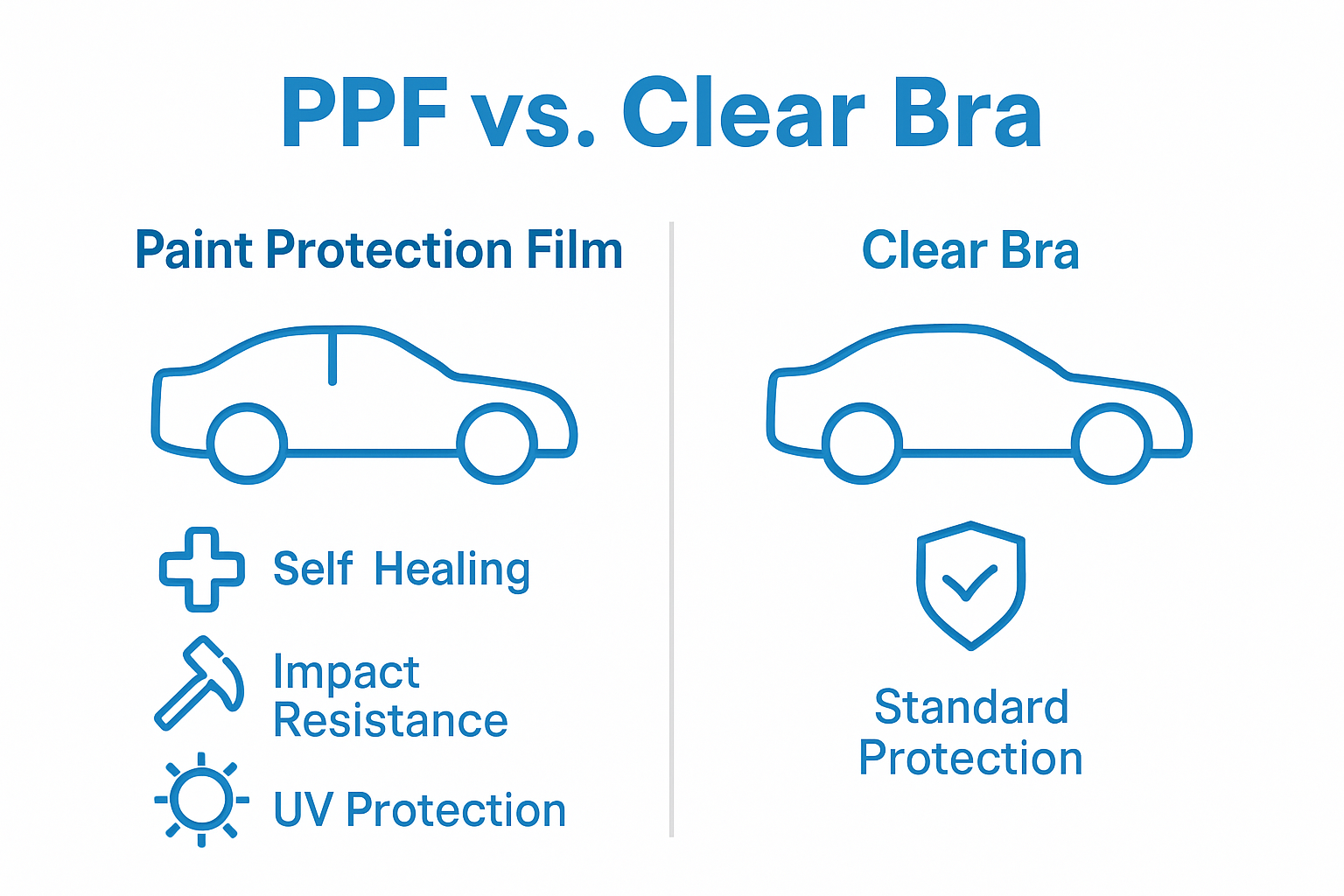
In the context of automotive protection, 4x4 film is a high-performance thermoplastic polyurethane layer applied directly to the exterior panels of a vehicle. Unlike standard vinyl wraps, which are primarily aesthetic, these films are designed to be sacrificial barriers. They possess self-healing properties—where heat from the sun or hot water allows the material to "flow" back into its original shape to erase swirl marks—and high-impact resistance to prevent stone chips and scratches from reaching the vehicle’s factory paint.
The designation "4x4" is frequently used in the automotive aftermarket to market films that are thicker or more resilient than standard urban-commuter protection packages. These products are manufactured to resist the specific abrasives found in off-road environments, such as loose gravel, dense brush, and road salt. By serving as an elastic shield, the film absorbs the kinetic energy of projectiles, dispersing the force across its surface to prevent clear-coat penetration.
Technical Specifications and Material Composition
The efficacy of automotive film is fundamentally dictated by its chemical composition. Most high-quality protection films are constructed from aliphatic thermoplastic polyurethane. This material is chosen for its optical clarity, UV resistance, and, most importantly, its high elongation-at-break ratio.
- Thickness: While standard automotive films range from 6 to 8 mils (thousandths of an inch) in thickness, "4x4" or heavy-duty off-road films often range from 10 to 12 mils. This additional thickness provides a significant increase in puncture resistance.
- Hydrophobic Topcoat: Modern films are integrated with a hydrophobic layer that mimics the properties of ceramic coatings. This makes the surface extremely slippery, preventing dirt, mud, and road grime from adhering to the vehicle, which is a critical feature for vehicles that frequent unpaved terrain.
- Adhesive Systems: The backing uses pressure-sensitive adhesives (PSA) engineered to bond with factory-cured automotive clear coats without causing damage during future removal.
Practical Applications for Off-Road and Fleet Vehicles
For owners of off-road-capable vehicles, the primary application of this film is the protection of "impact zones." These include the front bumper, grille surround, hood, side mirrors, and the lower rocker panels. On 4x4 platforms, the lower panels are particularly vulnerable to "rock spray" kicked up by aggressive all-terrain tires.
Beyond surface protection, some variations of heavy-duty films are used on glass surfaces. Known as windshield protection film, these are specialized, optically clear laminates applied to the exterior of the windshield. Given that traditional windshields on off-road vehicles are prone to cracking from flying debris, this application provides an essential buffer that can be replaced if the film itself becomes pitted or damaged over time, saving the cost of windshield replacement.
Comparison of Protective Solutions
When evaluating options for paint protection, it is essential to distinguish between thin aesthetics and structural durability. The table below compares 4x4 protective film against other common vehicle protection methods used in 2026.
| Feature | 4x4 Protective Film | Ceramic Coating | Vinyl Wrap |
|---|---|---|---|
| Primary Goal | Impact Protection | Chemical Resistance | Aesthetics/Color |
| Durability | High (High Impact) | Low (Chemical) | Moderate (Surface) |
| Self-Healing | Yes | No | No |
| Longevity | 5–10 Years | 2–5 Years | 3–7 Years |
| Installation | Professional Required | DIY or Professional | Professional |
Installation Requirements and Workflow
The installation of 4x4 film is a technical process that requires a controlled environment. Dust, wind, and debris can interfere with the adhesive, leading to bubbles or premature lifting.
- Surface Decontamination: The vehicle must be stripped of all existing waxes, sealants, and contaminants. A clay bar treatment is standard, followed by an isopropyl alcohol wipe to ensure the surface is chemically neutral.
- Pattern Cutting: Modern shops utilize computer-cut software to generate precise templates for specific vehicle makes and models. This eliminates the need to use blades directly on the vehicle's paint, mitigating the risk of accidental cuts.
- Application: The installer applies a slip solution—a mixture of water and specialized surfactants—to the film and the vehicle panel. This allows the installer to slide the film into perfect position.
- Squeegeeing: Once aligned, the installer uses professional-grade squeegees to remove the liquid from beneath the film. The pressure and angle are critical to ensuring an even bond.
- Curing: The vehicle typically remains in the shop for 24 hours to ensure the edges are properly set and the adhesive has reached its initial tack.
Common Mistakes and Maintenance
A frequent error during the ownership of a film-protected vehicle is the use of harsh cleaning chemicals. While the film is chemical-resistant, petroleum-based solvents or high-pressure power washing held too close to the edges can cause the film to peel or degrade.
- Avoid High-Pressure Spraying: If utilizing a pressure washer, maintain a distance of at least 12 to 18 inches from the film edges. Concentrated, high-pressure water can bridge the gap between the film and the paint, leading to delamination.
- Waxing Guidelines: Avoid waxes that contain high levels of petroleum distillates. Instead, utilize sealants specifically formulated for paint protection film, which are typically water-based or synthetic, to maintain the hydrophobic qualities.
- Immediate Debris Removal: While the film prevents chips, organic matter like bird droppings or tree sap contains acids that can stain the topcoat if left to "bake" in the sun for extended periods. Clean these contaminants promptly with a pH-neutral cleaner.
Troubleshooting Film Issues
If you notice "silvering" (the appearance of tiny white dots), this is usually trapped moisture or air bubbles occurring during the curing process. In most cases, these will dissipate on their own as the moisture evaporates through the breathable membrane of the film over a period of 1 to 4 weeks. If the issue persists, it may indicate a failure in the initial adhesion, requiring a professional inspection.
If the film begins to yellow, this is a symptom of using older, non-aliphatic polyurethane materials. Modern, high-grade films sold in 2026 are inherently UV-stable and should not yellow under normal atmospheric conditions. If yellowing occurs prematurely, verify if the product is a genuine, warrantied film from a reputable manufacturer, as counterfeit films often lack the necessary stabilizers.
Frequently Asked Questions
Does 4x4 film prevent all scratches? No. While it is highly resistant to rock chips and light abrasions, deep gouges caused by sharp objects or severe impacts can still penetrate the film. Its primary function is to serve as a sacrificial layer that protects the clear coat from daily hazards.
Can 4x4 film be applied over existing ceramic coatings? It is not recommended. Paint protection film requires a clean, raw clear coat to bond effectively. Applying it over a ceramic coating prevents the adhesive from establishing a secure bond, which will cause the film to lift or fail prematurely.
How do I remove 4x4 film? Removal should be performed by a professional, typically involving the use of a high-powered heat gun to soften the adhesive. Pulling the film cold or with inadequate heat can potentially result in adhesive residue remaining on the panel or, in rare cases, damage to sensitive clear coats.
Does 4x4 film affect the resale value of a vehicle? Yes, it can positively influence resale value. By preserving the original factory paint in pristine condition, the vehicle remains more attractive to buyers. Documentation of professional installation and the associated warranty can often be transferred, adding further value.
Can I install the film myself? While "do-it-yourself" kits are available, the installation process requires significant skill, specific tools, and a dust-free environment. For complex curves and multi-piece bumpers, professional installation is strongly advised to ensure the edges are sealed correctly and the film is stretched without causing internal stress.
Next Actions for Vehicle Owners
To proceed with protecting your vehicle, first verify the vulnerability of your specific panels. If you frequently navigate unpaved roads, prioritize a full-frontal coverage package. Consult with an authorized installer in your area to view samples of different film thicknesses. Request a clear outline of the manufacturer’s warranty—specifically noting what it covers regarding bubbling, peeling, and yellowing. By selecting a high-grade 10-mil film and ensuring professional application, you secure your investment against the inevitable wear of the road.
Image Gallery