The Ronald Reagan Descendants in Modern America: A Legacy Overview
The descendants of Ronald Reagan, the 40th President of the United States, represent a diverse family tree with members involved in media, public service, and the arts. As of 2026, the Reagan lineage continues to maintain a prominent,...
The descendants of Ronald Reagan, the 40th President of the United States, represent a diverse family tree with members involved in media, public service, and the arts. As of 2026, the Reagan lineage continues to maintain a prominent, albeit varied, presence in American public life, characterized by a mix of political continuity, literary contributions, and private professional pursuits.
Contents
Understanding the Reagan Lineage
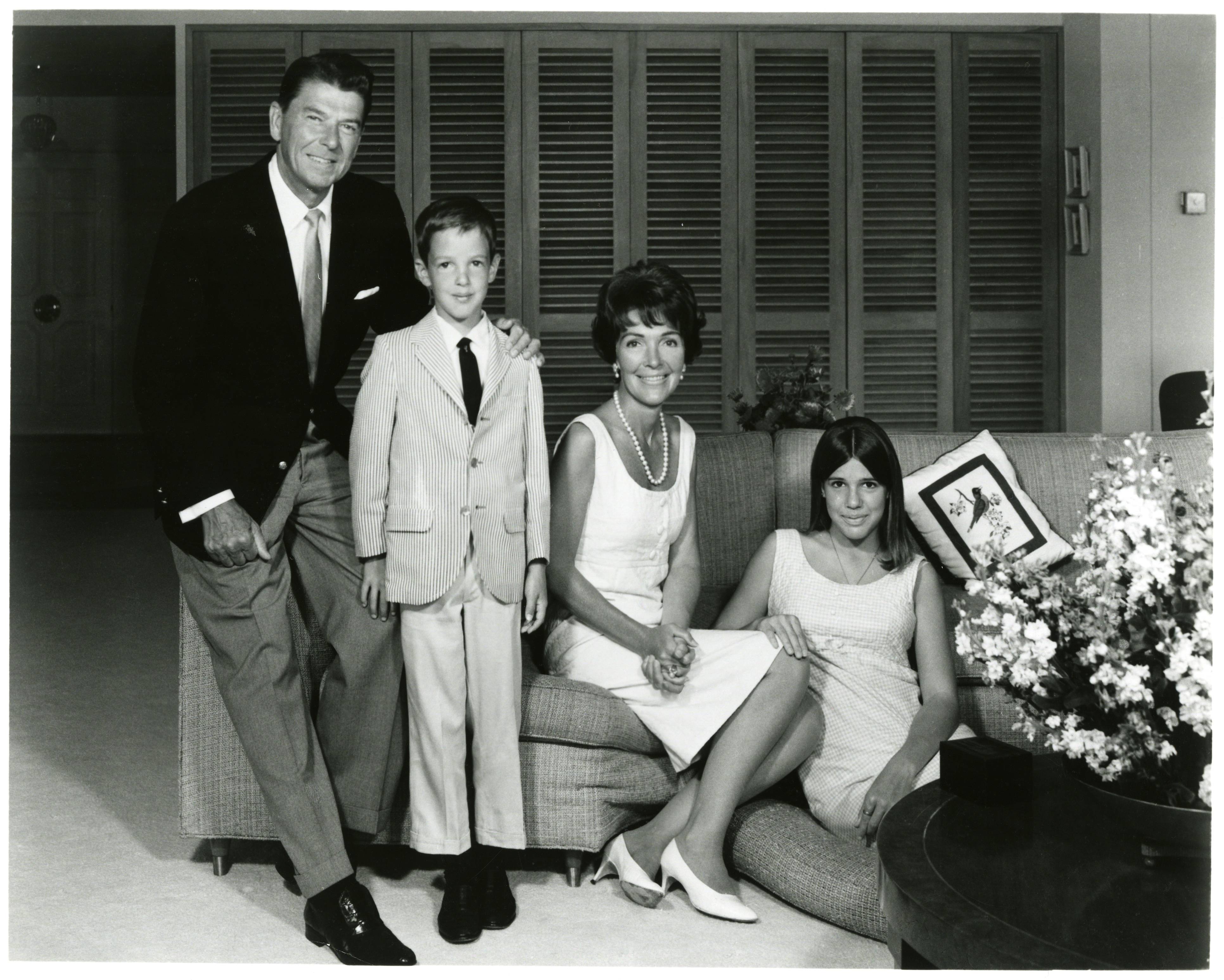
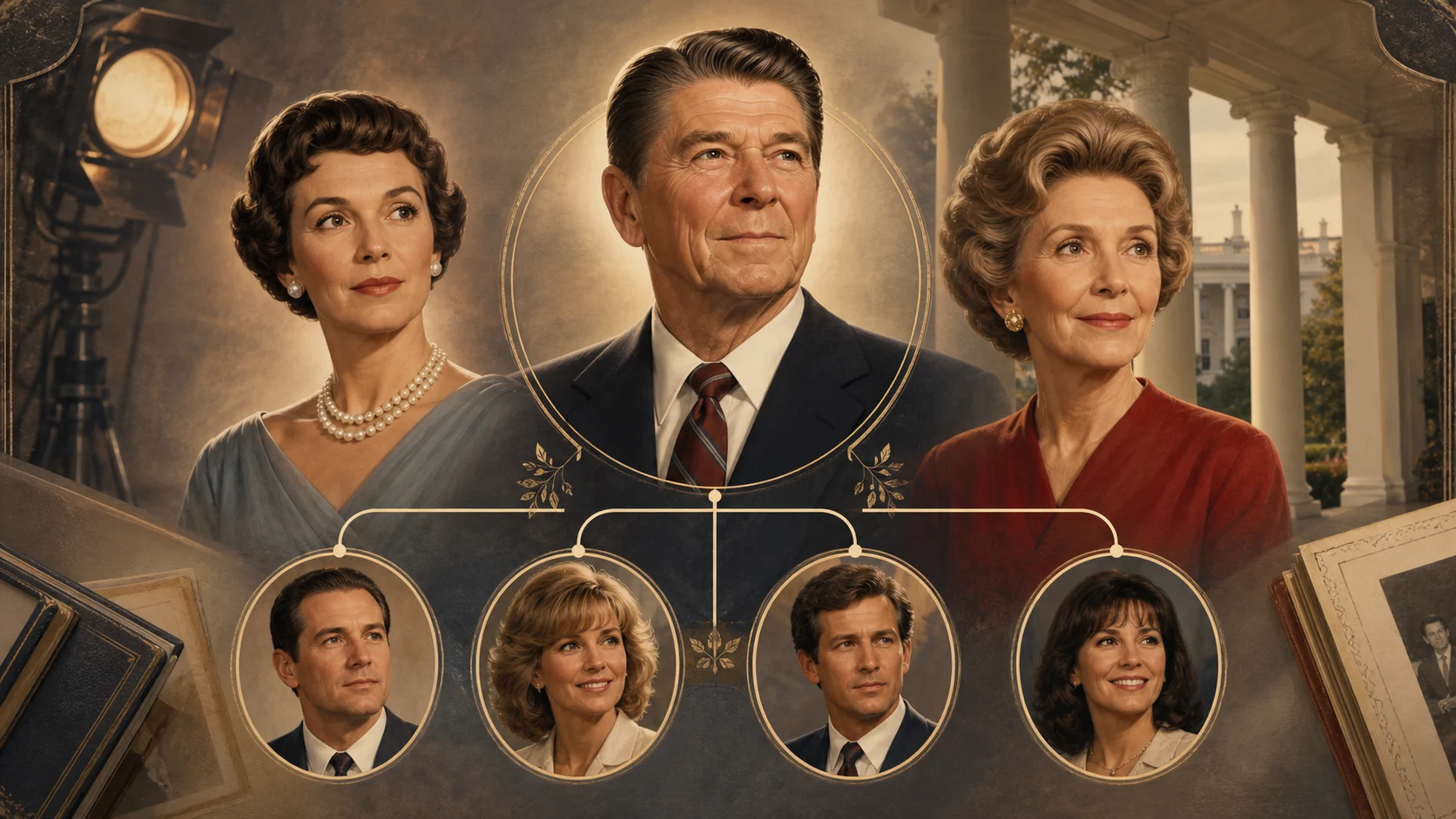
Ronald Reagan’s family structure is defined by his two marriages: first to actress Jane Wyman and second to Nancy Reagan. These unions produced a multi-generational group of children, grandchildren, and great-grandchildren who navigate their public identities under the shadow of a significant presidential legacy.
Understanding the descendants requires a distinction between the two branches of the family tree. The first branch comes from his marriage to Jane Wyman, which included his daughter Maureen, his adopted son Michael, and the late Christine Reagan, who died shortly after birth. The second branch originates from his marriage to Nancy Reagan, consisting of his daughter Patti Davis and his son Ron Reagan.
The Children of Ronald Reagan
Each of the four surviving children of the former president has pursued a distinct path, often shaping their own public image independently of their father’s political ideology.
Maureen Reagan (1941–2001)
Maureen was the eldest daughter of Ronald Reagan and Jane Wyman. She was a vocal advocate for the Republican Party during her father's administration, serving as a co-chair of the Republican National Committee. Unlike many of her peers, she was an outspoken supporter of the Equal Rights Amendment and remained an active political voice until her passing. Her life serves as a bridge between the Reagan political era and modern advocacy.
Michael Reagan
Adopted by Ronald Reagan and Jane Wyman in 1945, Michael Reagan has established himself as a prominent political commentator and talk radio host. Throughout his career, he has focused on maintaining the ideological memory of his father’s presidency. His work as an author and speaker has consistently targeted conservative audiences, positioning him as perhaps the most visible member of the family regarding the preservation of Reagan-era political principles in current American discourse.
Patti Davis
The eldest child of Ronald and Nancy Reagan, Patti Davis has maintained a complex and well-documented relationship with her family’s legacy. A prolific author, she has written several memoirs that offer an introspective look at the internal dynamics of the Reagan household. Her work often contrasts with the traditional conservative narrative associated with her father, focusing instead on themes of mental health, personal memoir, and psychological reflection.
Ron Reagan
The youngest child of Ronald and Nancy Reagan, Ron Reagan is a well-known media personality and commentator. He has frequently distinguished himself from his father’s political views, identifying as an atheist and a secularist. His professional career in television and writing often centers on political critique and commentary from a perspective that frequently challenges the prevailing tenets of the modern Republican Party.
The Next Generation: Grandchildren and Beyond
The Reagan legacy extends into a third and fourth generation. While most of these individuals maintain private lives, some have engaged in professional fields that intersect with their family’s background, such as politics, film production, and environmental advocacy.
The grandchildren include Cameron Reagan (Michael's son), Ashley Reagan (Michael's daughter), and others who have largely eschewed the national spotlight. By 2026, the focus has shifted toward the professional endeavors of these younger generations, who are increasingly removed from the direct political context of the 1980s. Their engagement with the legacy is often more historical and familial than ideological.
Table: Key Reagan Descendants and Their Professional Focus
| Name | Relation to Ronald Reagan | Primary Professional Sphere |
|---|---|---|
| Maureen Reagan | Daughter | Political Advocacy & RNC Leadership |
| Michael Reagan | Son | Talk Radio & Conservative Commentary |
| Patti Davis | Daughter | Literature & Memoir Writing |
| Ron Reagan | Son | Media Commentary & Secular Advocacy |
| Cameron Reagan | Grandson | Private Business & Media Production |
Navigating the Legacy in 2026
In contemporary America, the "Reagan name" functions as a significant cultural and political commodity. For the descendants, managing this name requires balancing individual identity with the institutional weight of the Ronald Reagan Presidential Foundation and Institute.
The descendants have collectively contributed to the preservation of historical records while simultaneously developing their own brands. This separation is crucial for understanding how the family functions today. The siblings do not speak with a singular political voice, a reality that often surprises observers who expect a monolithic endorsement of Reagan-era policies. Instead, the family represents a microcosm of American political diversity, where lineage does not equate to a uniform ideological stance.
The Role of Presidential Archives
The Ronald Reagan Presidential Library and Museum remains the primary hub for the family’s institutional engagement. The descendants often participate in commemorative events, but these are largely managed by the archival institution rather than being directed by family members. This professionalization of the legacy allows the descendants to focus on their personal careers while the institution handles the preservation of their father's historical standing.
Frequently Asked Questions
1. Are all of Ronald Reagan’s children involved in politics? No. While Michael Reagan remains active in political media, his siblings have pursued careers in literature, secular advocacy, and personal interest. There is no unified "Reagan political platform" among the descendants.
2. How do the descendants view the current state of American politics? Views vary significantly across the family. Because the descendants span different generations and ideological backgrounds, they offer conflicting perspectives on contemporary issues, ranging from strict adherence to Reagan-era conservatism to critical modern analysis.
3. Is there a "Reagan Dynasty" in American politics? Unlike other political families such as the Kennedys or the Bushes, the Reagan descendants have not formed a political dynasty. They have largely avoided seeking elective office, preferring independent careers in the private sector or media.
4. Where can I find official information regarding the family? The Ronald Reagan Presidential Foundation and Institute provides verified information regarding the former president. Information concerning individual descendants is typically found through their personal literary publications or professional media channels.
5. How has the family’s public image changed over the decades? The image has evolved from the "First Family" model of the 1980s to a more fragmented, individualistic representation. Modern digital and media landscapes have allowed each descendant to cultivate a personal brand that is distinct from their father's legacy.
Recommendations for Further Research
Those interested in the Reagan family history should distinguish between the institutional history provided by the Presidential Library and the anecdotal, autobiographical accounts provided by the descendants themselves. For a balanced understanding, it is recommended to review both the official records of the presidency and the published memoirs of individual family members. This dual approach provides a comprehensive view of how a presidential legacy is both maintained by institutions and experienced by those within the family circle.
Image Gallery