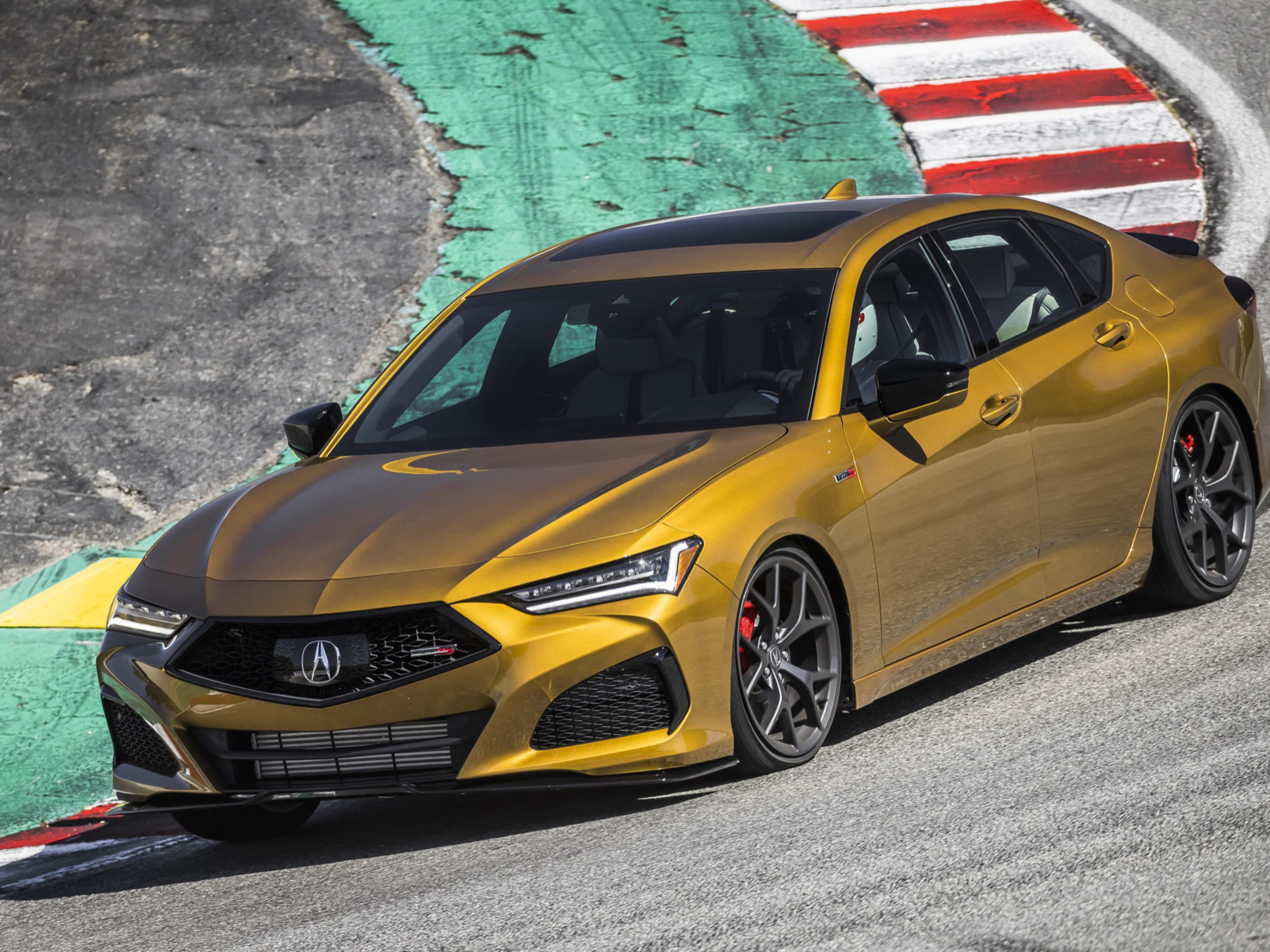
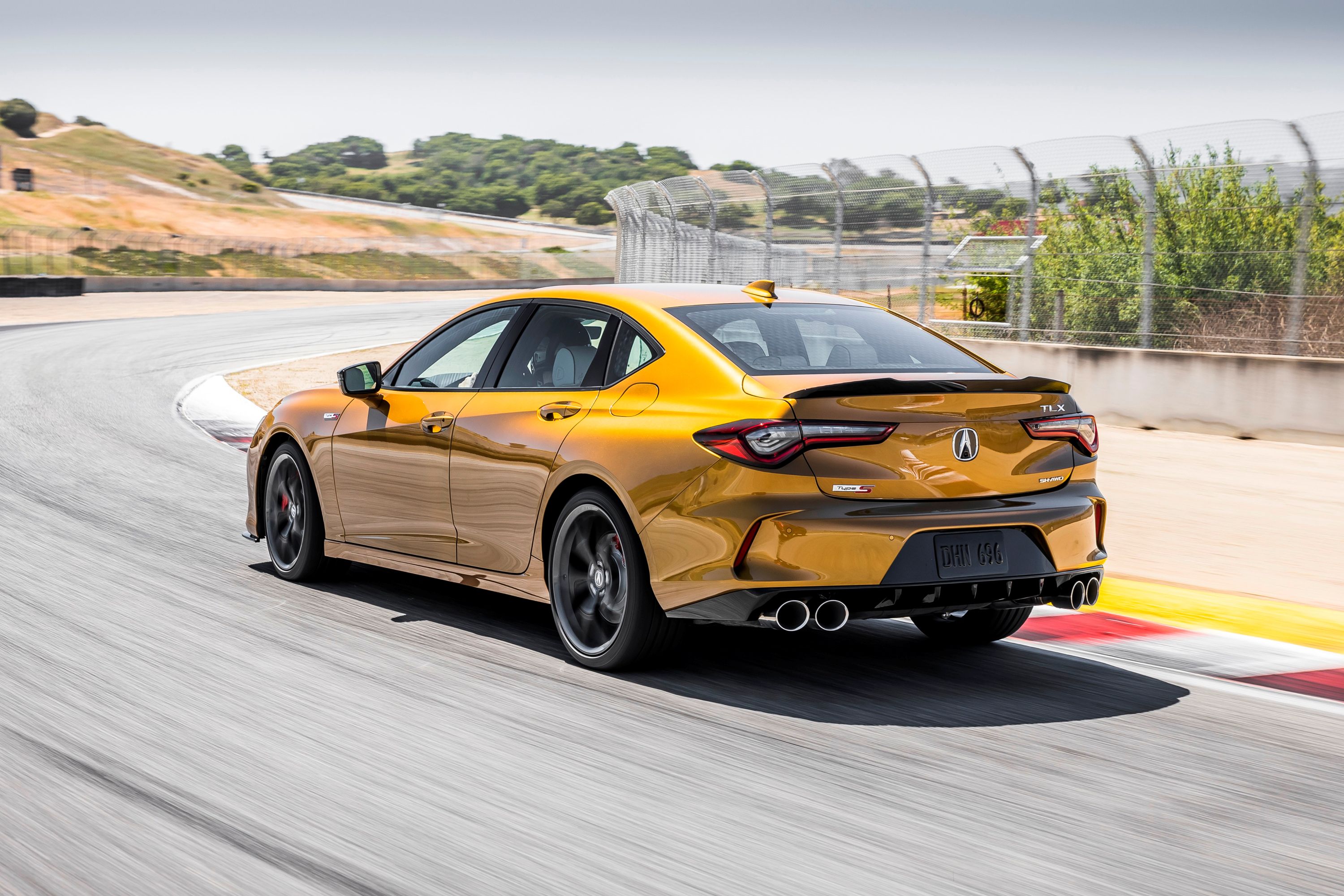
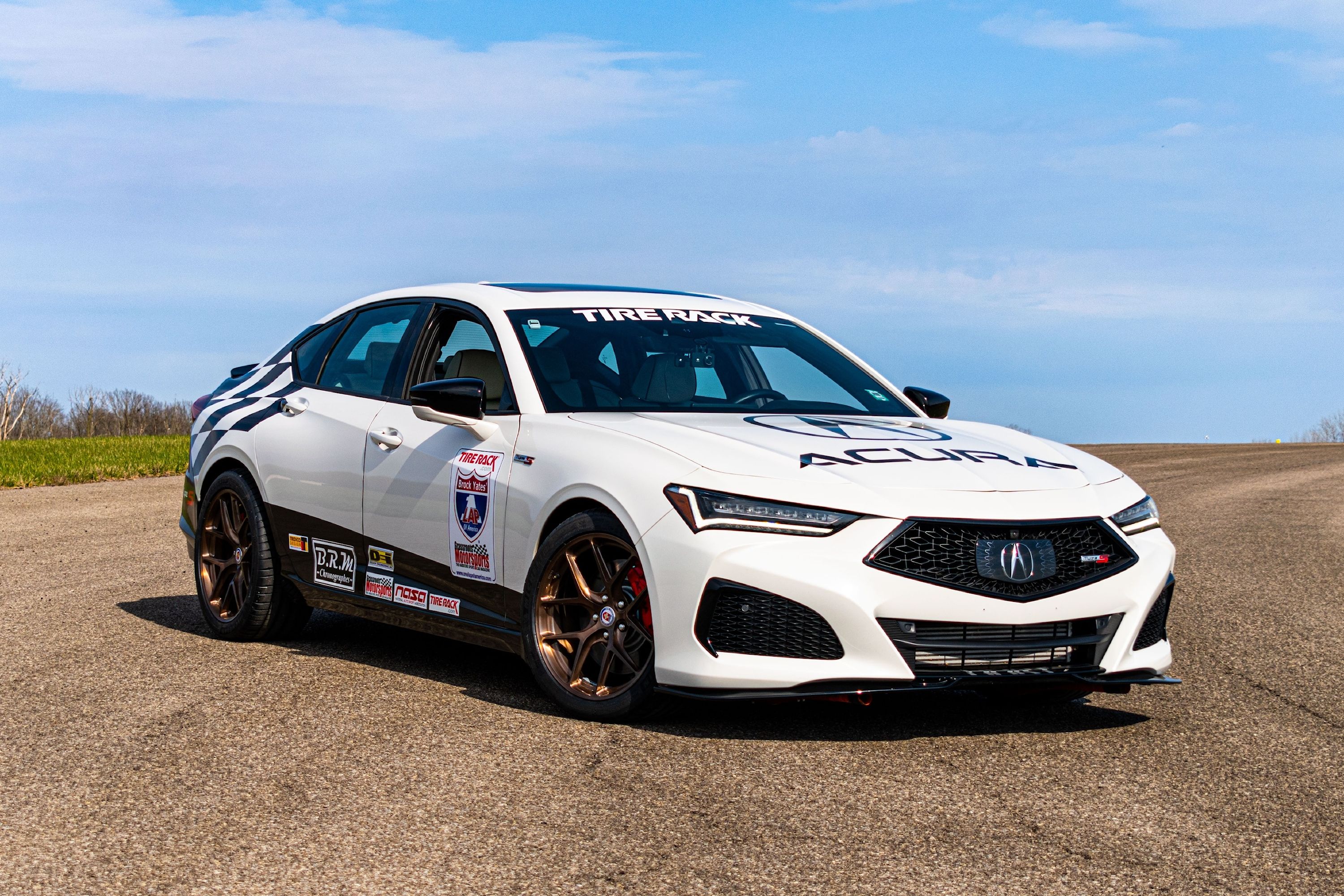
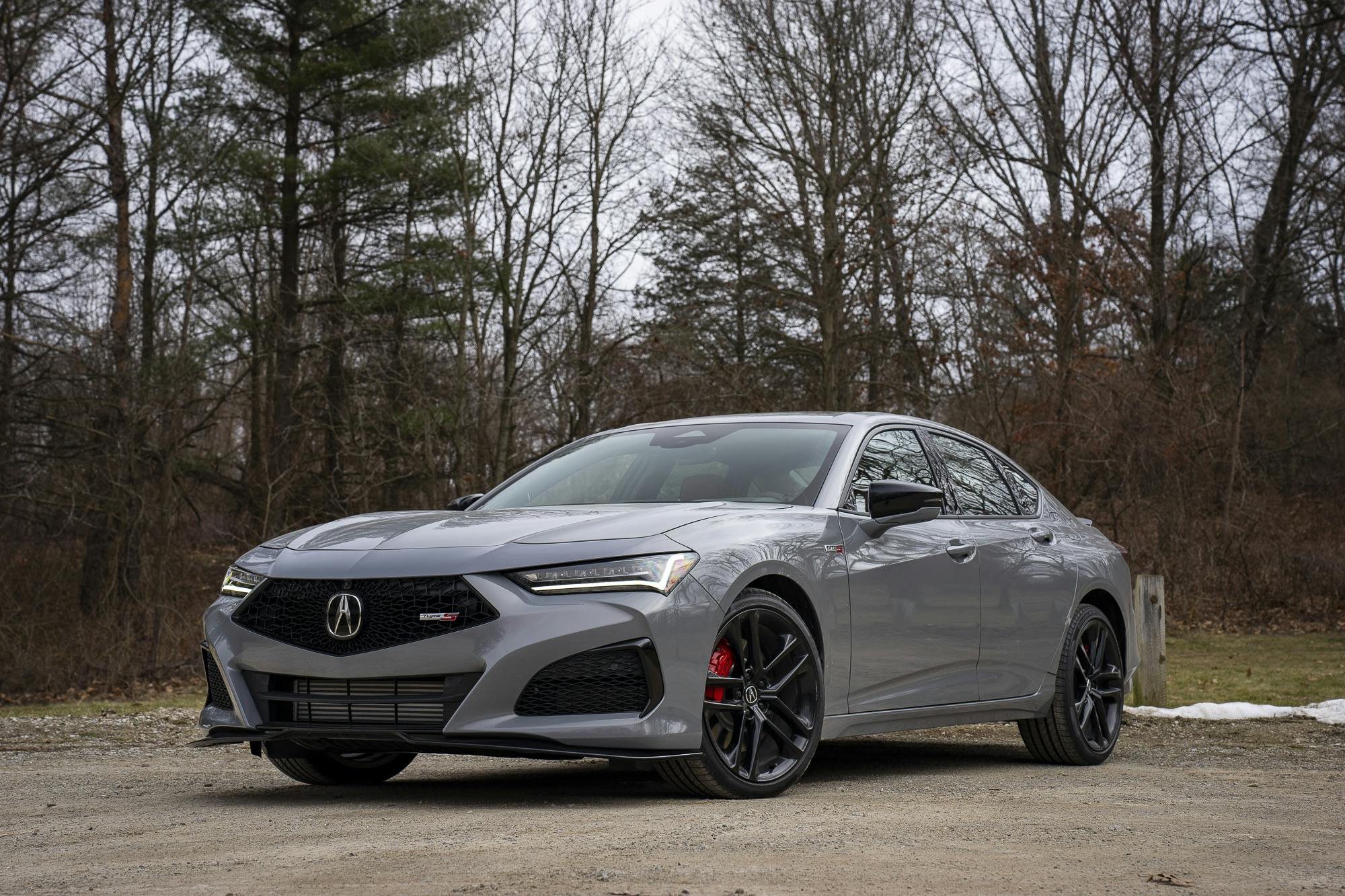
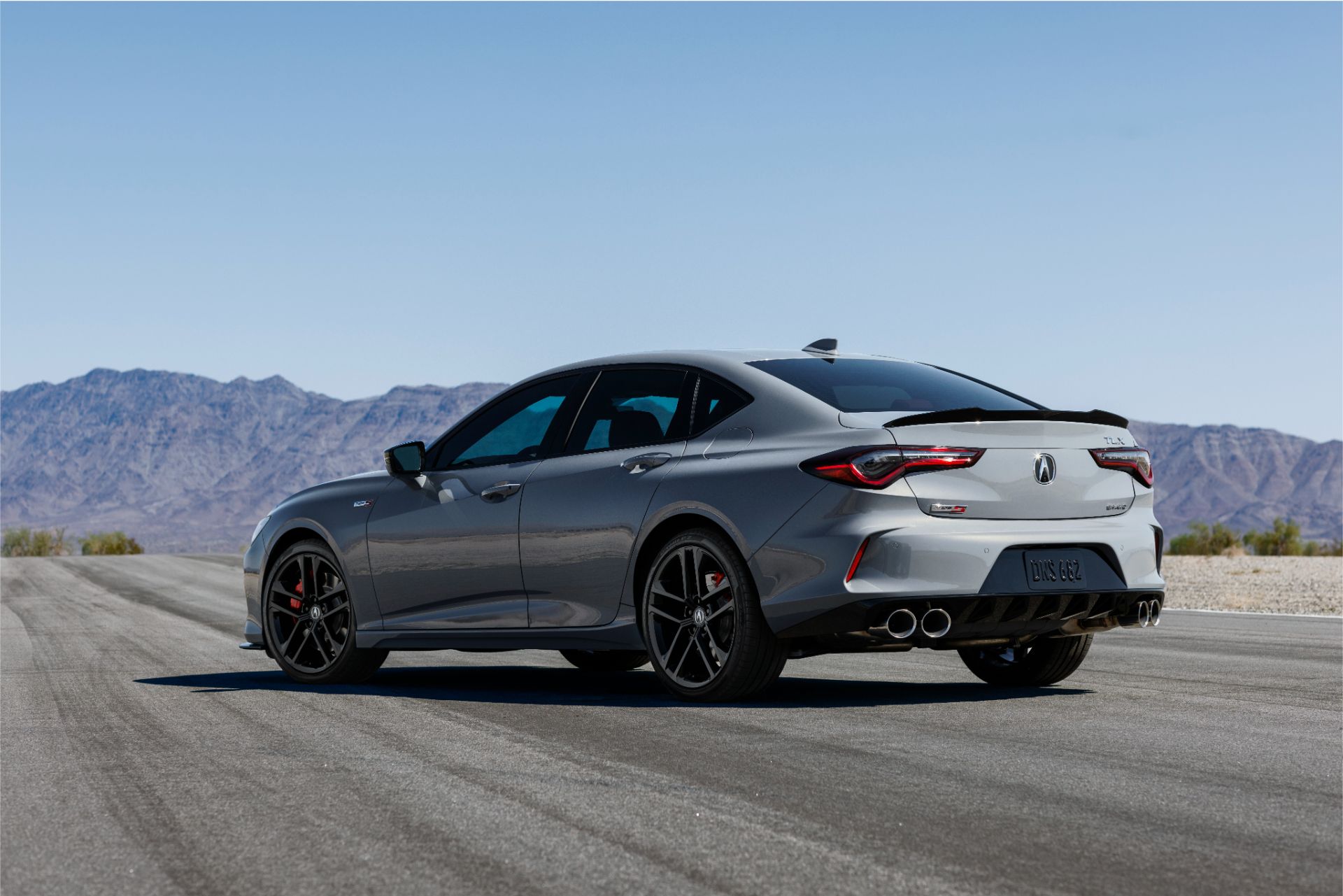
Understanding the Acura TLX Type S 0-60 Performance and Capabilities
The Acura TLX Type S achieves a 0 to 60 mph acceleration time of approximately 4.9 to 5.1 seconds, depending on track conditions, surface grip, and testing methodologies. This performance is driven by a 3.5-liter turbocharged V6 engine...
The Acura TLX Type S achieves a 0 to 60 mph acceleration time of approximately 4.9 to 5.1 seconds, depending on track conditions, surface grip, and testing methodologies. This performance is driven by a 3.5-liter turbocharged V6 engine, a 10-speed automatic transmission, and Acura's Super Handling All-Wheel Drive system.
Contents
Introduction to the Acura TLX Type S Performance Identity
When evaluating high-performance sport sedans, enthusiasts and buyers frequently look to benchmark acceleration figures to gauge a vehicle's capability on both the street and the track. The phrase "acura tlx type s 0 60" represents a core metric for this sports sedan, capturing the intersection of engineering, powertrain refinement, and chassis dynamics.
Disambiguating the vehicle’s market position is essential: the Type S is not a track-focused, stripped-down hyper-sedan, but rather a balanced sport-luxury vehicle designed to compete against established European benchmarks like the Audi S4, BMW M340i, and Mercedes-AMG C 43. Understanding its acceleration metrics requires examining the mechanical components, weight distribution, and electronic aids that allow the TLX Type S to launch effectively from a standstill.
Powertrain Specifications and Mechanical Foundation
The heart of the Acura TLX Type S is its bespoke 3.0-liter turbocharged V6 engine, which replaces the standard turbocharged 2.0-liter inline-four found in lesser TLX trims. This power plant produces 355 horsepower at 5,500 rpm and 354 lb-ft of torque starting from a low 1,400 rpm up to 5,000 rpm.
Achieving a competitive 0 to 60 mph time relies heavily on how this torque is delivered to the ground. The engine uses a twin-scroll turbocharger designed to minimize turbo lag, ensuring that throttle response is immediate when launching from a stop. Mated to this engine is a responsive 10-speed automatic transmission featuring Sequential SportShift paddle shifters. While traditional torque-converter automatics can sometimes feel sluggish during aggressive standing starts, this transmission has been tuned specifically for the Type S to execute quicker upshifts and rev-matched downshifts.
The Role of Super Handling All-Wheel Drive (SH-AWD)
A critical factor in the Acura TLX Type S 0–60 performance is its standard Super Handling All-Wheel Drive (SH-AWD) system. Rear-wheel-drive competitors often battle with initial wheelspin off the line, requiring precise throttle modulation or launch control systems to maximize traction.
The SH-AWD system mitigates traction losses by actively distributing torque not only between the front and rear axles—sending up to 70 percent of engine torque to the rear wheels—but also dynamically vectoring that rear torque between the left and right rear wheels. During a hard launch, the system locks power delivery across all four contact patches, practically eliminating slip on dry pavement. This allows the car to translate its 355 horsepower directly into forward momentum without wasting energy on spinning tires.
Weight, Chassis Dynamics, and Real-World Testing
While the technical specifications outline impressive potential, real-world execution depends on the vehicle's physical dimensions and curb weight. The TLX Type S is a substantial luxury sedan, tipping the scales at approximately 4,221 pounds. This heavier footprint is a byproduct of its robust chassis bracing, extensive sound deadening, comprehensive safety suite, and the complex mechanical hardware of the SH-AWD system.
Independent automotive testing publications—such as Car and Driver and MotorTrend—have instrumented the TLX Type S extensively. Their verified testing routinely records a 0 to 60 mph time of 4.9 to 5.1 seconds, with a quarter-mile completion time arriving in roughly 13.6 to 13.8 seconds at approximately 102 mph.
| Performance Metric | Measured Specification |
|---|---|
| 0–60 mph Acceleration | 4.9 – 5.1 seconds |
| Quarter-Mile Time | 13.6 – 13.8 seconds |
| Quarter-Mile Trap Speed | ~102 mph |
| Top Speed | 155 mph (electronically limited) |
| Curb Weight | ~4,221 lbs |
Factors Affecting Real-World 0–60 Times
Achieving manufacturer or tested acceleration figures in daily driving depends on several external variables and operational conditions. Drivers attempting to replicate instrumental test results should consider the following parameters:
- Tire Compound and Condition: The Type S comes equipped with either factory all-season tires or optional summer performance tires (part of the lightweight wheel package). Summer tires provide significantly higher lateral and longitudinal grip, shaving vital tenths off a 0–60 run compared to all-season alternatives.
- Ambient Temperature and Density Altitude: Forced-induction engines rely heavily on dense, cool air to make peak power. High ambient temperatures and elevated humidity reduce air density, resulting in heat soak and mildly diminished acceleration times.
- Fuel Quality: Utilizing premium unleaded gasoline (91 octane or higher) is mandatory for the 3.0L turbocharged V6 to realize its optimal ignition timing and boost parameters. Lower-octane fuel will prompt the engine management computer to pull timing, reducing overall power output.
- Drive Mode Selection: Engaging Sport+ mode alters throttle mapping, holds transmission gears longer, firms up the adaptive dampers, and adjusts steering weight, providing the sharpest response for dynamic driving.
Comparing the TLX Type S to Competitors
To contextualize the Acura TLX Type S 0–60 capability, it helps to compare it against direct segment rivals. While German competitors often boast marginally faster initial acceleration figures, the Acura balances its performance with a comprehensive list of standard features and a lower relative price point.
- Audi S4 (3.0L Turbo V6): Typically achieves 0–60 mph in roughly 4.2 to 4.4 seconds, aided by a lighter curb weight and a responsive dual-clutch transmission.
- BMW M340i xDrive (3.0L Turbo Inline-6): Widely recognized as a class leader in straight-line speed, hitting 0–60 mph in an exceptionally brisk 3.8 to 4.1 seconds.
- Genesis G70 3.3T AWD (3.3L Twin-Turbo V6): Clocks in around 4.5 to 4.7 seconds, offering a competitive alternative in styling and warranty coverage.
While the TLX Type S trails the M340i and S4 in raw acceleration sprints, its value proposition rests on its muscular styling, extensive list of standard luxury amenities, and mechanical front-end grip provided by its double-wishbone front suspension setup.
Common Misconceptions and FAQs
Can the Acura TLX Type S use a dedicated launch control mode?
The TLX Type S does not feature a traditional, programmable race-start launch control system like some European rivals. Instead, drivers achieve optimal acceleration by holding the brake firmly, applying throttle to build modest boost (around 2,000 rpm), and releasing the brake.
Do optional lightweight wheels improve the 0–60 time?
The optional lightweight wheel package reduces unsprung weight by a notable margin. While this improves suspension responsiveness, steering feedback, and cornering agility, the impact on straight-line 0–60 acceleration is negligible in everyday driving.
Is premium fuel required to achieve the advertised 0–60 performance?
Yes. Acura explicitly calibrates the 3.0-liter turbocharged V6 engine for 91-octane or higher premium gasoline. Using lower-grade fuel impairs combustion efficiency and leads to a reduction in peak horsepower.
How does the curb weight impact overall performance?
The heavy curb weight of the TLX Type S provides highway stability and solid crash protection, but it requires the braking system—featuring Brembo front calipers—to work harder during repeated heavy stops to manage momentum.
Can aftermarket modifications improve the 0–60 time?
Aftermarket ECU tunes, upgraded downpipes, and high-flow air intakes can increase boost pressure and output, lowering the 0–60 time. However, modifications may impact factory powertrain warranties and long-term mechanical reliability.
Practical Recommendations for Enthusiasts
For drivers prioritizing everyday comfort blended with respectable sports sedan capability, the Acura TLX Type S delivers a compelling package. If maximizing straight-line acceleration is the absolute primary goal, test-driving alternatives like the BMW M340i is recommended. However, for buyers who value distinctive styling, an extensive array of standard interior technology, all-weather stability via SH-AWD, and a refined ride quality, the TLX Type S remains a distinct choice in the mid-size luxury performance segment.
Image Gallery