The Truth About Auto Insurance Providers: Navigating the Industry
Auto insurance providers function as risk-pooling institutions that manage financial liability in exchange for premiums, but their operational priorities often clash with policyholder expectations. Understanding that these companies op...
Auto insurance providers function as risk-pooling institutions that manage financial liability in exchange for premiums, but their operational priorities often clash with policyholder expectations. Understanding that these companies operate on actuarial science—not personalized fairness—is essential for securing adequate coverage, managing claims effectively, and avoiding common pitfalls in the modern insurance market.
Contents
The Business Model: How Providers Assess Risk
At its core, an auto insurance company is a data-driven enterprise focused on mitigating and pricing risk. When you pay a premium, you are purchasing a transfer of risk from yourself to the insurer. The provider’s profitability depends on their ability to accurately predict the likelihood of an accident, theft, or liability claim within a specific demographic.
Actuaries use complex statistical models to evaluate hundreds of variables. These include non-obvious factors such as your credit-based insurance score, driving history, vehicle type, and even your geographic location. The "truth" often misunderstood by consumers is that these factors are not moral judgments on your character; they are historical data points used to project the mathematical probability of a future payout. When a company denies a claim or raises rates, it is rarely personal; it is a recalibration of your risk profile within their internal database.
The Reality of Premium Pricing and Rate Hikes
Consumers frequently experience sticker shock when renewal premiums rise, even without a change in their driving record. This typically happens for two reasons: macroeconomic shifts and internal loss-ratio adjustments.
- Inflation and Repair Costs: As the complexity of modern vehicles increases—thanks to advanced driver-assistance systems (ADAS), specialized sensors, and digital components—the cost of repairing a vehicle after a minor collision has surged. Providers pass these "severity" costs on to the consumer.
- Loss Ratios: Insurance companies monitor their loss ratio, which is the relationship between the premiums collected and the claims paid out. If a provider experiences an unexpectedly high number of claims in a specific region (due to severe weather, rising theft rates, or increased traffic accidents), they must raise premiums for all customers in that pool to maintain solvency and profitability.
Claims Processing: Expectations vs. Technical Reality
A common point of friction between policyholders and providers is the discrepancy between the marketing promise of "fast and easy" claims and the technical reality of the adjustment process.
When you file a claim, the insurance company initiates an investigation. The primary objective of an adjuster is to verify the validity of the loss, determine fault, and calculate the payout based strictly on the language of your policy contract. The contract is a legal document that dictates the limits of liability, deductibles, and specific exclusions.
Policyholders often fail to read the "fine print," which covers items like depreciation, "betterment" (where an insurer may charge you for parts that increase the value of your car beyond its pre-accident state), and the use of aftermarket versus Original Equipment Manufacturer (OEM) parts. Understanding these limitations before an accident occurs is critical.
Comparing Insurance Providers: A Strategic Approach
Not all providers offer the same service levels or financial stability. When evaluating a provider, look beyond the advertising budget and examine the company's financial strength and customer satisfaction metrics.
| Feature | Major National Carriers | Regional/Niche Carriers |
|---|---|---|
| Financial Backing | Extremely High (Rated A+ by AM Best) | Moderate to High |
| Claim Speed | Generally Faster (Automated) | Variable (Often Personalized) |
| Pricing | Standardized/Algorithm-driven | Often Competitive for Specific Niche |
| Tech Accessibility | Advanced Apps and Portals | Often Limited or Outsourced |
Financial strength ratings, such as those provided by AM Best, are crucial. A company’s ability to pay out during a catastrophic event—such as a regional natural disaster—is the primary reason you carry insurance. If a company lacks the capital reserves, even the best policy on paper may fail to protect you when you need it most.
Common Misconceptions About Coverage
Many policyholders operate under false assumptions that can lead to significant financial exposure.
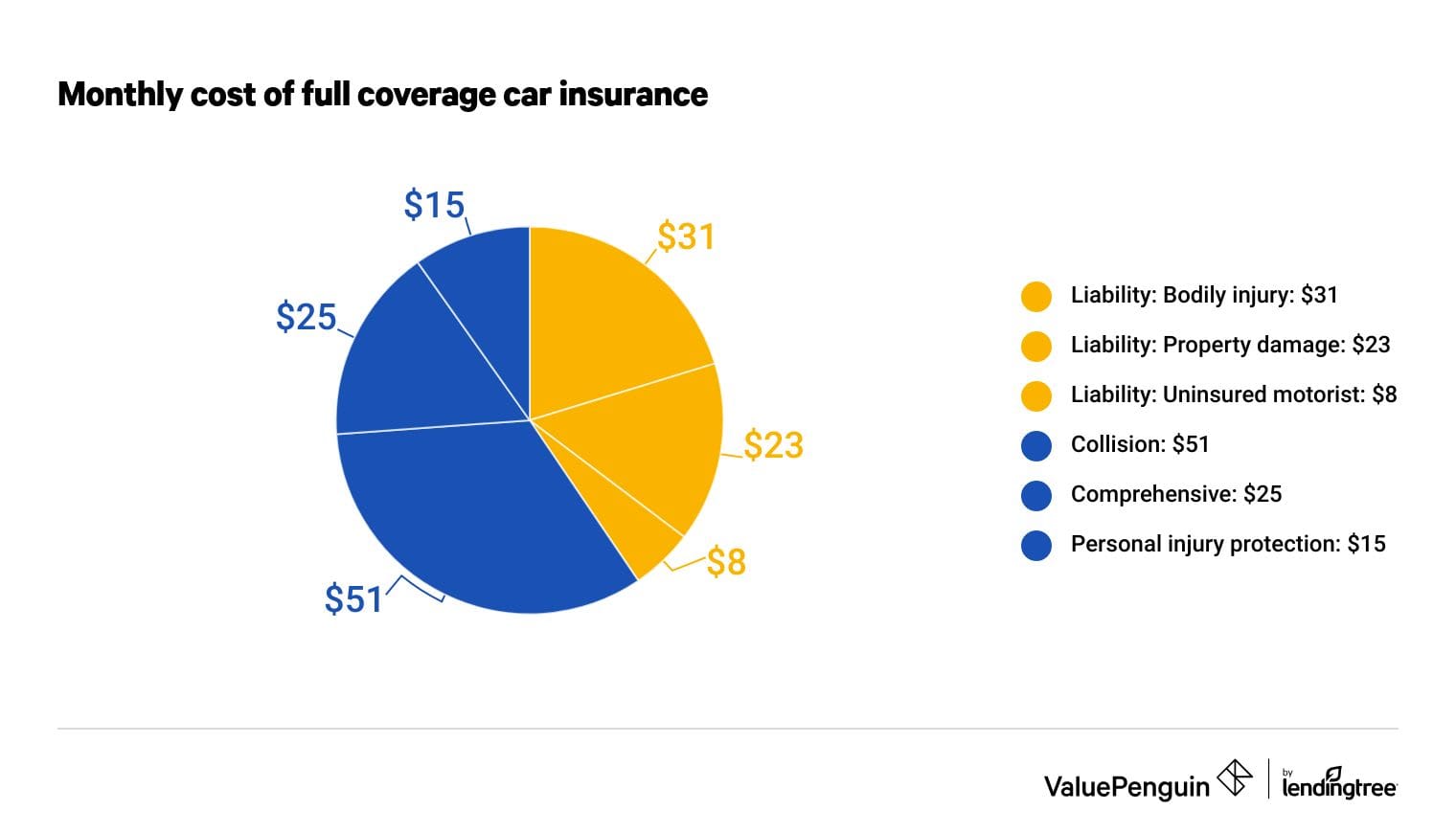
- "Full Coverage" is not a legal term: Consumers often use this phrase to mean everything is covered. In reality, "full coverage" is an industry slang term for a policy containing liability, collision, and comprehensive coverage. It does not mean you have unlimited protection or that specific gaps (like rental car reimbursement or gap insurance) are filled.
- The "At-Fault" Myth: Many assume that if they are not at fault, their insurance company will handle everything seamlessly. However, if the other party is uninsured or underinsured, you must rely on your own policy's Uninsured Motorist (UM) or Underinsured Motorist (UIM) provisions. If you declined these options to save on premiums, you are personally liable for the deficit.
- Leasing/Financing Requirements: If you lease or finance a vehicle, the lienholder dictates the insurance requirements. Ignoring these can result in the lienholder force-placing expensive, limited-coverage insurance on your behalf, which is almost always more costly than securing your own policy.
How to Mitigate Insurance Costs Effectively
Lowering premiums is a common goal, but the method matters. Reducing coverage limits to decrease your bill is a high-risk strategy. Instead, focus on these verified methods:
- Adjusting Deductibles: Raising your deductible (the amount you pay out-of-pocket before insurance kicks in) significantly lowers your annual premium. Ensure you maintain an emergency fund equal to your deductible to avoid being unable to claim.
- Bundling: Combining home, renters, or life insurance with your auto policy often triggers multi-policy discounts. This is not just a marketing tactic; it reduces the administrative overhead for the insurer, and they pass those savings on to you.
- Credit-Based Insurance Scoring: In most jurisdictions, your credit history impacts your insurance rates. Maintaining a healthy credit score is often the most effective long-term way to keep your premiums stable.
- Usage-Based Insurance (UBI): If you are a low-mileage driver, telematics programs that monitor your driving habits can offer significant savings. Be aware that these programs collect real-time data on your speed, braking, and location, which some users find invasive.
FAQ: Navigating Provider Disputes
Can I challenge an insurance adjuster's evaluation of my vehicle's value? Yes. If an adjuster declares your car a "total loss," they determine the value based on market comparables. You are entitled to review these comparables. If you believe your car has unique features or was in better condition than the average, you can submit evidence (maintenance records, receipts for recent major repairs) to appeal the valuation.
Does a lapse in insurance coverage affect my future premiums? Yes, significantly. Most providers view a coverage lapse as a high-risk signal. Even a short gap can move you into a higher-risk tier, potentially disqualifying you from "preferred" customer rates for several years.
What is the role of an independent insurance agent versus a captive agent? A captive agent works for one insurance company and can only sell their products. An independent agent or broker works with multiple carriers, allowing them to compare prices and coverage terms across different companies to find the best fit for your specific needs.
Will my insurance rates definitely go up after one ticket or accident? Not necessarily. Many carriers offer "accident forgiveness" or "violation forgiveness" as a perk for long-term customers. However, these features usually come at a higher initial premium cost. If you don't have these, a single incident can trigger a rate increase, but the impact is usually spread over three to five years.
Next Steps for Policyholders
The most important action you can take in 2026 is to conduct a policy audit. Do not wait for a renewal notice to review your coverage. Log into your insurance portal, download your "Declarations Page," and verify that your liability limits actually cover your current net worth. Many drivers keep the same "standard" limits they chose years ago, which may no longer protect their assets in the event of a significant lawsuit. If your limits are low, reach out to your provider to get a quote for higher coverage; you will often find that the cost to increase your protection is lower than expected.
Image Gallery